
2027 Audi Q9 Brings Advanced Matrix LED Headlights Americans Have Been Missing for Years

For years, American drivers have watched European vehicles enjoy lighting technology that felt straight out of the future while U.S. regulations kept many of those innovations off-limits. That finally appears to be changing, and Audi is preparing to take full advantage of the updated rules with the upcoming 2027 Q9 SUV. The luxury automaker’s new Digital Matrix LED headlights promise to make nighttime driving smarter, safer, and far more sophisticated than what most drivers on American roads experience today.
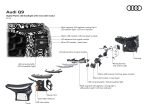
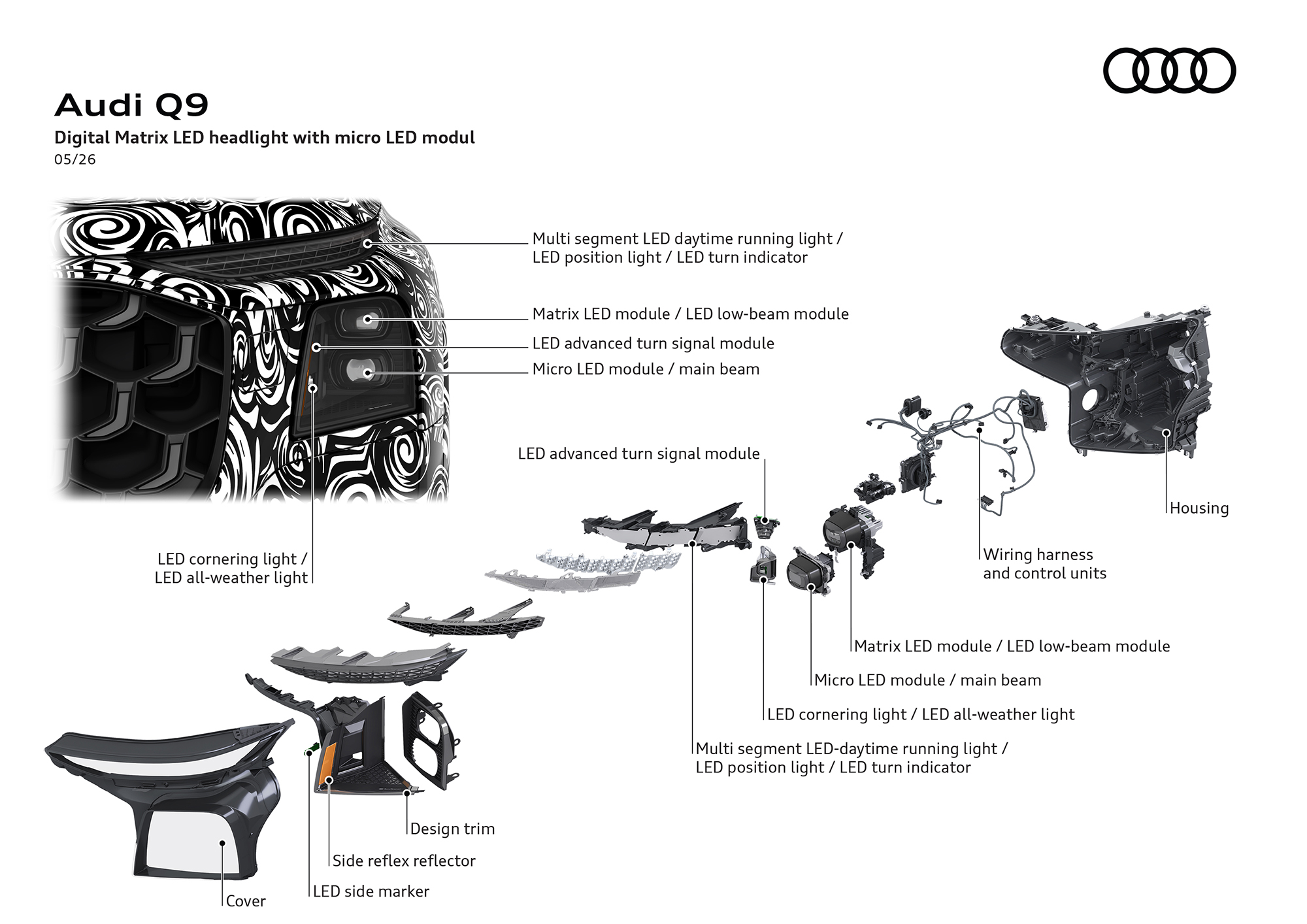
At first glance, Audi’s latest headlight technology sounds almost too advanced to be real. Each Digital Matrix LED headlamp contains more than 25,000 individually controlled micro LEDs, each roughly half the width of a human hair. Instead of functioning like traditional headlights, the setup works more like a high-resolution projector system capable of shaping and adjusting light patterns in real time. Beyond flashy startup animations and illuminated graphics, the real magic happens once the road gets dark.
The standout feature is Audi’s adaptive high-beam functionality. In simple terms, drivers can leave the high beams activated while the system automatically prevents glare for other motorists. Cameras continuously monitor traffic ahead and approaching vehicles, while the headlights create shaded “boxes” around those cars to avoid blinding drivers. The rest of the road remains brightly illuminated, giving the driver maximum visibility without the constant need to manually toggle between high and low beams.
Experiencing the system in action reportedly feels almost surreal at first. During nighttime testing in Germany, drivers could clearly see the dimmed sections moving dynamically around surrounding traffic while the high-beam indicator remained illuminated inside the cabin. Even on narrow two-lane roads, oncoming traffic showed no signs of frustration or retaliatory flashing. It is the kind of technology that makes you wonder why American drivers have had to wait so long to experience something Europe has already normalized.
The reason comes down to decades-old federal lighting regulations. The original FMVSS 108 standards, first issued back in 1967, were written around fixed low-beam and high-beam patterns that could only operate separately. Adaptive systems capable of selectively dimming portions of the beam simply did not fit within the rules. That changed in 2022 when regulators introduced Adaptive Driving Beam standards, finally allowing automakers to deploy smarter lighting systems that balance visibility with reduced glare for others on the road.
Audi’s matrix lighting system can do even more overseas. European-market models already offer illuminated lane guidance, projected light carpets during lane changes, pedestrian highlighting, and even warning graphics displayed directly on the pavement. Mercedes-Benz has pushed the concept further with systems capable of projecting navigation arrows and hazard alerts onto the road ahead. While many of those features are still restricted in the U.S., the hardware inside vehicles like the upcoming Q9 is already capable of supporting them through future software updates.
The 2027 Audi Q9 may ultimately become more important for its technology than its size or luxury positioning. Advanced lighting systems like these have the potential to dramatically improve nighttime visibility while reducing driver fatigue and increasing safety for everyone sharing the road. For American drivers who have spent years watching European markets move ahead with smarter automotive tech, this feels like a long-overdue step into the future.


More Stories
A Simple Pre-Winter Check for Your Tires and Battery
The first cold morning of the season has a way of finding the weak spots in a car. A tire...
Porsche Mission S Hypercar Teased with 8,000-RPM Redline Ahead of October 15 Reveal
Porsche is preparing to make a serious statement in the world of high-performance automobiles, and its upcoming Mission S hypercar...
Chinese Automaker Geely Coming to Canada in 2027 as New Import Rules Open the Door to Affordable EVs
The North American automotive landscape could be in for a significant shakeup as Chinese automotive giant Geely Auto has officially...
Rivian Goes Ghostbusters for Halloween with Ecto-1 Inspired EVs and Spooky Software Update
Rivian is getting into the Halloween spirit in a big way this year, and fans of the iconic Ghostbusters movies...
Keeping the Ram You Love, Updating the Part You Use Every Day
A favorite vehicle earns its place through use. There are the trips you planned for months, the quick runs for...
Is Your Car Ready for Colorado’s Traction Law?
A clear forecast in Denver can turn into a whiteout at the Eisenhower Tunnel. When that happens, the Colorado Department...