
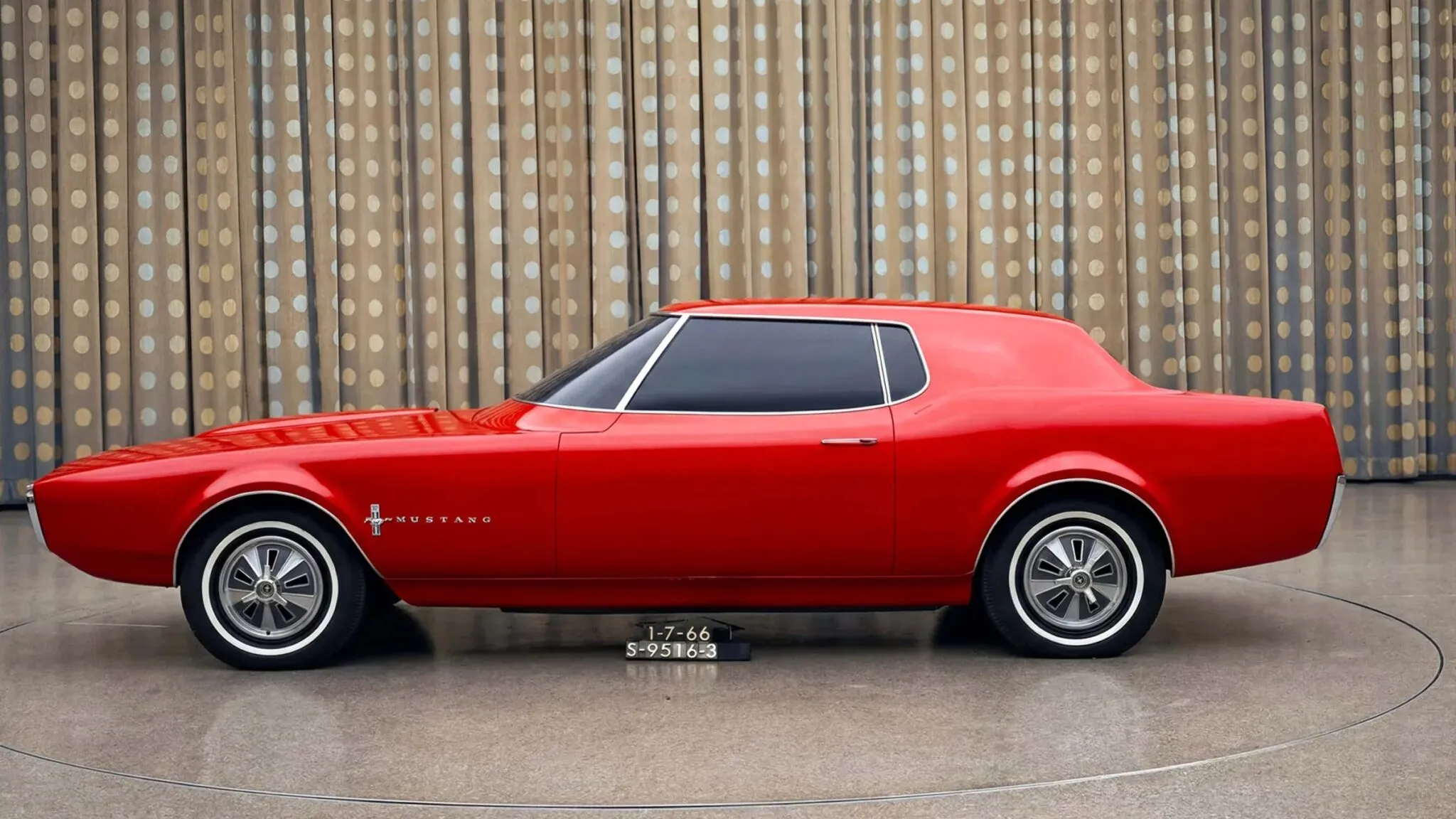
Ford Revisits Mustang Archive Images with Artificial Intelligence Color Study

Ford reached into one of its oldest internal archives and used artificial intelligence on material stored far from public view. Inside the Ford Heritage Vault, more than 350,000 styling negatives sit under controlled temperature conditions, covering decades of vehicle development from the mid-1950s up to the turn of the 21st century. Many among them were recorded in black and white, which made the recent experiment easy to notice once a new color appeared across several early Mustang studies.
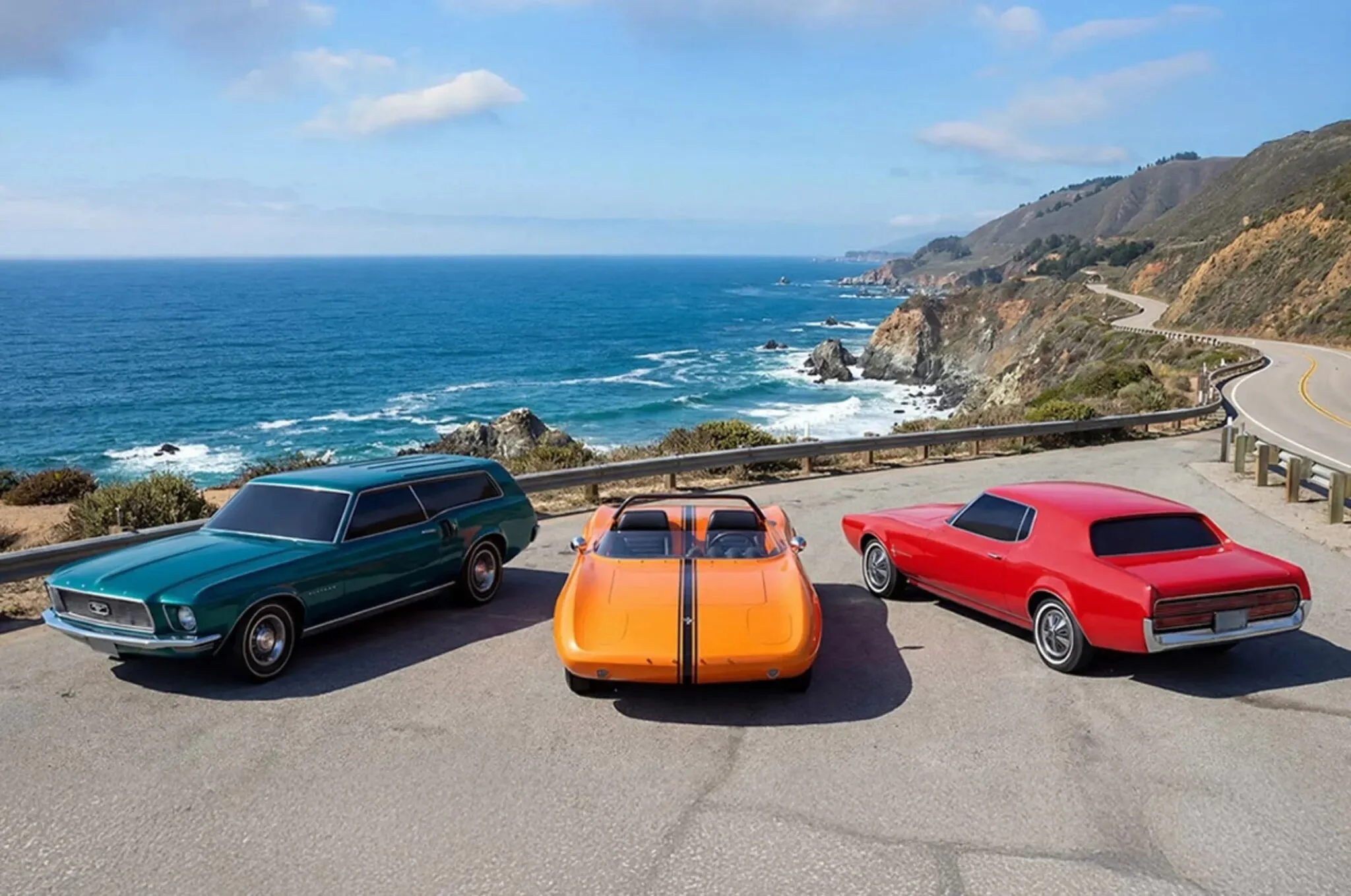
The exercise centered on historic Mustang imagery rather than current production work. Ford selected older archive negatives and gave several of them modern exterior finishes, producing digital versions of prototypes and concepts in shades linked more closely to later paint catalogs than to their original period.
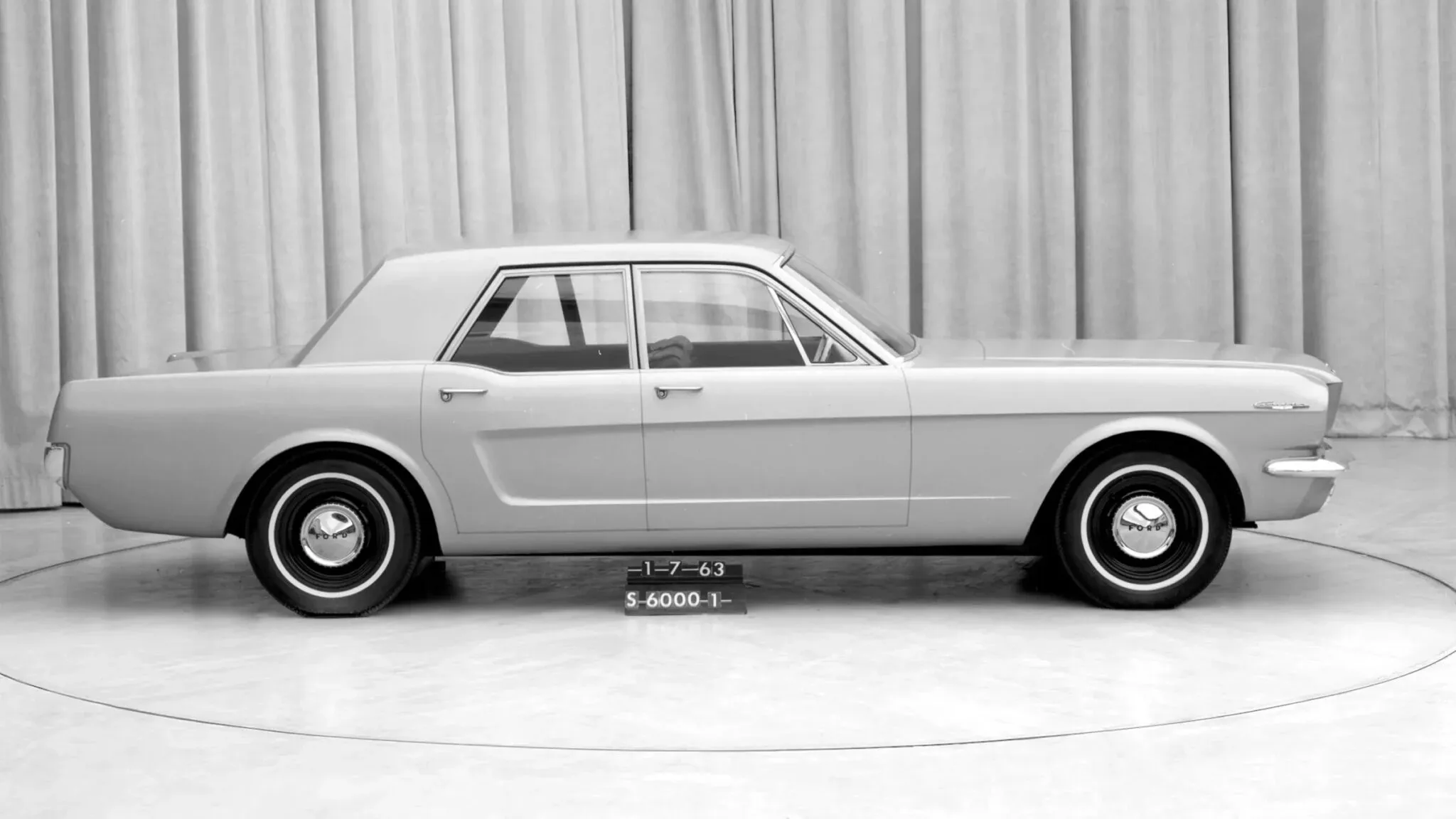
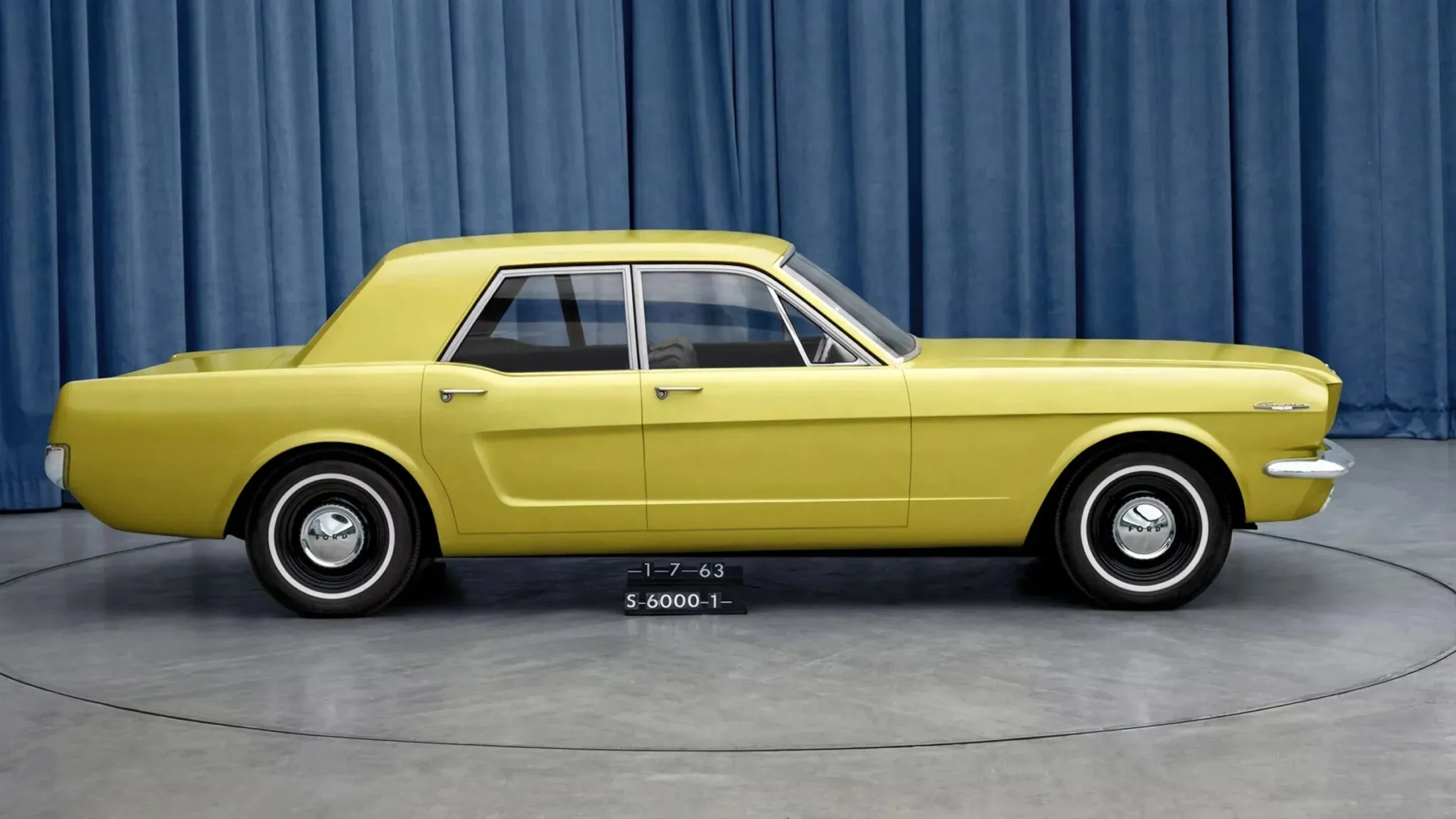
One frame shows a 1963 clay Mustang sedan model. In archive form, the subject belonged to an early styling phase, yet the new version places Intense Lime Yellow Metallic across the full body. The choice changes the tone immediately. The sedan shape stays simple, low, and clean, though the fresh finish pushes attention toward lines that would otherwise stay muted in monochrome material.
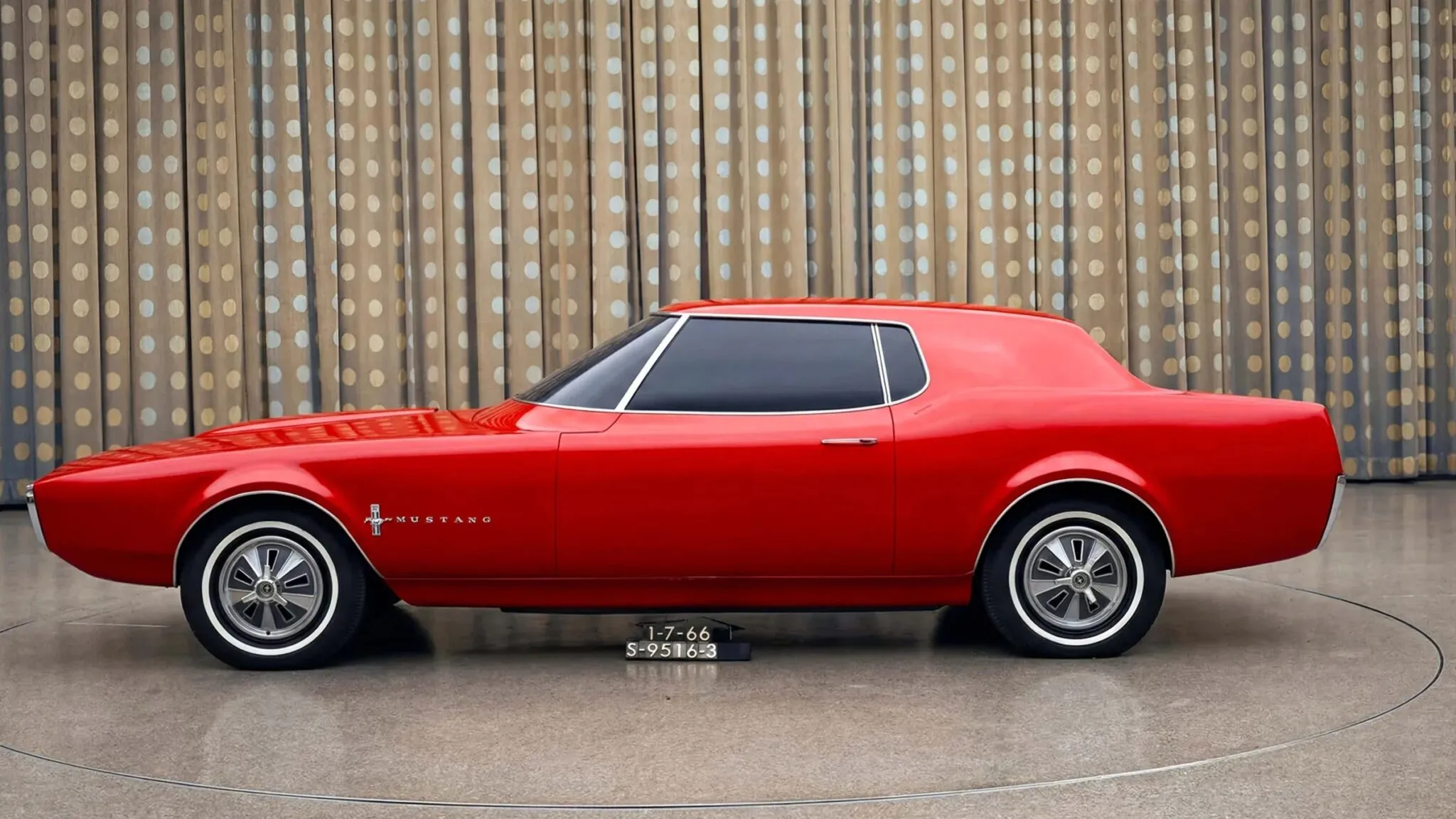
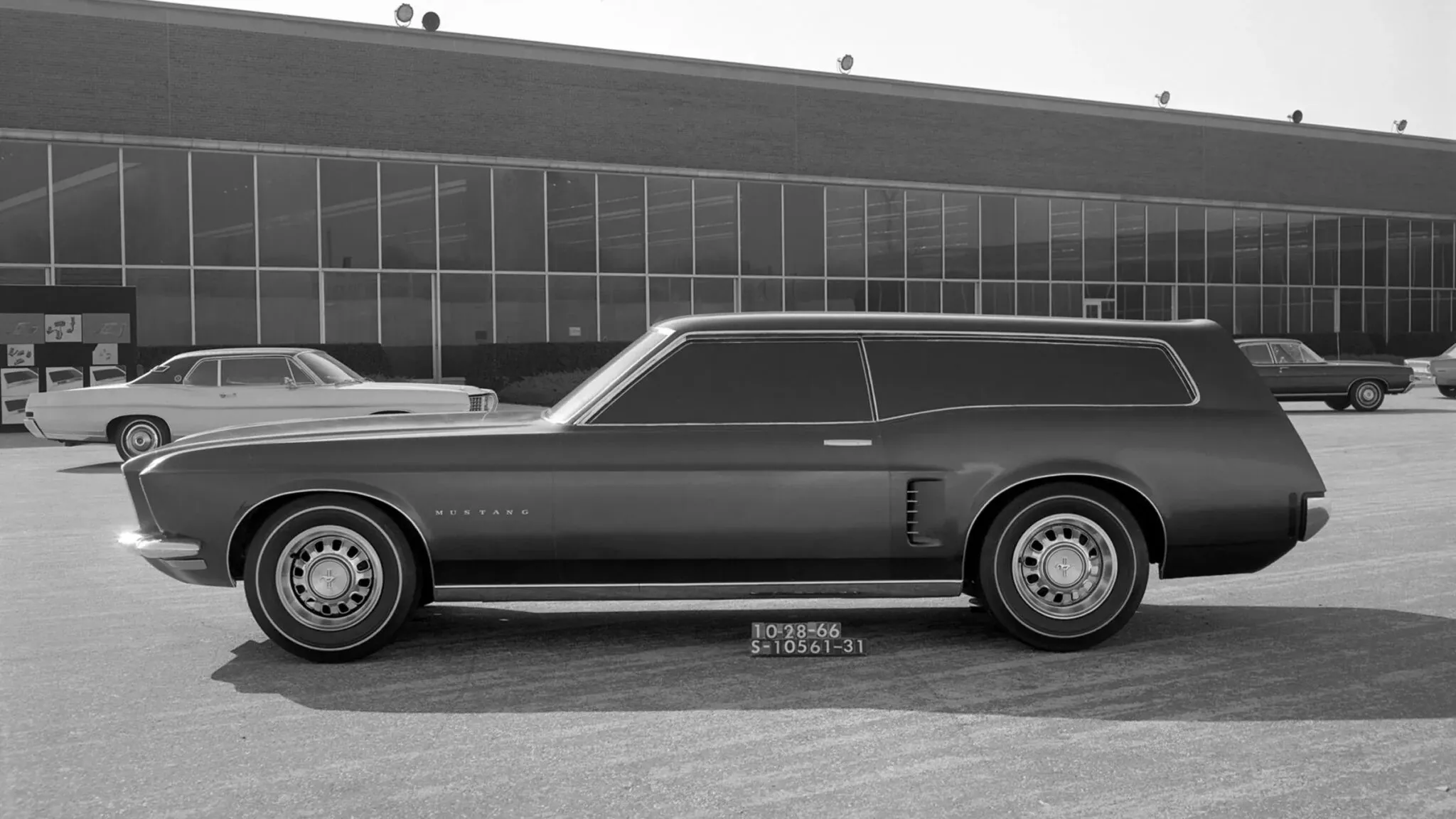
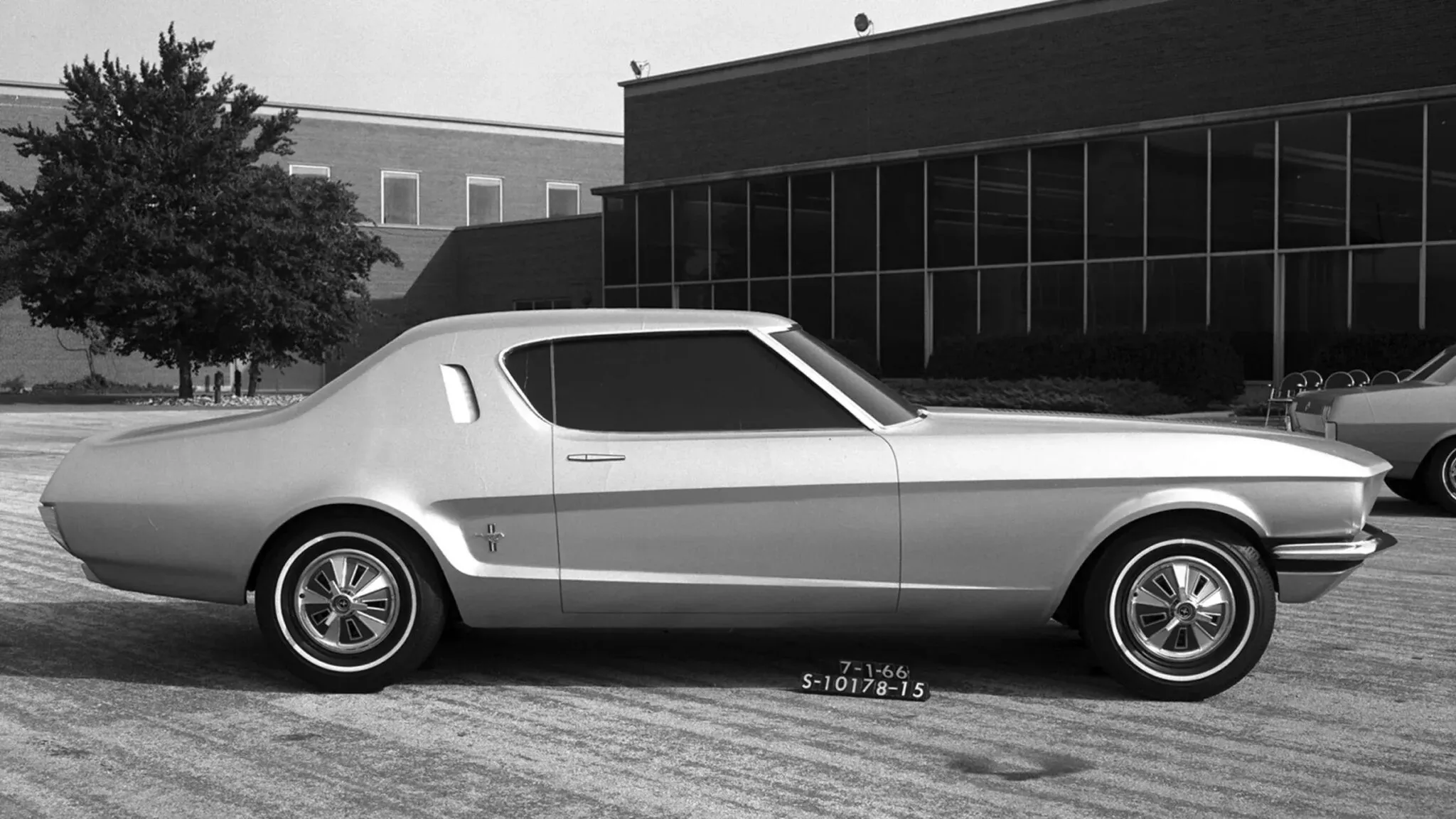
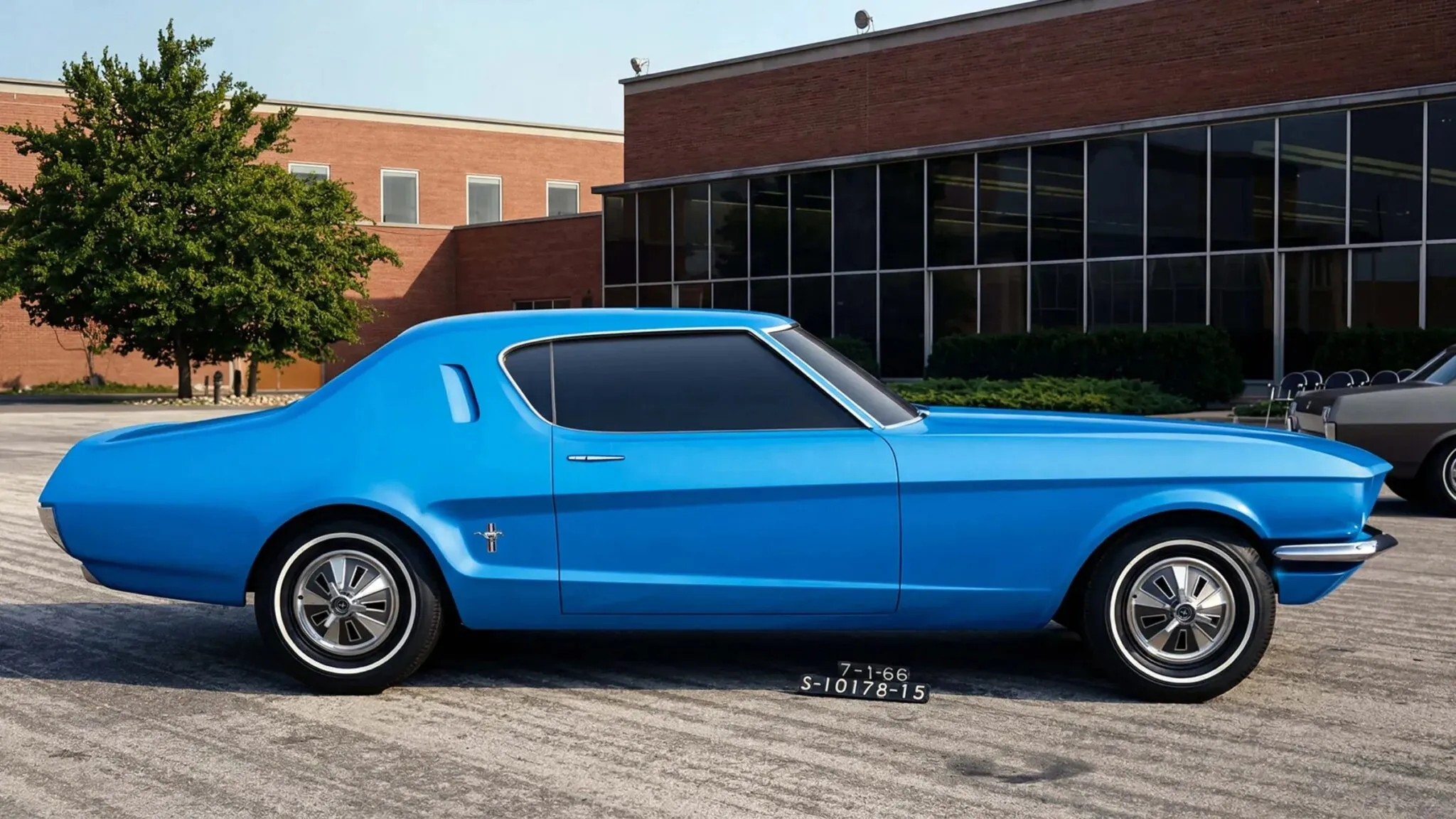
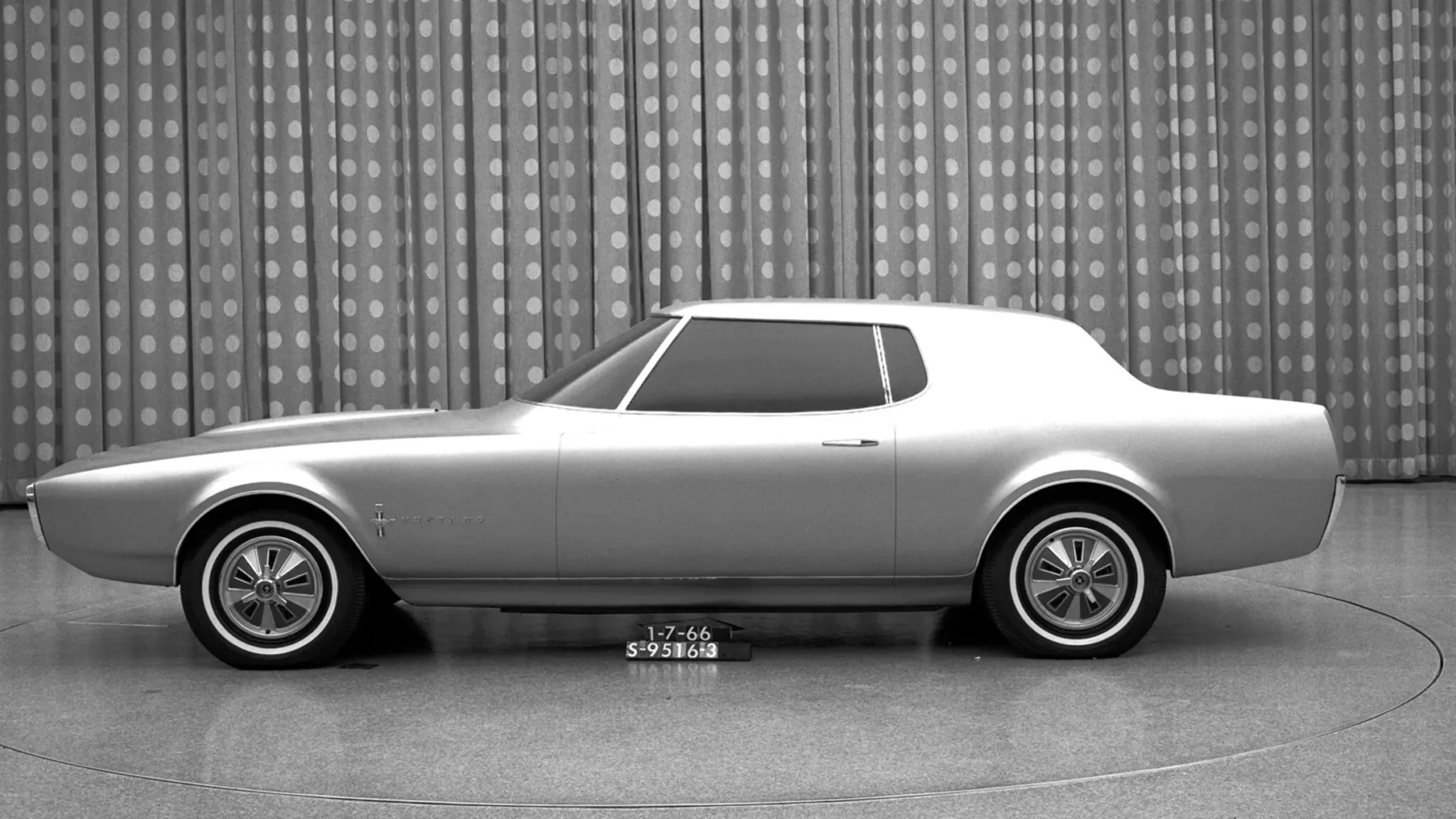
A second release focuses on a 1966 Mustang Fastback. Ford assigned Grabber Blue Metallic to this image. The body remains unchanged from the stored archive source, though the bright finish shifts the visual balance and makes the roofline stand out more than expected. Another 1966 study entered the same set, this time wearing Race Red. The source identifies the vehicle only as a 1966 concept, without further technical detail.
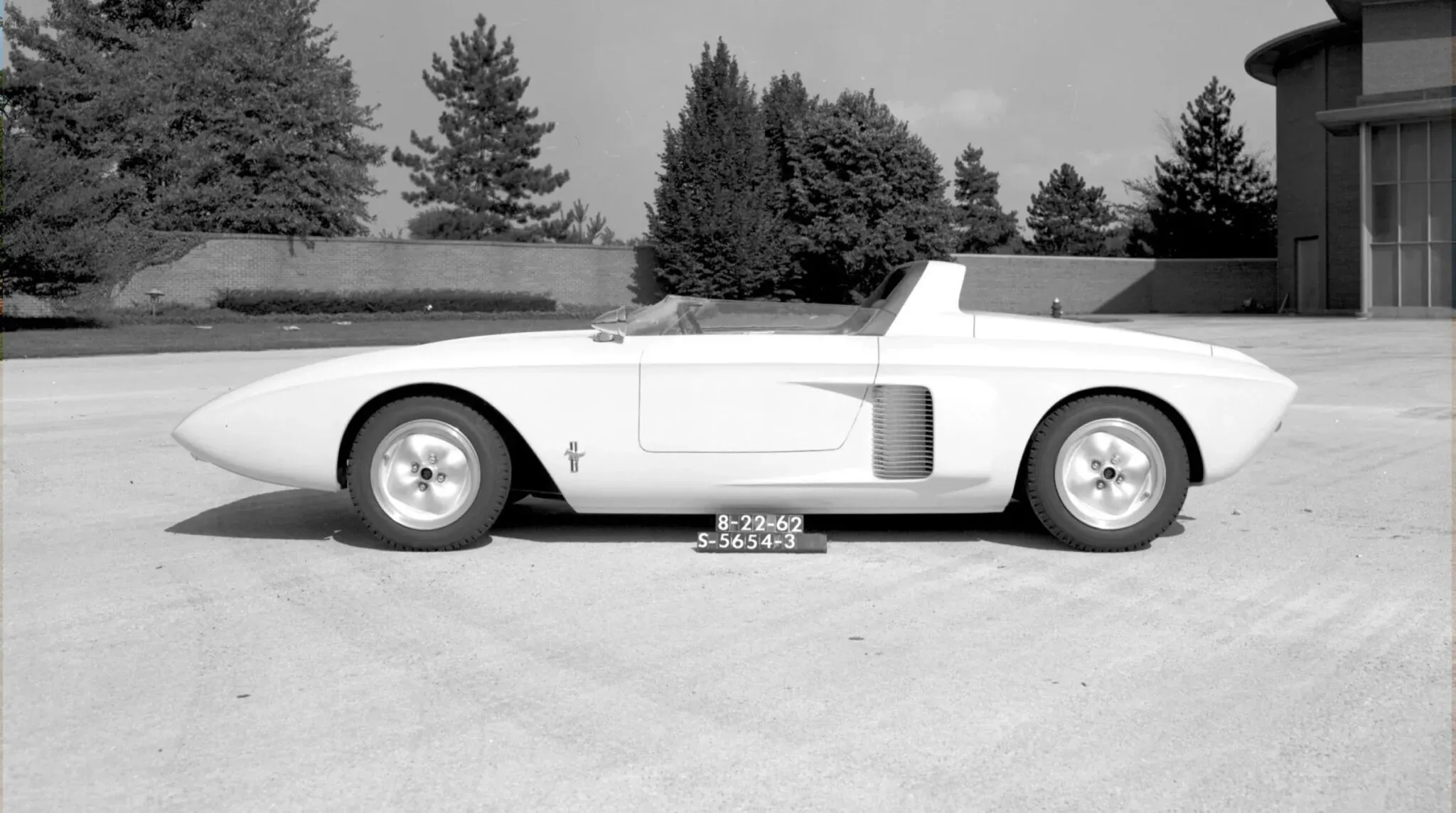
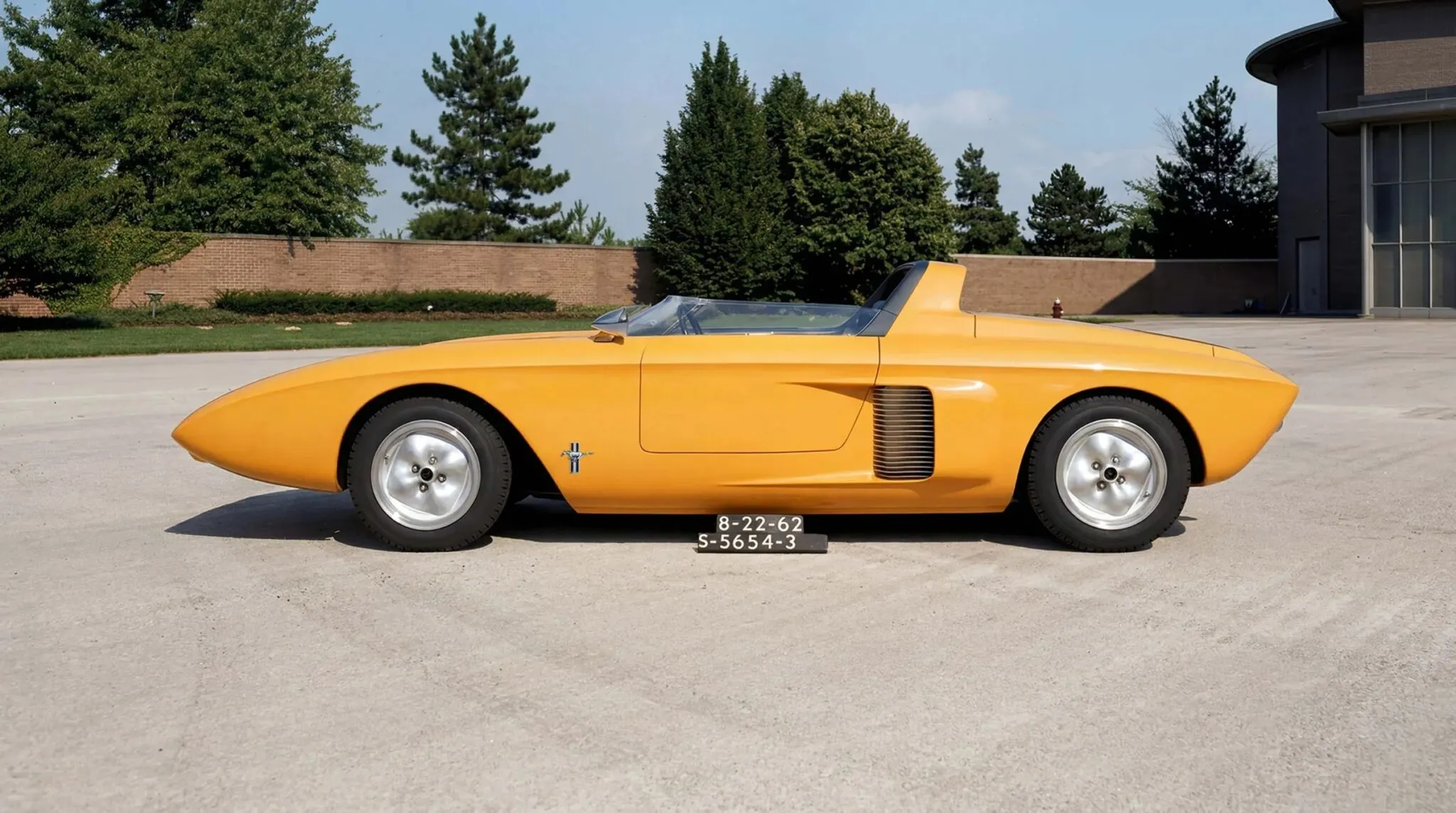
Ford also included the Mustang I concept. In archive form, this car originally appeared in white. For the digital update, the company replaced that finish with Orange Fury Metallic. The contrast feels strong because the concept already carries a compact shape and low stance, so the brighter tone changes the whole impression, or perhaps the better word is sharpens it.
Ford describes the negatives as records of vehicle development from beginning to end. That archive function explains why these materials stay important beyond styling nostalgia. Each frame preserves decisions made long before production approval.
This recent color exercise stays limited to presentation rather than restoration. The images do not return to historically correct paint references. Ford instead uses present-day shades across older material, which gives the experiment a different purpose. The result sits somewhere between archive work and visual reinterpretation, and for now, the company has only shown a small selection from the larger collection.
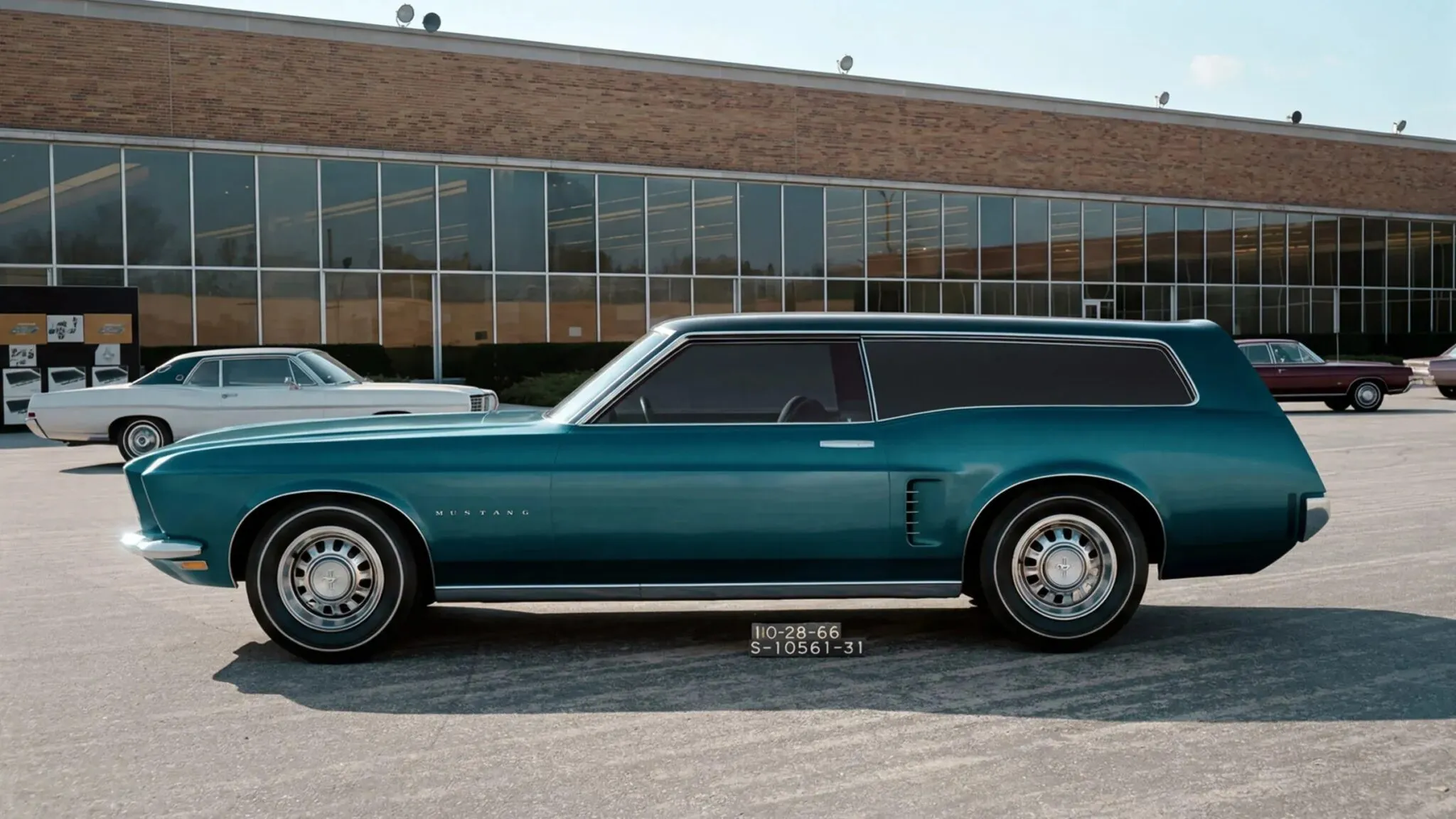
Ford Mustang AI History – Photo Gallery


More Stories
A Simple Pre-Winter Check for Your Tires and Battery
The first cold morning of the season has a way of finding the weak spots in a car. A tire...
Porsche Mission S Hypercar Teased with 8,000-RPM Redline Ahead of October 15 Reveal
Porsche is preparing to make a serious statement in the world of high-performance automobiles, and its upcoming Mission S hypercar...
Chinese Automaker Geely Coming to Canada in 2027 as New Import Rules Open the Door to Affordable EVs
The North American automotive landscape could be in for a significant shakeup as Chinese automotive giant Geely Auto has officially...
Rivian Goes Ghostbusters for Halloween with Ecto-1 Inspired EVs and Spooky Software Update
Rivian is getting into the Halloween spirit in a big way this year, and fans of the iconic Ghostbusters movies...
Keeping the Ram You Love, Updating the Part You Use Every Day
A favorite vehicle earns its place through use. There are the trips you planned for months, the quick runs for...
Is Your Car Ready for Colorado’s Traction Law?
A clear forecast in Denver can turn into a whiteout at the Eisenhower Tunnel. When that happens, the Colorado Department...