

From Crash Scene to Compensation: Where Most Car Accident Claims Actually Fail

A crash does not wait for preparation. One moment, the road feels normal, and the next, everything turns loud, broken, and confusing. People react quickly, words overlap, and details slip away faster than expected. What stays behind is not just damage but a chain of decisions that quietly shape what happens next.
The journey from that moment to compensation is not as direct as it may appear from the outside. Small actions, missed details, and early assumptions often decide the direction of the claim long before any formal process begins. Strong representation after a serious car crash often becomes the line between a stable claim and one that weakens without warning.
Most claims do not collapse in court. They weaken much earlier, starting from the crash scene itself. The sections below explain where things usually start to fall apart and why those early steps matter so much.
Where the Trouble Starts at the Crash Scene
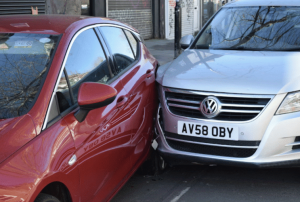
The first few minutes after a crash carry more value than most people realize. Important details often disappear simply because they are not recorded in time.
Vehicle positions are not photographed clearly.
Road conditions, signals, and surroundings are ignored.
Damage angles are not documented from multiple views.
Once vehicles are moved and traffic resumes, rebuilding the scene becomes difficult and often incomplete.
Missing or incomplete official reporting
A formal record often becomes the backbone of the entire claim. When that structure is weak, confusion follows later.
Accident reports that are not filed properly or are missing key details can create gaps that are hard to explain afterward. Informal conversations at the scene rarely carry the same weight as official documentation, which is why this step quietly shapes the rest of the process.
Early statements that create long-term impact
Stress leads to quick words. Those words sometimes stay in records longer than expected and influence how the entire incident is interpreted later. Even simple remarks made without intention can become part of the claim narrative.
Medical Decisions That Quietly Shape the Outcome
Medical care is often postponed because symptoms seem mild at first. This delay later affects how injuries are evaluated.
A gap between the accident and the first medical visit can create doubt about whether the injury is directly linked to the crash. Even when pain appears later, that missing early record often becomes a point of discussion in the claim.
Inconsistent medical documentation
Medical records form the story of recovery. When that story has gaps, the claim becomes harder to support.
Missed appointments weaken continuity.
Different reports create confusion in the evaluation.
Recovery progress appears unclear or incomplete.
Consistency in treatment history often carries more weight than the severity of the injury alone.
Ignoring follow-up care
Stopping treatment too early leaves the recovery story unfinished. Even if symptoms continue, the absence of ongoing care can make the injury appear resolved on paper, which affects long-term evaluation.
Insurance Pressure and How Claims Lose Value Early
Insurance involvement begins quickly and often influences the direction of the claim before recovery is fully understood.
Early settlement offers are one of the most common pressure points. These offers may seem helpful at a time when expenses are rising, but they are often based on limited information about long-term impact.
Recorded conversations can also create complications. Statements made casually or under stress may later be interpreted differently, even if the intent was not harmful or inaccurate.
Delays in processing add another layer of pressure. When responses take time, frustration builds and sometimes leads to accepting lower settlements just to close the matter.
This stage is also where a car accident lawsuit may become relevant when informal settlement efforts fail to reflect the actual extent of injuries and losses.
Documentation Gaps That Weaken the Claim Structure
Missing or incomplete paperwork
Small gaps in documentation can create larger issues later in the process.
Incomplete forms slow down evaluation.
Conflicting reports reduce clarity.
Missing details weaken consistency across the claim.
Weak explanation of fault
When responsibility is not clearly supported with evidence, the claim loses direction. Even when injuries are clear, unclear fault allocation can reduce overall compensation.
Misunderstanding claim requirements
Simple errors in timing, reporting steps, or procedural rules can affect how the claim is processed and evaluated.
Why Settling Too Early Becomes a Turning Point
Pressure builds over time. Medical bills, lost income, and ongoing uncertainty often push people toward a quick resolution.
Early settlement may feel like relief, but it usually closes the claim permanently. Once accepted, it cannot be reopened even if new symptoms or complications appear later. This is one of the most overlooked turning points in the entire process and often determines the final outcome more than any other stage.
What Actually Keeps a Claim Stable
A strong claim develops through consistency rather than a single action. Each stage builds on the previous one, and missing one step can affect everything that follows.
Clear documentation from the crash scene.
Timely and continuous medical treatment.
Accurate communication with insurance representatives.
Aligned records across all stages of the process.
When these elements work together, the claim maintains structure and becomes easier to evaluate fairly.
Final Perspective
Most car accident claims do not fail suddenly or visibly. They weaken gradually through small gaps that begin at the crash scene and continue through medical decisions and insurance interactions. Each stage adds or removes strength depending on how carefully it is handled.
Clear direction throughout the process helps prevent those early mistakes from turning into larger setbacks. Proper representation after a serious car crash ensures that the claim remains structured, consistent, and aligned with what actually happened from start to finish.
The post From Crash Scene to Compensation: Where Most Car Accident Claims Actually Fail appeared first on My Car Heaven.

More Stories
Lewis Hamilton’ Dream Ferrari F40 is a Barn Find That Sat for 30 Years
Lewis Hamilton has added one of the most iconic supercars ever built to his garage, and this one comes with...
The New Wave of Retro EV Car Designs
EV Car design is changing. As the industry shifts to electric, some of the most talked-about new models are not...
Hyundai Boulder SUV Looks More Likely as CEO Teases Family of Body-on-Frame Vehicles
Hyundai may be getting much more serious about taking on rugged SUVs such as the Ford Bronco, Jeep Wrangler, and...
2027 Chevrolet Traverse Invoice Price, Dealer Cost, and How to Get the Best Deal Near You
The 2027 Chevrolet Traverse is on dealer lots now with confirmed pricing and two genuinely useful updates that make it...
2027 Nissan Rogue e-Power Hybrid Launch Accelerated as RAV4 and CR-V Pressure Builds
Nissan is moving faster than expected to get its next-generation Rogue Hybrid into U.S. showrooms, and the timing makes plenty...
2027 Hyundai Palisade Invoice Price, Dealer Cost, and How to Get the Best Deal Near You
The 2027 Hyundai Palisade is confirmed on sale with pricing live on Hyundai USA’s own website, and the buying conditions...