
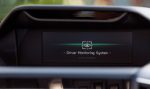
In-Car Cameras Are Now Required in Europe as Driver Monitoring Debate Heads Toward the U.S.

New vehicles sold in the European Union are now required to include advanced driver-distraction warning technology, and for many models that means an interior-facing camera watching the driver. The goal is simple enough: reduce crashes caused by distraction, fatigue, or inattention. The controversy is just as clear. Many drivers are not exactly thrilled about the idea of a camera pointed at their face every time they get behind the wheel.
Driver-attention systems are not new. Plenty of modern vehicles already monitor steering behavior, lane position, eye movement, or head position to determine whether a driver may be tired or distracted. The difference here is that the EU’s advanced driver-distraction warning requirement pushes the technology further into mandatory territory. Rather than a gentle reminder after hours on the road, these systems are designed to actively detect when a driver is looking away, nodding off, or failing to pay attention.
From a safety standpoint, the argument is easy to understand. Distracted driving remains a major problem, and a vehicle that can warn a driver before a dangerous mistake happens could help prevent crashes. The EU is also requiring other safety upgrades, including advanced emergency braking systems that can detect pedestrians and cyclists, expanded safety glass areas to better protect vulnerable road users, and new testing standards for worn tires. On paper, it is all part of a larger push to reduce road deaths.
The privacy concern is where things get complicated. EU rules call for these driver-monitoring systems to operate in a closed loop, meaning the data should stay inside the vehicle rather than being sent to outside servers. That sounds reassuring, but drivers have reason to be skeptical. Automakers have already faced scrutiny for collecting and sharing driving behavior data, including information that could affect insurance rates. Once cameras and monitoring systems become standard, the question becomes not just what they can see, but who can access that information later.
There is also the cost side of the conversation. New vehicles are already more expensive than ever, and every additional mandated system adds hardware, software, testing, and compliance costs. Cameras, sensors, processors, cybersecurity layers, and regulatory validation all have to be paid for somewhere. Even if the technology works as intended, buyers may feel the impact in sticker prices, repair costs, and long-term ownership complexity.
The United States is not there yet, but it is moving in a similar direction. A 2021 federal law requires new vehicles to eventually include technology aimed at preventing impaired driving, though regulators have acknowledged that passive intoxication-detection systems are not yet ready for mass-market use. That may delay widespread cabin-monitoring mandates here, but it probably will not stop them forever.
For now, Europe is giving the rest of the world a preview of where vehicle safety technology is headed. The best version of this future is one where cars genuinely help prevent distracted and impaired driving while protecting personal data with strict safeguards. The worst version is a rolling surveillance device that raises costs and creates new privacy risks. As automakers and regulators continue down this path, the real challenge will be proving that safety does not have to come at the expense of trust.


More Stories
Toyota Recalls Nearly 106,000 Land Cruiser SUVs Over Fuel Leak and Potential Fire Risk
Toyota’s legendary Land Cruiser has built its reputation on durability and reliability, but even one of the toughest SUVs on...
Legendary Mercedes-Benz AMG Hammer Could Make a Comeback as HWA Teases Stunning W124 Revival
Some cars earn legendary status through impressive sales figures, while others become icons simply because they were outrageously fast for...
10 Practical Gifts for Truck Owners Who Work Outdoors
Who actually needs another novelty keychain? For someone whose truck doubles as an office, a toolshed, and a lunchroom, the...
Uzbekistan September 2026: Chevrolet falls to 70.2% share, BYD up to 13.4%
The Chazor Champion is BYD’s best-seller in Uzbekistan. The Uzbek new car market is down -5% year-on-year in September to...
2027 GMC Yukon Invoice Price, Dealer Cost, and What You Should Pay Near You
The 2027 GMC Yukon sits at the upper end of the full-size SUV market, with a lineup that runs from...
2027 Honda Civic Invoice Price, Dealer Cost, and What You Should Pay Near You
The Honda Civic has been America’s best-selling compact car for decades, and the 2027 lineup adds meaningful new content with...