
The Biggest Reliability Concerns for Used EV Buyers

The used EV market has grown up fast. A few years ago, buying a pre-owned electric vehicle felt like a gamble. Today, there’s genuine selection out there, prices have come down considerably, and plenty of early adopters are moving on to newer models, which means more inventory for the rest of us.
That depreciation curve works in your favor as a buyer. A three or four-year-old electric vehicle can represent serious value, especially when you factor in lower running costs and minimal routine maintenance. But used is still used, and electric vehicles come with their own set of considerations that don’t show up on a typical pre-purchase checklist. Knowing where to look before you commit is the difference between a smart buy and an expensive lesson.
Battery Health
No single factor matters more when shopping a used EV than the condition of the battery. It’s where the money is. A degraded pack means shorter range, slower charging, and a vehicle that’s worth considerably less than its asking price. Get this wrong, and no amount of low mileage or clean bodywork makes up for it.
The tricky part is that two cars with identical specs on paper can be in very different shape under the surface. A Chevrolet Bolt that spent three years being fast-charged daily in Phoenix is in a different situation than one that saw mostly Level 2 home charging in Seattle. Charging habits, ambient temperatures, and how often the battery was run down to near-empty all leave a mark over time.
Most EVs can generate a battery health report through a dealer scan or compatible diagnostic tool, and some third-party inspection services now offer this as part of a pre-purchase check. Ask for it. If a seller can’t or won’t provide battery data, that’s worth noting. Range estimates from the listing mean very little without knowing the actual state of health behind them.
Drive Unit and Drivetrain Components
The drive unit is what moves the car. It pairs the electric motor with the reduction gearing that delivers torque to the wheels, and it does this with far fewer moving parts than a conventional powertrain. On paper, that’s a recipe for longevity. In practice, it mostly holds true.
That said, bearings and seals don’t last indefinitely, and higher-mileage examples are worth scrutinizing. A faint whine under acceleration, a vibration that gets worse at speed, or a drivetrain warning in the instrument cluster are all signs that something inside deserves a closer look. These symptoms don’t automatically mean a catastrophic repair, but they shouldn’t be dismissed either.
What’s changed in recent years is that the independent EV repair market has expanded meaningfully. Specialist workshops now have better access to parts and diagnostic tools than they did even a few years ago. Companies such as Smoothbev provide parts and repair solutions for EV drive units, helping workshops and vehicle owners address certain drivetrain issues without automatically replacing the complete unit. For buyers considering a higher-mileage car, it’s worth understanding what a potential repair actually costs before walking away from an otherwise solid deal.
Charging System Issues
Charging is something you do every day with an EV, so it’s worth treating the charging system as seriously as you would the fuel system on a gas car. The charge port, onboard charger, and supporting sensors all have jobs to do, and wear can show up in ways that are inconvenient at best and expensive at worst.
A damaged or worn charge port can result in inconsistent connections that interrupt charging sessions. A failing onboard charger might cut Level 2 speeds significantly or stop working altogether, leaving you dependent on DC fast chargers for a full charge. Neither is a dealbreaker on its own, but both affect the ownership experience immediately.
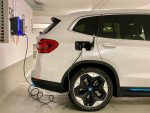
When you look over a used EV, inspect the charge port opening for visible damage, scorch marks, or corrosion. If you can plug in during the visit, do it. Watch the charge session initiate and confirm the connection is solid. It takes two minutes and can tell you more than an hour of conversation with the seller.
Cooling and Thermal Management Systems
Electric vehicles rely on active thermal management to keep the battery operating within its ideal temperature range. This system works quietly in the background to protect pack longevity, maintain consistent performance, and support reliable fast charging. When it’s working well, you’ll never think about it. When it isn’t, the effects show up quickly.
Reduced charging speeds in warm weather, sluggish performance after a highway run, or coolant-related warnings on the dash can all point toward thermal system issues. Some owners also notice the car’s cooling fans running heavily while parked and charging, which can indicate the system is working harder than it should.
If a listing mentions any history of overheating or cooling system repairs, dig into the details. A thermal management problem that was properly diagnosed and fixed is different from one that was patched and ignored. Ask for documentation either way.
Software and Electronics
This is where modern EVs feel genuinely different from anything that came before them. The software layer touches almost everything, from how the battery is managed to how the driver assistance features behave to whether the navigation maps are current. It matters more than it might seem when you’re standing in a parking lot trying to decide if a car is worth your money.
Walk through the infotainment system carefully. Test the backup camera, the parking sensors, the adaptive cruise if it has it. Check that over-the-air update history is intact and that the vehicle is still receiving support from the manufacturer. Some older models have aged out of software updates, which isn’t necessarily a dealbreaker but does mean the car’s feature set is frozen in time.
Persistent software glitches, screens that reboot without warning, or driver aids that activate inconsistently are all worth flagging. Occasionally these issues clear up with an update. Sometimes they don’t.
Service History Matters
A clean service record on an EV looks different from one on a gas car, but it still tells a story. You’re not looking for oil changes. You’re looking for documented software updates, any battery or drive unit work, brake inspections, and records that show the car was attended to rather than ignored.
An owner who has kept records tends to have kept the car. It’s not a guarantee, but it’s a reasonable indicator. Gaps in documentation are worth asking about directly. If a seller can explain them, fine. If they can’t, factor that uncertainty into your offer.
What Buyers Should Look For During a Test Drive
Take the test drive seriously. A used EV can look perfect in photos and still reveal problems the moment you’re behind the wheel.
Find a quiet stretch of road and listen. A healthy EV drivetrain is remarkably smooth and nearly silent at low speeds. Whines, clunks, or grinding sounds that come and go with acceleration or deceleration deserve attention. Feel the steering wheel and seat for vibrations that seem unusual.
Watch for warning lights when you first start the vehicle, and keep an eye on the dash throughout the drive. Test the regenerative braking and make sure the transition between regen and friction braking feels clean and progressive. Check the climate system, the infotainment screen, and the driver aids while you’re at it.
If you can, plug the car in before you leave and watch the first few minutes of a charging session. Confirm the estimated range matches what the seller described. A thorough test drive on a used EV takes a little longer than on a gas car, but the extra time is worth it.
Buying Smart in a Growing Market
The used EV market rewards buyers who show up prepared. These are genuinely capable, often low-maintenance vehicles, and the right example bought at the right price can be one of the better used car purchases you’ll make. The ownership costs are real, the driving experience is strong, and a lot of these cars have plenty of miles left in them.
The buyers who walk away happy are generally the ones who asked the right questions, pulled the battery data, and spent time with the car before committing. Do that, and a used electric vehicle stops being a leap of faith and starts being a straightforward decision.


More Stories
Toyota Recalls Nearly 106,000 Land Cruiser SUVs Over Fuel Leak and Potential Fire Risk
Toyota’s legendary Land Cruiser has built its reputation on durability and reliability, but even one of the toughest SUVs on...
Legendary Mercedes-Benz AMG Hammer Could Make a Comeback as HWA Teases Stunning W124 Revival
Some cars earn legendary status through impressive sales figures, while others become icons simply because they were outrageously fast for...
10 Practical Gifts for Truck Owners Who Work Outdoors
Who actually needs another novelty keychain? For someone whose truck doubles as an office, a toolshed, and a lunchroom, the...
Uzbekistan September 2026: Chevrolet falls to 70.2% share, BYD up to 13.4%
The Chazor Champion is BYD’s best-seller in Uzbekistan. The Uzbek new car market is down -5% year-on-year in September to...
2027 GMC Yukon Invoice Price, Dealer Cost, and What You Should Pay Near You
The 2027 GMC Yukon sits at the upper end of the full-size SUV market, with a lineup that runs from...
2027 Honda Civic Invoice Price, Dealer Cost, and What You Should Pay Near You
The Honda Civic has been America’s best-selling compact car for decades, and the 2027 lineup adds meaningful new content with...