
2026 GMC Sierra EV AT4 Max Range Review & Test Drive

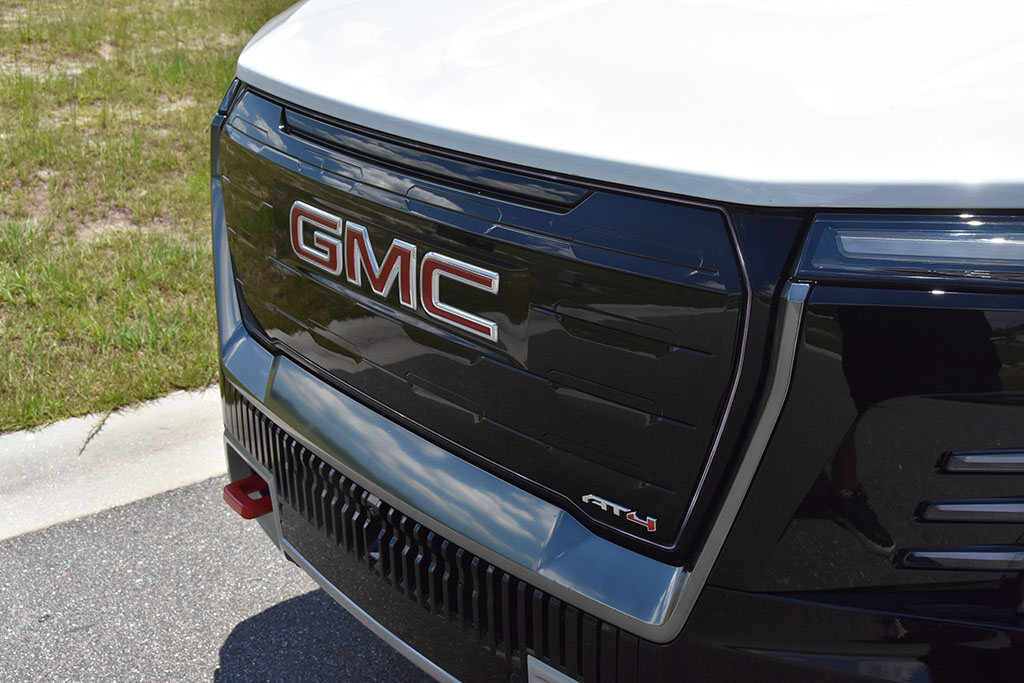
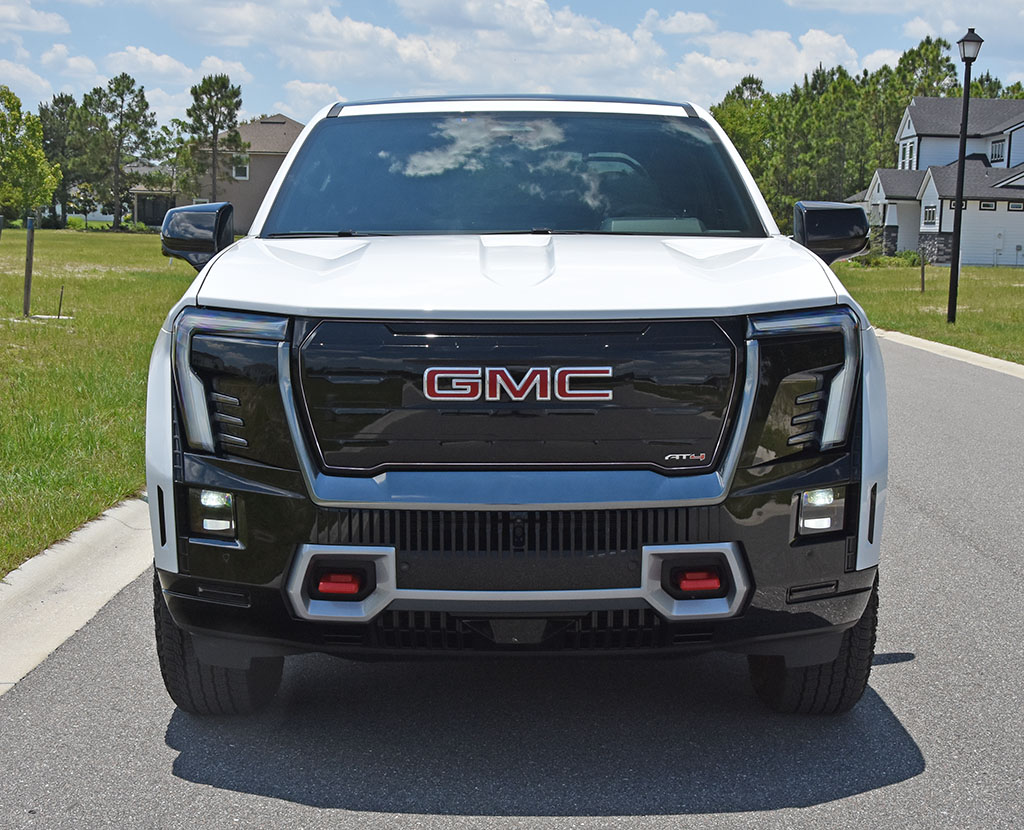
Electric vehicles (EVs) have faced their fair share of criticism, but with gas prices where they are at the current time, EVs seemingly look rather enticing, even though the pricing may not be as encouraging. However, when it comes to electrified pick-up trucks, there are only a few full-sized viable options in the EV world, with them being the Ford F-150 Lightning that’s now meeting its demise, and the Chevrolet Silverado EV, along with its closely related GMC Sierra EV counterpart. Having had a week in the Silverado EV a couple of months ago, it’s rather interesting to get into the GMC Sierra EV AT4 with a nearly matching trim of the Silverado EV Trail Boss.
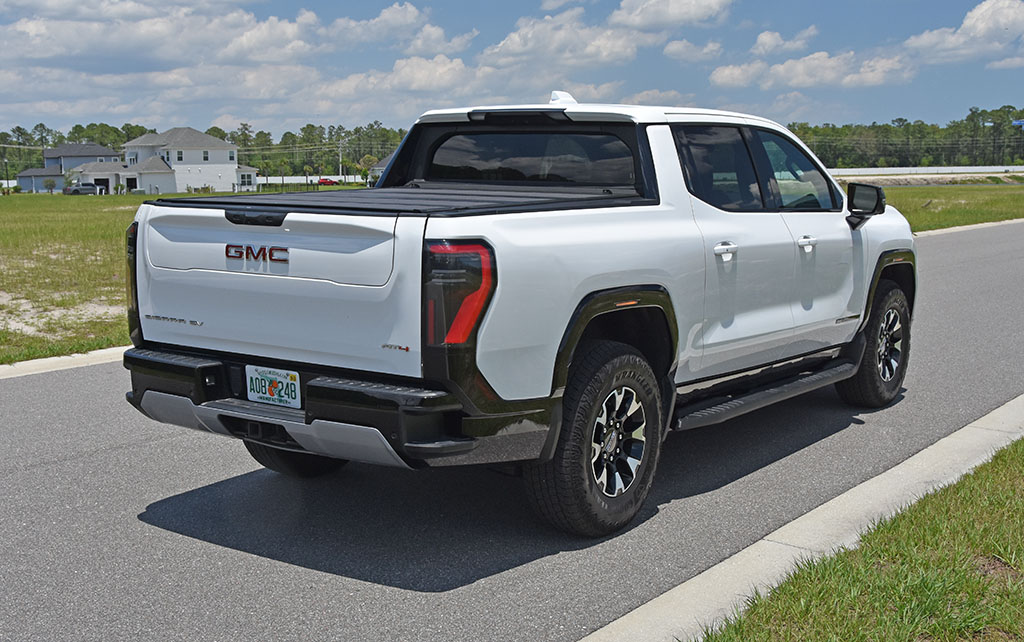
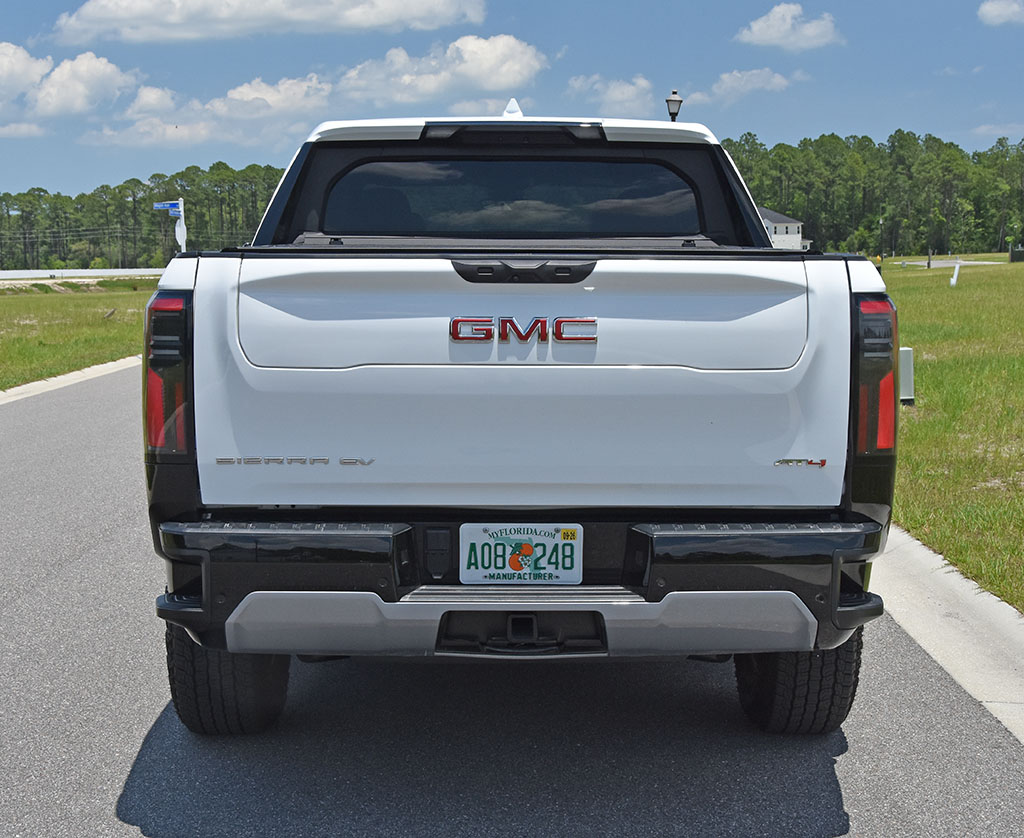
Getting the AT4 off-roading trim in the GMC Sierra EV fundamentally matches up in a nearly identical fashion as the Chevy Silverado EV Trail Boss, which I find very few differences – mostly left to interior pieces, attempting to set the two apart. With such, the electric drivetrain with its dual motor setup, 725 horsepower, and as much as 775 lb-ft of torque when enabling the Sierra EV AT4’s Hammer Mode (Thor’s Hammer), permitting a 0 to 60 mph run in about 4.5 seconds. Using the massive power is all at the mercy of the hefty curb weight that’s just a few hundred pounds shy of 9,000 pounds.
See Also: 2026 Chevrolet Silverado EV Trail Boss Review and Test Drive
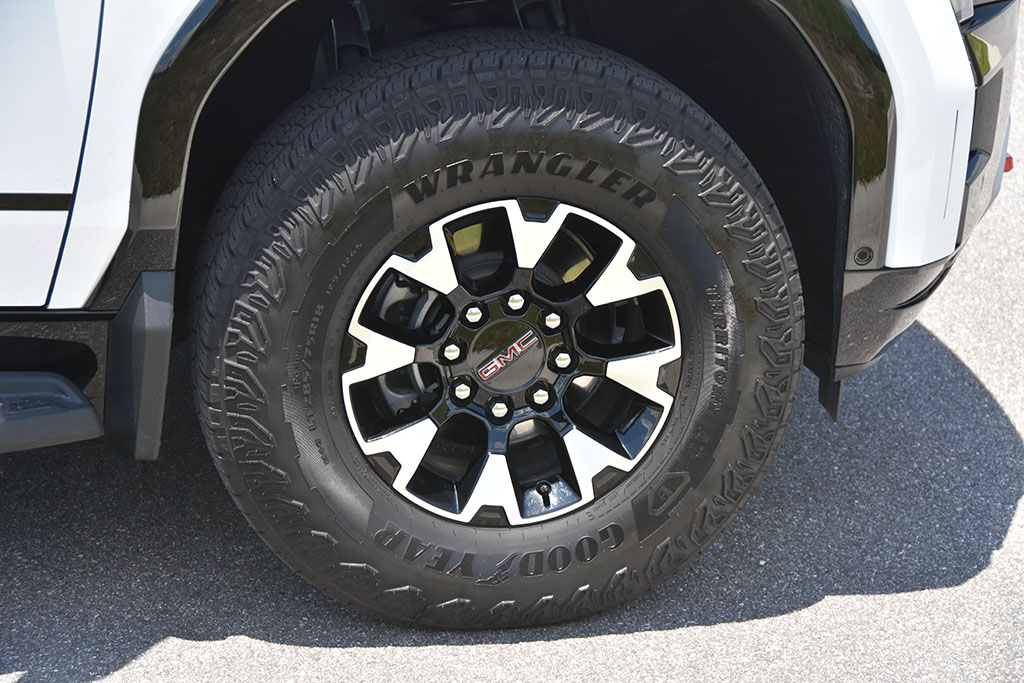
GMC did justice in the trucks, with a somewhat lifted coil suspension that feels up to the task and somewhat smooth over pavement, partly thanks to the beefy 35-inch Goodyear Wrangler Territory all-terrain tires over 18-inch aluminum wheels. Also, the all-wheel steering system that enables the rears to turn as much as 10 degrees aids in virtually shortening the wheelbase for easy maneuvering and also enabling the trick and somewhat novelty crab-walk steering mode. Just like the Chevy Silverado EV Trail Boss, the all-wheel steering feels very natural and never catches you off-guard, even when taking slow, sharp turns.
Overall, the ride quality, the power, the ease of driving ability – it’s all identical to what I found in the Chevy Silverado EV Trail Boss. With that said, there’s a lot to appreciate in the Max Range configuration, having the massive 205 kW battery pack and the ability to charge up to 350 kW using a DC fast charger with the proper capability, adding 130 miles of range in about 15 minutes. The range expectations in matching the EPA figure of 478 miles on a full charge are a legit factor, and it essentially takes away range anxiety, at least for me. Having such a large battery, I didn’t feel the need to charge up often, and when I did, my home 40-amp Level 2 charger sufficed in getting me a full charge overnight, but starting off with about a 40% state of charge. Essentially, an overnight charge is not enough time to charge up the massive battery using my Level 2 charger at a rate of about 9.6 kW. If you have at least a 48-amp setup, the rate may nudge up to as much as 11.5 kW, giving you about 37 miles of range per hour of charging and costing around $36 if you were to fully charge up the battery from a nearly depleted state.
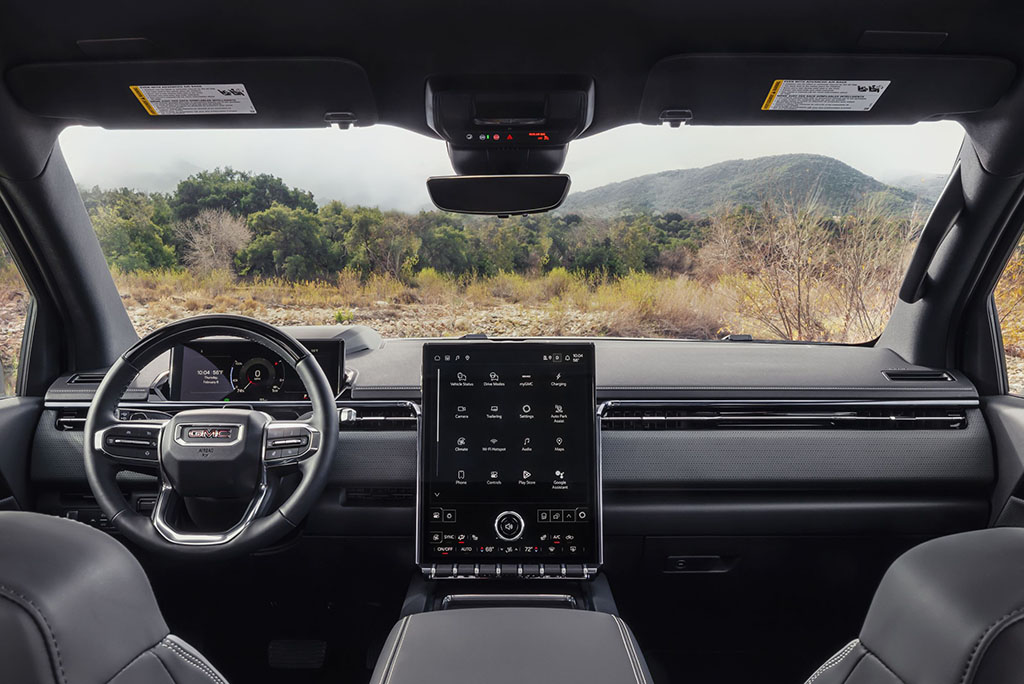
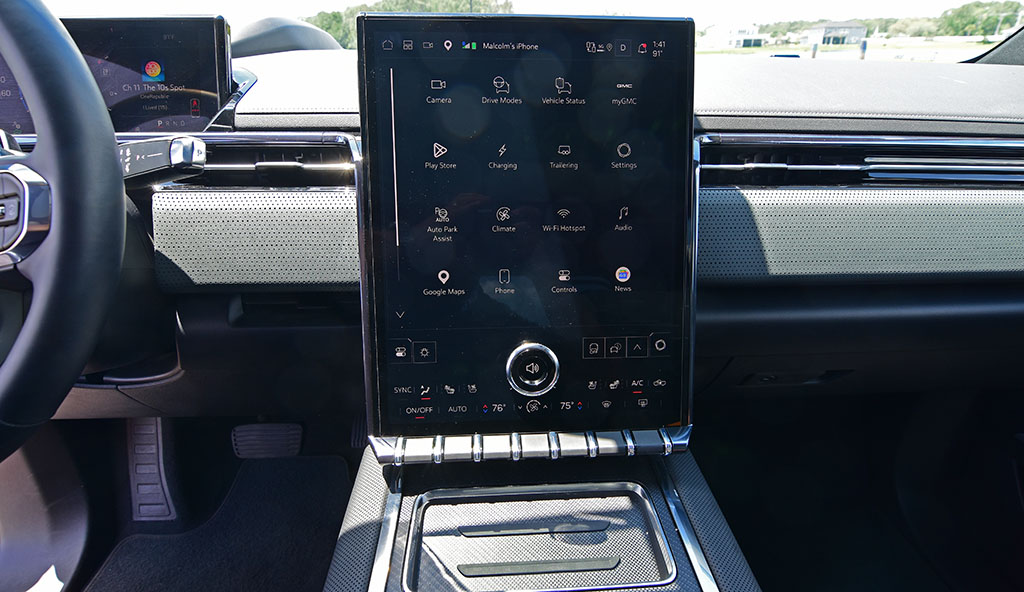
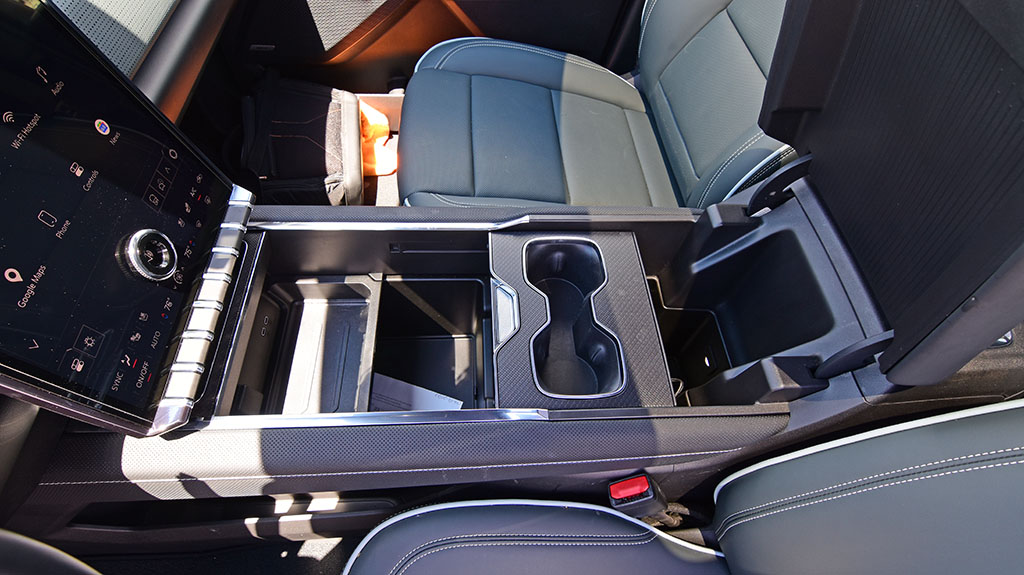
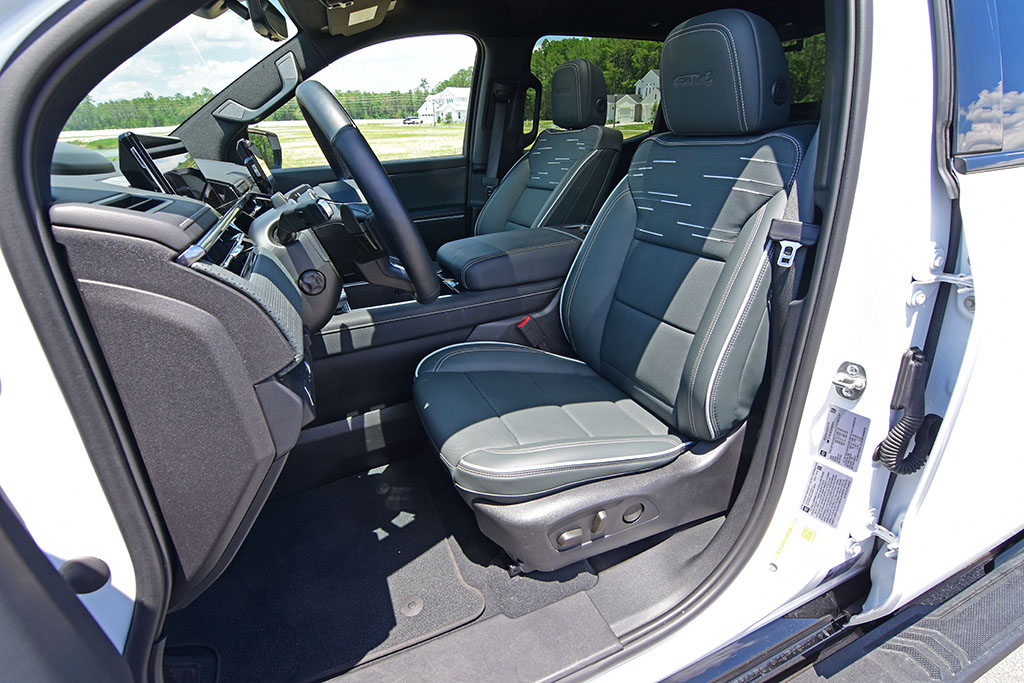
Inside, there’s a lot to take in for a vast cabin that’s mostly comfy and laced with decent tech and many premium touches that you find in Denali trims. The large 16.8-inch diagonal infotainment touchscreen, the major difference found in the GMC Sierra EV over the Chevy Silverado, is quite easy to use and isn’t intimidating with its large size. The only fault that I will continually hammer on is the lack of Apple CarPlay and Android Auto integration, which then becomes a rather cumbersome case for some with an iPhone when you wirelessly sync it up via Bluetooth. However, GM attempts to smooth over things in their decision not to offer the integration in new EVs by serving up native-to-the-system Apple Music along with Google’s suite of functions and apps available through the Google Play store.
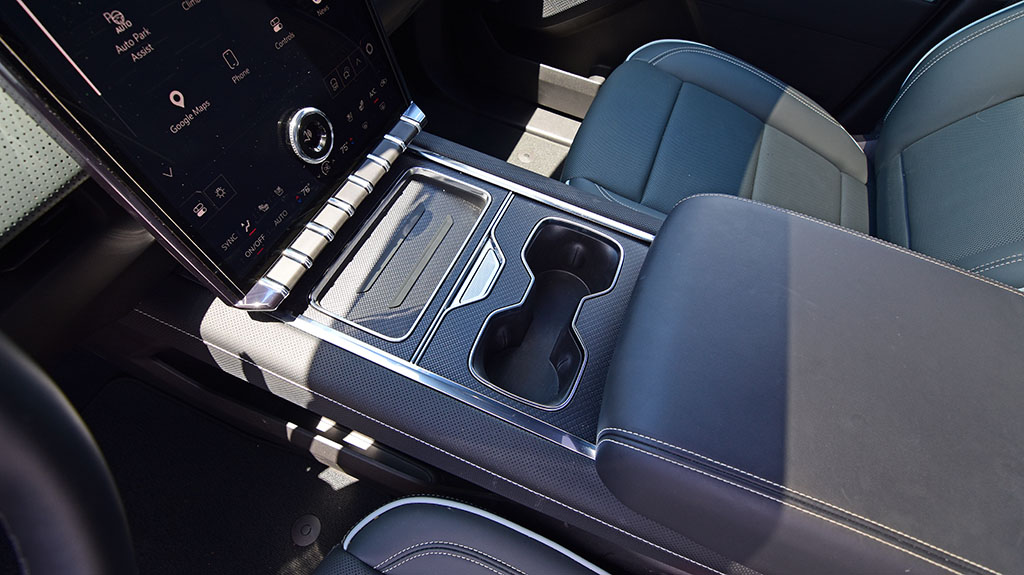
The premium-looking wireless charging pad that’s movable to open up additional storage below is a nice touch, as it doesn’t look like the typical part of a charging pad. One downfall is that it is not actively cooled like you find on virtually every other new GM vehicle with a wireless smartphone charging pad, but you do have split lower vents you can almost aim at your phone to keep it cool when wirelessly charging.
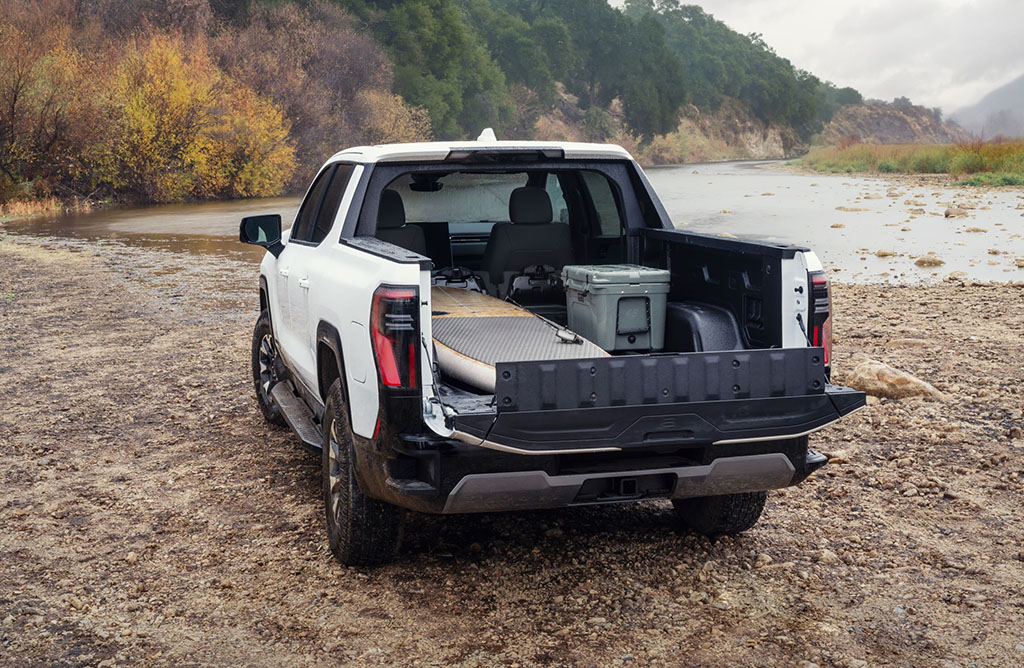
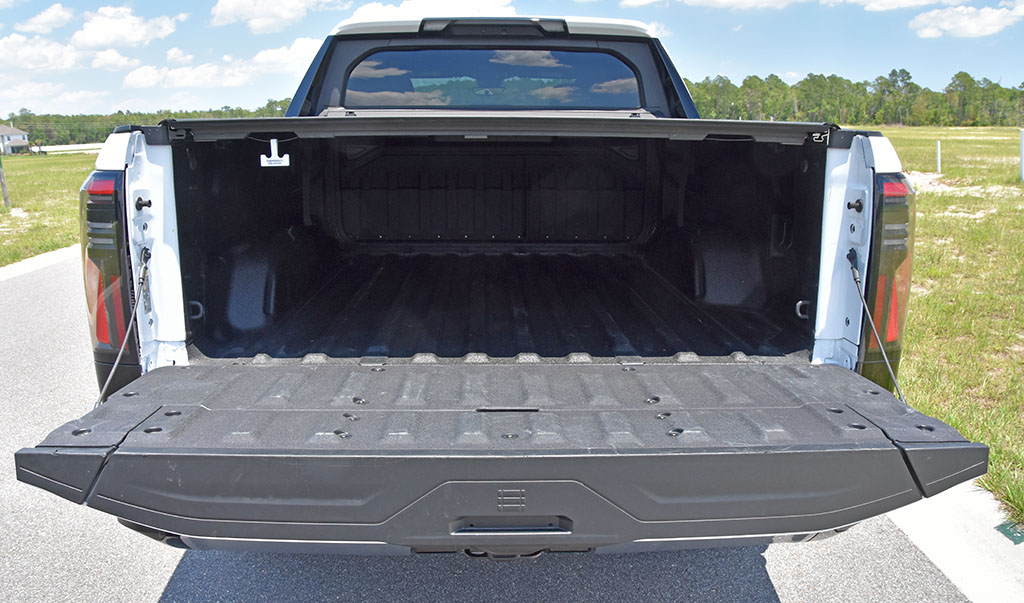
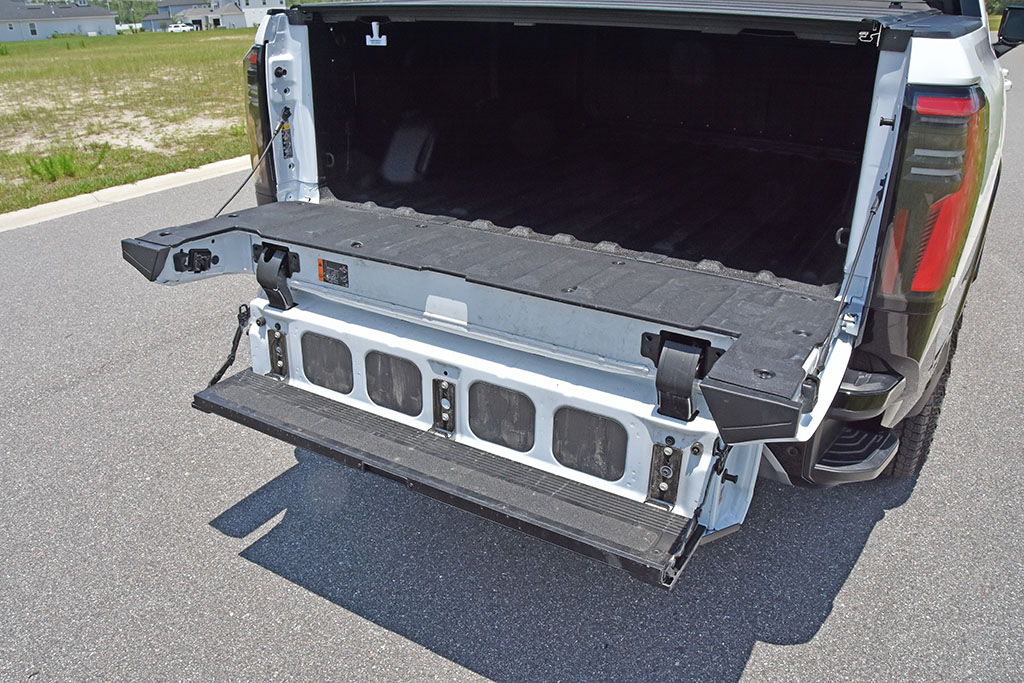
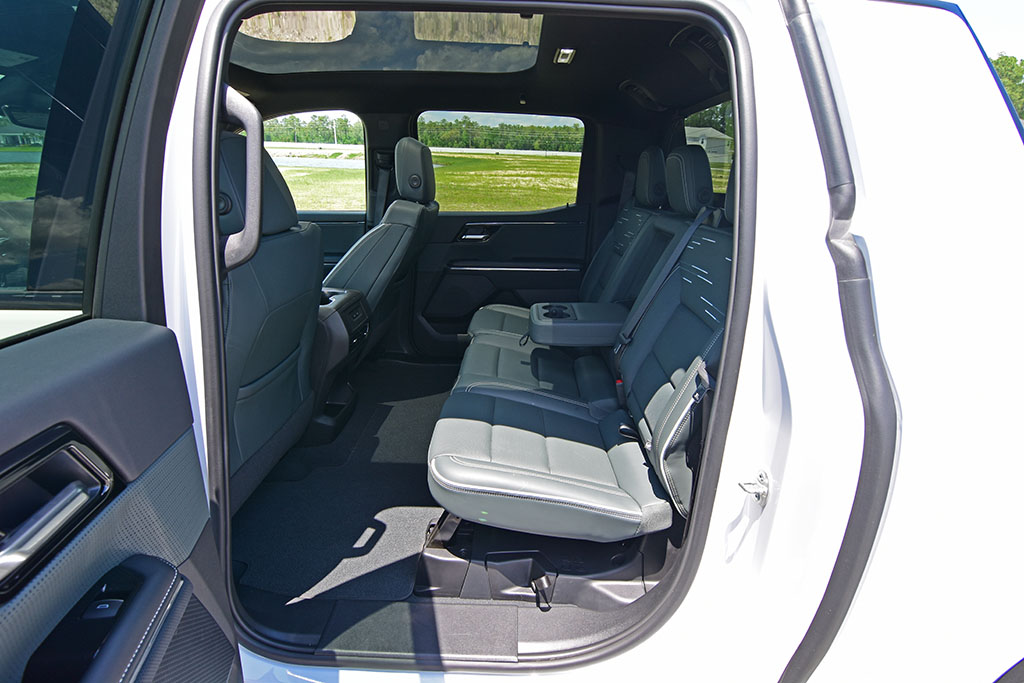
The other special features of the GMC Sierra EV AT4 follow the same path as the Chevy version, having the ability to open up the back of the rear seats with them folded down to allow extra storage space that flows inside the truck’s cabin from the rear bed. Such a feature goes a long way for those who don’t want items hanging far past the multi-function tailgate.
GMC did well with the overall appeal and equipment of the new Sierra EV, even if it follows closely to its not-so-distant Chevy Silverado EV relative. The lines have surely been blurred between the Chevy and GMC brands, which may make the case of choosing either a preference for styling or maybe a dealership experience. Either way, the as-tested price of $93,000 nearly matches that of my Chevy Silverado EV Trail Boss tester, which is a hefty price to pay, but you get a hefty electrified vehicle with a lot to offer for such a price.

More Stories
A Simple Pre-Winter Check for Your Tires and Battery
The first cold morning of the season has a way of finding the weak spots in a car. A tire...
Porsche Mission S Hypercar Teased with 8,000-RPM Redline Ahead of October 15 Reveal
Porsche is preparing to make a serious statement in the world of high-performance automobiles, and its upcoming Mission S hypercar...
Chinese Automaker Geely Coming to Canada in 2027 as New Import Rules Open the Door to Affordable EVs
The North American automotive landscape could be in for a significant shakeup as Chinese automotive giant Geely Auto has officially...
Rivian Goes Ghostbusters for Halloween with Ecto-1 Inspired EVs and Spooky Software Update
Rivian is getting into the Halloween spirit in a big way this year, and fans of the iconic Ghostbusters movies...
Keeping the Ram You Love, Updating the Part You Use Every Day
A favorite vehicle earns its place through use. There are the trips you planned for months, the quick runs for...
Is Your Car Ready for Colorado’s Traction Law?
A clear forecast in Denver can turn into a whiteout at the Eisenhower Tunnel. When that happens, the Colorado Department...