
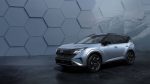
2027 Nissan Rogue Hybrid Debuts with Fresh Styling and e-Power Tech as Nissan Sharpens Its Future Plan

Nissan’s next move in the compact SUV space finally feels like the one many shoppers have been waiting for. The 2027 Rogue has officially broken cover with a cleaner, more modern design, but the real story sits beneath the sheetmetal. This is the model that will introduce Nissan’s e-Power hybrid system to the U.S., giving the Rogue a far more serious shot at the hybrid-heavy part of the segment where the Honda CR-V and Toyota RAV4 have been setting the pace.
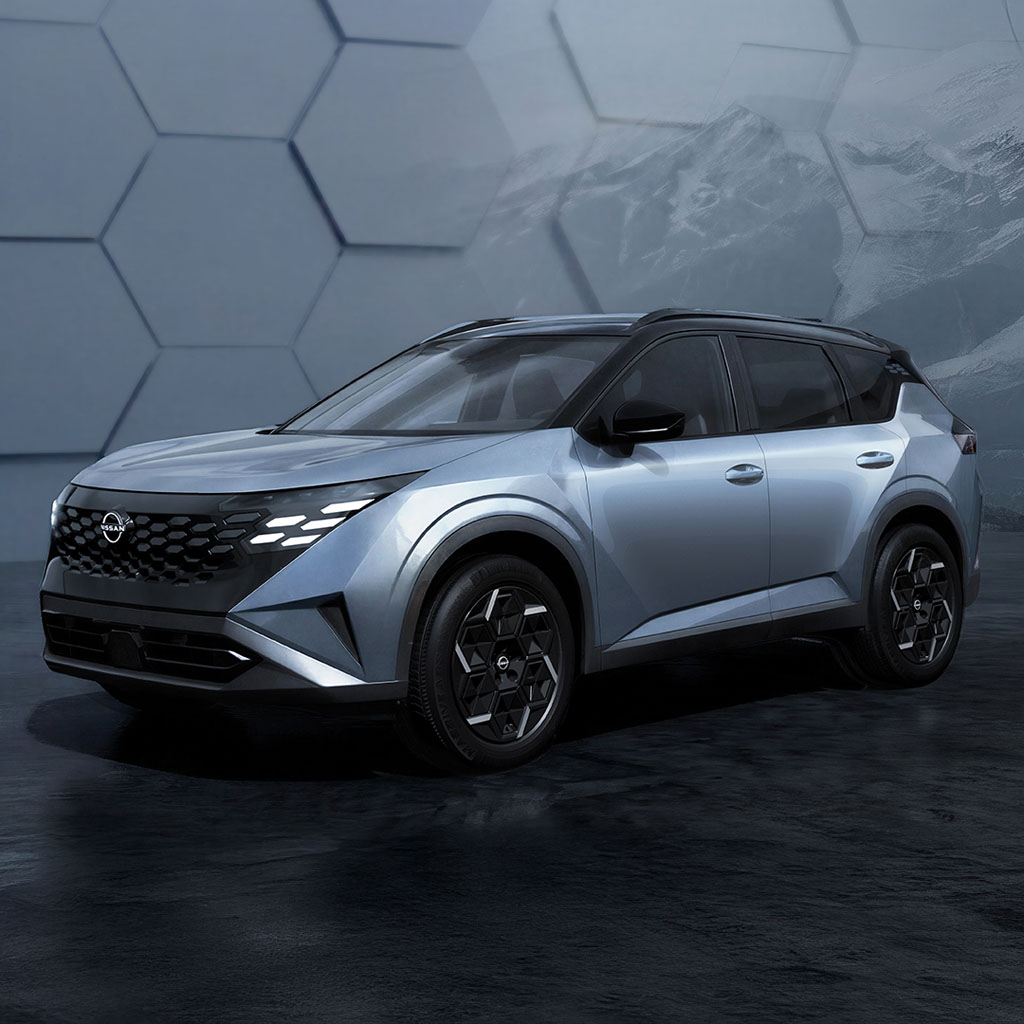
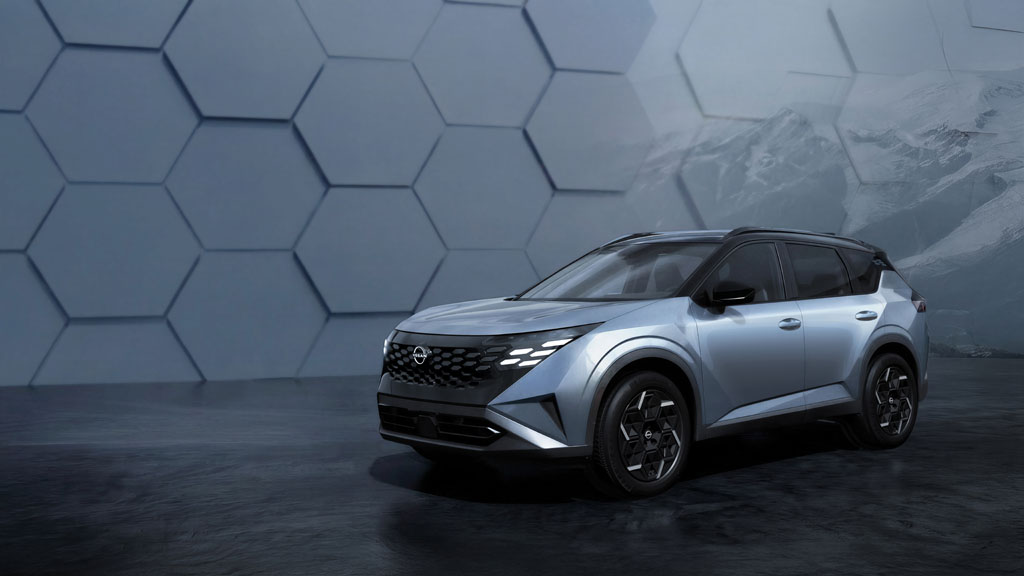
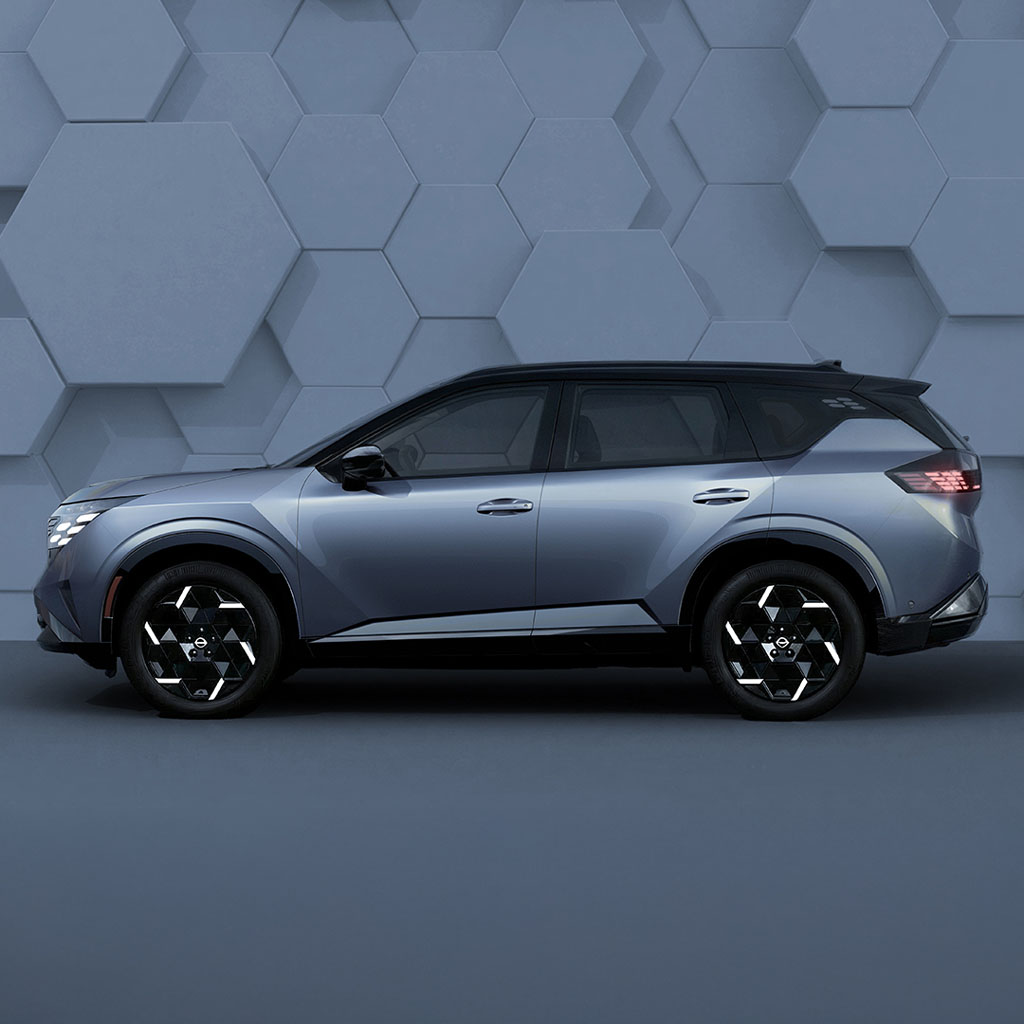
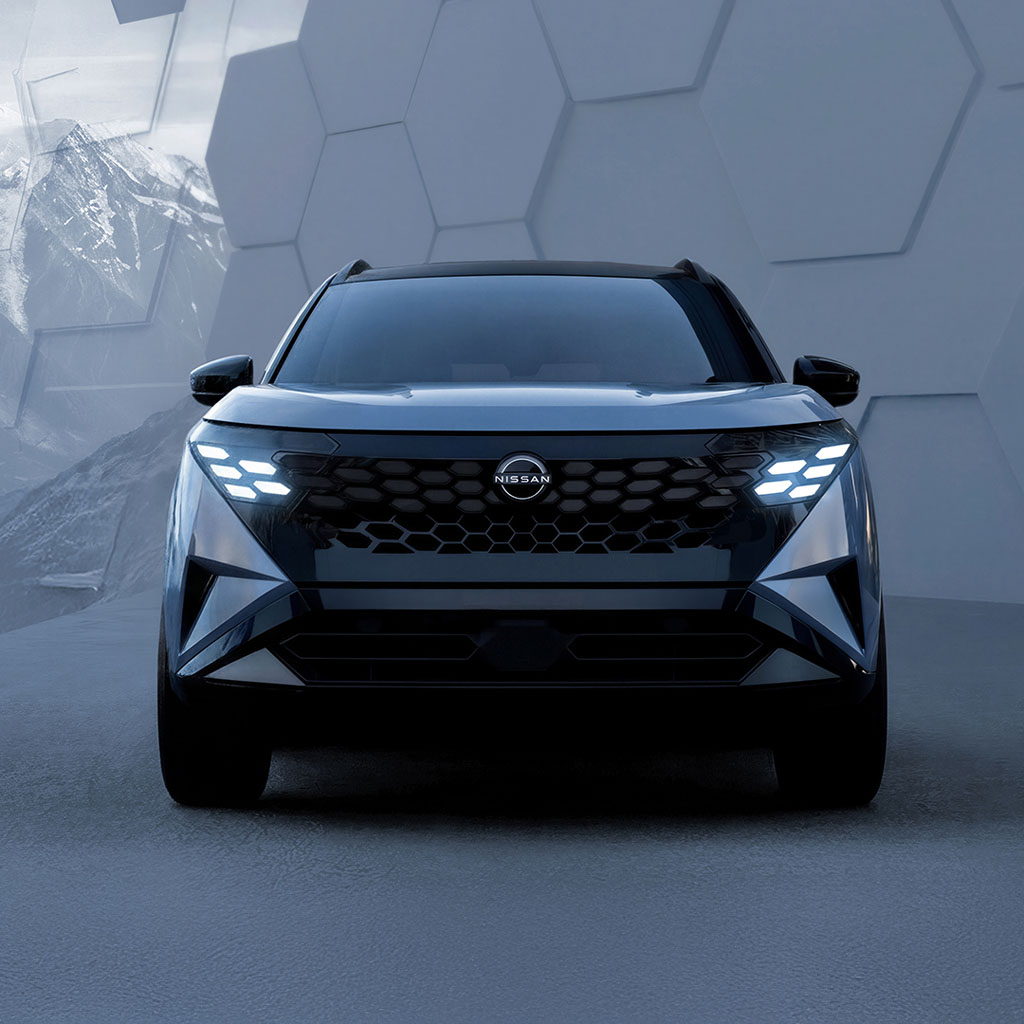
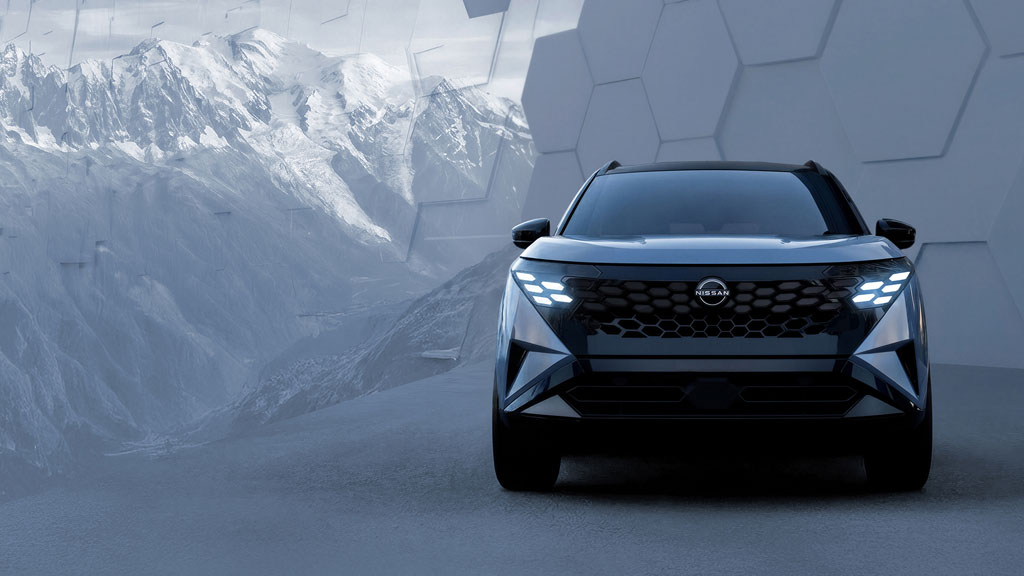
At first glance, the new Rogue does not look like a complete departure from the one we know today, and that may actually work in its favor. The basic shape stays familiar, but the updated front and rear styling give it a more polished and current feel. The grille and headlight treatment appear more detailed and upscale, and the rear design seems to carry a little more visual presence as well. It still looks like a Rogue, just one that has grown up a bit and put more effort into its first impression.
]
What really makes this reveal important is the powertrain. Nissan’s e-Power setup is not a conventional hybrid in the way most buyers think of one. Instead of having the gas engine and electric motor both directly driving the wheels, the engine mainly acts as a generator while the electric motors handle propulsion. That gives the vehicle a driving character that is closer to an EV, especially in the way power comes on smoothly and quietly around town. For a compact SUV that will live most of its life in traffic, parking lots, and school pickup lines, that could end up being a much bigger advantage than raw horsepower bragging rights.
It also sounds like Nissan is making sure the U.S.-spec Rogue Hybrid arrives with the features that matter most to mainstream buyers. The dual-motor all-wheel-drive layout should give it a stronger footing against top rivals, and it should help the Rogue feel more competitive in markets where weather and light adventure matter just as much as fuel economy. Nissan has needed a stronger hybrid answer in this segment for a while now, and this setup finally looks like something developed to compete rather than simply participate.
There is also a bigger strategic layer to this launch. The new Rogue is not just another redesign. It is clearly a cornerstone product in Nissan’s push to regain momentum in the U.S. market. By reportedly leading with the hybrid version first and letting the current gas-only Rogue continue for a period of time, Nissan seems to be balancing innovation with practicality. That is a smart play for a company that still needs showroom traffic but also needs a better response to changing buyer expectations.
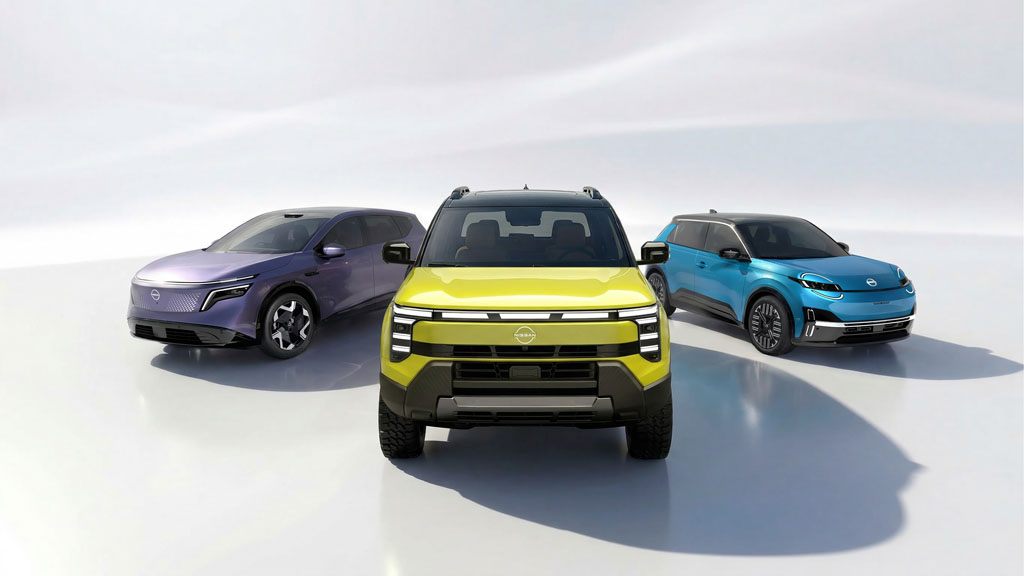
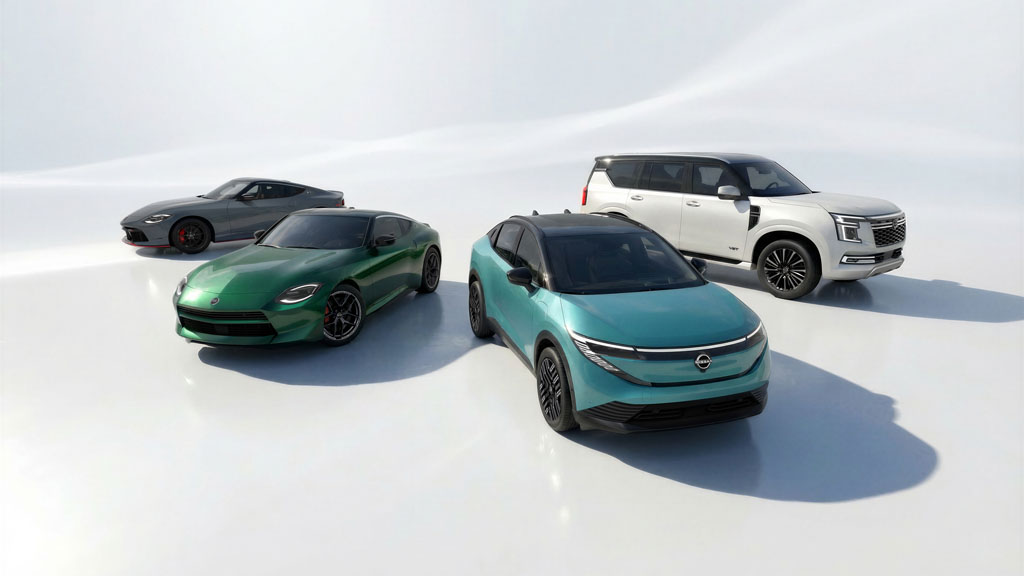
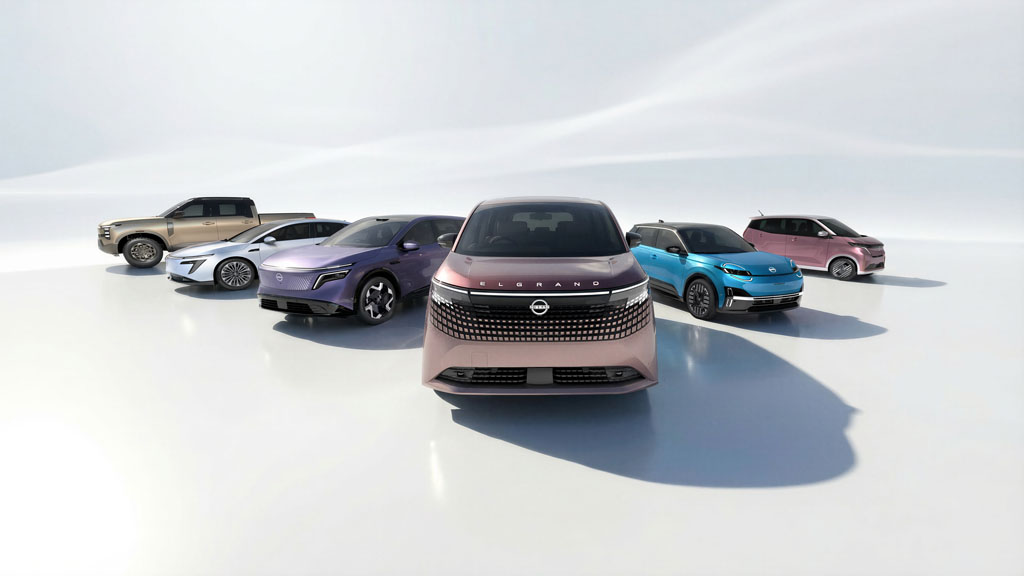
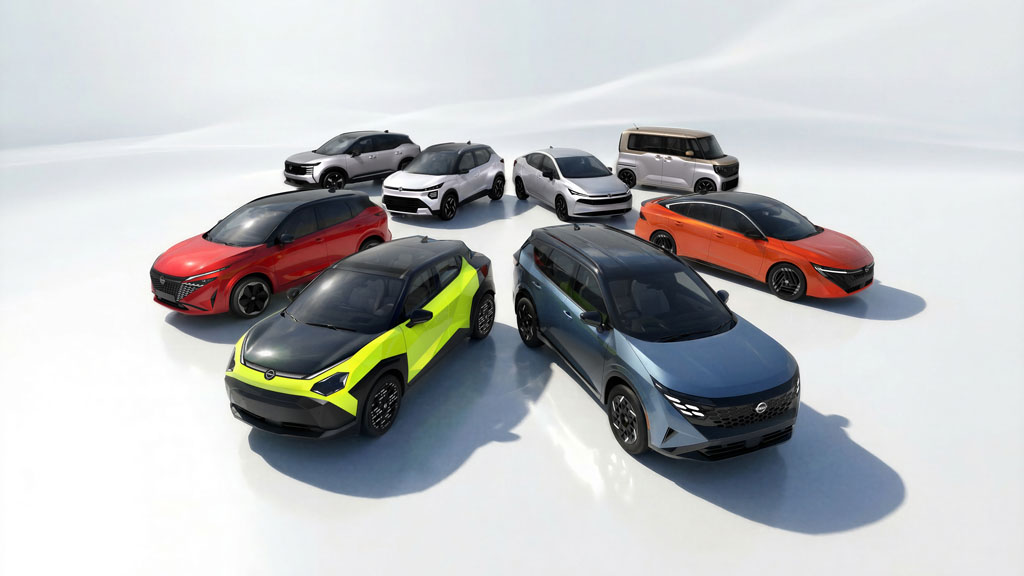
That is where the second part of Nissan’s broader plan starts to matter. The company has made it clear that its future will involve fewer models overall, but with a wider spread of powertrain choices. In simple terms, Nissan wants to stop stretching itself thin across too many nameplates while giving more attention to the vehicles and configurations people actually want. The Rogue fits that plan perfectly because it is one of the brand’s most important products, and giving it a true hybrid identity could help it do more of the heavy lifting.
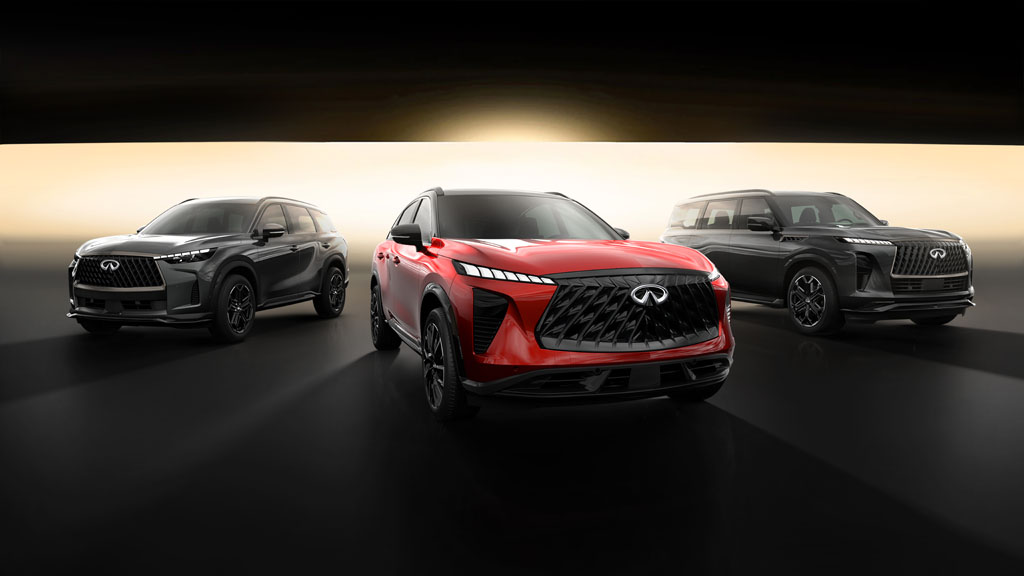
At the same time, Nissan does not appear ready to abandon traditional strengths. The company is still talking about preserving V-6 power in key SUVs and reviving vehicles with more personality, including the Xterra. That tells us Nissan is not going all in on a one-size-fits-all electrification strategy. Instead, it is trying to create a lineup that offers gas, hybrid, plug-in hybrid, and EV choices where each one makes the most sense. For buyers, that could end up being far more appealing than a rushed, all-or-nothing approach.
For now, though, the spotlight belongs to the Rogue. This new generation has a lot riding on it, and from what we have seen so far, Nissan seems to understand that. The updated design is sharp enough, but the e-Power hybrid system is what could truly change the Rogue’s position in the market. If it delivers the smooth, electric-like feel Nissan is promising while also keeping the convenience of a gas-powered vehicle, the 2027 Rogue may finally have the formula it needs to become a much stronger player in one of the industry’s toughest segments.



More Stories
FTL Procurement Strategy: RFP Structuring for Multi-Year Lane Contracts
Freight procurement is often treated as an annual exercise rather than an ongoing process. Yet transportation costs, carrier capacity, fuel...
Best Mirror Dash Cam 2026: Why It’s Time to Upgrade Your Rearview Mirror
If you’ve been driving with the same factory rearview mirror for years, you’re missing out on one of the easiest...
Best 4K Dash Cam 2026: Features, Resolution, and What to Look For
Dash cam footage can only tell you so much, and what it shows depends on what’s visible in the recorded...
Truck Bed Mat Buying Guide: What Actually Protects Your Truck Bed
A truck’s bed takes abuse that few other parts of a vehicle can withstand. Jobsite tools sliding in the bed,...
Nashville Got More Popular and the Roads Got the Bill
Nashville’s growth over the past decade has been the kind of story that shows up constantly in headlines, new residents...
New Renault Trafic E-Tech Can Travel More Than 470 KM – but the Software May Be the Bigger Story
A delivery van with more than 470 km of electric range is useful. A van that can change what it...