
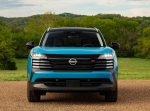
Nissan and Honda Partnership News Coming Soon as Automakers Shift From Merger Talk to Targeted Collaboration

Nissan and Honda may not be headed for a merger, but the two Japanese automakers are still talking. Nissan CEO Iván Espinosa recently said the companies are having “constructive” discussions centered on specific projects rather than corporate integration. That is a meaningful shift from the failed $60 billion merger effort that collapsed in early 2025, when talks unraveled after Honda proposed a structure that would have made Nissan a subsidiary rather than an equal partner.
According to Espinosa, the current conversations are focused on practical areas where both companies could benefit. One major topic is U.S. manufacturing capacity, as both automakers look for ways to strengthen local production at a time when tariffs, supply chains, and regional sourcing are reshaping the industry. That alone could make cooperation more attractive, especially if shared capacity or coordinated product planning helps both brands respond faster to market demands.
The second area centers on electric vehicle hardware and software. Like nearly every global automaker, Nissan and Honda are under pressure to reduce development costs while keeping pace with faster-moving EV rivals from China, Tesla, Hyundai, and others. Espinosa also pointed to hybrid battery supply in the United States as another possible area of collaboration, which makes sense as hybrid demand continues to grow and many buyers remain hesitant to go fully electric.
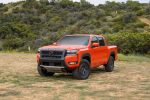
The tone is very different from last year’s failed merger drama. Nissan has been working through a restructuring plan under Espinosa, while also trying to rebuild momentum in the U.S. with stronger sales and a renewed product push. That includes plans for more enthusiast-focused models, a stronger Rogue hybrid strategy, and the expected return of the Xterra SUV. Honda, meanwhile, has its own challenges as it balances EV costs, hybrid demand, and the need to stay competitive in software-defined vehicles.
What comes next is still unclear. Espinosa suggested news could arrive soon, but that could mean anything from a formal agreement to another joint announcement outlining future cooperation. Either way, the message is clear: Nissan and Honda are not reviving the merger, but they are not walking away from each other either. In today’s auto industry, where battery costs, software development, and manufacturing flexibility can make or break a brand’s future, a targeted partnership may be the smarter move.

More Stories
Toyota Recalls Nearly 106,000 Land Cruiser SUVs Over Fuel Leak and Potential Fire Risk
Toyota’s legendary Land Cruiser has built its reputation on durability and reliability, but even one of the toughest SUVs on...
Legendary Mercedes-Benz AMG Hammer Could Make a Comeback as HWA Teases Stunning W124 Revival
Some cars earn legendary status through impressive sales figures, while others become icons simply because they were outrageously fast for...
10 Practical Gifts for Truck Owners Who Work Outdoors
Who actually needs another novelty keychain? For someone whose truck doubles as an office, a toolshed, and a lunchroom, the...
Uzbekistan September 2026: Chevrolet falls to 70.2% share, BYD up to 13.4%
The Chazor Champion is BYD’s best-seller in Uzbekistan. The Uzbek new car market is down -5% year-on-year in September to...
2027 GMC Yukon Invoice Price, Dealer Cost, and What You Should Pay Near You
The 2027 GMC Yukon sits at the upper end of the full-size SUV market, with a lineup that runs from...
2027 Honda Civic Invoice Price, Dealer Cost, and What You Should Pay Near You
The Honda Civic has been America’s best-selling compact car for decades, and the 2027 lineup adds meaningful new content with...