
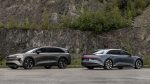
Lucid Cuts Production and 18 Percent of U.S. Workforce as EV Startup Faces Another Reality Check

Lucid is entering another difficult stretch as the luxury EV maker moves to cut 18 percent of its U.S. workforce and scale back production at its Casa Grande, Arizona, factory. The latest restructuring, reported by Reuters, Business Insider, and Car and Driver, marks the company’s second significant round of layoffs this year after a 12 percent reduction in February. The cuts will affect full-time employees, contractors, and hourly production workers as Lucid works to reduce costs and better align output with demand.
The move also includes the elimination of the second production shift at Lucid’s AMP-1 plant, where the Air sedan and Gravity SUV are built. Lucid says the broader plan is expected to generate roughly $158 million in annual savings, although the company will take about $32 million in related charges tied mostly to severance and employee transition costs. That is a pretty stark adjustment for a company that has spent years positioning itself as one of the most technically impressive EV startups in the market.
Leadership changes are adding to the sense of transition. Former CEO Peter Rawlinson stepped down earlier this year, and Marc Winterhoff, who served as chief operating officer and briefly as interim CEO, has now left the company. Lucid is also eliminating the COO role altogether, signaling a flatter and leaner structure under its current leadership. Reports have also pointed to recent departures among senior engineering talent, including executives tied to powertrain development and future vehicle platforms.
The timing is especially important because Lucid is still trying to broaden its appeal beyond the high-end Air sedan. The Gravity SUV is now part of the lineup, but the real volume play is expected to come from the upcoming Cosmos, a smaller SUV aimed more directly at vehicles like the Tesla Model Y. Lucid is expected to reveal the Cosmos this summer, with a projected starting price under $50,000, a targeted drag coefficient of 0.22, and more than 300 miles of range. If Lucid can bring that formula to market successfully, it could finally give the brand a product with wider reach.
For now, though, Lucid’s challenge is clear. The company has standout engineering, sharp design, and some of the most efficient EV technology on the road, but turning that into sustainable volume and profitability remains the hard part. Cutting staff and slowing production are painful steps, but they may be necessary as Lucid tries to preserve cash, reduce inventory pressure, and prepare for the vehicles that could define its next chapter.


More Stories
Toyota Recalls Nearly 106,000 Land Cruiser SUVs Over Fuel Leak and Potential Fire Risk
Toyota’s legendary Land Cruiser has built its reputation on durability and reliability, but even one of the toughest SUVs on...
Legendary Mercedes-Benz AMG Hammer Could Make a Comeback as HWA Teases Stunning W124 Revival
Some cars earn legendary status through impressive sales figures, while others become icons simply because they were outrageously fast for...
10 Practical Gifts for Truck Owners Who Work Outdoors
Who actually needs another novelty keychain? For someone whose truck doubles as an office, a toolshed, and a lunchroom, the...
Uzbekistan September 2026: Chevrolet falls to 70.2% share, BYD up to 13.4%
The Chazor Champion is BYD’s best-seller in Uzbekistan. The Uzbek new car market is down -5% year-on-year in September to...
2027 GMC Yukon Invoice Price, Dealer Cost, and What You Should Pay Near You
The 2027 GMC Yukon sits at the upper end of the full-size SUV market, with a lineup that runs from...
2027 Honda Civic Invoice Price, Dealer Cost, and What You Should Pay Near You
The Honda Civic has been America’s best-selling compact car for decades, and the 2027 lineup adds meaningful new content with...