
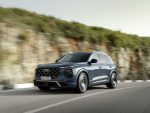
2027 Audi Q7 Debuts with 429 HP V6 While New SQ7 Unleashes a 591-HP Twin-Turbo V8

The Audi Q7 has long been a cornerstone of the luxury three-row SUV segment, balancing premium comfort, family-friendly practicality, and refined driving manners. Now, Audi is pulling the wraps off the third-generation 2027 Q7 and its high-performance SQ7 sibling, bringing a substantial increase in power, fresh technology, and a bold new design that keeps the successful formula intact while pushing it further into the future.
At first glance, the new Q7 looks familiar, but Audi has carefully refined its proportions and styling. The wheelbase remains unchanged at 118 inches, while overall dimensions grow slightly, including a taller roofline that should pay dividends for passenger comfort and interior space. Larger wheel options also enhance its road presence, with the standard Q7 offering wheels up to 22 inches and the performance-focused SQ7 stretching that figure to an impressive 23 inches.
One of the most significant advancements comes in the form of lighting technology. Audi has made exterior illumination a centerpiece of the redesign, introducing Digital Matrix LED headlights for the U.S. market. These advanced headlights can selectively dim individual LEDs to avoid blinding oncoming drivers while allowing maximum visibility for the person behind the wheel. The system is joined by projected turn signals that shine onto the road surface, adding another layer of visibility for pedestrians and cyclists. Customizable OLED taillights, selectable daytime running light signatures, and an illuminated grille further reinforce the Q7’s high-tech appeal.
Inside, Audi has focused on flexibility and luxury. Buyers can now choose between a traditional second-row bench seat or available captain’s chairs, making the Q7 more adaptable to different lifestyles. The third row remains standard equipment, and cargo capacity increases across the board. With both rear rows folded, the Q7 now offers up to 78 cubic feet of cargo space. Premium touches are everywhere, including expanded ambient lighting, a panoramic glass roof with dimmable sections, and available sport seats featuring illuminated accents beneath the headrests.
Technology takes center stage in the cabin as well. A sweeping curved OLED display combines the digital instrument cluster and central infotainment screen into one cohesive unit. A dedicated front passenger display comes standard, while an available head-up display adds another layer of convenience. Audi also integrates a built-in dashcam system on upper trims and the SQ7. While some drivers may question the decision to move climate vent controls into the touchscreen interface, the overall cabin remains packed with modern conveniences, including dual wireless charging pads and an available Bang & Olufsen audio system that uses seat-mounted exciters to create an immersive listening experience.
Under the hood, Audi has dramatically upgraded performance. The outgoing four-cylinder engine has been retired in favor of a turbocharged 2.9-liter V6 that now serves as the standard powerplant. Producing 429 horsepower and 442 pound-feet of torque, the new engine represents a major leap forward compared to previous Q7 offerings. Power is routed through an eight-speed automatic transmission and Audi’s standard quattro all-wheel-drive system, helping the Q7 sprint to 60 mph in an estimated 4.8 seconds.
The SQ7 raises the stakes even higher. Audi’s twin-turbocharged 4.0-liter V8 returns with a substantial bump in output, now delivering 591 horsepower and 590 pound-feet of torque. That extra muscle translates into a claimed 0-to-60 mph time of just 3.7 seconds, making the large luxury SUV genuinely quick by sports car standards. Practicality hasn’t been sacrificed, either. Both the Q7 and SQ7 maintain a towing capacity of up to 7,700 pounds and feature available trailer-assistance technologies designed to make maneuvering with a trailer less stressful.
To complement the added power, Audi continues to offer adaptive air suspension and available four-wheel steering. The SQ7 gains an available Sport air suspension setup that lowers ride height for a more aggressive stance and sharper handling. Pricing has yet to be announced, but with the current Q7 lineup starting at $63,295 and the outgoing SQ7 beginning at $95,095, buyers can expect the new generation to remain firmly positioned in the premium luxury SUV space. Scheduled to arrive at U.S. dealerships later this year, the 2027 Audi Q7 and SQ7 appear well-equipped to continue their reign as two of the most compelling three-row luxury SUVs on the market.




More Stories
Toyota Recalls Nearly 106,000 Land Cruiser SUVs Over Fuel Leak and Potential Fire Risk
Toyota’s legendary Land Cruiser has built its reputation on durability and reliability, but even one of the toughest SUVs on...
Legendary Mercedes-Benz AMG Hammer Could Make a Comeback as HWA Teases Stunning W124 Revival
Some cars earn legendary status through impressive sales figures, while others become icons simply because they were outrageously fast for...
10 Practical Gifts for Truck Owners Who Work Outdoors
Who actually needs another novelty keychain? For someone whose truck doubles as an office, a toolshed, and a lunchroom, the...
Uzbekistan September 2026: Chevrolet falls to 70.2% share, BYD up to 13.4%
The Chazor Champion is BYD’s best-seller in Uzbekistan. The Uzbek new car market is down -5% year-on-year in September to...
2027 GMC Yukon Invoice Price, Dealer Cost, and What You Should Pay Near You
The 2027 GMC Yukon sits at the upper end of the full-size SUV market, with a lineup that runs from...
2027 Honda Civic Invoice Price, Dealer Cost, and What You Should Pay Near You
The Honda Civic has been America’s best-selling compact car for decades, and the 2027 lineup adds meaningful new content with...