
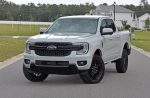
2026 Ford Ranger Lariat 4×4 FX4 Off-Road Review & Test Drive

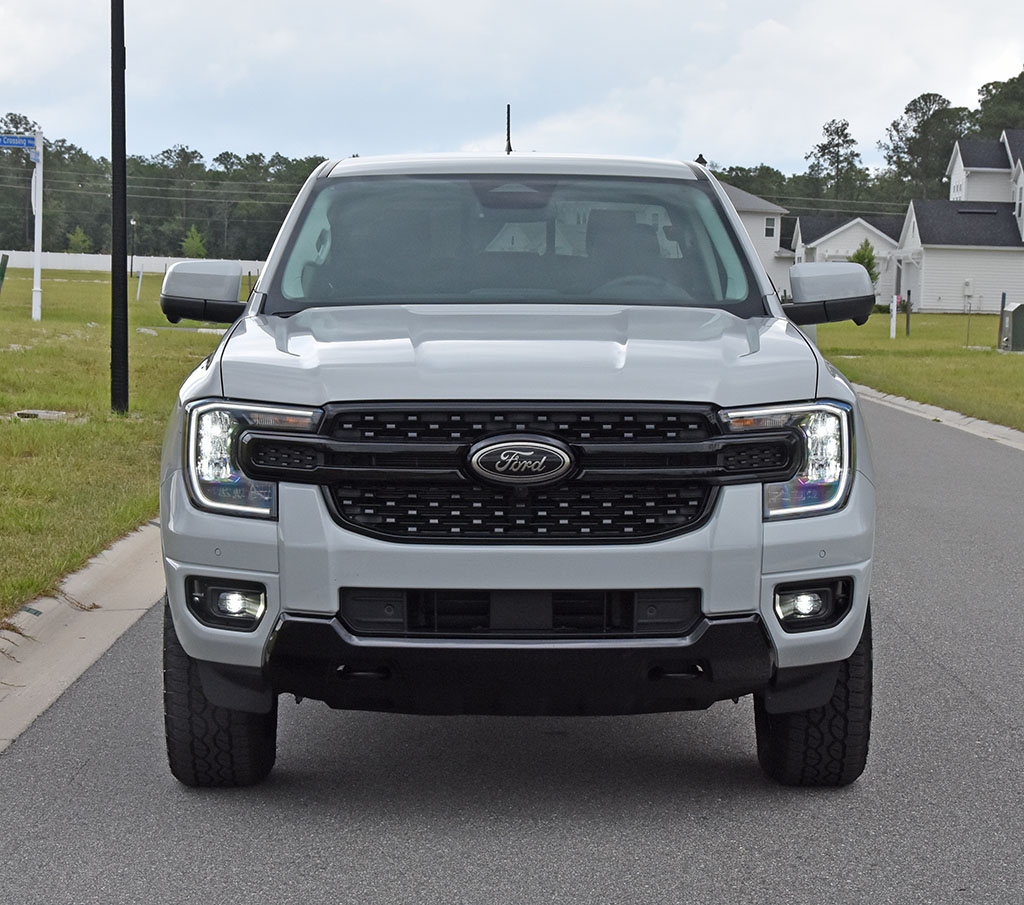
The Ford Ranger has, in a way, made a sneaky climb into the mid-sized truck segment to be a formidable competitor among the likes of the Toyota Tacoma, Chevy Colorado, and GMC Canyon. Within the rather small spread of mid-sized trucks, the new Ranger, after receiving a welcomed update for the 2024 model year, finds itself often cross-shopped among full-size trucks – and that’s usually a good thing.
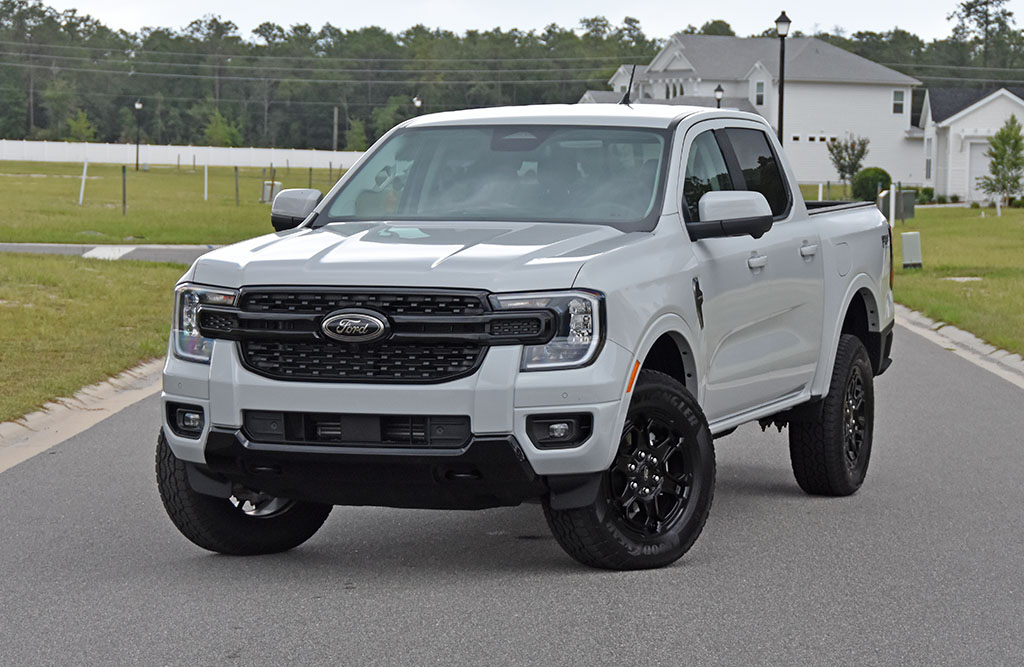
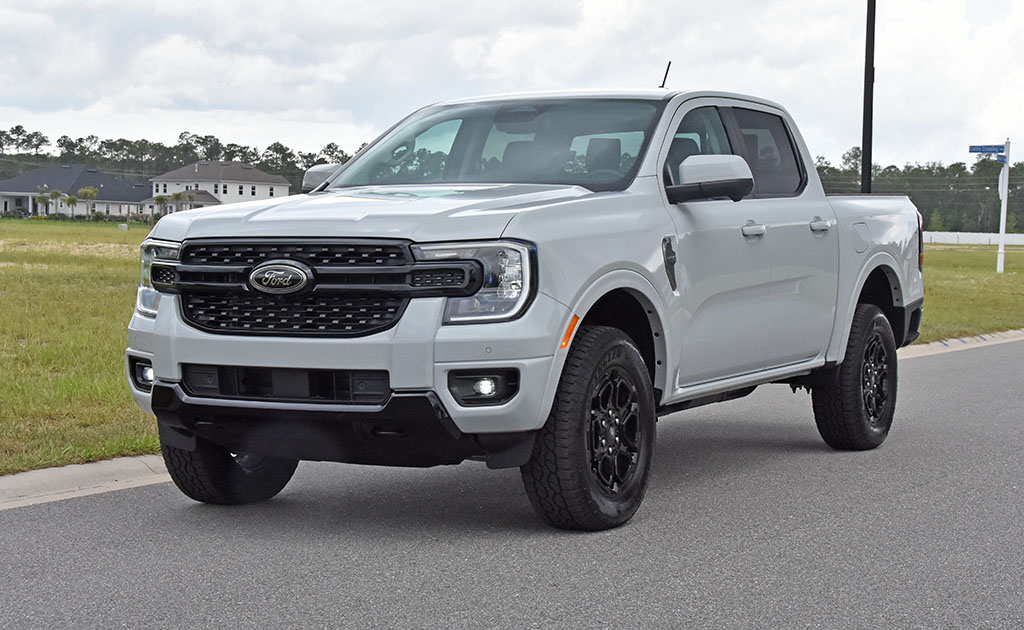
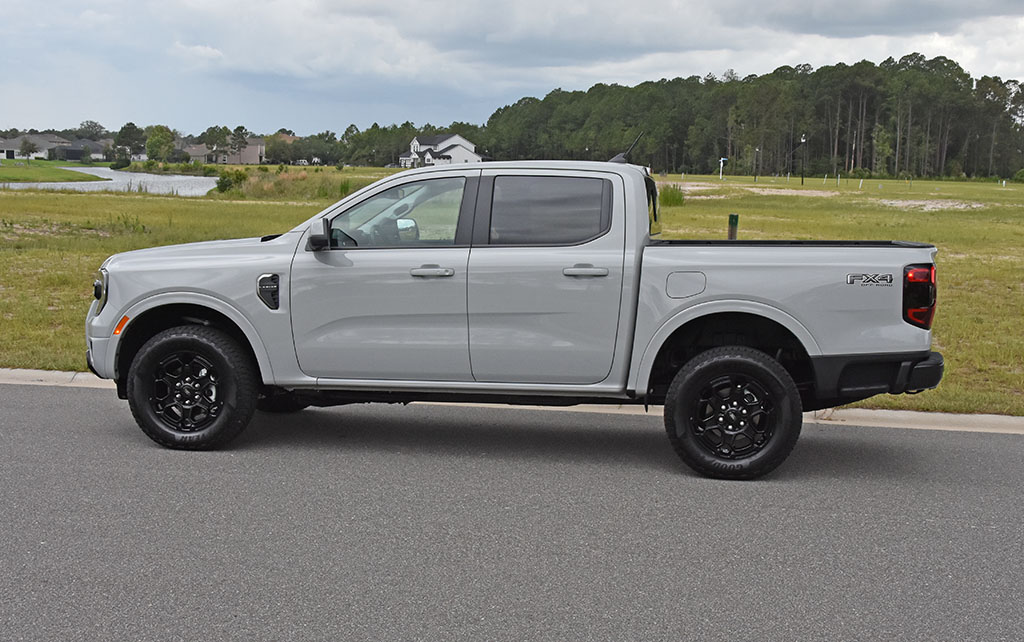
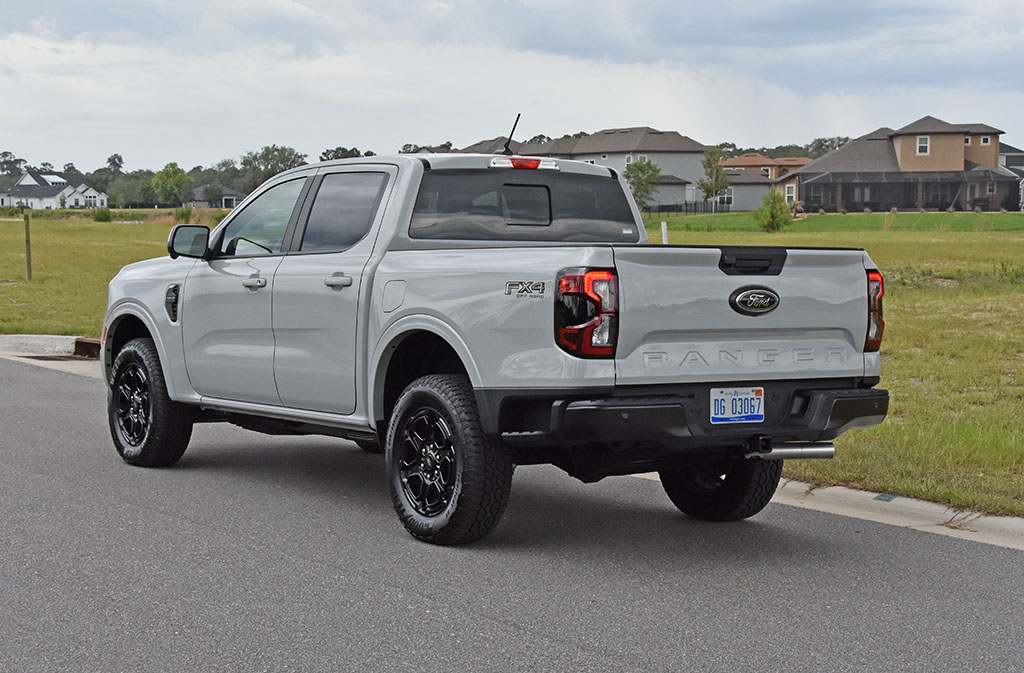
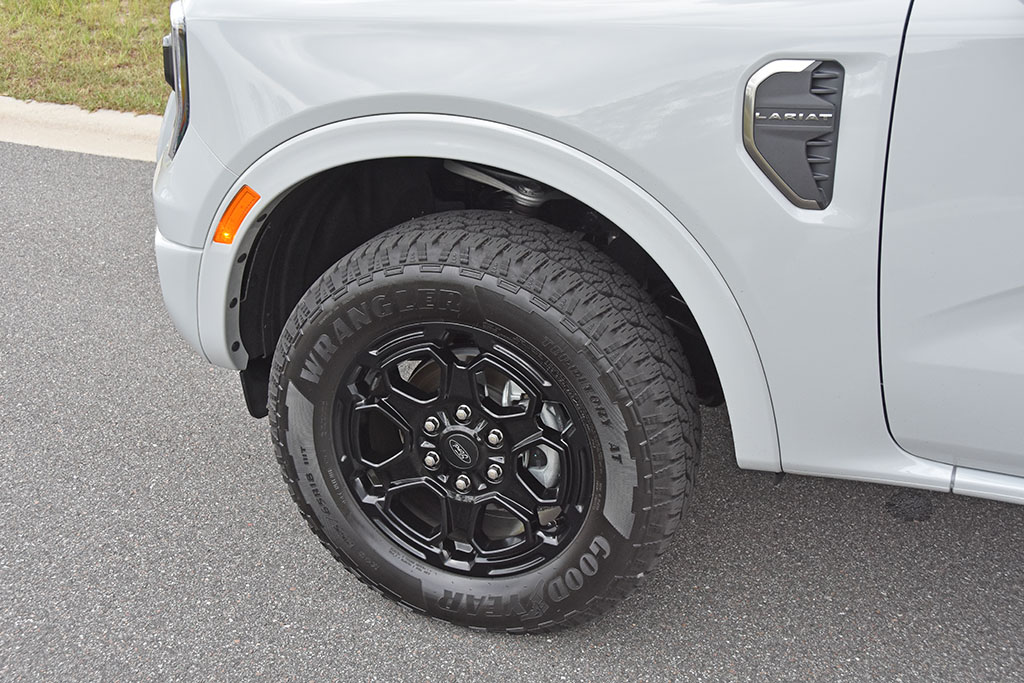
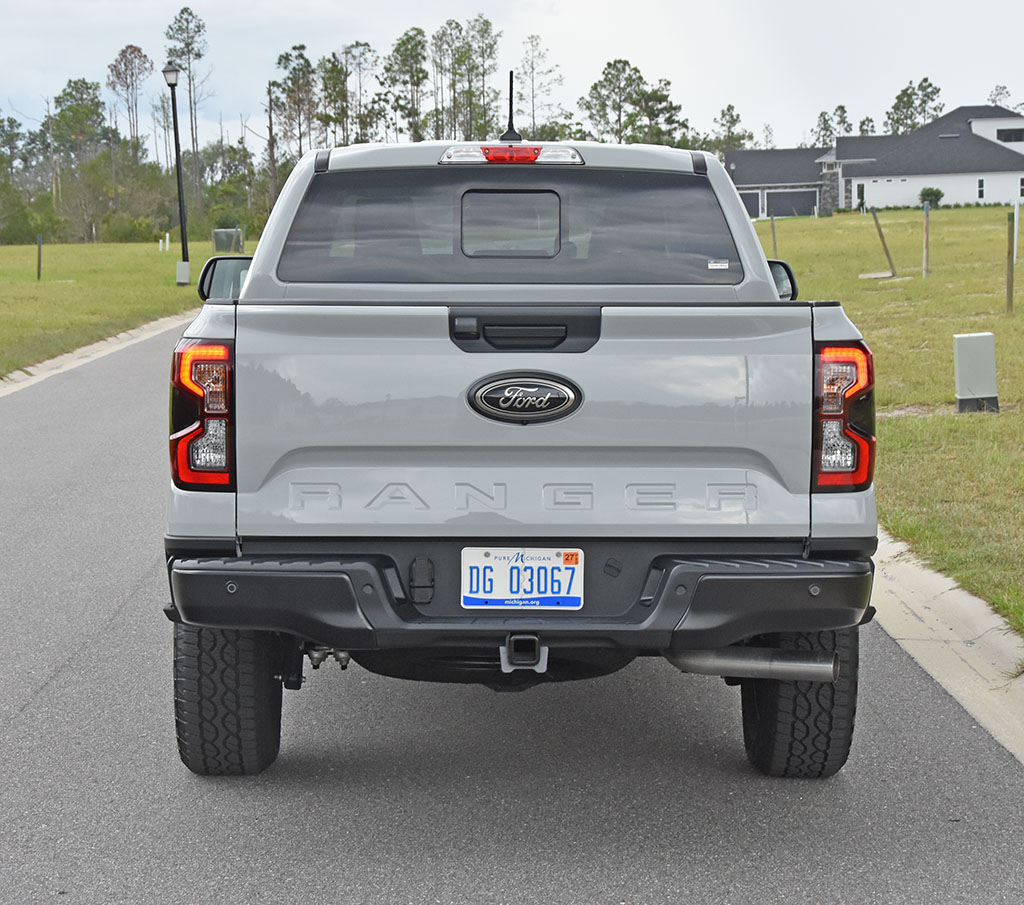
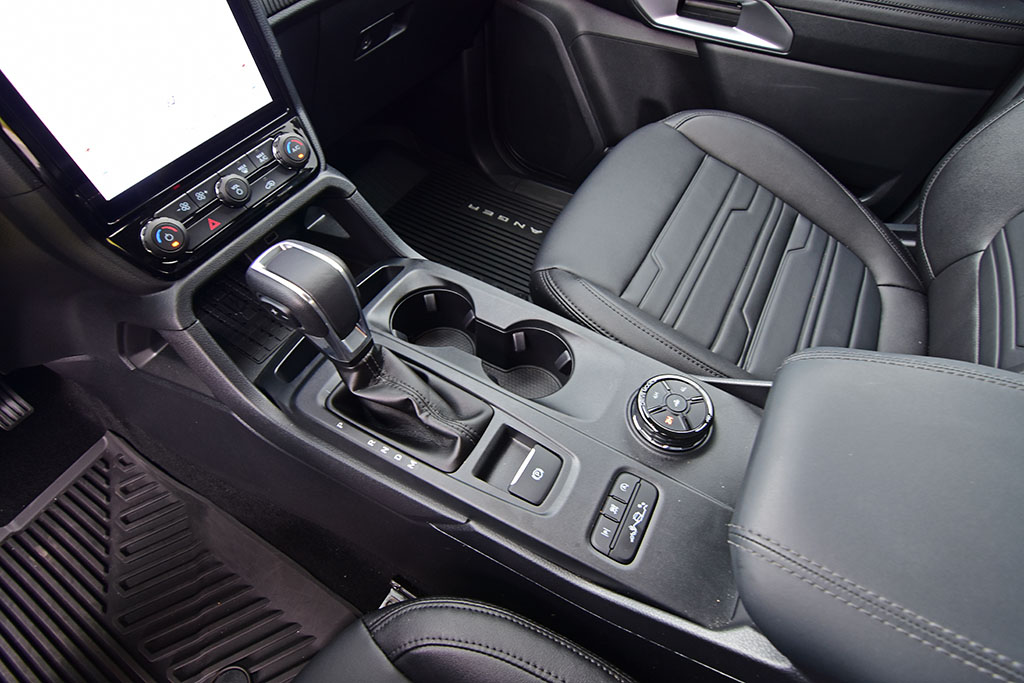
The 2026 Ford Ranger remains mostly unchanged except for a new FX4 Off-Road package now being offered on the base trim, which is found on my Ranger Lariat test vehicle. Such a package, which adds a respectable level of capability to the truck, increases the pricing by $1,195 yet brings with it an electronic-locking rear differential, steel bash and protective plates to guide the engine, transfer case, and fuel tank, off-road tuned shocks, trail control, and FX4 selectable drive modes for mud/ruts and sand. Together with the FX4 Off-Road package, you can combine the all-terrain Goodyear Wrangler tires wrapping the 18-inch painted black wheels, as all found on my test vehicle.
The FX4 Off-Roading package, still somewhat far from full-on Ranger Raptor status, still offers up some real off-roading goodies so that you’ll be more confident in hitting trails. Speaking of confidence, having the optional 2.7-liter EcoBoost V6 engine with its 315 horsepower and 400 lb-ft of torque places the Ford Ranger at the top of the power field for a non-hybrid setup in its segment. While the Toyota Tacoma with its hybrid setup has a bit more oomph, the Ranger’s 2.7-liter twin-turbo V6 holds its own well, having a respected low-end grunt and enough power to get the truck up to 60 mph in just 6.1 seconds. Mind you, there are no V6 offerings in the competition – so the Ranger has a slight edge in my view, and even more so with the Ranger Raptor’s 3.0-liter V6.
Out on the road on pavement, the Ford Ranger Lariat 4×4 FX4 Off-Road trimmed test vehicle does well to soak up road imperfections and offer a decent balance of its road-going smoothness versus off-roading abilities. Though on the road, you’ll tend to notice the suspension having a small variation of movements when turning in or coming out of corners from a stop. Such a characteristic is from the off-roading shocks that offer a bit more travel than a normal setup in a non-off-roading package Ranger. Still, there’s a lot to appreciate in the compliant ride qualities of the new Ranger in any setup.
Fuel economy takes a slight hit with the off-roading gear and the V6 engine, where it mostly matches its EPA estimates of 18 mpg city, 23 mpg highway, and 20 mpg combined in the real world. The 18-gallon fuel tank using regular unleaded fuel will give you a highway cruising range of about 414 miles. Of course, towing will diminish that value, but you have the capability to tow up to 7,500 pounds. The payload is rated at a max of 1,513 pounds.
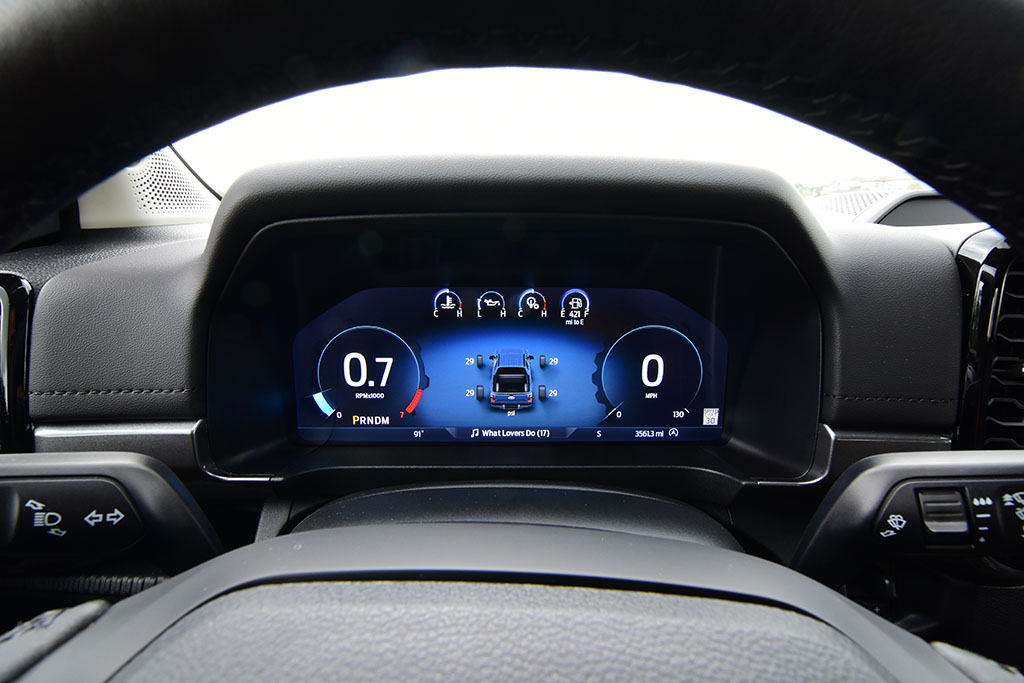
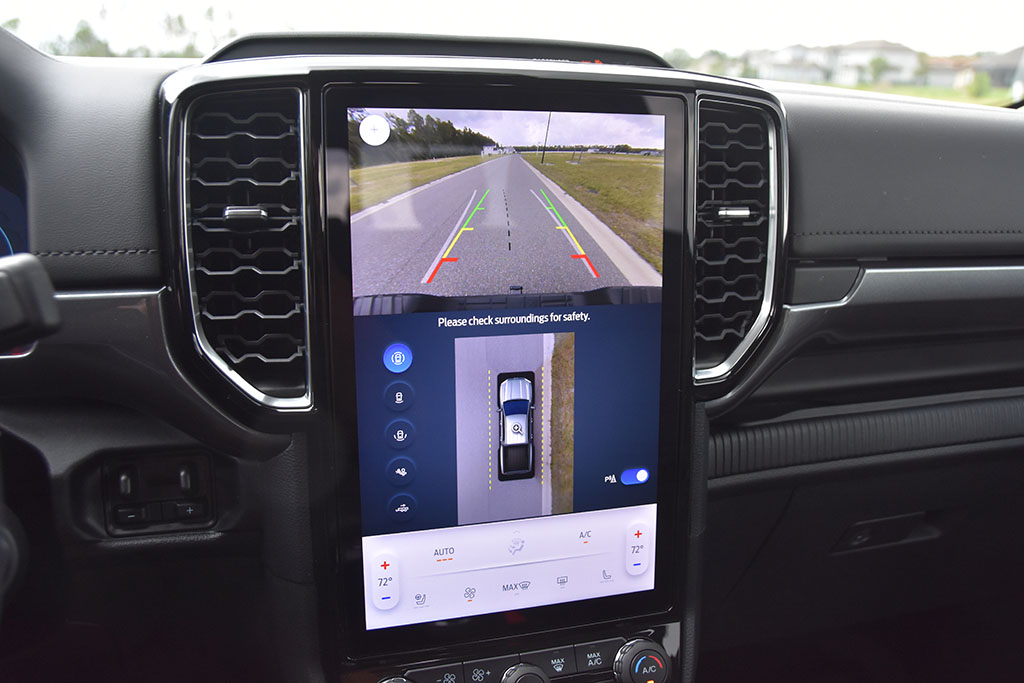
Technology appears to be fully involved in the new Ford Ranger, as they have adopted a version of the larger portrait-style 12-inch touchscreen. The latest infotainment fed through that screen is much of what you find in newer Ford vehicles, first introduced in Ford EVs like the Mustang Mach-E and F-150 Lightning. While the system has a somewhat short learning curve, it continues to be plagued by slow-to-respond inputs at times, which could be something that’s remedied through its over-the-air updates. The 12-inch driver’s gauge cluster has a few preset screens, but still doesn’t combine the integration of maps much like the new Explorer does with nearly the same setup.
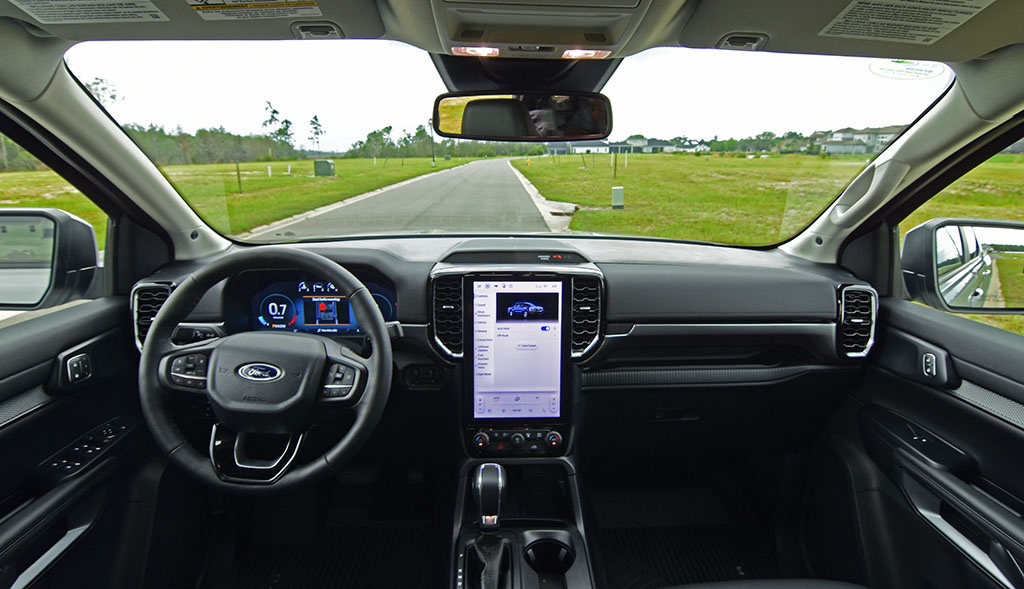
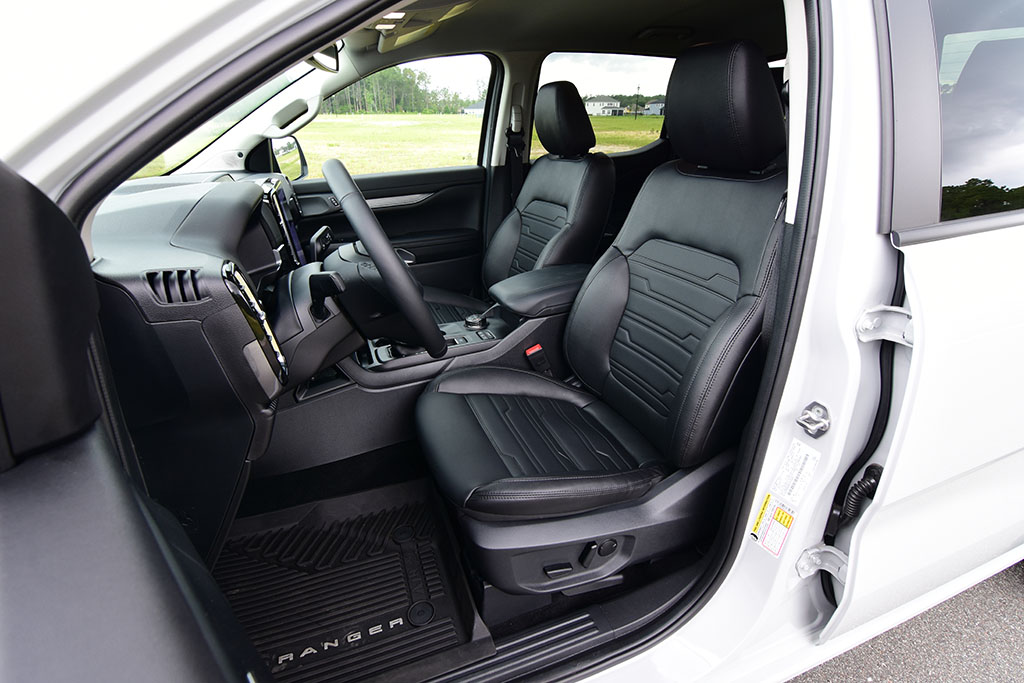
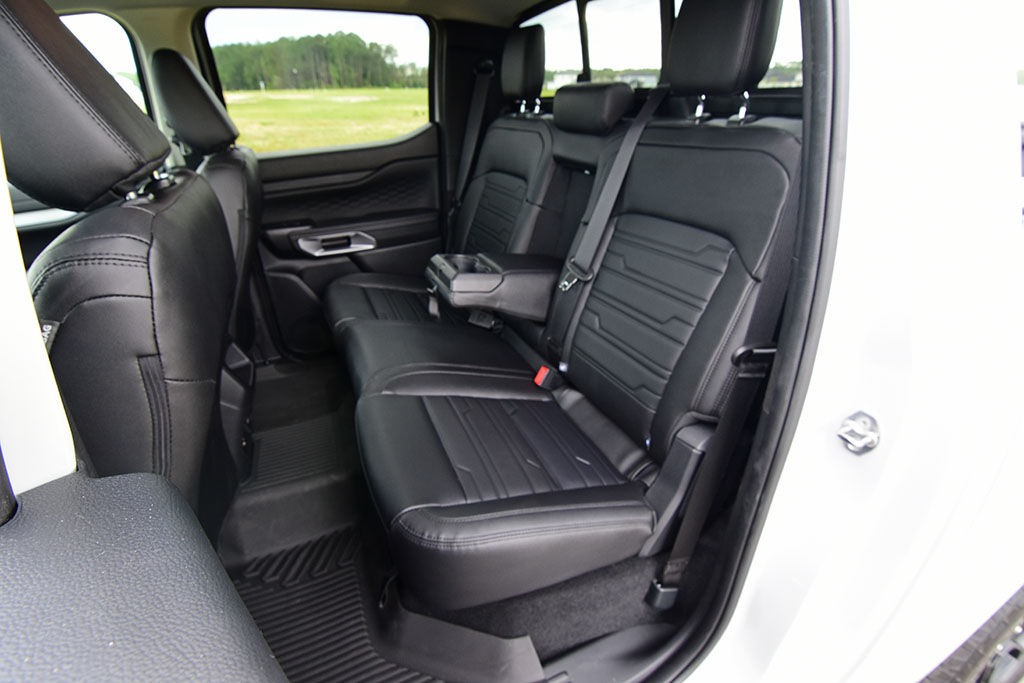
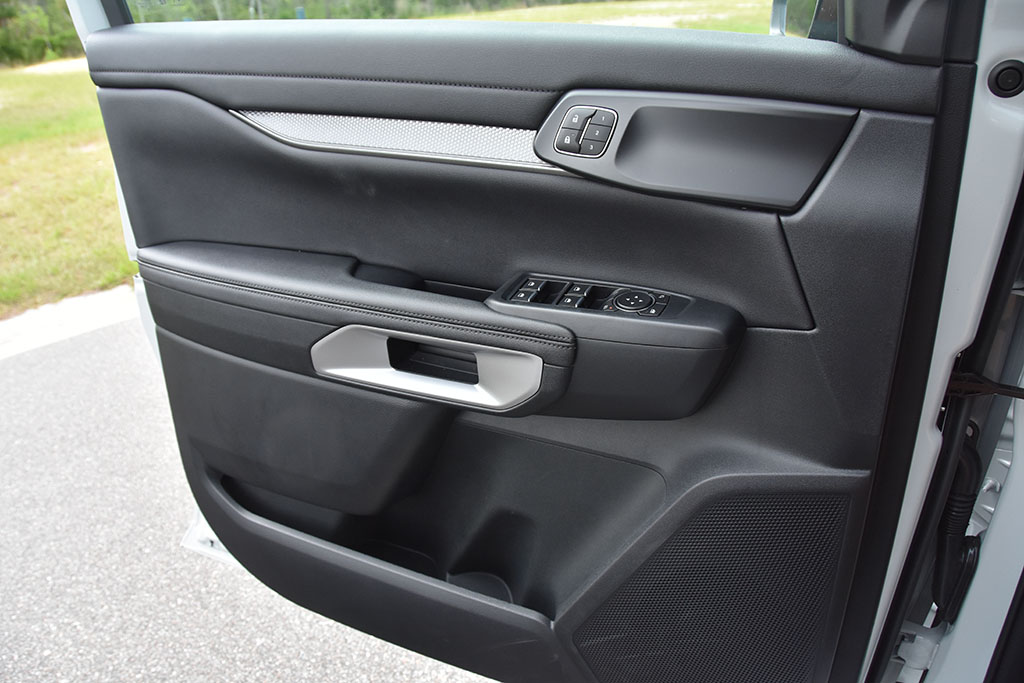
The seating areas of the new Ranger are spacious and mostly comfy in the front heated seats. Out back, the bench is accommodating and offers a good amount of space for a truck in this segment. The cabin has a small number of soft-touch surfaces, just enough to keep things on the verge of not being overly cheap and retaining the rugged truck theme.
Safety remains on par with what you expect in a modern-day vehicle, combining a bevy of traditional active safety features in addition to the 360-degree camera system that can be accessed at any time to do things like check on your cargo or trailer.
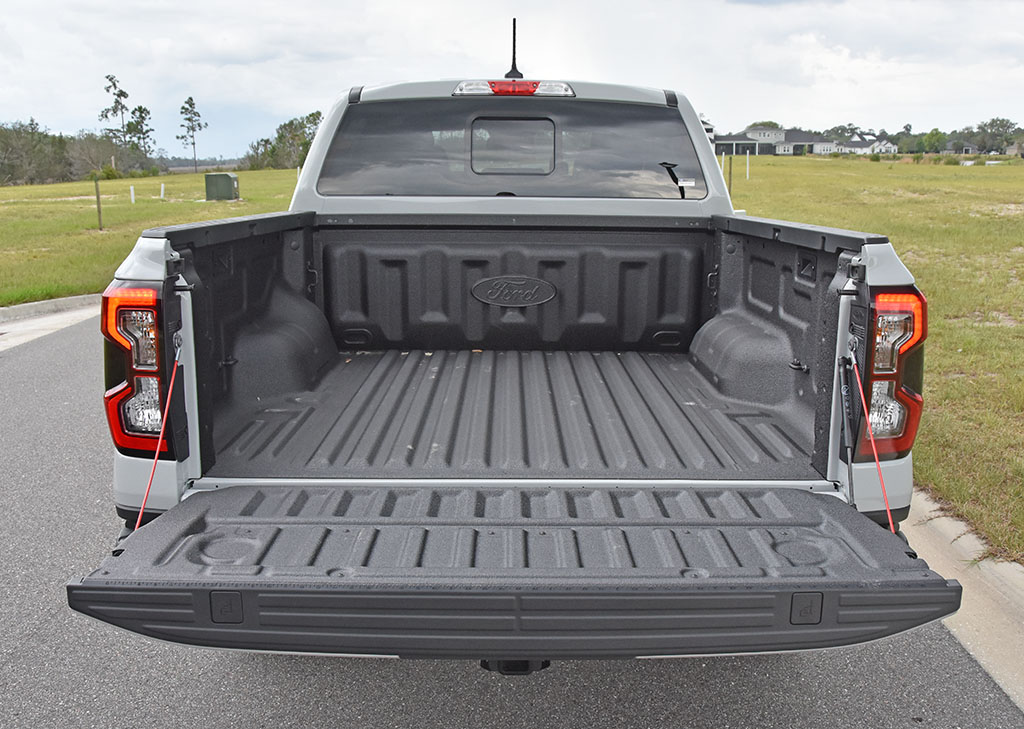
As far as value, the Ford Ranger in its base trim and a 4×2 2.3-liter EcoBoost setup starts at $31,503 before any options or fees. Moving through the 4 trim levels, the Ranger Lariat, sitting just below the top Ranger Raptor trim, starts at $40,714 and ends up at $54,710 when you add in all of the options found on my test vehicle, such as the FX4 Off-Road package, 2.7-liter EcoBoost engine option, convenience package, spray-in bedliner, black appearance package, and several other one-off option additions.


More Stories
A Simple Pre-Winter Check for Your Tires and Battery
The first cold morning of the season has a way of finding the weak spots in a car. A tire...
Porsche Mission S Hypercar Teased with 8,000-RPM Redline Ahead of October 15 Reveal
Porsche is preparing to make a serious statement in the world of high-performance automobiles, and its upcoming Mission S hypercar...
Chinese Automaker Geely Coming to Canada in 2027 as New Import Rules Open the Door to Affordable EVs
The North American automotive landscape could be in for a significant shakeup as Chinese automotive giant Geely Auto has officially...
Rivian Goes Ghostbusters for Halloween with Ecto-1 Inspired EVs and Spooky Software Update
Rivian is getting into the Halloween spirit in a big way this year, and fans of the iconic Ghostbusters movies...
Keeping the Ram You Love, Updating the Part You Use Every Day
A favorite vehicle earns its place through use. There are the trips you planned for months, the quick runs for...
Is Your Car Ready for Colorado’s Traction Law?
A clear forecast in Denver can turn into a whiteout at the Eisenhower Tunnel. When that happens, the Colorado Department...