
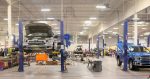
How Independent Auto Shops Are Scaling Faster Than Dealerships in 2026

The auto repair business has always been competitive. But the gap between independent shops and franchised dealerships is shifting in a way few people predicted. In 2026, smaller operators are growing at a pace that larger dealership service departments struggle to match. They are adding bays, hiring technicians, and pulling in repeat customers without the heavy overhead that comes with a brand-name lot.
This is not a temporary trend. It reflects deeper changes in how cars are built, how owners spend, and how repair work gets done. Understanding why independents are pulling ahead can help any shop owner think more clearly about the road in front of them.
The Changing Shape of the Repair Market
Cars are lasting longer than they used to. The average age of a vehicle on the road keeps climbing, which means more owners are holding onto their cars well past the warranty period. Once that warranty expires, the financial reason to return to a dealership service bay mostly disappears.
That single fact reshapes everything.
Owners of older vehicles start shopping on value and trust. They want a fair price, a quick turnaround, and a technician who explains the problem in plain language. Independent shops are built for exactly this kind of relationship. They tend to be smaller, more flexible, and more personal. Dealerships, by contrast, carry the weight of corporate pricing structures and standardized labor rates that can feel rigid to the everyday driver.
According to data tracked by the U.S. Bureau of Labor Statistics, demand for skilled service technicians remains steady, and that demand flows heavily toward shops that can offer competitive rates. Independents are positioned to capture it.
Lower Overhead, Higher Agility
A dealership service department is one piece of a much larger machine. It shares space, staff, and budget with sales, financing, and inventory. When the parent company tightens spending, the service side often feels the squeeze even when it is performing well.
Independent shops do not carry that baggage.
They make decisions quickly. If a new diagnostic tool would help, the owner can buy it without waiting for regional approval. If a customer needs a custom solution, the shop can say yes on the spot. This agility is hard to overstate. In a market where speed and responsiveness drive loyalty, the ability to move fast becomes a real advantage.
Smaller footprints also mean lower fixed costs. Rent, utilities, and staffing scale more gently for an independent. That keeps prices reasonable for customers and margins healthier for the owner.
Technology Has Leveled the Playing Field
For years, one of the strongest arguments for using a dealership was access to proprietary diagnostic equipment and manufacturer software. That edge has narrowed sharply.
Today, independent shops can subscribe to the same scan tools, repair databases, and calibration systems that were once locked behind dealership doors. Aftermarket parts suppliers have also matured, offering quality components that meet or exceed factory standards. The result is a more even contest. A well-run independent can now service modern vehicles, including hybrids and many electric models, with confidence.
Smarter Shop Management Tools
Software has changed daily operations, too. Cloud-based scheduling, digital inspections, and automated customer reminders used to be expensive luxuries. Now they are affordable and easy to adopt.
These tools do something simple but powerful. They free up time. Instead of chasing paperwork, owners and service writers can focus on the work and the customer. That efficiency compounds over months, letting a small shop handle more volume without adding chaos.
How Financing Fuels Faster Growth
Growth costs money. Adding a bay, buying a lift, hiring an apprentice, or stocking more inventory all require capital up front, well before the return shows up in the books. This is where many independents hit a wall, and it is also where the smart ones separate themselves from the pack.
Access to outside capital changes the math. Owners who secure funding can expand on their own timeline rather than waiting years to save the cash. Many turn to small business loans to cover equipment purchases, renovations, or the working capital needed to bridge a busy season. Used carefully, that borrowed money becomes a tool, not a burden, because the new capacity it creates often pays the loan back several times over.
The key is matching the financing to the goal. A short-term need, like covering a parts order during a rush, calls for a different approach than a long-term investment in a building or major equipment. Resources from the U.S. Small Business Administration can help owners understand the options before signing anything. Dealerships rarely face this question at the shop level, since their funding flows from the corporate parent. Independents who learn to use financing well gain a flexible lever that larger competitors simply do not have.
Customer Trust Is the Real Engine
Money and technology matter. Trust matters more.
People remember how they were treated. A driver who feels respected, informed, and fairly charged will come back, and they will tell their friends. Independent shops thrive on this word-of-mouth loyalty. Their reputations are local, personal, and earned one repair at a time.
Dealerships often struggle here through no fault of the individual technicians. The scale of their operation can make customers feel like a number. Long waits, upselling pressure, and impersonal service counters chip away at goodwill. Independents that lean into relationship-building fill that gap naturally.
Online Reviews Carry Weight
The modern version of word of mouth lives online. Reviews shape decisions before a customer ever picks up the phone. A shop with consistent, genuine five-star feedback can outrank a much larger competitor in local search results.
Independents that respond to reviews, fix problems, and ask happy customers to share their experience build a steady stream of new business. Industry groups like the Auto Care Association have noted how strongly online reputation now influences where drivers choose to spend. It is a low-cost growth channel, and it rewards the very qualities independents already have.
Specialization Opens New Doors
Another advantage worth noting is the freedom to specialize. An independent can choose to focus on a niche, whether that is European imports, diesel trucks, or electric vehicles. That focus builds expertise and attracts customers willing to pay for it.
Dealerships are tied to the brands they sell. They cannot easily pivot toward a profitable specialty outside their lineup. Independents can read the local market and adapt. That flexibility turns into pricing power and a loyal customer base over time.
Looking Ahead
The momentum behind independent shops is built on real, lasting shifts. Vehicles are aging, technology has opened up, and customers increasingly value trust and fair pricing over a brand name on the building. These forces are not going away.
Scaling faster than a dealership is no longer a surprise outcome. It is the natural result of lower overhead, smarter tools, accessible financing, and stronger relationships. Owners who recognize these advantages and invest in them thoughtfully are well placed to keep growing through 2026 and beyond.
The playing field has changed. For independent auto shops willing to act on it, the opportunity has never been clearer.


More Stories
A Simple Pre-Winter Check for Your Tires and Battery
The first cold morning of the season has a way of finding the weak spots in a car. A tire...
Porsche Mission S Hypercar Teased with 8,000-RPM Redline Ahead of October 15 Reveal
Porsche is preparing to make a serious statement in the world of high-performance automobiles, and its upcoming Mission S hypercar...
Chinese Automaker Geely Coming to Canada in 2027 as New Import Rules Open the Door to Affordable EVs
The North American automotive landscape could be in for a significant shakeup as Chinese automotive giant Geely Auto has officially...
Rivian Goes Ghostbusters for Halloween with Ecto-1 Inspired EVs and Spooky Software Update
Rivian is getting into the Halloween spirit in a big way this year, and fans of the iconic Ghostbusters movies...
Keeping the Ram You Love, Updating the Part You Use Every Day
A favorite vehicle earns its place through use. There are the trips you planned for months, the quick runs for...
Is Your Car Ready for Colorado’s Traction Law?
A clear forecast in Denver can turn into a whiteout at the Eisenhower Tunnel. When that happens, the Colorado Department...