
Android Auto’s Next Big Update Brings YouTube to Your Car Screen and a Smarter In-Car Experience

Sitting in your car is about to get a lot less boring for Android users. Google is preparing one of the biggest Android Auto updates in recent memory, and the headline feature is one people have wanted for a long time: support for YouTube and other video apps on your vehicle’s screen while parked. That may sound simple, but for anyone waiting at a charger, sitting in a pickup line, or killing time before heading into work, it is the kind of addition that could make a modern infotainment system feel much more useful.
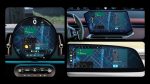
The update goes beyond video, too. Google says the next generation of Android Auto is being designed to better fit all kinds of screen shapes and sizes, which is important now that automakers keep experimenting with odd display layouts. Whether it is a wide screen, a circular setup, or one of those unusual angled displays, Android Auto is supposed to adapt more naturally instead of looking like it was stretched to fit. That may not sound flashy, but anyone who has used a mismatched phone projection setup knows how much cleaner integration can improve the everyday experience.
There is also a broader push toward personalization. The refreshed interface will allow for custom widgets, giving drivers quicker access to the apps, contacts, and tools they use most. Google Maps is also getting more visually detailed, with a richer 3D-style presentation that should make navigation feel more immersive and easier to follow. On top of that, Gemini is going to play a much larger role, helping users interact with their infotainment in a more conversational way and making the whole system feel less like a static menu and more like something actively helping in the background.
Of course, the YouTube addition is probably what will grab the most attention. Google is being careful with how it rolls this out, and understandably so. Video playback will only work when the vehicle can confirm that it is parked, using information from both the phone and the vehicle itself. Once the car starts moving, the system is designed to switch that video into audio-only mode, which is actually a pretty smart compromise. It keeps things safer while still letting drivers continue with a podcast, interview, or video they had started before leaving the parking spot.
The first wave of compatible vehicles will include brands like BMW, Ford, Genesis, Hyundai, Kia, Mahindra, Mercedes, Renault, Skoda, Tata, and Volvo, with more expected to follow. That rollout matters because Android Auto has become one of the easiest ways for drivers to keep an older vehicle feeling current without buying a whole new car. In many ways, phone projection systems have become the real upgrade path for infotainment, which is why updates like this carry more weight than they might have a decade ago.
What makes this update land a little better than most tech announcements is that it actually feels built around everyday habits. Drivers do not just want flashy graphics or another digital gimmick. They want something that feels familiar, flexible, and helpful without being annoying. Giving people video when parked, better widgets, improved navigation, and more intelligent voice interaction sounds like a pretty solid step in that direction. For once, this feels less like a tech company adding features for the sake of buzz and more like a company paying attention to how people actually use their cars.


More Stories
A Simple Pre-Winter Check for Your Tires and Battery
The first cold morning of the season has a way of finding the weak spots in a car. A tire...
Porsche Mission S Hypercar Teased with 8,000-RPM Redline Ahead of October 15 Reveal
Porsche is preparing to make a serious statement in the world of high-performance automobiles, and its upcoming Mission S hypercar...
Chinese Automaker Geely Coming to Canada in 2027 as New Import Rules Open the Door to Affordable EVs
The North American automotive landscape could be in for a significant shakeup as Chinese automotive giant Geely Auto has officially...
Rivian Goes Ghostbusters for Halloween with Ecto-1 Inspired EVs and Spooky Software Update
Rivian is getting into the Halloween spirit in a big way this year, and fans of the iconic Ghostbusters movies...
Keeping the Ram You Love, Updating the Part You Use Every Day
A favorite vehicle earns its place through use. There are the trips you planned for months, the quick runs for...
Is Your Car Ready for Colorado’s Traction Law?
A clear forecast in Denver can turn into a whiteout at the Eisenhower Tunnel. When that happens, the Colorado Department...