
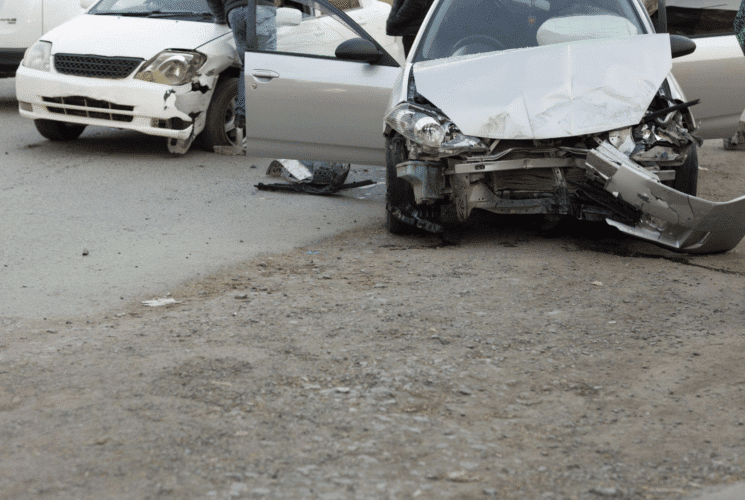
What Drivers Should Know About Disputed Fault After a Car Accident in New Haven, CT

Determining liability after a vehicle collision in New Haven involves a specific set of legal principles defined by Connecticut state law. When drivers disagree on who caused an accident, the resolution process moves beyond a simple exchange of insurance information into a formal evaluation of evidence and statutory duties. Connecticut operates under a modified comparative negligence system, meaning that fault is not always assigned entirely to one party. Understanding how local authorities and insurance adjusters weigh contributing factors is essential for any motorist involved in a dispute on Connecticut roadways.
The Role Of Modified Comparative Negligence
Connecticut General Statutes Section 52-572h dictates how financial responsibility is shared when multiple parties are at fault. If you seek advice from a car accident lawyer in New Haven about a dispute, they will explain that you can recover damages as long as your negligence does not exceed 50 percent. This is known as the 51 percent rule, where being 51 percent or more responsible bars you from receiving any compensation from other parties.
The percentage of fault assigned to you directly reduces your final recovery amount. For example, if a court determines your total damages are $10,000 but finds you 25 percent responsible for the crash, your award is reduced to $7,500. This calculation remains the standard for settlements and jury verdicts throughout the state.
Evidence Used To Resolve Fault Disputes
Police reports serve as a primary foundation for how fault is determined in New Haven accidents. Although the reporting officer did not witness the event, their observations of skid marks, vehicle positioning, and witness statements provide a factual baseline for insurance companies. You should obtain a copy of the PR-1 accident report from the New Haven Police Department to check for any factual inaccuracies regarding the scene.
Digital evidence has become increasingly significant in resolving conflicting accounts of an accident. Dashcam footage, nearby surveillance video from businesses, and “black box” data from a vehicle’s electronic control module can provide objective details about speed and braking. These records often clarify whether a driver violated a specific traffic law, such as failing to yield at a stop sign or running a red light.
Impact Of Traffic Law Violations
Violating the Connecticut Motor Vehicle Code can lead to a legal finding of negligence per se. This principle suggests that if you broke a safety law designed to prevent the specific type of accident that occurred, the court may automatically consider you negligent. Common examples include speeding on I-95 or following too closely on Whalley Avenue.
A citation issued at the scene does not always result in a total loss of your right to claim damages. The other driver may have also contributed to the accident through their own negligent actions, such as distracted driving. Adjusters and courts evaluate the severity of each violation to determine how the negligence of each party compares to that of the other.
Insurance Company Investigations And Determinations
Insurance adjusters perform independent investigations that may differ from police findings. They review policy terms, interview involved parties, and inspect vehicle damage to assess the probability of different accident scenarios. If an insurer denies a claim based on a fault dispute, they must provide a specific rationale based on the evidence gathered during this period.
You have the right to challenge an insurance company’s determination of fault through several channels. This may involve providing supplemental evidence, undergoing a formal deposition, or entering into an arbitration process. If internal appeals fail, the dispute may move to the Connecticut Superior Court system for a formal legal resolution.
Statutory Time Limits For Filing Claims
Connecticut General Statutes Section 52-584 establishes a strict timeframe for initiating legal action following a motor vehicle accident. You generally have two years from the date of the injury or the accident to file a lawsuit in a Connecticut court. Failing to meet this deadline typically results in the permanent loss of your right to seek compensation through the judicial system.
Certain circumstances may shorten or lengthen this window, though such exceptions are rare. Claims against government entities in New Haven, such as those involving city-owned vehicles, often require a much faster notice of claim, sometimes within months of the incident. Promptly identifying the status of the other driver is necessary to ensure all procedural requirements are satisfied.
Resolving Liability Conflicts Through Legal Channels
Disputes over fault require a methodical approach to evidence and a clear application of state statutes. When parties cannot agree on a percentage of negligence, the case moves through a series of formal steps involving discovery, expert testimony, and potentially a trial. These procedures ensure that the final determination of responsibility aligns with the specific evidence of the crash and the requirements of Connecticut law.
The post What Drivers Should Know About Disputed Fault After a Car Accident in New Haven, CT appeared first on My Car Heaven.


More Stories
A Simple Pre-Winter Check for Your Tires and Battery
The first cold morning of the season has a way of finding the weak spots in a car. A tire...
Porsche Mission S Hypercar Teased with 8,000-RPM Redline Ahead of October 15 Reveal
Porsche is preparing to make a serious statement in the world of high-performance automobiles, and its upcoming Mission S hypercar...
Chinese Automaker Geely Coming to Canada in 2027 as New Import Rules Open the Door to Affordable EVs
The North American automotive landscape could be in for a significant shakeup as Chinese automotive giant Geely Auto has officially...
Rivian Goes Ghostbusters for Halloween with Ecto-1 Inspired EVs and Spooky Software Update
Rivian is getting into the Halloween spirit in a big way this year, and fans of the iconic Ghostbusters movies...
Keeping the Ram You Love, Updating the Part You Use Every Day
A favorite vehicle earns its place through use. There are the trips you planned for months, the quick runs for...
Is Your Car Ready for Colorado’s Traction Law?
A clear forecast in Denver can turn into a whiteout at the Eisenhower Tunnel. When that happens, the Colorado Department...