
COP31: Can World Leaders Turn Climate Promises into Real Action?

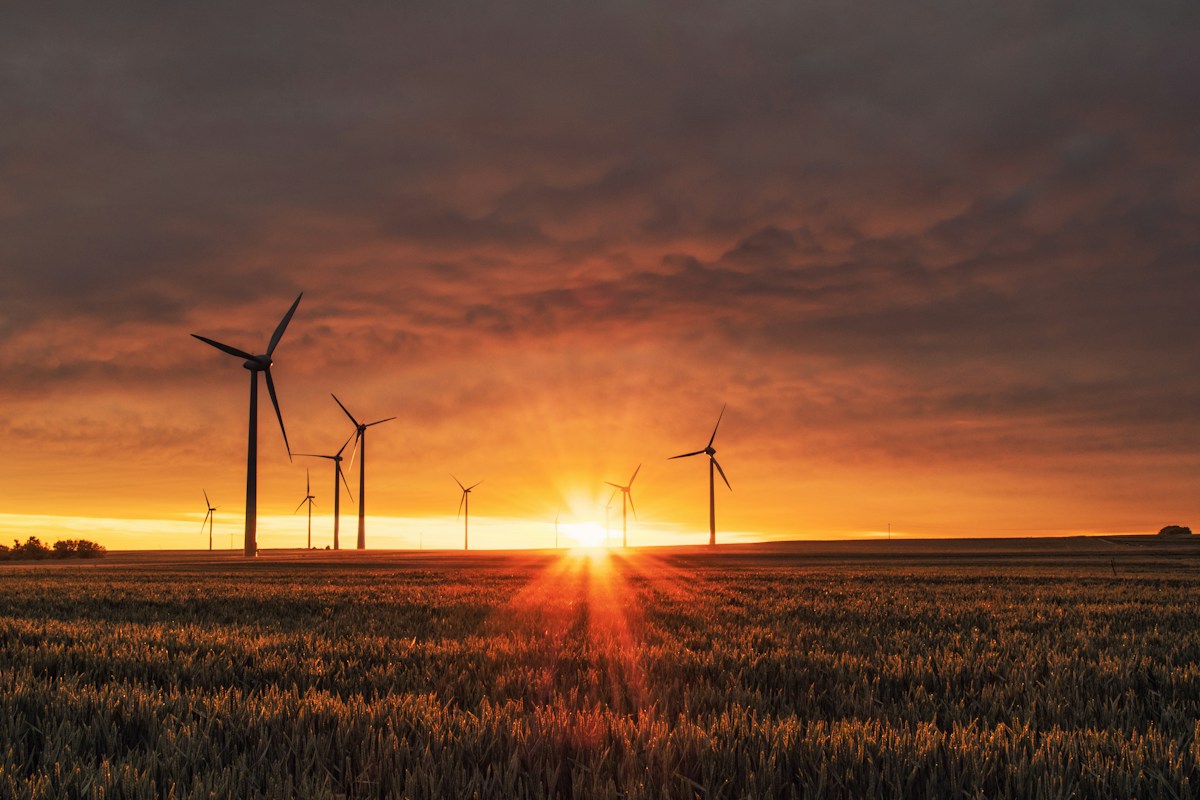
Renewable energy investment is central to the international effort to reduce greenhouse gas emissions.
Climate change has become one of the most important challenges in international relations. Rising temperatures, extreme weather, environmental degradation and the growing cost of natural disasters are affecting countries across every region.
Against this background, governments are gathering in Antalya, Türkiye, for the 31st United Nations Climate Change Conference, known as COP31, taking place from 9 to 20 November 2026.
The conference represents another important opportunity for countries to negotiate how to reduce emissions, finance climate adaptation and protect vulnerable populations. However, the central challenge remains the same: transforming international commitments into practical action.
Why COP31 matters to the international community
The United Nations climate conferences bring together governments, international organisations, scientific experts, businesses and civil society representatives to discuss the implementation of the Paris Agreement and broader climate commitments.
COP31 takes place at a particularly important moment. The world is facing growing climate-related risks, while progress towards limiting global warming remains insufficient.
The United Nations has warned that the world is heading towards an overshoot of the 1.5°C warming limit established as a central ambition of the Paris Agreement.
Every additional fraction of warming increases the difficulty of protecting ecosystems, infrastructure, food systems and vulnerable communities.
The difficult question of fossil fuels
One of the most politically sensitive subjects in international climate negotiations is the future of fossil fuels.
Oil, coal and natural gas remain important sources of energy for many economies. They support electricity production, transportation, industrial manufacturing and government revenues in countries that depend on energy exports.
However, the combustion of fossil fuels is the main driver of human-caused carbon dioxide emissions.
Moving towards lower-carbon energy systems therefore requires difficult economic and political decisions. Countries must balance energy affordability, industrial competitiveness, employment and environmental objectives.
At COP31, the international debate includes how to accelerate a just transition away from fossil fuels while ensuring that developing economies are not left behind.
Climate finance: A major divide between rich and poor countries
Climate finance remains one of the most important issues separating developed and developing countries.
Many developing economies contribute relatively little to historical global emissions but are highly exposed to droughts, flooding, coastal erosion and extreme temperatures.
These countries often have fewer financial resources to build protective infrastructure, improve agricultural resilience or recover after major climate disasters.
Developed countries, international financial institutions and private investors therefore face growing pressure to mobilise additional funding for adaptation, clean energy and climate resilience.
However, governments continue to disagree about the scale, sources and distribution of climate finance, as well as the balance between grants, concessional loans and private investment.
For vulnerable countries, financing conditions matter just as much as the total amount of money announced. Expensive loans can increase debt pressure in economies already facing financial difficulties.
Climate change is also a humanitarian issue
The consequences of climate change extend beyond environmental protection. They affect food security, public health, housing, employment and migration.
According to reporting at the opening of COP31, the International Organization for Migration estimated that climate change displaced nearly 30 million people in 2025.
Extreme weather can destroy homes, interrupt agricultural production and make certain areas increasingly difficult to inhabit.
Climate-related displacement can place additional pressure on cities, public services and neighbouring countries. It can also contribute to competition over land, water and other essential resources.
International cooperation is therefore necessary not only to reduce emissions but also to strengthen disaster preparedness and protect communities facing environmental risks.
Why developing economies need a fair energy transition
The transition to renewable energy offers significant economic opportunities, including investment in solar power, wind energy, electricity networks, battery storage and new industrial technologies.
Nevertheless, the transition will not happen at the same speed everywhere.
Some countries have access to substantial investment capital, advanced technology and reliable electricity infrastructure. Others face high borrowing costs, limited technical capacity and insufficient access to modern energy systems.
A fair transition must recognise these differences. Developing countries need access to affordable technology, international financing and technical cooperation if they are expected to reduce emissions while continuing to improve living standards.
The role of business and international investment
Governments cannot achieve the energy transition alone. Private-sector investment will be essential for expanding renewable energy production, modernising electricity grids and developing low-carbon industrial processes.
Businesses are also facing increasing pressure from investors, regulators and customers to understand their environmental impact and manage climate-related risks.
For international companies, climate policy is becoming an important factor in decisions about production locations, supply chains, energy procurement and long-term investment.
However, the quality of climate commitments matters. Environmental claims should be supported by transparent reporting, measurable targets and credible implementation plans.
What would make COP31 successful?
A successful conference should produce progress that can be measured after the diplomatic meetings end.
Important priorities include:
Clearer implementation plans for reducing greenhouse gas emissions.
More predictable financing for climate adaptation and resilience.
Greater investment in affordable renewable energy.
Better protection for vulnerable communities.
Improved international cooperation on technology and energy infrastructure.
Transparent reporting on national commitments and progress.
Announcements alone are not enough. Governments must establish credible implementation mechanisms and maintain accountability over time.
Conclusion: Climate diplomacy must deliver practical results
COP31 highlights the complexity of international climate cooperation. Countries share an interest in limiting climate risks, but they have different economic priorities, energy resources and financial capabilities.
The most important measure of success will not be the number of declarations adopted in Antalya. It will be whether countries can translate their promises into lower emissions, stronger infrastructure, more reliable energy systems and better protection for vulnerable populations.
Climate change does not respect national borders. Its consequences require a level of international cooperation that goes beyond short-term political interests.
The challenge for world leaders is to demonstrate that global climate diplomacy can deliver real improvements in people’s lives.
Sources and further reading
United Nations – COP31: 9–20 November 2026
UNFCCC – COP31 Official Agenda
Associated Press – World Leaders Urge Stronger and Faster Action at COP31
Geneva Environment Network – Climate Action from Geneva to Antalya
Looking Times – Informed Today. A More Connected Tomorrow.

More Stories
Ukraine, Russia and Europe: Why the Future of European Security Is at a Turning Point
European diplomacy faces important questions about security, peace and international cooperation. The war in Ukraine continues to shape Europe's political...
Who Controls the Machines? The Global Debate Over AI-Powered Autonomous Weapons
Global Affairs and Technology | 16 November 2026 Artificial intelligence is creating new questions about human control, responsibility and the...
How Artificial Intelligence Is Reshaping Global Trade and Creating New Winners
Artificial intelligence is transforming semiconductor manufacturing, international investment and global trade. Image: Unsplash International Business and Technology Artificial intelligence is becoming...
Developing Countries Face a Record Debt Burden as Borrowing Costs Remain High
Infrastructure investment and international financing play a critical role in developing economies. Image: Unsplash International Finance Developing economies are facing a...
The Global Economy Is Resilient, but the Benefits Are Becoming Increasingly Uneven
Global trade and international supply chains remain important drivers of economic activity. Image: Unsplash Economic Analysis The global economy has...
Upcoming Horror Movies in 2027: Release Dates and Cast
Fans of horror movies have plenty to look forward to in 2027. The year brings the return of major franchises...