
Massive Alaska North Slope Gas Discovery Could Power US for Nearly 3 Years

By Naveen Athrappully
Alaska’s North Slope region could contain 96 trillion cubic feet of undiscovered and technically recoverable natural gas resources, according to a new government estimate.
The United States Geological Survey (USGS) found that there is nearly triple the 35 trillion cubic feet of proven gas reserves in the area, the Department of the Interior announced on Oct. 21.
The estimated 96 trillion cubic feet of gas is enough to meet nearly three years of the United States’ consumption, based on numbers cited by the Energy Information Administration.
“Alaska’s natural gas reserves can supply affordable, reliable, secure energy to Americans and our South Pacific allies for generations,” Secretary of the Interior Doug Burgum said in a statement. “This assessment helps underscore the importance of understanding these vast resources beneath the North Slope and using world-class American science to turn that potential into opportunity.”
Assistant Secretary of the Interior Andrea Travnicek said the North Slope assessment supports President Donald Trump’s January 2025 executive order—Unleashing Alaska’s Extraordinary Resource Potential.
In the order, Trump highlighted Alaska’s abundant but untapped supply of natural resources, including energy, but noted the development of these resources were impeded by restrictions imposed on resource development on Alaskan lands.
“It is, therefore, imperative to immediately reverse the punitive restrictions implemented by the previous administration that specifically target resource development on both State and Federal lands in Alaska,” his order states.
In November last year, the Department of the Interior announced a final rule that rescinded Biden-era measures that restricted drilling activities in the North Slope’s National Petroleum Reserve.
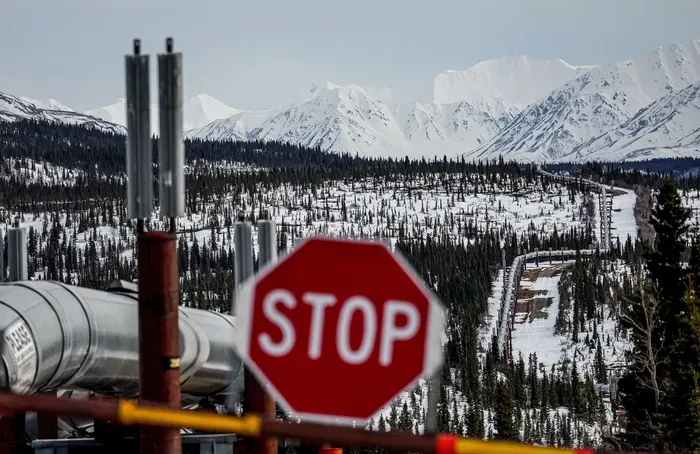
The North Slope is also critical for the Alaska LNG project, which aims to transport natural gas from the region through a roughly 800-mile pipeline to an export terminal in Alaska’s Nikiski, where it would be cooled and transported in liquid form overseas.
New Energy Resources, Pipeline Infrastructure
The USGS’s latest assessment is just one of multiple oil and gas discoveries and new resource estimates across the United States announced this year.
In January, the USGS announced that it has assessed the Woodford and Barnett shales in the Permian Basin, estimating it contains a “technically recoverable” 1.6 billion barrels of oil and 28.3 trillion cubic feet of gas.
On April 9, Chevron said it had confirmed an oil discovery in the Gulf of America roughly 125 miles south of Louisiana’s coast.
And in June, the USGS announced it estimated recoverable resources of 184 billion cubic feet of gas and 12 million barrels of oil in the Buda Limestone of Texas.
Meanwhile, the Trump administration is planning to construct a 125-mile natural gas pipeline from the drilling fields in Pennsylvania to New York.
Energy Secretary Chris Wright said in a statement that despite an abundant supply of low-cost natural gas in the United States, tens of millions of Americans had limited access to it due to a lack of pipeline infrastructure.
Critics call the pipeline unnecessary. Stop the Constitution Pipeline, a coalition of environmental groups, property owners, and local advocates, asked authorities not to allow the project to move forward.
“In spite of all the hype, the Constitution Pipeline cannot lower prices to consumers in either New York City or New England because it cannot provide any additional gas to those markets,” the Coalition said in a statement on its website.
In an Oct. 21 fact sheet, the Energy Department highlighted that New York currently relies on other U.S. states and Canada to meet 85 percent of its total energy requirements.
“Expanding natural gas infrastructure will strengthen fuel availability for electricity generation and home heating, particularly during extreme winter weather and periods of peak demand,” the department said.

More Stories
UK Must Be Ready for War in 1,000 Days, Says British Defense Secretary
By Rachel Roberts British Defense Secretary Wes Streeting has said the country must be ready for war in 1,000 days,...
Trump Offers $1 Million to Anyone Who Reports Voter Fraud Leading to Conviction
By Jack Phillips President Donald Trump on Monday said that he would provide $1 million to people who can report...
Federal Judge Strikes Down New York Body Armor Ban
By Jack Phillips A federal judge this past week overturned New York state’s ban on the sale and purchase of...
Anthropic Files Blockbuster IPO
By Andrew Moran Anthropic, the company behind Claude, is set to make its long-awaited Wall Street debut as soon as...
How Inventory Allocation Across Multiple Warehouses Can Reduce Delivery Times and Costs
A shopper in Seattle orders a pair of running shoes. Whether that package arrives quickly and cheaply depends on a...
Wall Street Review: Small Caps Outperform as Bond Yields Ease
By Panos Mourdoukoutas Small-cap stocks outperformed this week as investors rotated out of the volatile AI trade and into interest-rate-sensitive...