
Android Auto’s Biggest Redesign in Years Adds Widgets, Video Apps, and a New Interface

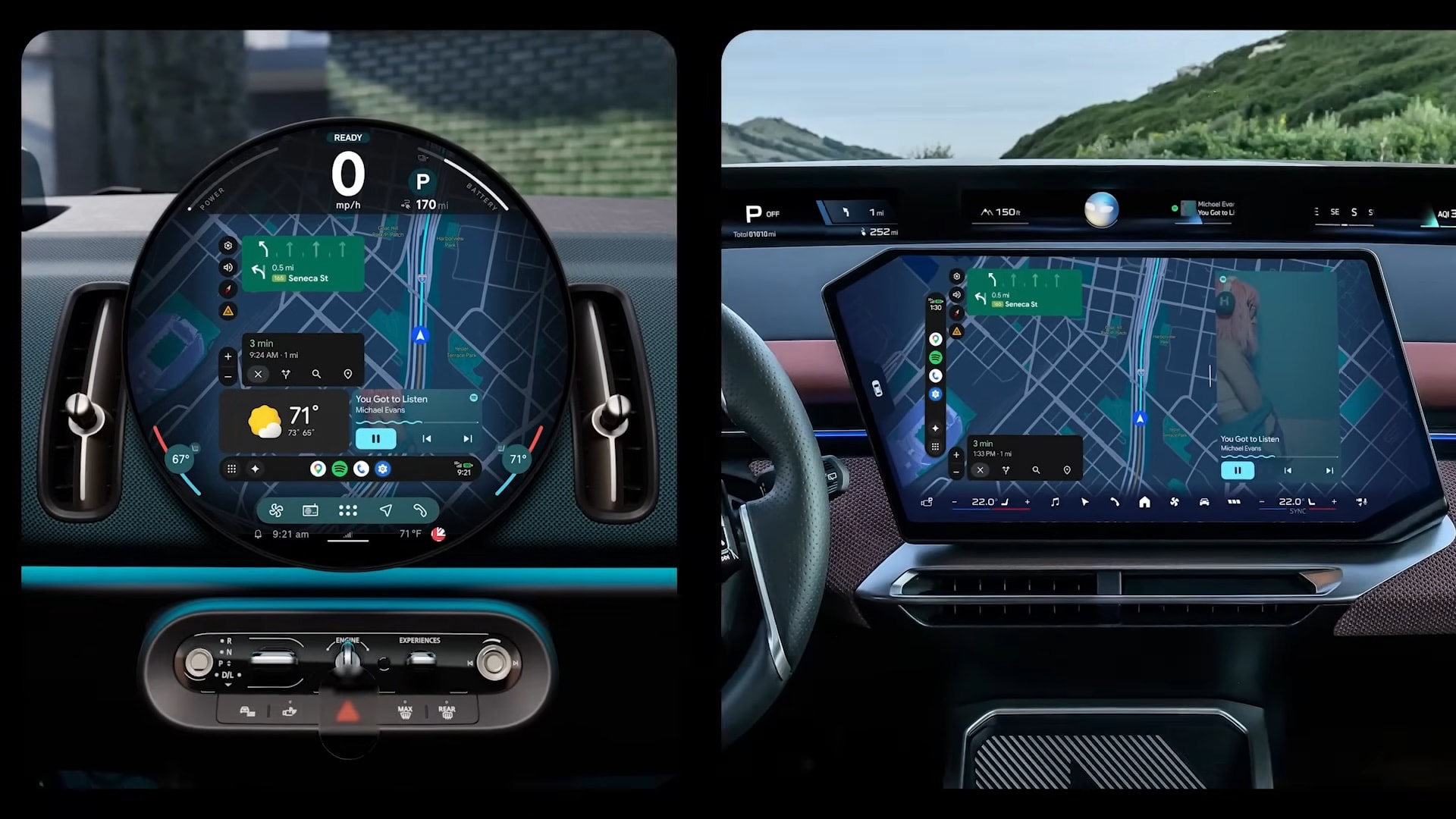
Google is preparing a major overhaul for Android Auto, one tied to the Material 3 Expressive redesign language and aimed at making better use of in-car displays. The update reshapes the interface, adds widget support, expands navigation tools, and finally moves video apps closer to public release.
One of the first visual changes appears on the left side of the screen. Android Auto now uses a floating dock-style app bar instead of the older fixed layout. The system also adapts more cleanly to different display sizes, embedding the interface into the screen with a layout designed around available space. Google has not released the redesign yet, though the company says wider availability should happen later this year.
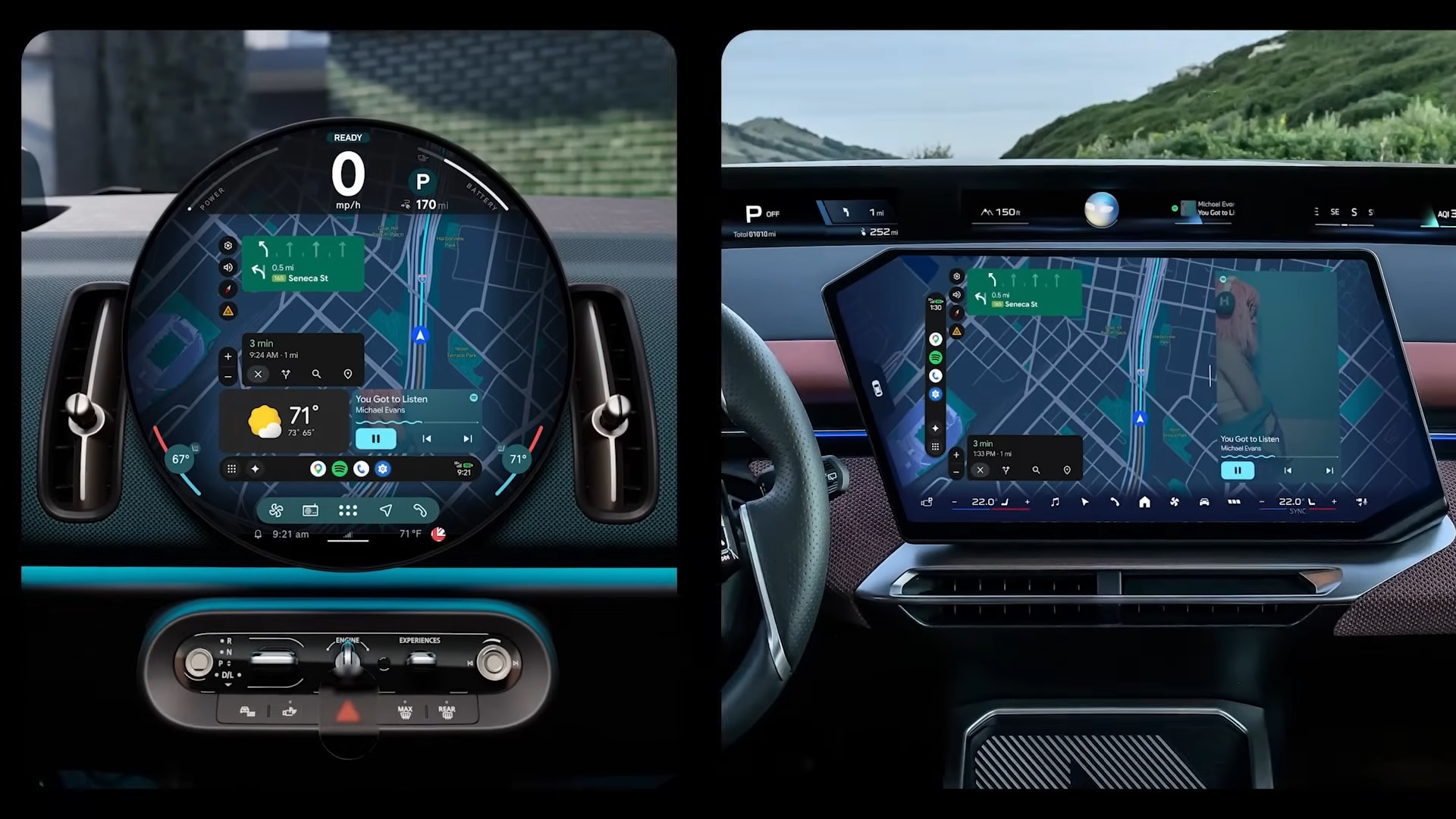
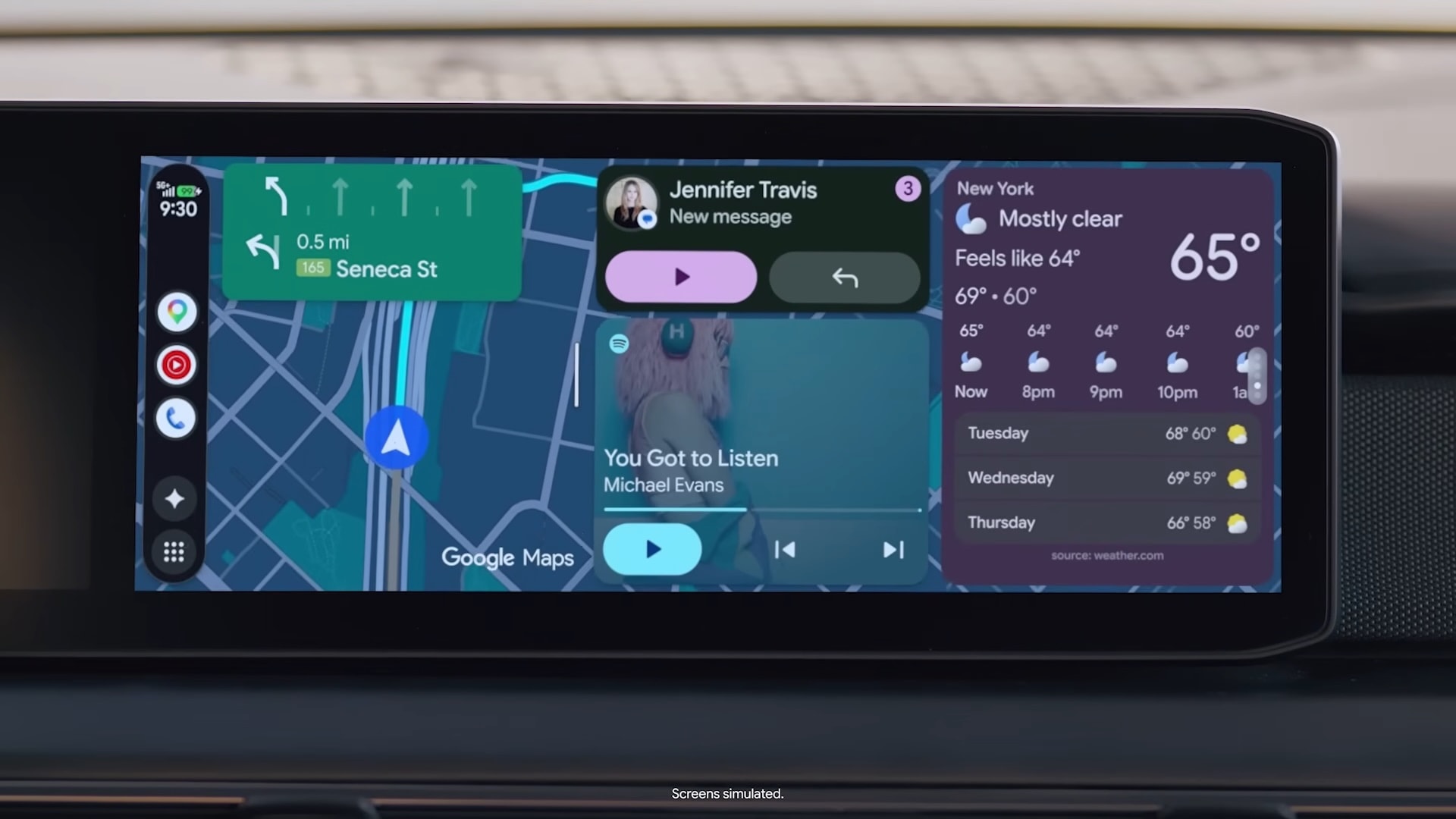
Navigation sits near the center of the update. Users gain a swipe gesture for split-screen mode, allowing one app, such as navigation, to stay active while another runs beside it. Android Auto also expands beyond the traditional two-app layout by adding a third pane dedicated to widgets.
Google already hinted at widgets in earlier Android Auto beta builds, though this marks the first public discussion of the functionality. Unlike Apple CarPlay, where widgets appear on a separate screen and require dedicated developer support, Android Auto aims for broader compatibility. Google wants widgets already available on Android phones to work inside Android Auto with little or no additional developer effort. Drivers will swipe across the display to load widgets, then pick from categories including weather, calendar entries, and smart home controls.
There is more happening behind the scenes. Google Maps receives an immersive navigation redesign with 3D buildings, terrain data, expanded audio guidance, and more detailed visual information. Gemini integration also enters the platform. Instead of relying on fixed voice commands, users describe road hazards naturally while Gemini determines the proper report type automatically.
Another long-promised addition involves video applications. Google first announced support for video apps nearly two years ago during the I/O developer conference. The company initially framed the rollout as a beta program, though progress now appears far closer to a public launch. YouTube support is expected once the functionality goes live, and other media apps may follow later.
Video playback will only work while parked. Once the vehicle starts moving, Android Auto transitions the video into audio-only playback automatically. Background audio support becomes important here. In YouTube’s case, continued playback during driving may require a premium subscription.
Google also confirmed 60fps support for video apps, though hardware limitations still apply. Premium infotainment systems receive the functionality first. BMW, Mercedes, Hyundai, Volvo, Skoda, and Renault vehicles were specifically mentioned as compatible with the capability. Google still has not shared an exact rollout timeline beyond a broader launch window later this year.
More Stories
Lewis Hamilton’ Dream Ferrari F40 is a Barn Find That Sat for 30 Years
Lewis Hamilton has added one of the most iconic supercars ever built to his garage, and this one comes with...
The New Wave of Retro EV Car Designs
EV Car design is changing. As the industry shifts to electric, some of the most talked-about new models are not...
Hyundai Boulder SUV Looks More Likely as CEO Teases Family of Body-on-Frame Vehicles
Hyundai may be getting much more serious about taking on rugged SUVs such as the Ford Bronco, Jeep Wrangler, and...
2027 Chevrolet Traverse Invoice Price, Dealer Cost, and How to Get the Best Deal Near You
The 2027 Chevrolet Traverse is on dealer lots now with confirmed pricing and two genuinely useful updates that make it...
2027 Nissan Rogue e-Power Hybrid Launch Accelerated as RAV4 and CR-V Pressure Builds
Nissan is moving faster than expected to get its next-generation Rogue Hybrid into U.S. showrooms, and the timing makes plenty...
2027 Hyundai Palisade Invoice Price, Dealer Cost, and How to Get the Best Deal Near You
The 2027 Hyundai Palisade is confirmed on sale with pricing live on Hyundai USA’s own website, and the buying conditions...