
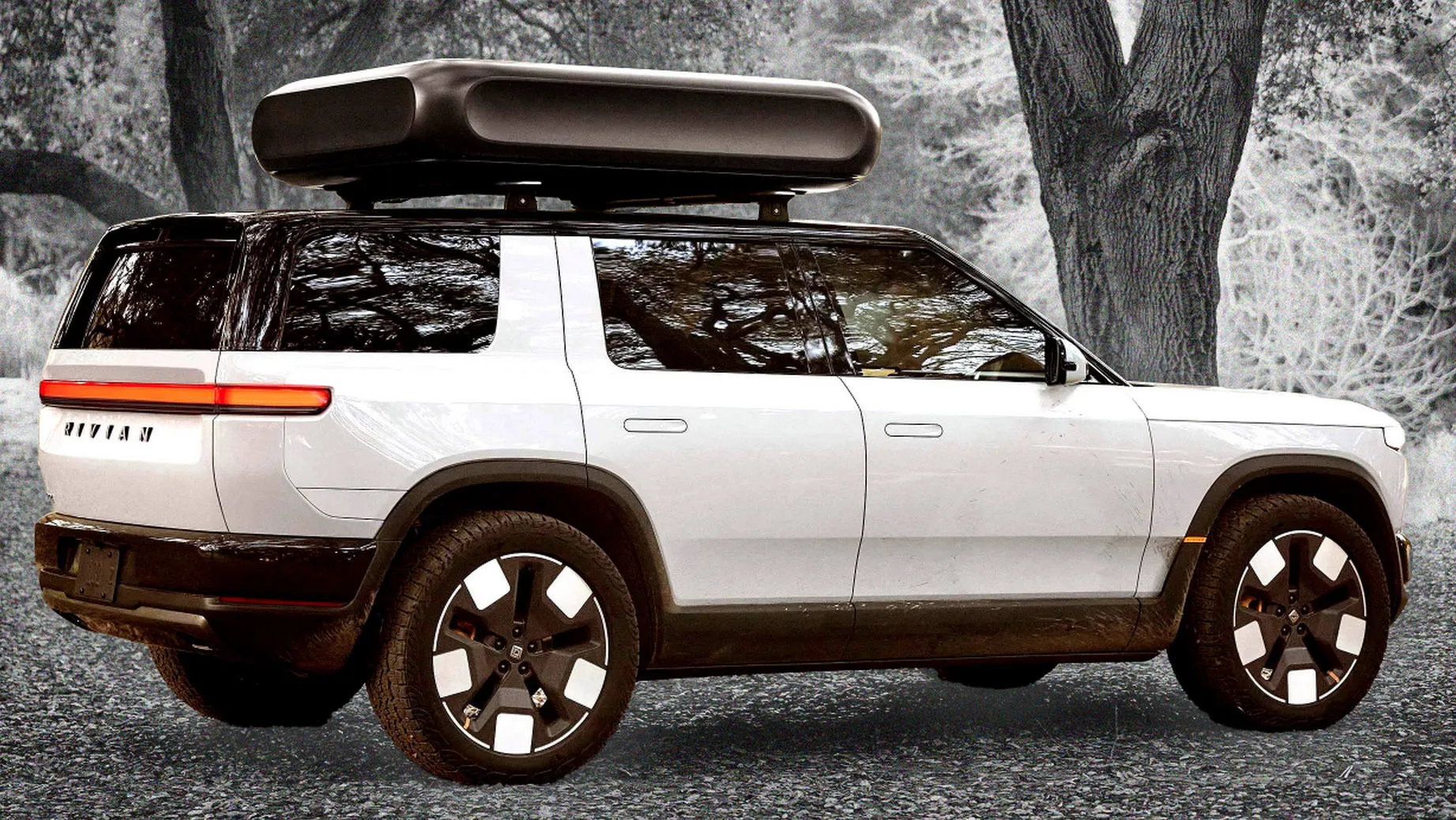
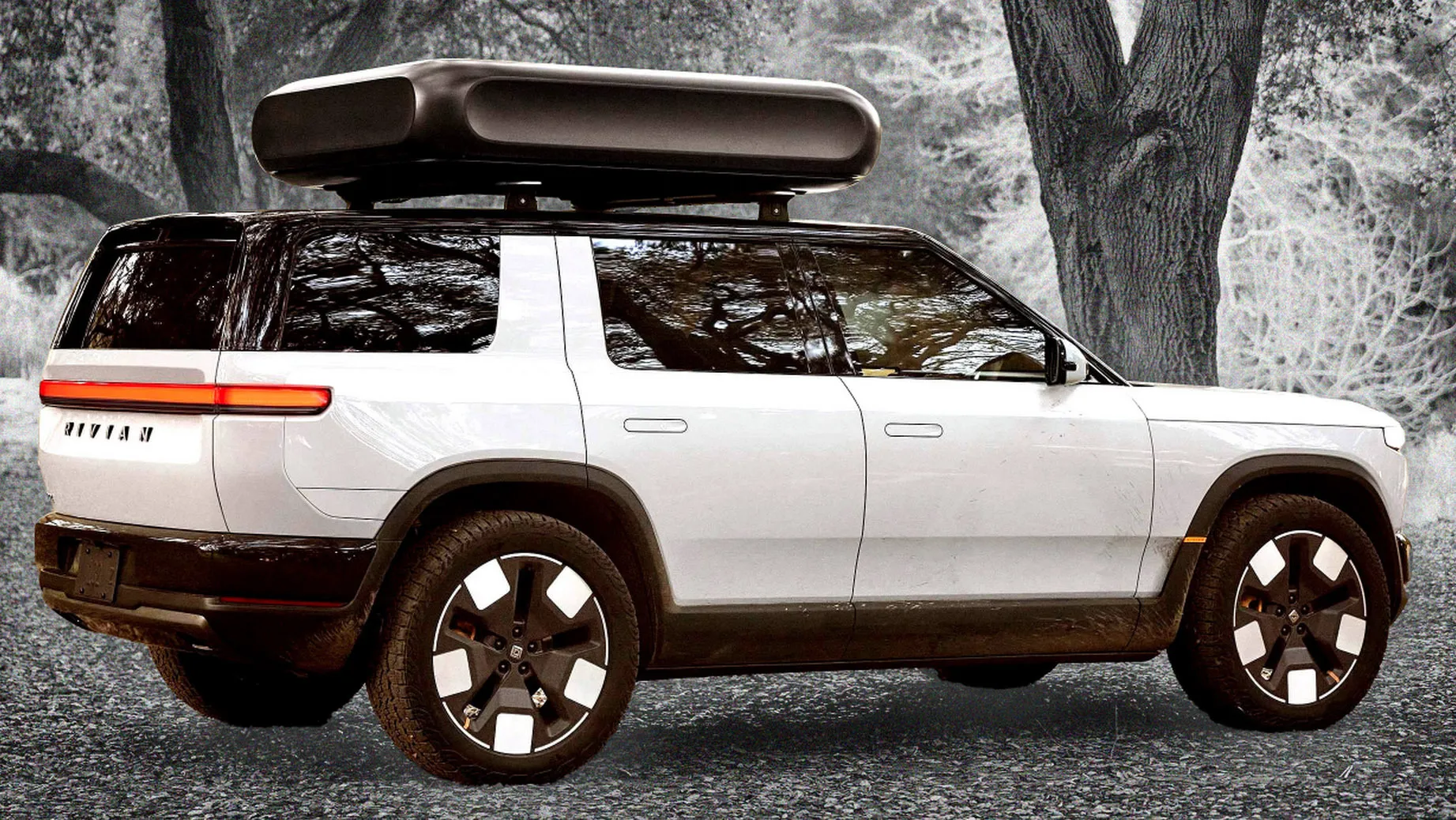
Rivian Signals More R2 Variants as Affordable Electric Expansion Takes Shape

Rivian appears far from finished with the R2 platform. During a recent conversation with Reuters, chief executive officer RJ Scaringe hinted at additional body styles beyond the SUV already shown to the public, including a possible pickup and the previously discussed R2X.
The comments arrived while Rivian continues preparing its Georgia facility for future production growth.
Scaringe told Reuters, “There are other variants of R2, which we haven’t shown.” Later, he added, “So clearly there could be an R2X. There’s going to be combinations. I want to be careful not to announce the program.”
Those remarks line up with what many expected after Rivian introduced the R2 alongside the smaller R3 crossover and the rally-inspired R3X. Back then, the presentation focused heavily on compact electric utility vehicles, though one thing stood out by being absent. Rivian said nothing about a pickup based on the same architecture.
Now the possibility looks more realistic, as the R2 platform appears set to support several derivatives, helping Rivian spread development and manufacturing costs across multiple products. For a company still fighting through losses and rising competition, scale matters more than ever.
Rivian’s existing R1T and R1S have earned strong attention since launch, though their pricing keeps them outside mainstream territory for many buyers. The R2 aims directly at a broader audience.
According to the report, Rivian plans to begin the rollout with a version priced around $58,000 before cheaper trims join the range later. The company’s longer-term target seems even more important. Rivian expects a configuration costing roughly $45,000 to arrive in late 2027 with more than 275 miles (443 km) of range.
Scaringe reportedly views the Georgia plant as a key piece in reaching those lower-price variations. The factory should give Rivian room to expand the lineup while pushing production numbers higher.
Timing matters here. The American electric vehicle market has slowed during the past year as higher interest rates and the loss of federal incentives placed more pressure on buyers. Rivian also faces growing pressure from Tesla, Hyundai, traditional automakers, and premium brands, including BMW, all moving deeper into the lower-priced electric crossover segment.
The company seems aware of the situation, and right now, the R2 carries more responsibility than a typical new model launch. Rivian needs volume. It needs affordability. And judging by Scaringe’s comments, the brand believes extra variants tied to the same platform could help reach both goals faster.
A pickup version still lacks confirmation. Even so, Rivian no longer sounds interested in keeping the R2 family small.


More Stories
Lewis Hamilton’ Dream Ferrari F40 is a Barn Find That Sat for 30 Years
Lewis Hamilton has added one of the most iconic supercars ever built to his garage, and this one comes with...
The New Wave of Retro EV Car Designs
EV Car design is changing. As the industry shifts to electric, some of the most talked-about new models are not...
Hyundai Boulder SUV Looks More Likely as CEO Teases Family of Body-on-Frame Vehicles
Hyundai may be getting much more serious about taking on rugged SUVs such as the Ford Bronco, Jeep Wrangler, and...
2027 Chevrolet Traverse Invoice Price, Dealer Cost, and How to Get the Best Deal Near You
The 2027 Chevrolet Traverse is on dealer lots now with confirmed pricing and two genuinely useful updates that make it...
2027 Nissan Rogue e-Power Hybrid Launch Accelerated as RAV4 and CR-V Pressure Builds
Nissan is moving faster than expected to get its next-generation Rogue Hybrid into U.S. showrooms, and the timing makes plenty...
2027 Hyundai Palisade Invoice Price, Dealer Cost, and How to Get the Best Deal Near You
The 2027 Hyundai Palisade is confirmed on sale with pricing live on Hyundai USA’s own website, and the buying conditions...