
Trump Extends Jones Act Waiver for 90 Days to Ease Energy Crunch

By Tom Ozimek
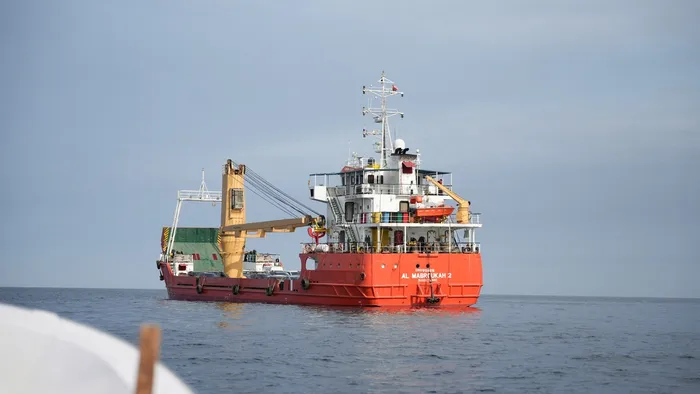
President Donald Trump has extended a waiver of the century-old Jones Act for 90 days, allowing foreign-flagged vessels to transport fuel and other goods between U.S. ports in order to ease price pressures triggered by the Iran war and disruptions in the Strait of Hormuz.
White House assistant press secretary Taylor Rogers said in a social media post on April 24 that “new data compiled since the initial waiver was issued revealed that significantly more supply was able to reach U.S. ports faster,” adding the extension would provide “certainty and stability” for the U.S. and global economies.
She added that the move would help ensure “vital energy products, industrial materials, and agricultural necessities are maintained.”
Trump first issued a 60-day waiver in March, part of a broader effort to stabilize oil markets following the joint U.S.–Israeli military operation against Iran. The conflict has sharply disrupted shipping through the Strait of Hormuz, a critical artery for global oil and liquefied natural gas flows, where vessel traffic remains well below pre-war levels.
How the Waiver Works
The Jones Act requires goods shipped between U.S. ports to travel on vessels that are built, owned, flagged, and crewed by Americans, a rule designed to support the domestic maritime industry and ensure military readiness.
Temporarily waiving the law allows foreign tankers to help move crude oil, refined fuels, and other commodities between U.S. ports, increasing the number of available vessels. That can speed up deliveries to refineries and consumers, helping ease supply bottlenecks and moderate price pressures at a time of global disruption.
The waiver applies to a range of goods, including crude oil, natural gas, coal, fertilizer, and refined petroleum products. Trump administration officials have described the move as a targeted, short-term measure aimed at cushioning the domestic impact of a global supply shock.
“President Trump’s decision to issue a 60-day Jones Act waiver is just another step to mitigate the short-term disruptions to the oil market as the U.S. military continues meeting the objectives of Operation Epic Fury,” White House press secretary Karoline Leavitt said in a post on X on March 18, adding that the move was part of the administration’s commitment to strengthening the nation’s critical supply chains.
Broader Energy and Security Measures
The shipping waiver comes as Washington ramps up a wide-ranging campaign to contain Iran’s warfighting ability by expanding the U.S. naval blockade targeting Iranian-linked vessels, including ones carrying oil.
Secretary of War Pete Hegseth said at an April 24 press briefing that the United States had imposed an “ironclad blockade” that is “growing more powerful by the day,” adding that vessels tied to Iran are being turned away or seized across multiple regions.
U.S. forces have also boarded and interdicted ships suspected of transporting Iranian oil, part of a broader effort to cut off Tehran’s revenue streams that help fund its war effort.
The conflict—in particular Iran’s blockade of the Strait of Hormuz—has fueled volatility in global energy markets, with oil prices surging since the outbreak of hostilities.
To offset the disruptions, the Trump administration has deployed a series of additional steps, including releases from the Strategic Petroleum Reserve, coordination with allies on emergency stockpile drawdowns, and efforts to restore shipping flows through the Strait of Hormuz.
Trump said on April 23 that he had authorized the U.S. military to “shoot and kill” Iranian boats placing mines in the Strait of Hormuz in a bid to ease shipping through the strategic waterway.
“There is to be no hesitation,” Trump wrote in a post on Truth Social, adding that Iran’s fleet of small, high-speed boats would not be spared.
Hegseth said during Friday’s press briefing that Trump’s authorization extends to any Iranian vessels seeking to disrupt shipping in the Strait of Hormuz, while calling on U.S. allies that depend on Gulf oil to “get in a boat” and join the fight.
Andrew Moran contributed to this report.

More Stories
Jessica Biel Bio: Net Worth, Career, and Personal Life
Jessica Biel has built a notable career in Hollywood. She began as a teenage television star and has since moved...
Why the Bakken Remains One of America’s Most Important Oil-Producing Regions
When most Americans think about domestic oil production, Texas probably comes to mind first. But more than a thousand miles...
Is A Different World Season 2 Renewed? Release Date, Episodes & More
Finished watching the first season of A Different World! Now searching for the renewal status and more details about A...
The Gentlemen Season 2 is Airing: Know About the Plot, Episodes, and Cast
Eddie has returned with season 2 of The Gentlemen. This time, his appearance and costumes reflect his new life as...
LEGO ONE PIECE is Live! Where to Watch and Full Cast Updates
Good news for Straw Hats fans who were waiting for the release of LEGO ONE PIECE Season 3. No, its...
Rebel Moon 3: Release Date, Cast Members, and Production Details
Zack Snyder has finally spoken about the release of Rebel Moon 3 after the release of the second sequel in...