

2027 BMW i7 Refresh Signals a Smarter Sharper Future for BMW’s Flagship EV

BMW appears ready to give the i7 something it badly needs in the fast-moving luxury EV space, a meaningful refresh that keeps its flagship electric sedan feeling current without throwing away what already works. The big story is the expected adoption of Neue Klasse-inspired styling and a broader technology update, which together should help the i7 feel less like an early chapter in BMW’s electric luxury story and more like a bridge to what comes next.
That matters because the i7 has never been a forgettable car. It has always delivered presence, comfort, and the kind of road-going isolation buyers in this segment expect. At the same time, it has lived through a period where EV design, software, and user experience have evolved at a much faster pace than traditional luxury sedan buyers are used to. A refresh like this is BMW’s chance to tighten the formula and remind everyone that the i7 is still a serious contender in the upper end of the electric market.
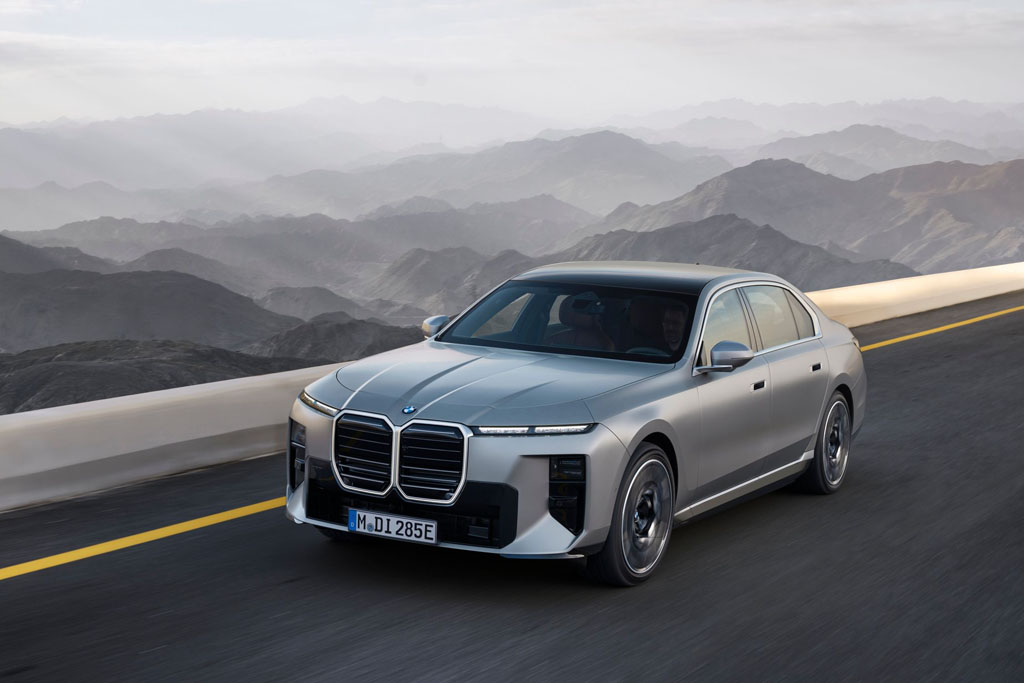
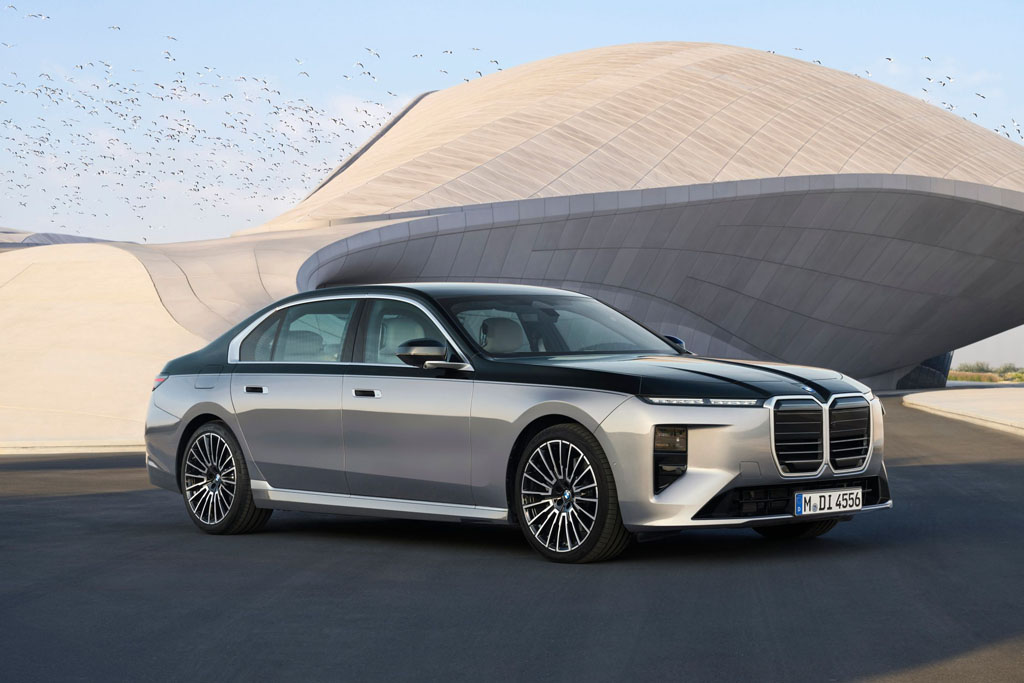
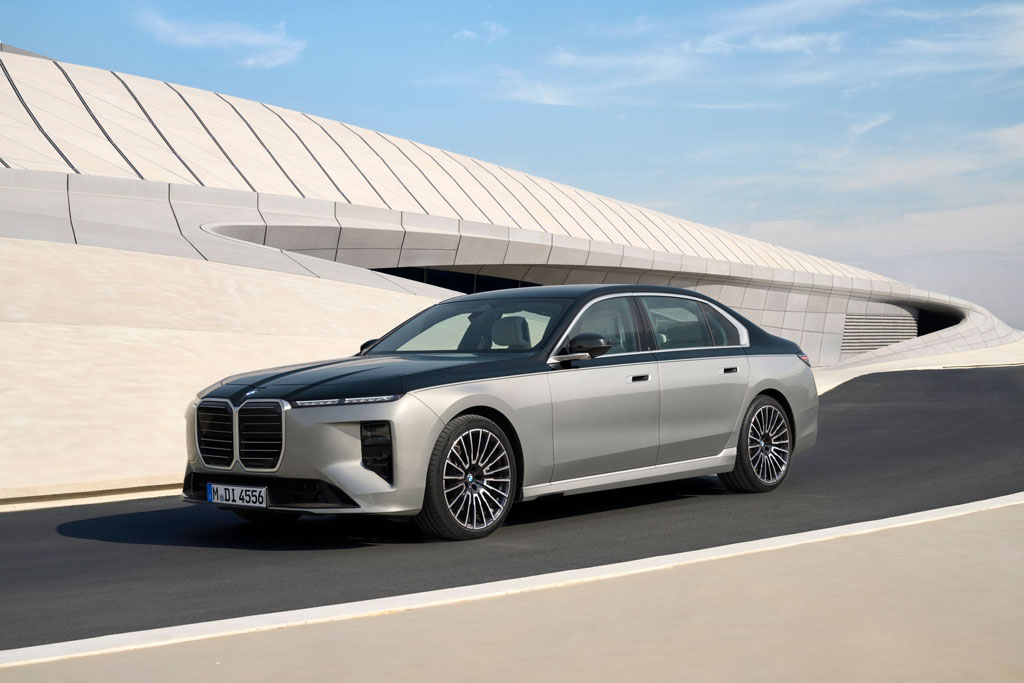
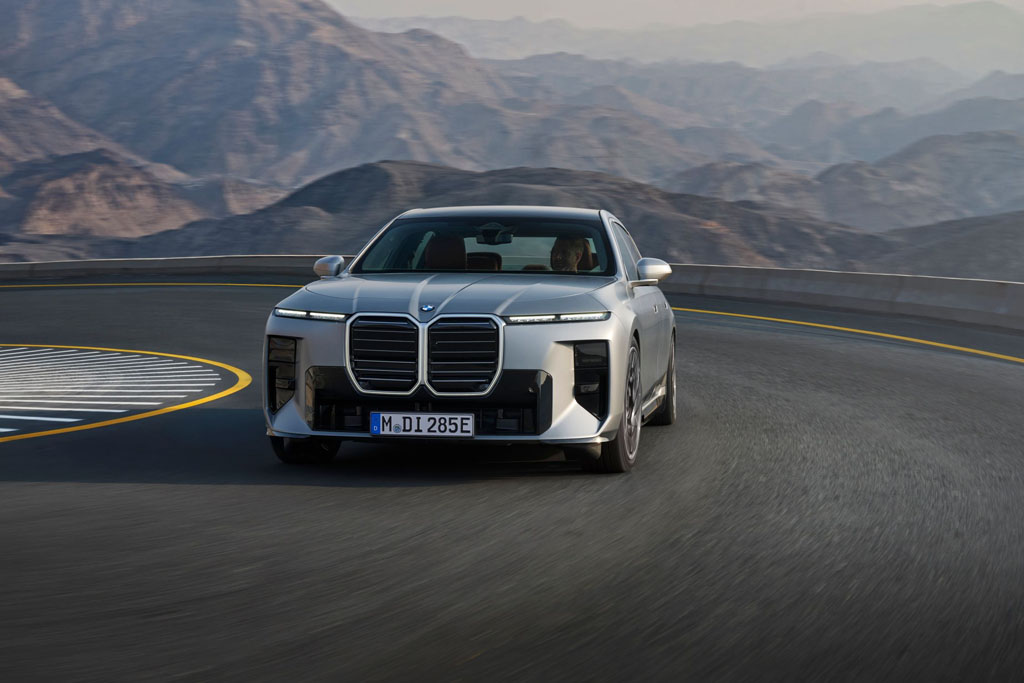
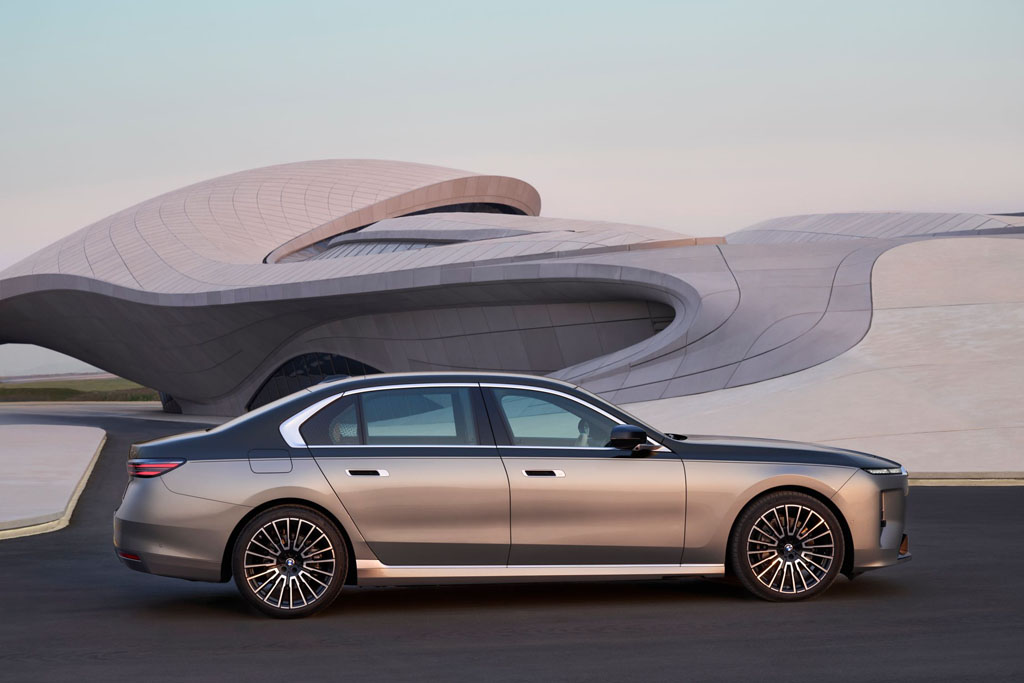
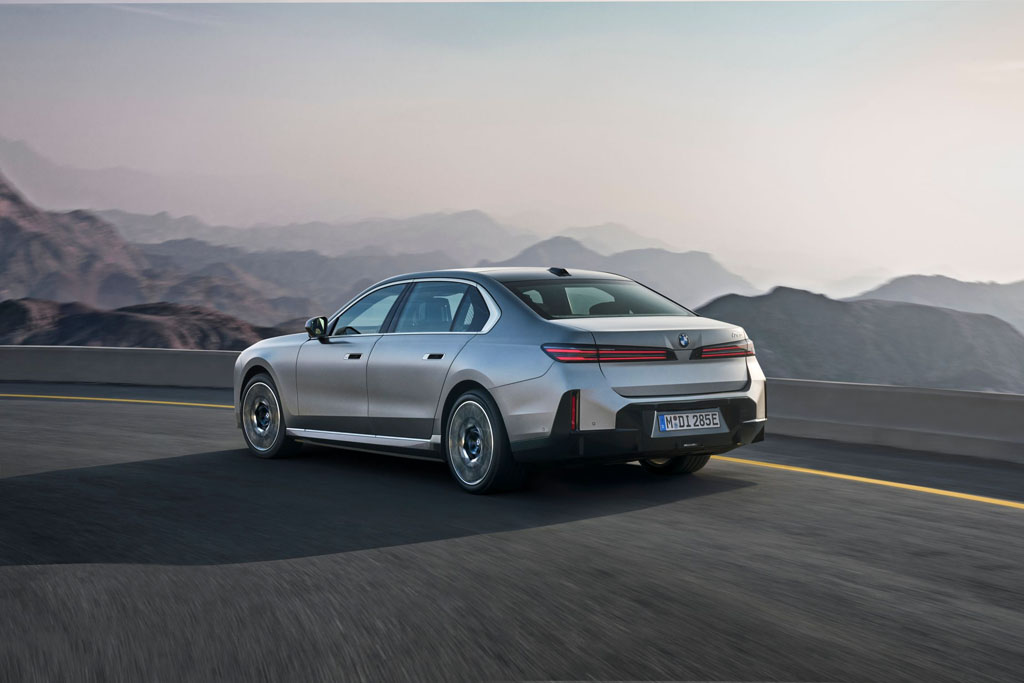
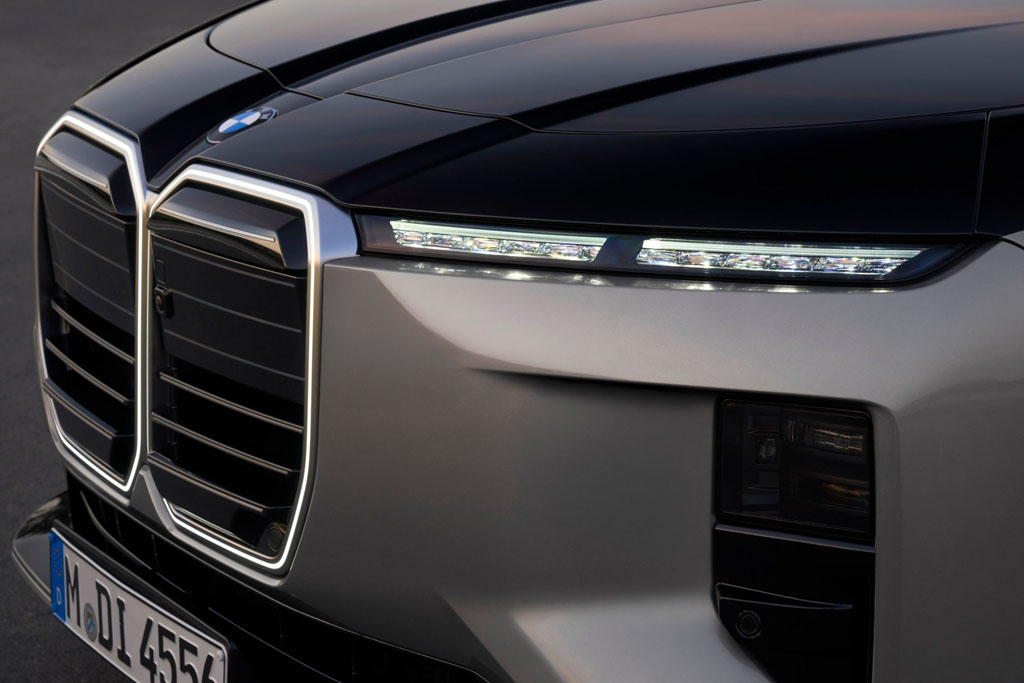
From a design standpoint, the Neue Klasse influence could be exactly what the i7 needs. BMW’s upcoming design language has leaned cleaner, more modern, and less visually busy, which could help the i7 look more cohesive and more elegant. On a large sedan, subtle changes can make a big difference. A revised front end, cleaner lighting details, and a sharper overall presentation could give the car a fresher identity while keeping the commanding stance that makes the 7 Series family feel appropriately flagship-level.
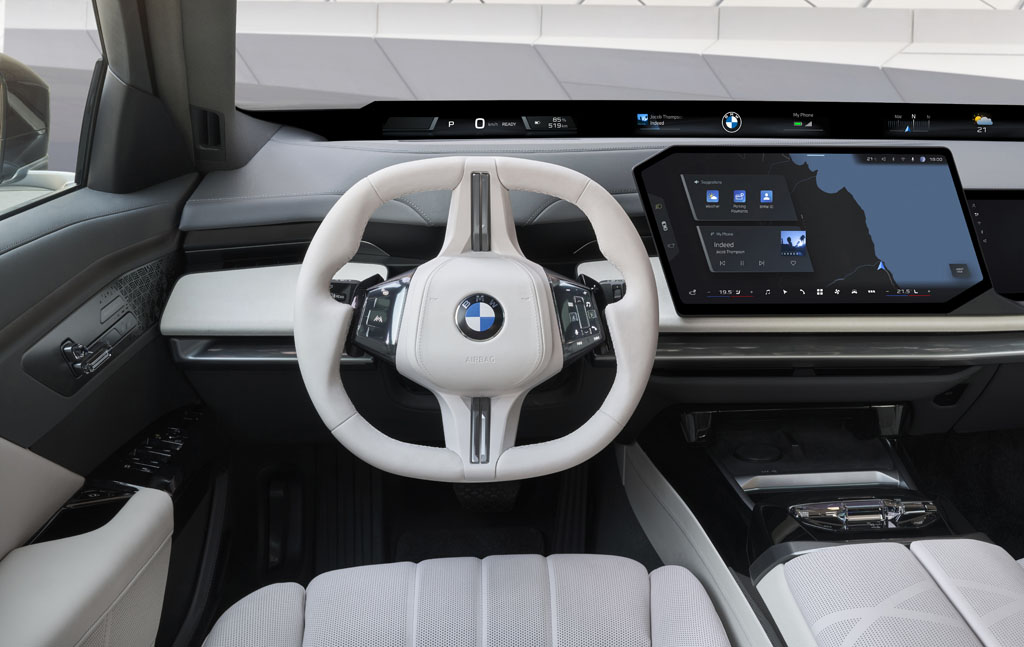
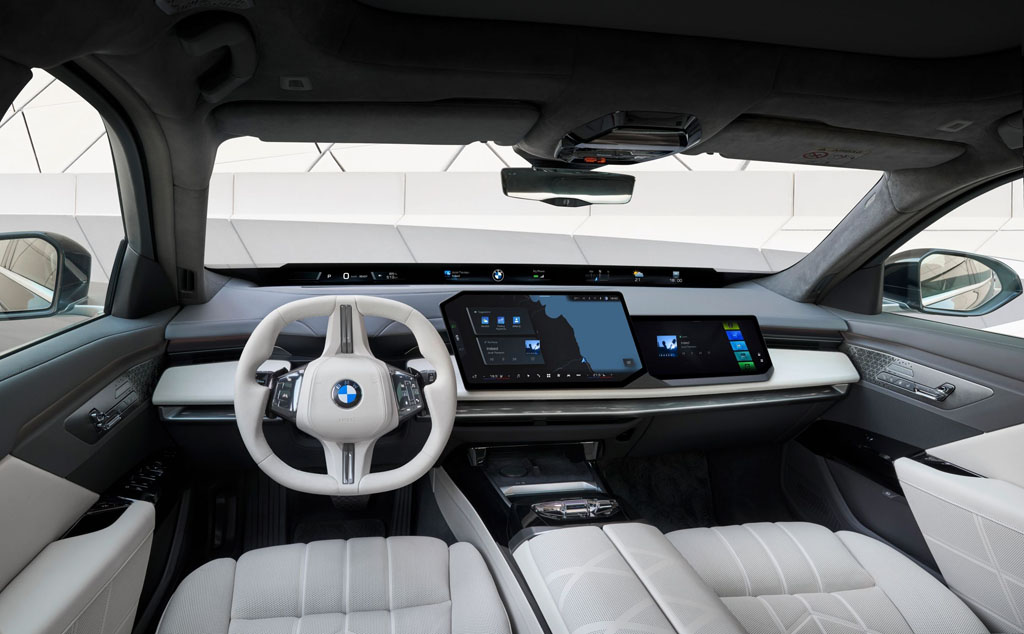
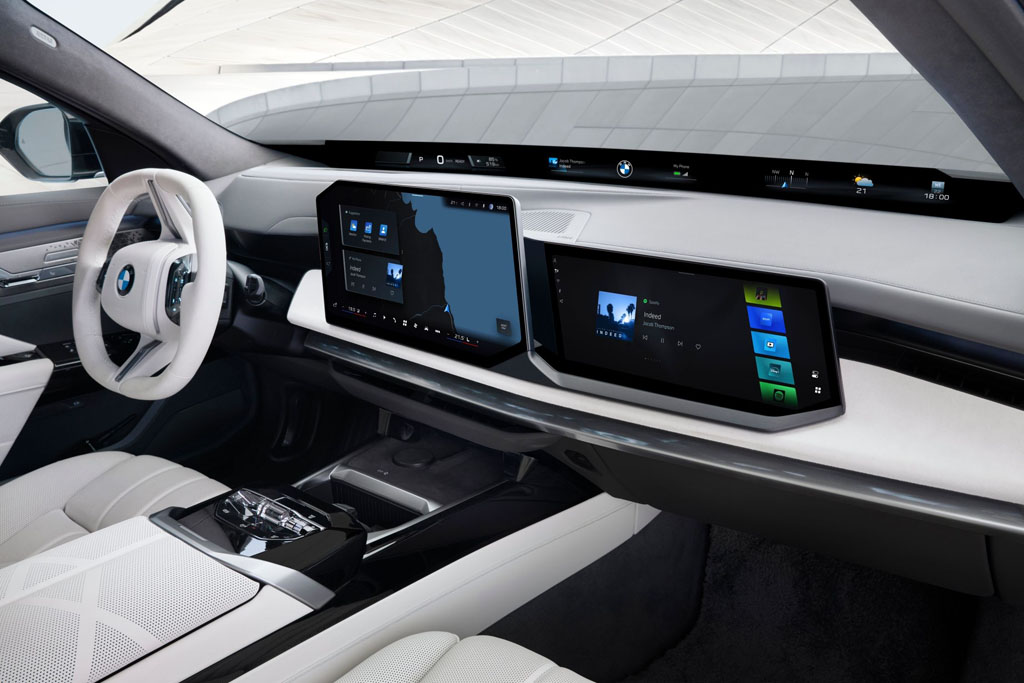
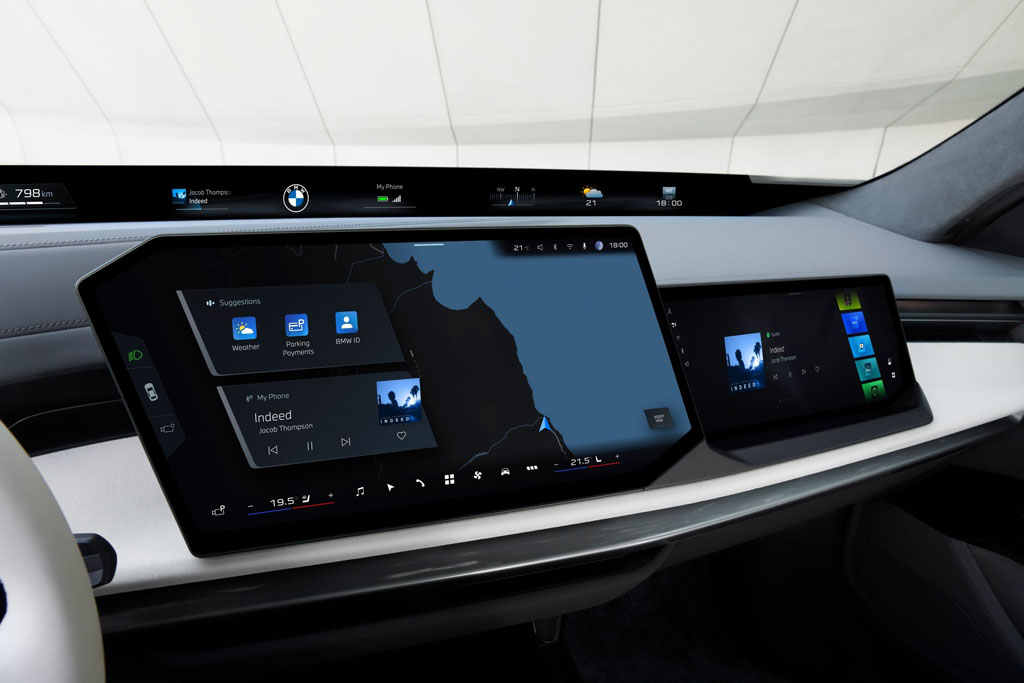
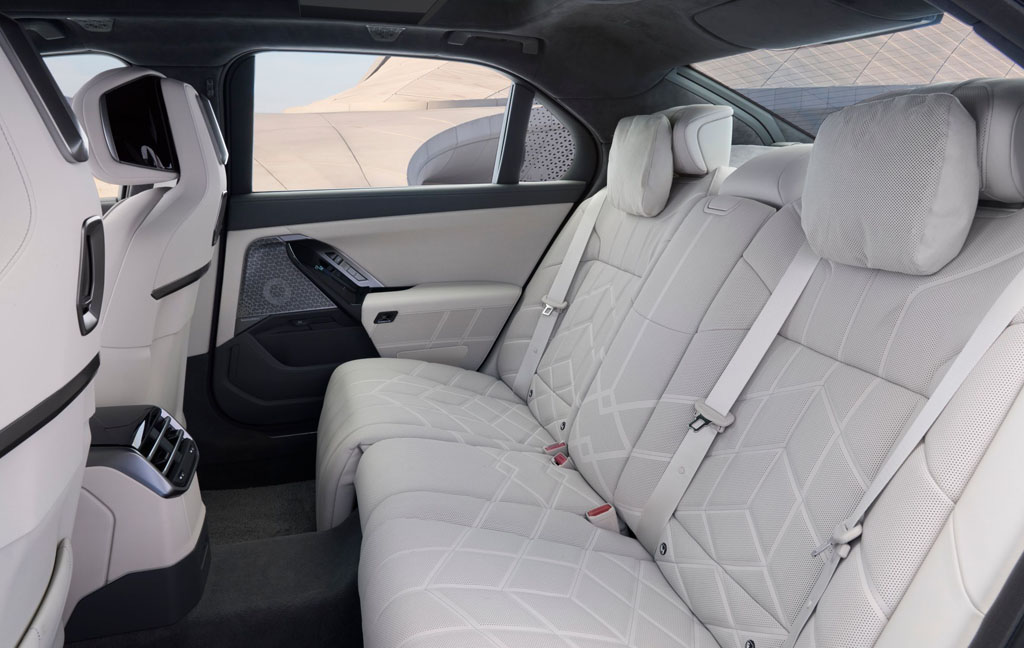
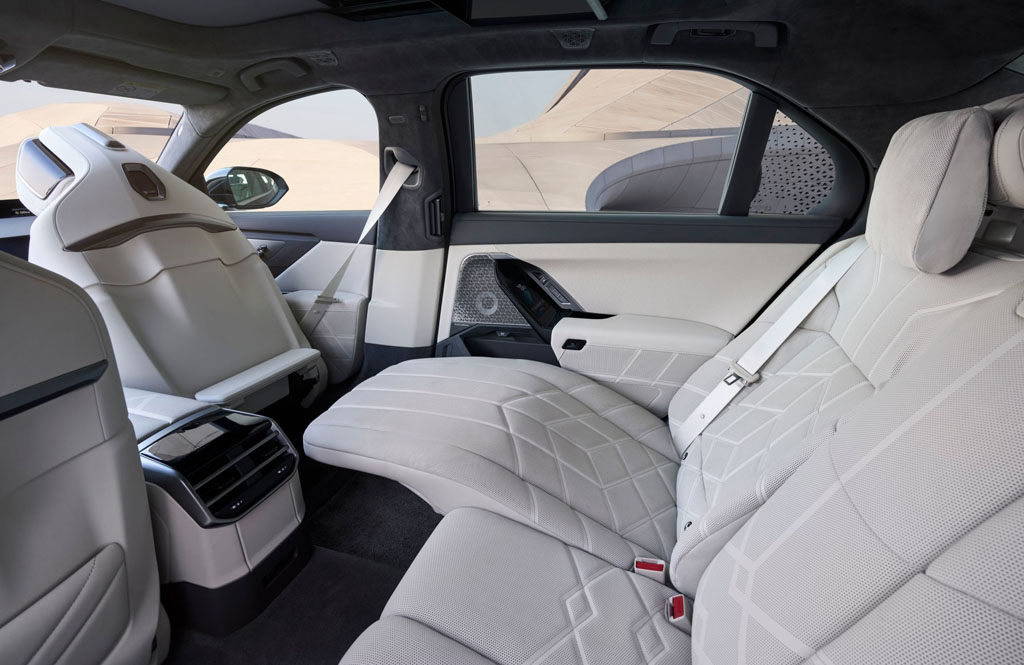
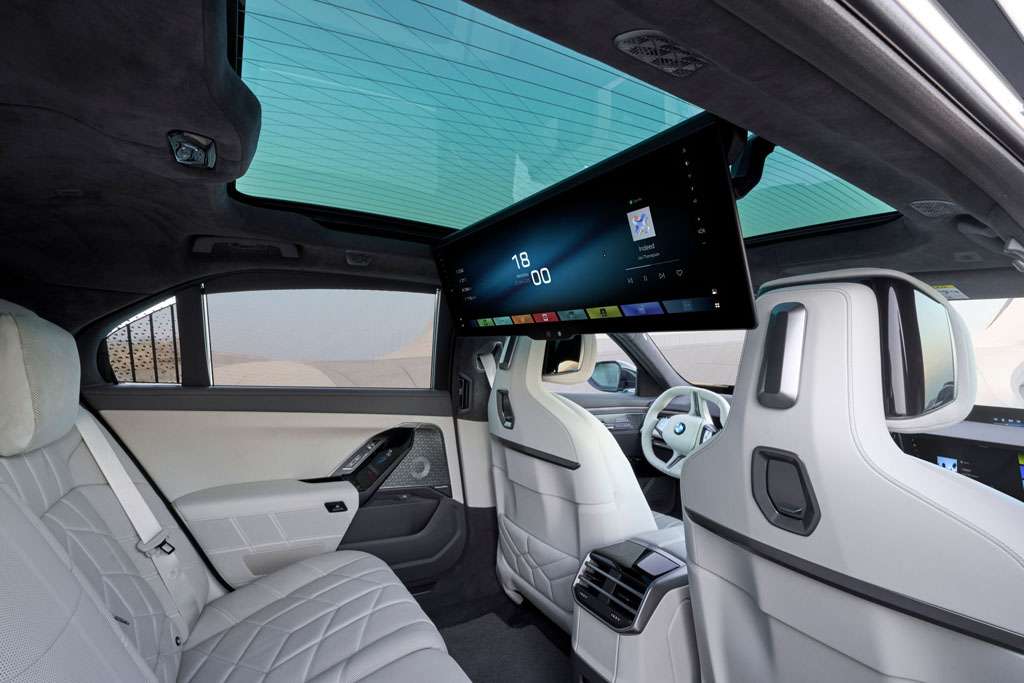
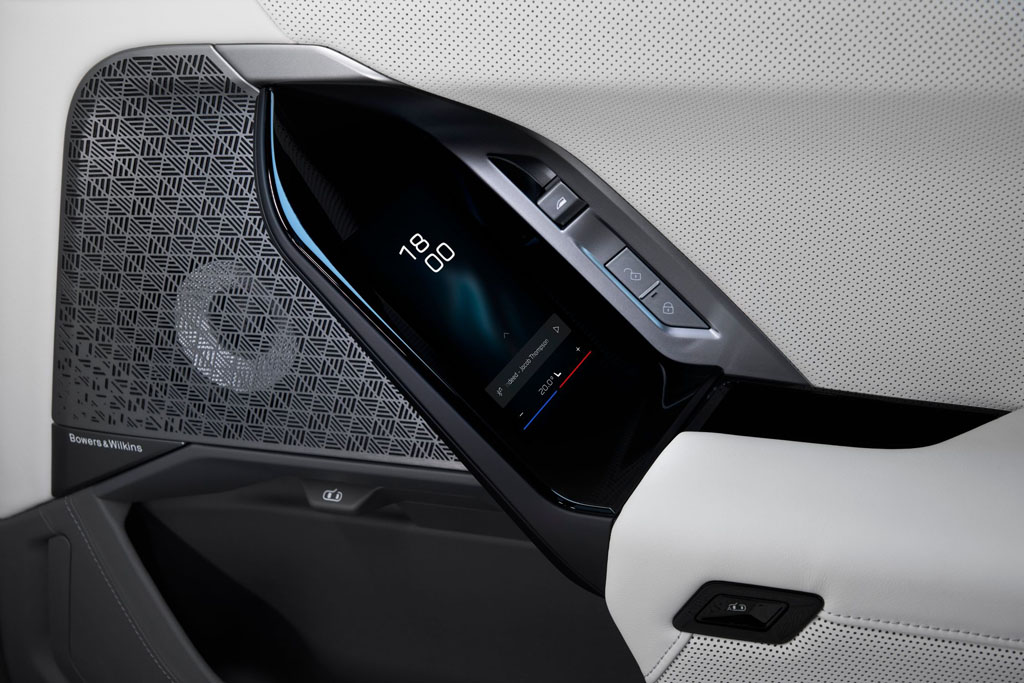
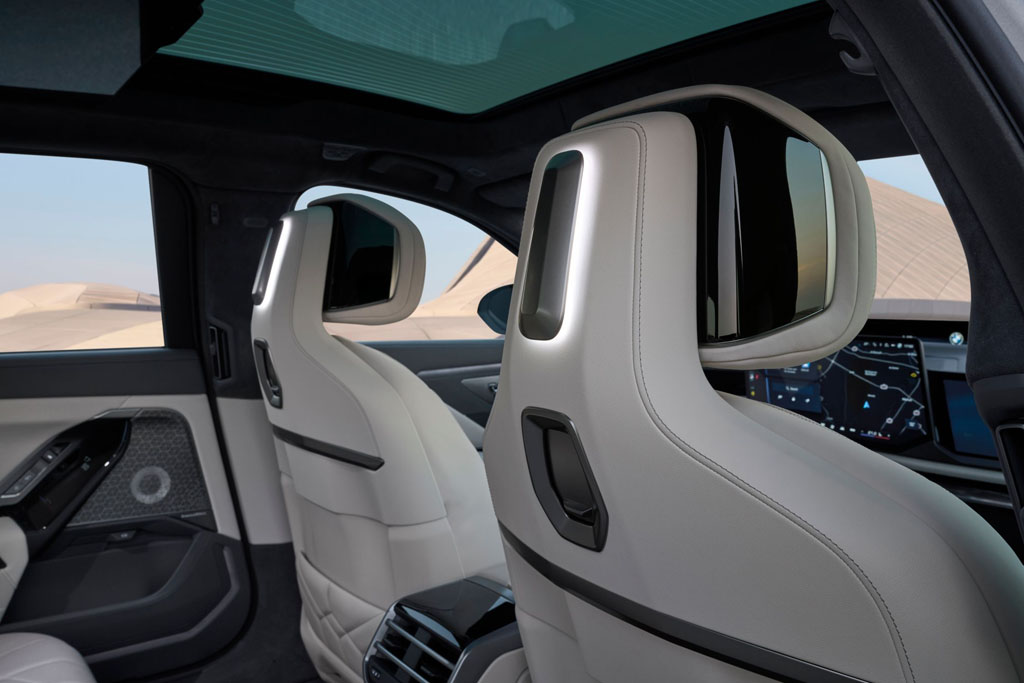
Inside, the real opportunity may be even bigger. Luxury buyers today are not only shopping leather quality, rear-seat space, and ride comfort. They are also judging how quickly a car’s digital experience feels dated. If BMW uses this refresh to roll in a more advanced interface, improved displays, and a more seamless in-cabin tech environment, that could do a lot to strengthen the i7’s appeal. In this class, a beautiful cabin is expected. A cabin that feels intuitive, modern, and genuinely useful is what separates the good from the great.
The timing also makes sense. The premium EV market is no longer impressed by badge value alone. Buyers want range confidence, charging convenience, standout comfort, and technology that feels polished every day, not just during a showroom demo. BMW knows the i7 cannot simply coast on its size, power, and prestige. Giving it a stronger visual connection to the Neue Klasse era tells buyers that the brand is moving forward, even before its next generation of EVs fully takes over.
There is also something smart about BMW refreshing the i7 instead of rushing into a total reinvention. The current car already has the bones of a proper flagship. It is spacious, quiet, and unmistakably premium. What it needs is refinement in the areas that move quickest in today’s market, namely design language, digital experience, and overall freshness. That is often the best kind of update because it builds on an already strong foundation instead of fixing a car that missed the mark in the first place.
For BMW, this is about more than one model. The i7 sits at the top of the lineup, and whatever happens here sends a message about the brand’s larger electric direction. If the flagship can successfully blend traditional 7 Series luxury with the cleaner, more future-focused feel of Neue Klasse thinking, it gives BMW a stronger identity at a time when many automakers are still trying to figure out how their EVs should look, feel, and behave.
In the end, a refreshed i7 sounds like exactly the kind of move BMW needed to make. It is not about reinventing the luxury sedan overnight. It is about keeping a high-end EV relevant in a segment where expectations never sit still. With sharper styling cues and upgraded technology on the way, the i7 may be getting more than a simple mid-cycle update. It may be getting a second chance to define what a modern electric BMW flagship should be.


More Stories
A Simple Pre-Winter Check for Your Tires and Battery
The first cold morning of the season has a way of finding the weak spots in a car. A tire...
Porsche Mission S Hypercar Teased with 8,000-RPM Redline Ahead of October 15 Reveal
Porsche is preparing to make a serious statement in the world of high-performance automobiles, and its upcoming Mission S hypercar...
Chinese Automaker Geely Coming to Canada in 2027 as New Import Rules Open the Door to Affordable EVs
The North American automotive landscape could be in for a significant shakeup as Chinese automotive giant Geely Auto has officially...
Rivian Goes Ghostbusters for Halloween with Ecto-1 Inspired EVs and Spooky Software Update
Rivian is getting into the Halloween spirit in a big way this year, and fans of the iconic Ghostbusters movies...
Keeping the Ram You Love, Updating the Part You Use Every Day
A favorite vehicle earns its place through use. There are the trips you planned for months, the quick runs for...
Is Your Car Ready for Colorado’s Traction Law?
A clear forecast in Denver can turn into a whiteout at the Eisenhower Tunnel. When that happens, the Colorado Department...