
What Evidence Matters Most When Pursuing a Car Accident Claim

Florida’s expansive highways, busy coastal cities, and constant flow of residents and visitors create driving conditions where accidents are an everyday reality rather than a rare occurrence. With hundreds of thousands of crashes reported annually, often exceeding 390,000 incidents statewide, drivers across Florida face risks that can turn routine trips into complex legal situations.
In such an environment, pursuing a car accident claim is not just about telling your side of the story; it requires presenting clear, convincing evidence that aligns with how insurers and courts evaluate fault and damages. Understanding what evidence matters most becomes a critical first step in building a strong claim and avoiding costly missteps. From the earliest moments after a collision, the details you preserve can shape the outcome of your case. A Gold Law car accident lawyer can help ensure that the right evidence is gathered, organized, and used effectively to support your claim and maximize your chances of fair compensation.
Police Reports
Official statements made by the police will carry great weight when the claim is investigated. These papers clarify the essential details of the accident and vehicle locations and widely feature statements by witnesses. These writings are typically objective and serve to elucidate points of contention. Adjusters and judges default to believing what the police documented rather than what you remember.
Photographs and Videos
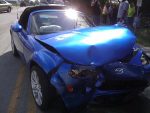
Sometimes, a picture is worth a thousand words. Photo of the crash scene, damage to a vehicle, or a bruised appendage. Nothing says “I was hurt” like a photo showing its aftermath. Footage of the sequence of events surrounding the incident or footage of the highway conditions in the moments leading up to the incident. Such documents help validate the force of the impact, the position of each vehicle, and the degree of injury sustained.
Medical Records
The key to any injury claim is having solid documentation from a medical professional. Medical records from hospitals, clinics, and therapists document the presence, severity, and treatment of physical injuries. It links the accident directly with the injuries alleged, a point that will often be litigated against defendant insurers. Regular medical appointments and well-documented medical records also help point to chronic pain, discomfort, and permanent problems.
Eyewitness Testimonies
This is something to be expected from third parties who are neutral and who could give you insights that might not be possible from people present during the incident. The witnesses who were there when the collision occurred can either confirm events, help one side over another, or provide new information. Quickly gather written or recorded statements while memories are still fresh. Even more reliable is a disinterested witness, especially if the drivers disagree on who was to blame.
Expert Opinions
In some cases, expert opinion clarifies technical parameters. So accident reconstruction experts might take a look at the skid marks, the positions of all vehicles involved, the way in which they were damaged, etc. That could help to establish things like speed, direction, and points of impact. For instance, medical experts can provide testimony regarding the causation of the injury or future care requirements. Such opinions can settle a dispute that cannot be resolved by ordinary evidence.
Vehicle Damage Assessments
Pros: Repair estimates and photos illustrate how serious the crash was. This means mechanics and appraisers can record whether that damage is consistent with the impact that was reported. This is valuable information, as larger damage usually means more serious injury. If the tale matches the condition of the vehicles, there is some credibility.
Proof of Expenses
Get a record of the financial losses supporting a claim for reimbursement. Medical bills, costs of repair, and other receipts prove the accident’s impact in real terms. If lost earnings occurred from taking time off work due to injuries, receiving copies of pay stubs or written correspondence from an employer can offer proof of lost wages. Gathering these documents early prevents an argument over how much is owed.
Communication Records
Having copies of correspondence with insurance companies, medical providers, and others may help clarify what was reported and when. Such records may include emails, texts, or even letters after the fact. Having an organized file enables claimants to demonstrate that they took the necessary steps and provided information on time.
Accident Scene Evidence
They reconstruct things based on what was found there, such as marks from tires, glass, or other debris and broken barriers. Additional context may come from local security camera footage or dashcams. Capturing these details now, before they fade away, allows us to reconstruct a more accurate history of what took place.
Conclusion
The speed and comprehensiveness with which a good deal of the appropriate evidence is collected can make all the difference in the eventual outcome of a car accident claim. A bedrock of police reports, photos, medical records, and statements generally support a solid case. Adding credible inputs from specialists, damage assessment, and systematically documented expenses adds to the credibility. With thorough preparation and attention to detail, the tale of the injured party most often gets the proper attention and consideration.

More Stories
Best Mirror Dash Cam 2026: Why It’s Time to Upgrade Your Rearview Mirror
If you’ve been driving with the same factory rearview mirror for years, you’re missing out on one of the easiest...
Best 4K Dash Cam 2026: Features, Resolution, and What to Look For
Dash cam footage can only tell you so much, and what it shows depends on what’s visible in the recorded...
Truck Bed Mat Buying Guide: What Actually Protects Your Truck Bed
A truck’s bed takes abuse that few other parts of a vehicle can withstand. Jobsite tools sliding in the bed,...
Nashville Got More Popular and the Roads Got the Bill
Nashville’s growth over the past decade has been the kind of story that shows up constantly in headlines, new residents...
New Renault Trafic E-Tech Can Travel More Than 470 KM – but the Software May Be the Bigger Story
A delivery van with more than 470 km of electric range is useful. A van that can change what it...
France 1982: Renault 9 shakes models ranking, market passes 2 million mark
Renault 9 19/09/2026 update: Now with Top 55 All brands and Top 200 All models. We go through another trip...