
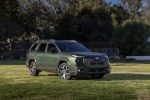
2026 Subaru Outback Premium Review & Test Drive

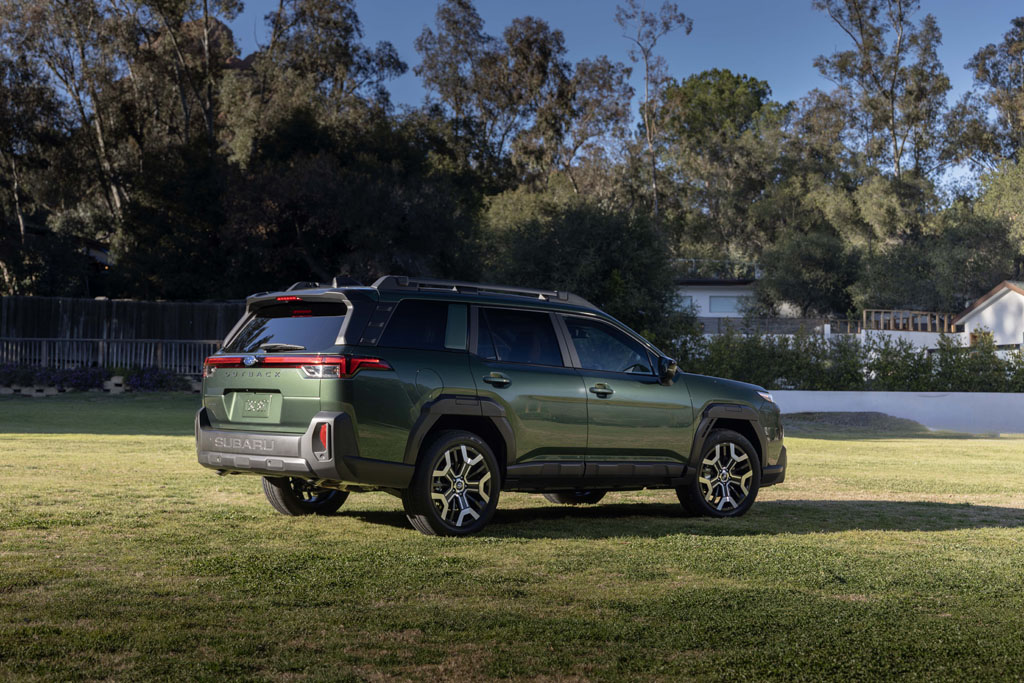
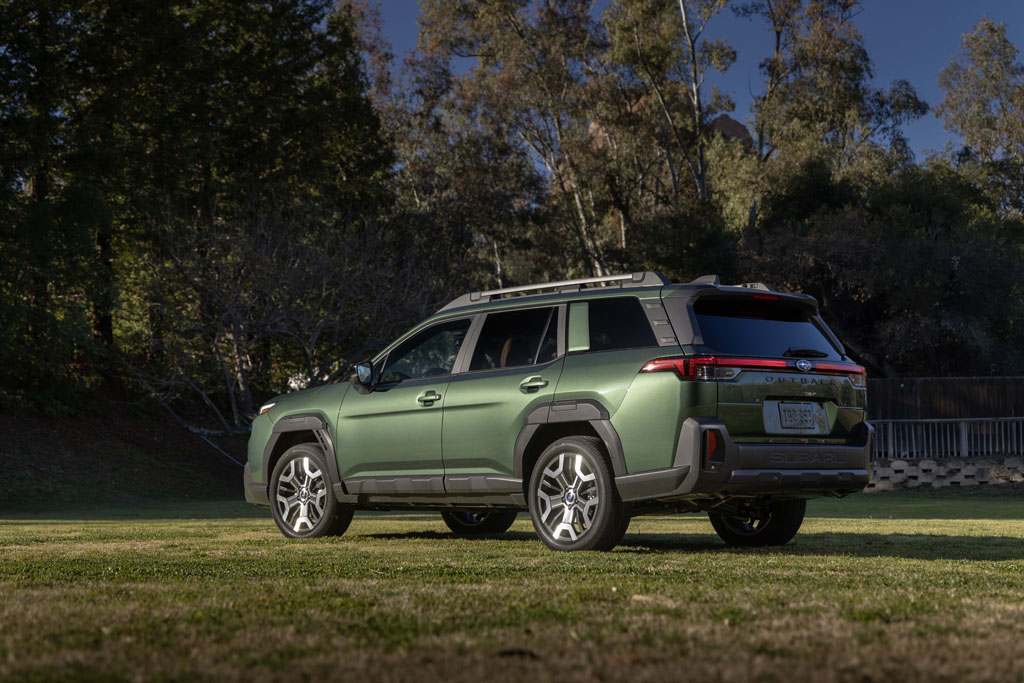
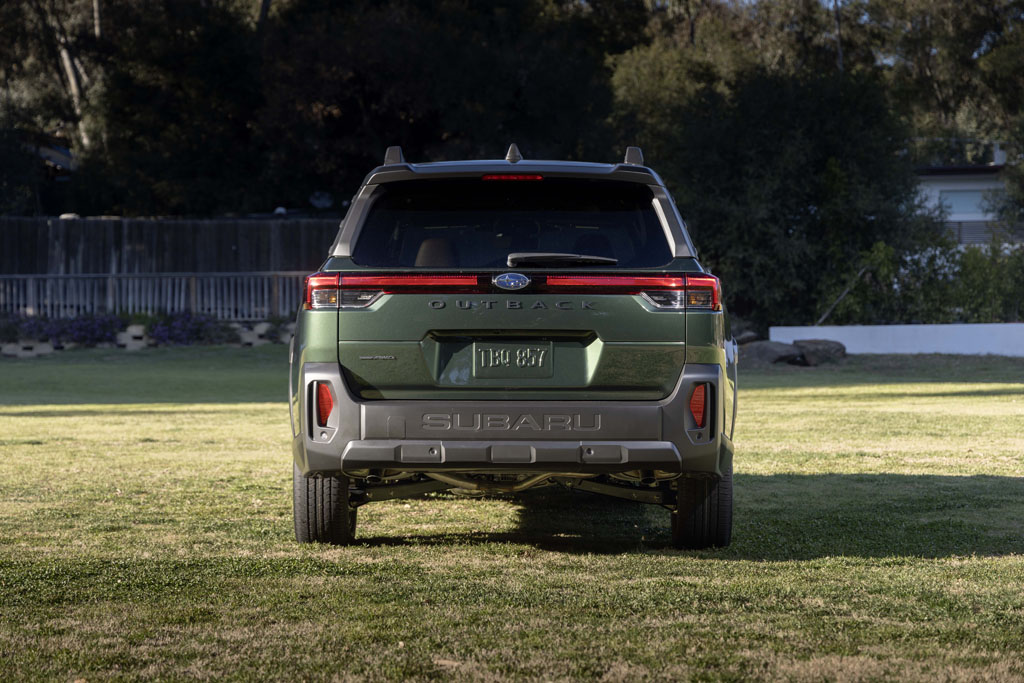
The Subaru brand isn’t authentic without the Outback being the vehicle with brand lineage that has stood the test of time. I can even remember the old Paul Hogan commercials for the Outback, being a force that connected so many newfound fans of the brand and setting a precedent for such a strong love of the lineup of affordable all-wheel-drive vehicles. For the 2026 model year, the Outback gets a redesign, but one to keep its strong base appeased with the subtle changes that start with a new look that appears more cohesive for being a rugged vehicle ready for adventure and somewhat shrugging off the old lifted-wagon theme. Now, the Outback is more chiseled and boxy in its look and finds more of its place in being a tall-statured vehicle without going full-on SUV. Though the Outback continues to position itself alongside a wide swath of SUVs, which isn’t a bad thing as such segments continue to grow.
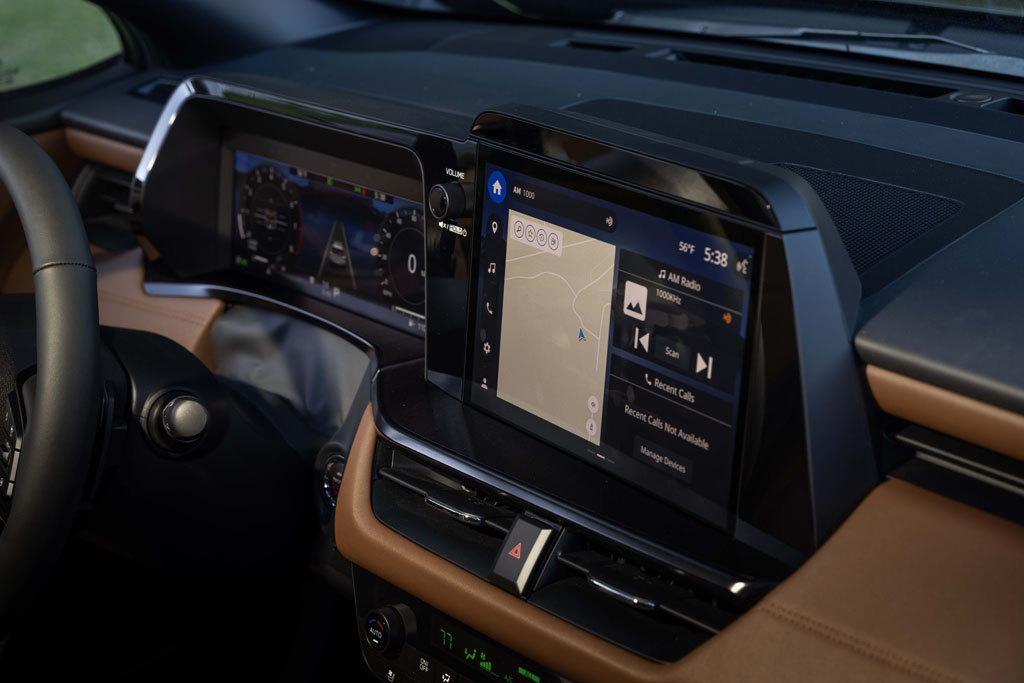
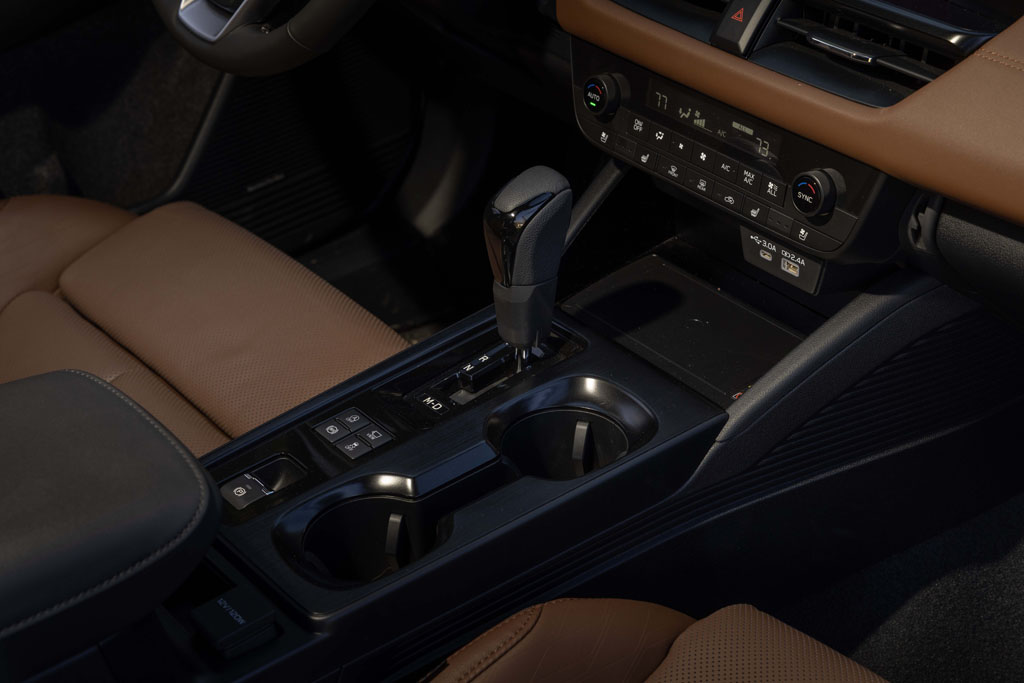
For 2026, the new Subaru Outback feels more substantial even in the base Premium trim of my test vehicle (Outback Touring shown in images), where such a trim still brings many desirables to the table. With those desirables, there’s a lot to appreciate inside and out of the new Outback that slightly departs from a hollow feeling vehicle now feeling more premium with a quieter cabin thanks to proper sound deadening and even getting double-pane (laminated) front side windows on the base trim. Moreover, there’s new welcomed equipment (optional on the Premium trim as part of a $2,270 options package), such as the new landscape-oriented 12.1-inch infotainment touchscreen that is miles better than the outgoing portrait-style setup. There’s a newfound simplicity to the controls with a full array of physical buttons for the dual-zone automatic climate control system and dedicated physical buttons for other commonly used features, such as turning off the start/stop function.
The new optional-for-the-Premium-trim infotainment system, combined with an updated 12.3-inch digital gauge cluster that supports navigation mapping from your wirelessly integrated smartphone via Apple CarPlay or Android Auto, all adds to the new appeal of the Outback and its newfound tech. The system is much userfriendlier than the outgoing setup and offers up a crisper screen and has a relatively short learning curve. On the Outback Premium trim, you still get these niceties along with a wireless smartphone charging pad, heated front seats, heated steering wheel, power front seats, and synthetic leather upholstery accented by cleverly-placed padded fabric trim throughout the cabin. The cargo area, with its theme still being a wagon type, remains vast, with about 34.6 cubic feet of space with the rear seat backs up in place. Fold the 60/40-split rear seatbacks down, and you have just over 80 cubic feet of space to work with, all accessed by a standard power liftgate with automatic close and height memory function.
There’s no doubt that Subaru took notes from its dedicated fan base and listened. Though when it comes to the powertrain, things still don’t necessarily take a leap as far as the new design and updated equipment of the new Outback. Still, for the base trims, the Outback gets the 2.5-liter boxer (horizontally opposed) 4-cylinder engine that’s now been tweaked for 180 horsepower and 178 lb-ft of torque. However, the engine continues to get mated to a Continuously Variable Transmission (CVT) that still saps some of the fun and what would have been potential for some needed extra oomph. Those who desire the extra power will be happy to find the turbocharged 2.4-liter boxer 4-cylinder engine returning and made available for the higher trim levels, sporting 260 horsepower and 277 lb-ft of torque.
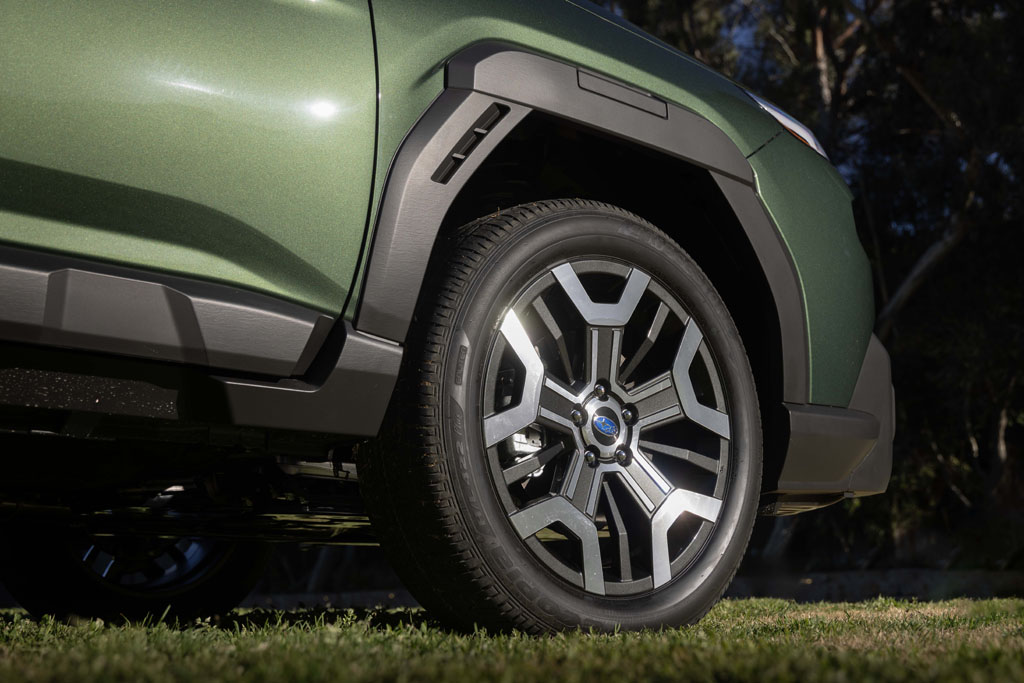
Still, acceleration is not as zippy as I would have hoped in the base Outback Premium, hitting 60 mph in about 8.7 seconds. The standard symmetrical all-wheel-drive combined with a center limited-slip differential continues to prove its worth, keeping the Outback surefooted on most surfaces and adding to its off-roading prowess. Ride quality is good with some noticeable improvements over the outgoing Outback, as there continues to be a welcome balance on the road and on many off-roading trails with its 8.7 inches of ground clearance (9.5 inches on the Wilderness trim).
The one downfall, as I tend to unfortunately repeat myself, remains that CVT, with its jerkiness still present and lackluster throttle pull at times. It’s only when you get moving around 35 mph and above that you have a good range of the CVT, making an adjustment to let the engine get into its sweet power spot closer to redline, that you feel confident in acceleration. However, initial acceleration appears to be improved comparing it to what I remember. Getting out of the hole situations seem to be better and not beholden to a slow-reacting CVT considering the power of the engine is still under 200 horsepower.
Fuel economy remains mostly consistent, matching the EPA estimates in the real world of 25 mpg city, 31 mpg highway, and 27 mpg combined. The 18-gallon fuel tank full of regular unleaded fuel gives you a highway cruising range of about 558 miles.
On the side of safety, Subaru sticks with the tradition of improving upon its EyeSight safety system, which is now available with hands-free highway driving up to 85 mph. While I did not get the hands-free function on my test vehicle (comes equipped on Touring and Touring XT trims only), the typical EyeSight lane-keeping assist feature works excellently coupled with adaptive cruise control, which are all bundled as standard features with blind-spot monitoring, rear cross-traffic alert, forward-collision warning with automated emergency braking, and a single-angle view backup camera.
Coupled with its new boxy looks, new inviting interior space that feels more premium, and a slightly reworked base powertrain that isn’t as buzzy-sounding, the new Outback is improved in just about every way, and I welcome it – as I am sure new buyers will. Subaru did justice in the redesign of the Outback, now feeling like a proper contender in the vast SUV field where its wagon traits don’t hold it back whatsoever. Additionally, the pricing scale remains reasonable, coming just under $40K for the new Outback in the Premium trim, with my test vehicle landing at $39,110, which includes a $2,270 options package, $395 Deep Emerald Green Pearl paint option, and a $1,450 delivery and destination fee.








More Stories
Honda Says the Manual Transmission Is Staying, Even as Demand Keeps Shrinking
The manual transmission may be disappearing from much of the new-car market, but Honda is not ready to give up...
Porsche 911 Challenge Arrives as a $275,000 Entry Point Into Customer Racing
Porsche is giving aspiring racers a new way into its customer motorsport program with the 2027 911 Challenge, a track-only...
Making Your Commute Safer with Better Road-Facing Illumination
Night driving changes how familiar roads feel. Reduced light can blur lane edges and delay perception of movement ahead, making...
Hyundai and Genesis EREV SUVs Are Coming in 2027 With More Than 600 Miles of Range
Hyundai is preparing to add another layer to its growing electrified vehicle strategy, and this time the answer is not...
Why Doesn’t Every Car Shipping Company Own Its Trucks?
You might have seen that not every auto transport firm possesses the vehicles that are used to transport your car....
How Rhode Island’s Driving Conditions Can Influence Your Vehicle Prep Before a Move
Rhode Island can expose weaknesses in a vehicle faster than many drivers expect. A move into the state may involve...