
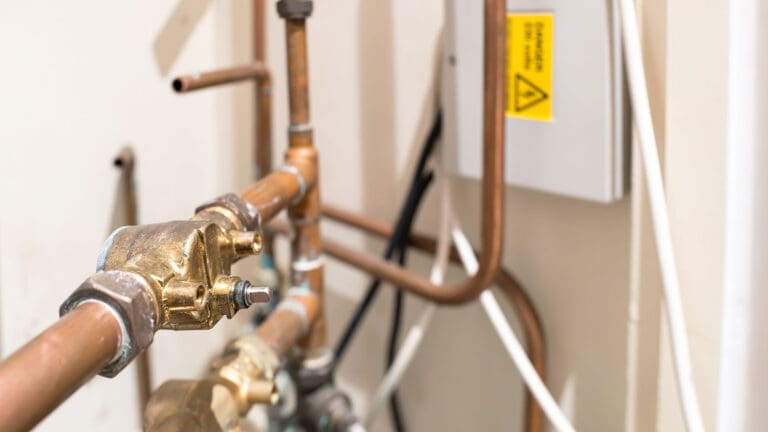
Common Industrial Pipework Problems and How Businesses Can Prevent Them

When something goes wrong, the effects can range from reduced equipment performance to costly leaks and unexpected shutdowns.
Many pipework problems start small and develop over time. A minor leak, for example, may go unnoticed until it damages nearby equipment or affects production. The way commercial industrial pipework is designed, installed and maintained plays an important role in preventing these issues. Understanding the most common problems can help businesses spot warning signs early and avoid expensive repairs.
5 Common Industrial Pipework Problems Businesses Should Watch For
Industrial pipework is often exposed to high pressure, changing temperatures and continuous use. Over time, these conditions can affect pipes, joints and other components. Knowing what causes damage makes it easier to identify problems before they become serious.
Pipe Leaks and Damaged Joints
Leaks are among the most common problems in industrial pipework systems. They can develop around joints, valves, seals and welded connections, particularly when components become worn or damaged.
Even a small leak can cause problems if it is left untreated. Water leaks may damage equipment or nearby surfaces, while leaks involving gas or hazardous substances can create serious safety risks.
Common causes include poor installation, corrosion, excessive pressure and movement within the pipework. Any suspected leak should be assessed promptly by a qualified professional, especially when the system carries dangerous substances.
Corrosion and Deteriorating Pipes
Corrosion can gradually weaken industrial pipes, making them more likely to leak or fail. It may occur on the outside of pipes exposed to moisture or chemicals, or inside systems carrying substances that react with the pipe material.
Rust on steel pipework is one of the more visible signs of corrosion. However, internal deterioration can be harder to detect because the outside of the pipe may still appear in good condition.
The rate of corrosion depends on the pipe material, operating conditions and substances being transported. Using unsuitable materials or allowing protective coatings to deteriorate can make the problem worse.
Blockages and Restricted Flow
Industrial pipes can become blocked when sediment, rust, scale or other deposits build up inside them. This is particularly common in systems where water quality is poor or solid particles are present.
As the opening inside the pipe becomes narrower, the flow rate may decrease. Pumps can struggle to maintain performance, and connected equipment may stop receiving the required supply.
A sudden drop in flow does not always mean there is a blockage, though. Faulty valves, pump problems and other issues can cause similar symptoms, so the system should be checked before any cleaning or repair work begins.
Pressure Problems and Sudden Changes in Flow
Industrial pipework must operate within its designed pressure limits. When pressure becomes too high, pipes, joints and valves may experience more stress than they can safely handle.
Sudden pressure changes can also cause problems. For example, quickly closing a valve in a liquid system may create a pressure surge, sometimes called water hammer. This can produce loud banging noises and place additional force on connections and supports.
Pressure problems may be linked to faulty controls, blocked pipework, pump operation or incorrect system design. Identifying the cause is important because repeated pressure fluctuations can shorten the life of pipework components.
Vibration, Movement and Poor Pipe Support
Pipes need suitable supports to remain secure during normal operation. Without them, sections of pipework may sag, move out of alignment or place too much strain on joints.
Vibration from pumps, compressors and other machinery can also affect connected pipes. Over time, repeated movement may loosen connections or cause fatigue damage.
Temperature changes create another challenge, as metal pipes expand when heated and contract as they cool. Industrial systems need to allow for this movement without placing excessive stress on the pipework.
How Can Businesses Prevent Industrial Pipework Failures?
Not every pipework problem can be prevented, but good installation practices and regular maintenance can reduce the risk of avoidable damage. Businesses should focus on identifying wear, monitoring system performance and dealing with faults before they affect operations.
Arrange Regular Pipework Inspections
Routine inspections can reveal signs of deterioration that might otherwise go unnoticed. Engineers can check accessible pipes, joints, valves and supports for corrosion, leaks, damage and unusual movement.
Some systems may also need specialist testing to assess areas where internal corrosion or hidden defects are suspected.
Inspection records should include any faults found, repairs completed and areas that need further attention. This makes it easier to monitor recurring problems and plan maintenance based on the condition of the system.
Use Suitable Pipe Materials and Proper Installation Methods
Different industrial systems need different pipe materials. The correct choice depends on factors such as operating pressure, temperature and the substances being transported.
For example, pipework carrying corrosive chemicals may require materials with greater chemical resistance than those used for ordinary water services.
Installation quality is equally important. Pipes must be joined correctly, supported at suitable points and arranged to allow for temperature changes and maintenance access. Poorly installed pipework can develop problems even when the materials themselves are suitable.
Monitor Pressure, Flow and System Performance
Changes in pressure or flow can be early signs that something is wrong inside a pipework system.
Pressure gauges, flow meters and other monitoring equipment can help businesses identify unusual readings. For larger industrial facilities, automated monitoring may provide alerts when conditions move outside normal operating limits.
The important thing is knowing what normal performance looks like. When engineers can compare current readings with previous results, they have a better chance of identifying developing faults before they cause equipment failure.
Plan Maintenance Before Problems Become Serious
Preventative maintenance should cover more than checking pipes for visible damage. Depending on the system, it may involve inspecting valves, checking supports, cleaning deposits and replacing worn seals or other components.
Maintenance schedules should reflect how the system is used. Pipework exposed to demanding conditions may require more frequent attention than systems operating at relatively stable temperatures and pressures.
Businesses should also make sure maintenance work is carried out safely. Systems may need to be isolated, depressurised or drained before repairs begin. Gas pipework and other specialist installations must only be worked on by people with the appropriate qualifications.
When Should Industrial Pipework Be Repaired or Replaced?
A damaged pipe does not always mean the entire system needs replacing. Localised problems, such as a faulty valve or a damaged section of pipe, may be repairable if the surrounding pipework remains in good condition.
Replacement becomes more likely when corrosion affects large sections, leaks keep returning or the pipework can no longer handle its required operating conditions. Older installations may also need upgrading when production processes change or equipment demands increase.
Before choosing between repair and replacement, businesses should have the system assessed by a suitably qualified engineer. The assessment should consider the extent of the damage, the condition of nearby components and whether the proposed work will provide a reliable long-term solution.
For larger repairs or upgrades, planning the work around production schedules can help reduce downtime. It is also important to ensure that repaired or newly installed pipework is properly tested before being returned to service.
Keeping Industrial Pipework Safe and Reliable
Industrial pipework problems can affect safety, equipment performance and everyday business operations. Leaks, corrosion, blockages and pressure issues are easier to manage when they are identified before major damage occurs.
Regular inspections, suitable materials and planned maintenance all help extend the working life of industrial pipework systems. Businesses should also pay attention to changes in performance and arrange professional assessments when faults appear.
Taking action early can help prevent unexpected shutdowns, keep repair costs manageable and ensure pipework continues to meet the demands of the facility.

More Stories
Keeping a Useful Electric Dirt Bike Practice Journal
A short journal turns those impressions into something you can use next time. It does not need lap times, a...
Bryce Neighbors and the Business Behind an Independent Auto Shop
Walk into most towns in Southern California and you will find a dealership service department within a few miles of...
Bryce Neighbors and the Business Behind an Independent Auto Shop
Walk into most towns in Southern California and you will find a dealership service department within a few miles of...
Magnus Trimbach on Learning Supply Chain Management From the Ground Up
For Magnus Trimbach, understanding these connections has become an important part of his career in supply chain operations. Based in...
Magnus Trimbach on Learning Supply Chain Management From the Ground Up
For Magnus Trimbach, understanding these connections has become an important part of his career in supply chain operations. Based in...
When Should You Replace Spreadsheets with Custom Software?
At some point, you start to wonder whether a proper system would save you money or just cost you more....