
The AI Investment Boom: Can Record Spending Deliver Real Productivity?

The AI Investment Boom: Can Record Spending Deliver Real Productivity?
By Looking Times | November 13, 2026
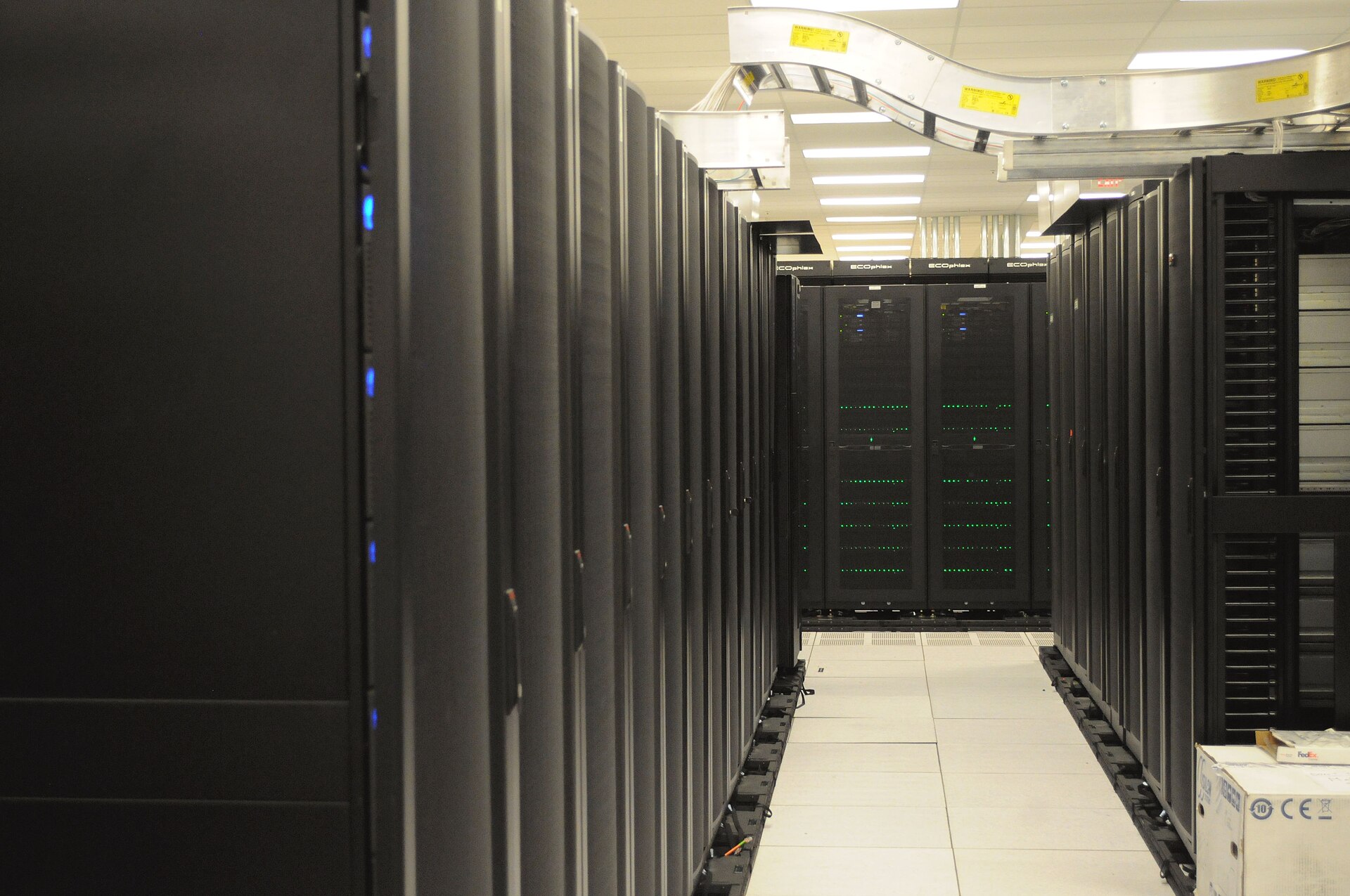
Image: Derrick Coetzee, Front of server racks at NERSC.jpg, Wikimedia Commons — CC0 1.0. Original image and licence details.
Artificial intelligence has become one of the biggest investment stories in the global economy. Companies are spending heavily on computing infrastructure, advanced chips, software and data-centre capacity. The scale of the boom raises a crucial question: will the investment translate into lasting productivity, or will some spending prove difficult to justify?
Stanford University’s 2026 AI Index reports that global corporate AI investment more than doubled in 2025, reaching a record level. Private investment grew particularly quickly, while generative AI captured a substantial share of funding. The report also says 88% of surveyed organisations used AI in at least one business function in 2025.
From experimentation to everyday operations
Businesses are moving beyond demonstrations and trial projects. AI tools are being used to draft and analyse documents, support customer service, search large information collections, assist software development and automate parts of administrative work.
The economic value depends on how these tools are integrated. A company may purchase access to an advanced model but see little benefit if employees do not trust the system, data are poorly organised or existing processes remain unchanged. Productivity gains usually require redesigning workflows, training staff and measuring results.
The infrastructure bill is rising
AI services require substantial computing power. Data centres need servers, networking equipment, cooling systems and dependable electricity. Stanford notes that leading AI companies are reaching significant revenue levels, but their computing costs and infrastructure spending are also rising.
This creates opportunities for chipmakers, cloud providers, construction firms, power utilities and specialist engineering companies. It also creates risks. If capacity is built faster than customers adopt paid services, investors may face lower returns and some projects could be delayed or cancelled.
Jobs: transformation rather than a single outcome
AI can automate individual tasks without eliminating an entire occupation. In many workplaces, the immediate effect may be a change in the mix of work: less time spent on routine drafting or data processing, and more time devoted to checking outputs, solving unusual problems and working with customers.
The transition will not be painless or evenly distributed. Workers whose tasks are highly routine may face pressure to retrain, while people who combine professional expertise with effective use of AI may become more productive. Employers and governments therefore have a practical responsibility to support training and responsible deployment.
How to judge whether AI spending is working
Businesses should measure outcomes rather than count the number of AI tools purchased. Useful indicators include time saved per task, error rates, customer satisfaction, sales conversion, software delivery time and the cost of serving each customer. Companies should also monitor privacy, cybersecurity, intellectual-property and accuracy risks.
The AI investment boom is real, but investment alone does not guarantee productivity. The next phase will reward organisations that connect technology to specific business problems, maintain human oversight and demonstrate measurable value.
Sources
Stanford Institute for Human-Centered Artificial Intelligence, 2026 AI Index — Economy.IMF, World Economic Outlook, October 2026.
Looking Times explains international business and economic developments using cited public sources. Forecasts are estimates, not guarantees.



More Stories
The AI Investment Boom: Can Record Spending Deliver Real Productivity?
Global Trade in 2026: AI Investment Is Rewriting the Map of World Commerce By Looking Times | November 13, 2026...
Global Trade in 2026: How AI Is Reshaping the World Economy
Global shipping remains a vital link in international trade. Image: Wilfredor, Wikimedia Commons, CC0 1.0 (public domain dedication). Image source...
How to Eliminate Bottlenecks in Cross-Team Workflows
A business is often made of different teams. These teams need to work together. However, things don’t always go as...
Global Economy and International Trade: How the World Is Building a More Connected but Uncertain Future
The global economy is entering a new era of transformation as international trade, technological innovation and geopolitical tensions reshape relationships...
54,000 Bankruptcies Filed in October, Report Says
By Naveen Athrappully A total of 54,028 bankruptcy filings were made in October, a 2 percent jump from a year...
Trump Expects Meeting With Xi and Putin at APEC Summit in China
By Frank Fang President Donald Trump said he expects to meet Russian President Vladimir Putin and Chinese leader Xi Jinping...