
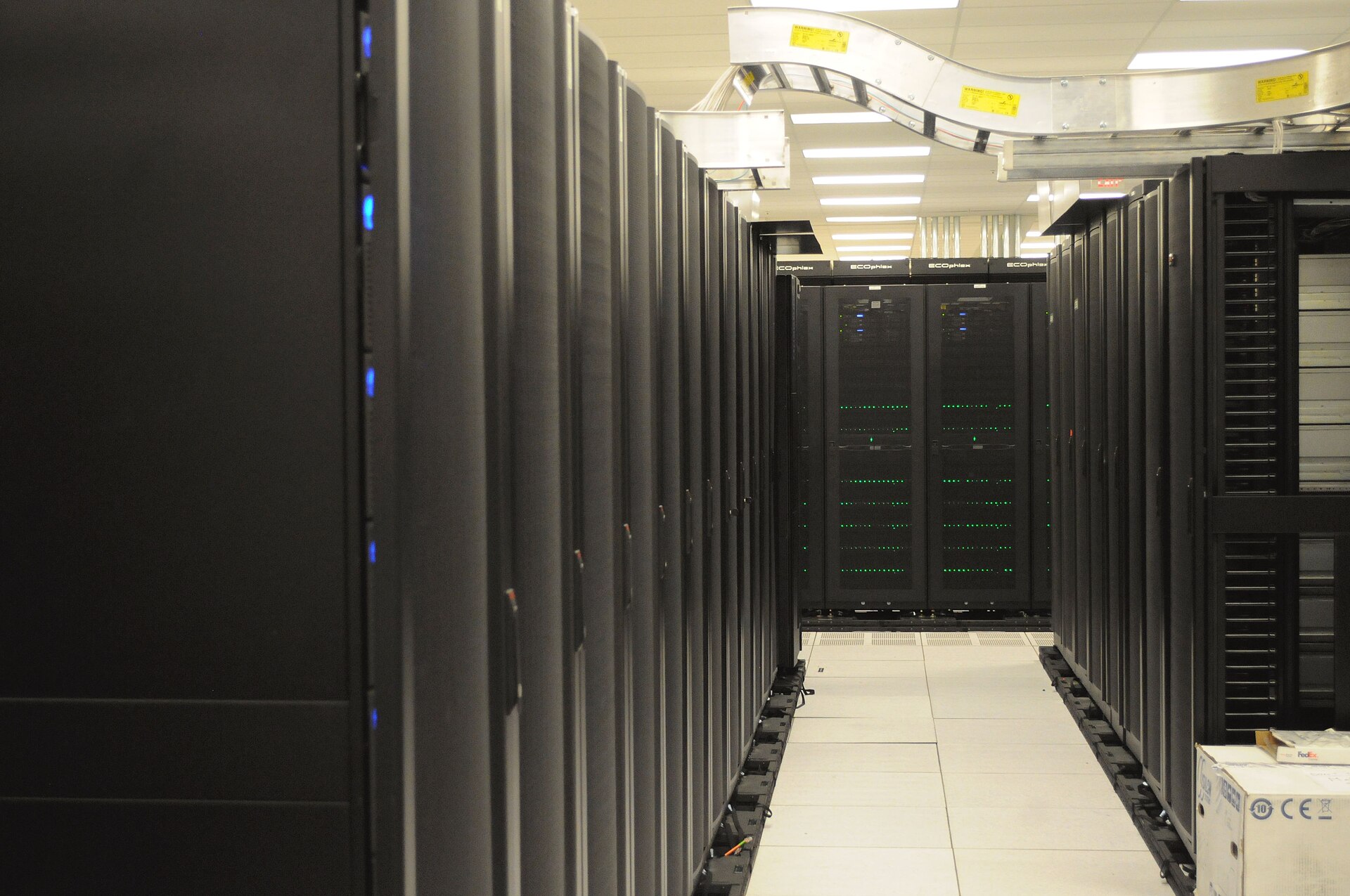
The AI Investment Boom: Can Record Spending Deliver Real Productivity?

Global Trade in 2026: AI Investment Is Rewriting the Map of World Commerce
By Looking Times | November 13, 2026
Image: Cokeah, Container ship.jpg, Wikimedia Commons — CC BY-SA 4.0. Original image and licence details.
Global trade has entered 2026 with an unexpected source of momentum: the worldwide race to build artificial-intelligence infrastructure. Demand for semiconductors, servers and other technology components is helping lift merchandise trade, even as geopolitical conflict, energy-market disruption and transport uncertainty complicate the outlook.
The World Trade Organization (WTO) said in its October 2026 update that world merchandise trade volume is now expected to grow by 3.9% this year, compared with its earlier March forecast of 1.9%. The WTO expects growth of 4.1% in 2027. The improved forecast reflects stronger-than-expected trade in the first half of the year and the ability of businesses to reroute shipments when traditional supply channels are disrupted.
AI hardware becomes a major trade engine
The most striking change is the growing importance of goods used to develop and operate AI systems. The WTO reported that trade in AI-enabling products rose 67% year on year in the first half of 2026. These products accounted for 47% of the increase in the value of global merchandise trade over the same period.
This demand reaches far beyond software companies. It supports manufacturers of advanced chips, electronic components, servers, cooling systems and data-centre equipment. It also benefits ports, logistics providers and countries that supply the materials and energy required by digital infrastructure.
Resilience does not mean every region benefits equally
Trade has continued despite disruption to energy and fertilizer flows linked to the conflict in the Middle East. Alternative suppliers and transport routes have helped reduce the overall impact. Global container throughput was also higher year on year through July, according to the WTO.
However, the gains are uneven. The WTO’s regional projections point to stronger merchandise export growth in Asia than in Europe, while some Middle Eastern trade flows face a much more difficult environment. A strong global headline can therefore conceal very different conditions for individual economies, industries and workers.
Services face a different set of pressures
The outlook for commercial services is less positive than for goods. The WTO lowered its 2026 forecast for services trade growth to 3.3%, citing pressures on travel and tourism and higher fuel-related costs. At the same time, digital and financial services linked to the technology cycle continue to show strength.
What businesses should watch
Companies should avoid treating supply-chain resilience as a one-time project. They need to understand where critical components are made, identify alternative suppliers, assess exposure to shipping chokepoints and monitor energy costs. Businesses investing in AI should also examine whether expected productivity gains justify the cost of computing capacity and electricity.
For governments, the challenge is to keep trade channels predictable while investing in skills, infrastructure and reliable energy. Protectionist measures may offer short-term political appeal, but fragmented markets can raise costs for producers and consumers.
The central lesson of 2026 is that globalisation is changing rather than disappearing. Technology investment is shifting the geography of demand, while geopolitical risks are forcing firms to build more flexible networks. The countries and companies best prepared for both changes are likely to capture the largest opportunities.
Sources
WTO, AI boom and trade resilience to Middle East crisis lift outlook, 8 October 2026.WTO, Global Trade Outlook and Statistics — October 2026 Executive Summary.
Looking Times explains international business and economic developments using cited public sources. Forecasts are estimates, not guarantees.

More Stories
The AI Investment Boom: Can Record Spending Deliver Real Productivity?
The AI Investment Boom: Can Record Spending Deliver Real Productivity? By Looking Times | November 13, 2026 Image: Derrick Coetzee,...
Global Trade in 2026: How AI Is Reshaping the World Economy
Global shipping remains a vital link in international trade. Image: Wilfredor, Wikimedia Commons, CC0 1.0 (public domain dedication). Image source...
How to Eliminate Bottlenecks in Cross-Team Workflows
A business is often made of different teams. These teams need to work together. However, things don’t always go as...
Global Economy and International Trade: How the World Is Building a More Connected but Uncertain Future
The global economy is entering a new era of transformation as international trade, technological innovation and geopolitical tensions reshape relationships...
54,000 Bankruptcies Filed in October, Report Says
By Naveen Athrappully A total of 54,028 bankruptcy filings were made in October, a 2 percent jump from a year...
Trump Expects Meeting With Xi and Putin at APEC Summit in China
By Frank Fang President Donald Trump said he expects to meet Russian President Vladimir Putin and Chinese leader Xi Jinping...