
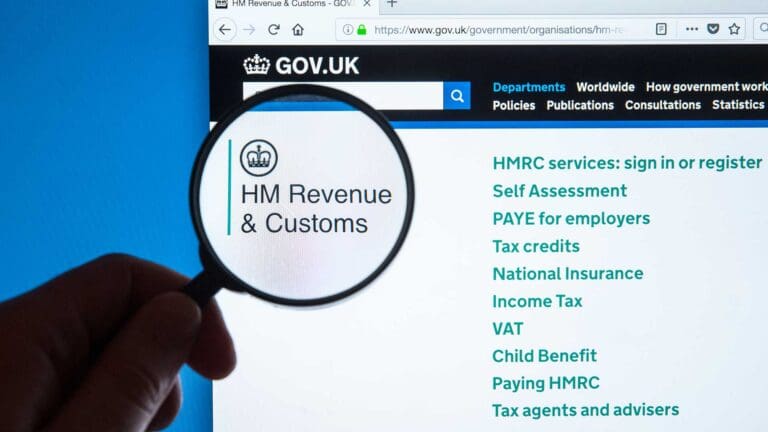
HMRC to gain powers to inspect software behind tax calculations

HMRC is set to gain the ability to inspect how tax figures are produced, including the software and automated systems behind them, under proposed changes to the law on computer records that are expected to come into force in 2027.
The reforms would modernise Section 114 of the Finance Act 2008 so that HMRC can access, check and inspect digital tax records, including records managed by third-party software providers. The timetable is subject to the Finance Bill receiving Royal Assent.
According to Qdos, the tax insurance provider, the changes go beyond giving HMRC access to final figures. Where HMRC already has the legal right to request information, Qdos said, the proposals would allow it to examine how those figures were generated, including the software and automated processes involved.
The proposals come as taxpayers and businesses increasingly rely on AI-powered software and automated systems to manage their tax affairs.
HMRC set out the measure in a policy paper, Reforming information powers and modernising computer records law, first published on 13 July 2026 alongside draft legislation. The paper was updated last Tuesday with revised information about the number of businesses affected.
Alongside the Section 114 changes, the measure reforms HMRC’s information and inspection powers under Schedule 36 of the Finance Act 2008, which govern how the tax authority requires information and carries out inspections for tax checks.
HMRC said the changes would help it access and process information in a modern digital economy. It said they would also support tax compliance checks and help it meet international standards for exchanging information with other countries.
A technical consultation on the draft legislation closed on 7 September 2026.
HMRC already uses AI in its compliance work. Advisers said last year that adding AI profiling of social media to HMRC’s AI-driven Connect system would make it more effective at identifying unpaid tax.
Seb Maley, chief executive of Qdos, said the proposals pointed to the direction HMRC was taking.
“HMRC already has unprecedented amounts of data and increasingly sophisticated technology at its fingertips. These proposals are another sign of the direction of travel,” he said.
“As more taxpayers and businesses put their trust in AI to help manage their tax affairs, HMRC is making sure it isn’t left behind. It wants to know not just what tax figure a system produces, but how it arrived at that number.”
Maley said the changes made the choice of provider more significant.
“This makes choosing trusted, reputable experts more important than ever. Businesses and taxpayers need confidence that the technology they’re relying on is accurate, transparent and compliant. Simply trusting a system to get things right won’t be enough if HMRC comes knocking.”
He added that automation did not shift liability away from those who owe the tax.
“AI and automation might make managing tax affairs easier on the face of it, but it doesn’t remove responsibility from the taxpayer or business liable for tax. Ultimately, if something goes wrong, these parties will face questions from HMRC.”
Under the proposals, the new powers would apply only where HMRC already has the legal right to request information, according to Qdos. The changes are expected to take effect in 2027 if the Finance Bill receives Royal Assent.

More Stories
UK company dissolutions reach 787,120 as Crown collects £129m
A total of 787,120 UK companies were dissolved in the year to 31 March 2026, an increase of 8.3 per...
Ukraine’s mission IMF-possible: Who will pay the bills?
The International Monetary Fund wants to raise the utility bills of household consumers, but can they afford them? Ukraine faces...
Why Specialist Used Trucks Need a Different Buying Approach
Trucks such as tipper trucks, crane trucks, hookloaders and recovery vehicles have fitted equipment that can represent a significant part...
Suzanne Carlson on Running a Trucking Career Like a Business
Based in Oregon, she moved into trucking after working in warehouse operations, retail logistics support and dispatch assistance for a...
The UGC Video Paradox: Why Authentic Doesn’t Have to Mean Poorly Made
This change has revealed a difficult fact: authenticity is winning. But somewhere in the middle, many marketers adopted a dangerous...
Skills Gaps Are Getting Expensive. Can a Training Management System Help?
Courses get booked by email, attendance lives in a spreadsheet, and certificates sit in someone’s inbox until an auditor asks...