

McLaren McL 820 Confirmed for 2027 With 809 Horsepower as the Successor to the 750S

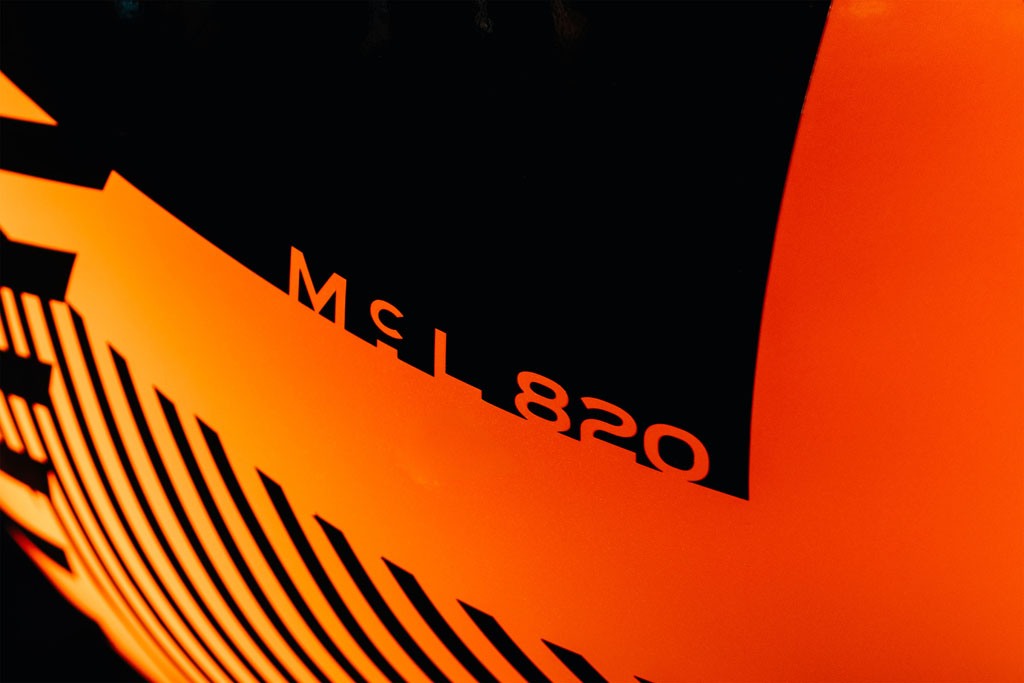
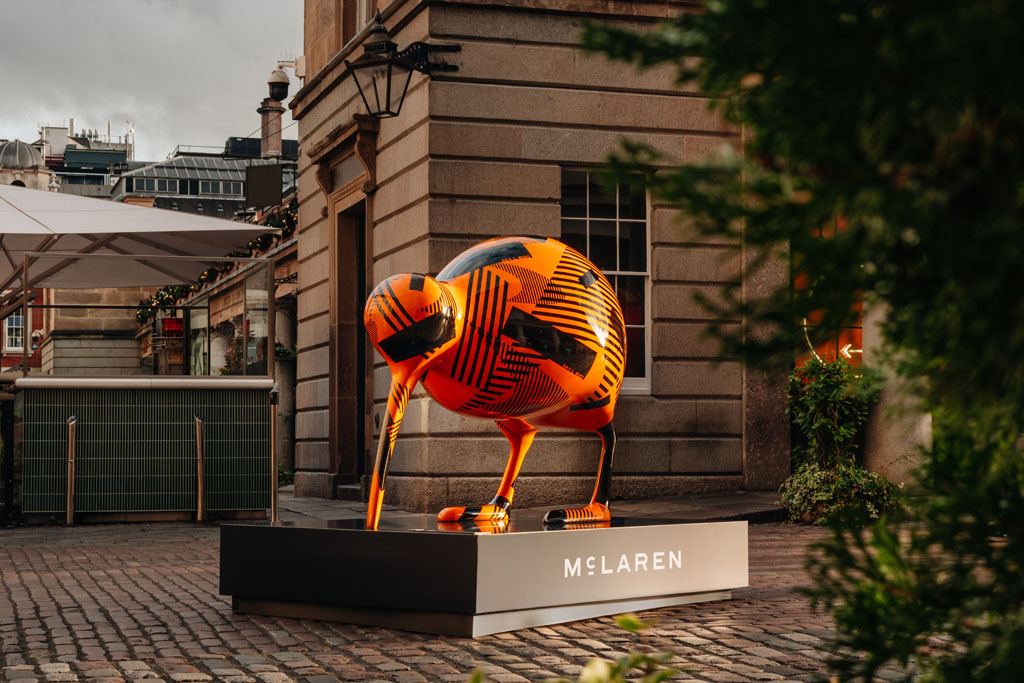
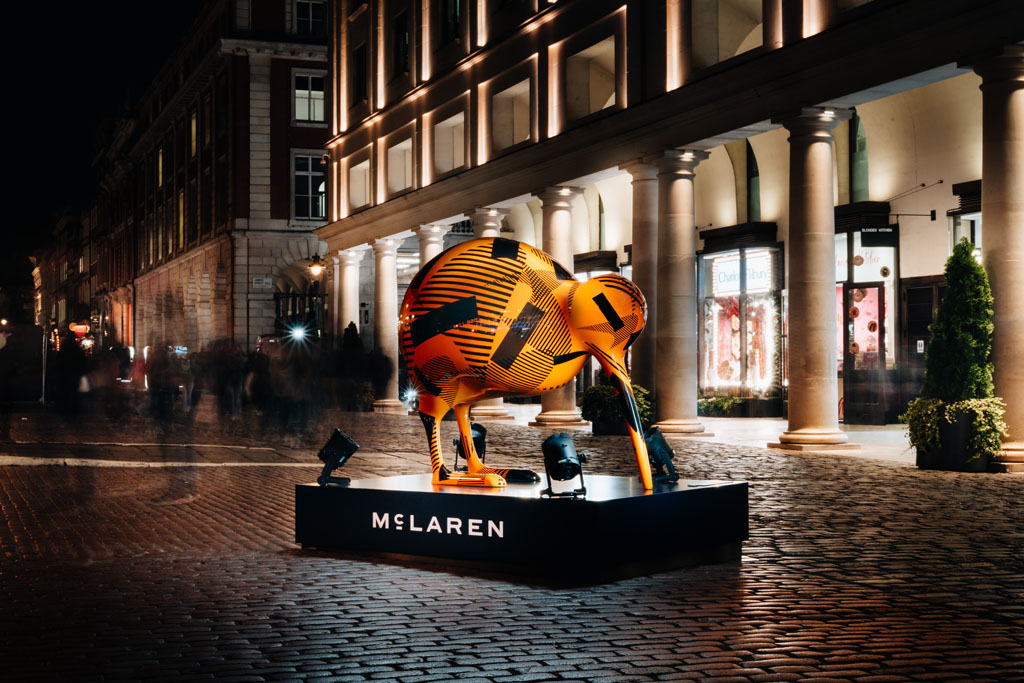
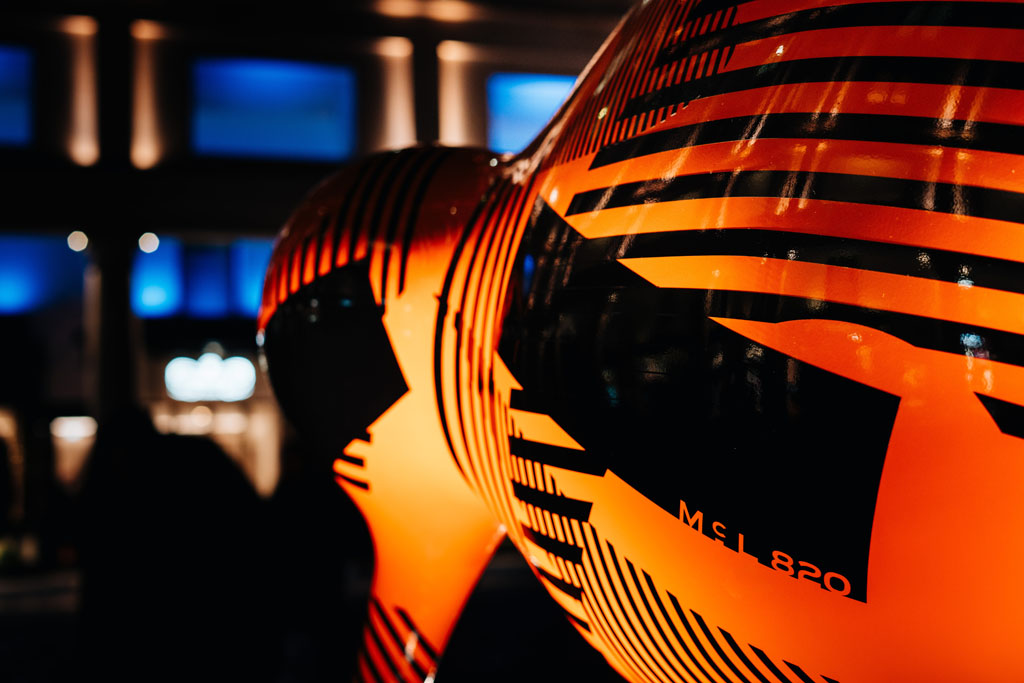
Leave it to McLaren to announce its next supercar with a giant bird instead of an actual car. The British performance brand has officially confirmed the new McL 820, its next series-production supercar arriving in 2027, after unveiling a camouflaged kiwi bird statue in central London bearing the vehicle’s name. While the unusual reveal might seem like a playful marketing stunt, there’s a deeper connection to McLaren’s history. The kiwi was originally used by company founder Bruce McLaren, reflecting his New Zealand roots and the brand’s racing heritage. More importantly, the McL 820 name tells us something about the performance enthusiasts can expect. McLaren has confirmed that the number represents 820 metric horsepower, or approximately 809 horsepower by U.S. measurements, making this an especially interesting addition to the company’s evolving supercar lineup.
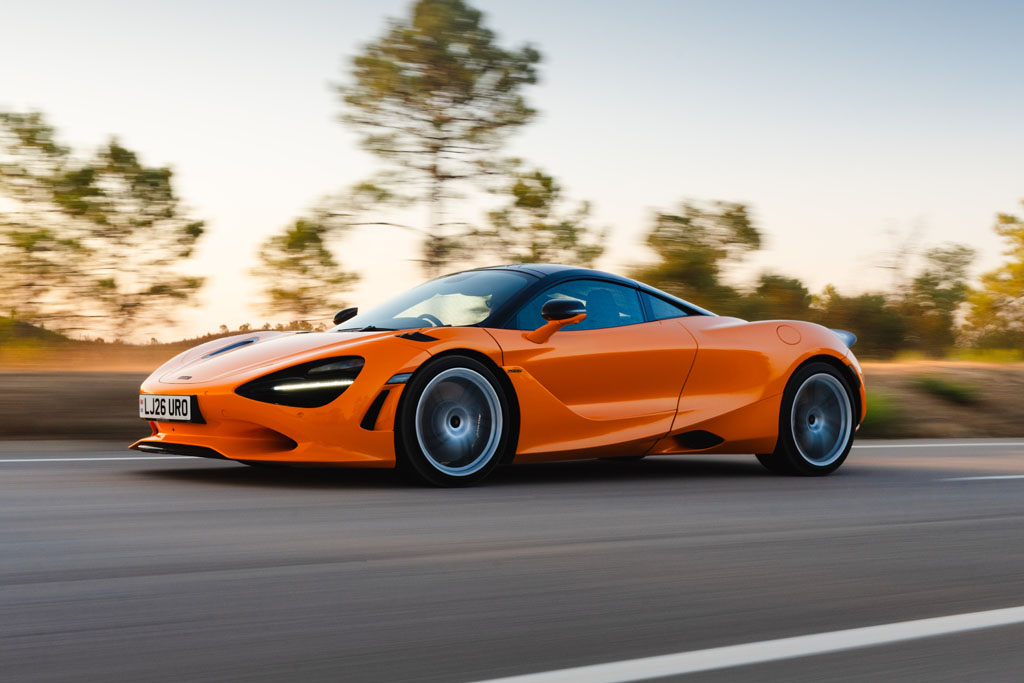
The announcement comes at a pivotal moment for McLaren, especially since we recently reported that production of the McLaren 750S will end in 2027. The outgoing 750S has been one of our favorite examples of McLaren’s lightweight performance philosophy, combining a twin-turbocharged 4.0-liter V8 producing 740 horsepower with a carbon fiber chassis, rear-wheel drive, and exceptional handling capabilities. The new McL 820 is widely expected to take its place, bringing roughly 69 additional horsepower and potentially introducing a new generation of McLaren powertrain technology. Although McLaren hasn’t revealed engine specifications, reports suggest the upcoming supercar could feature a newly developed V8 with some form of hybrid assistance. Whether that proves true remains to be seen, but the confirmed power output already suggests a meaningful performance upgrade over the 750S.
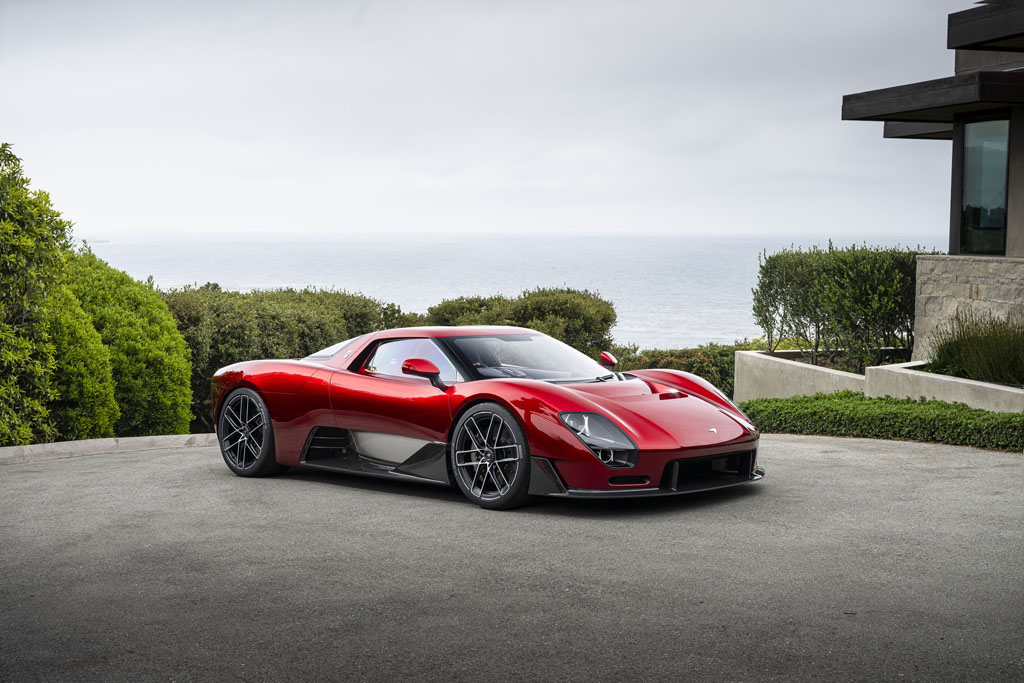
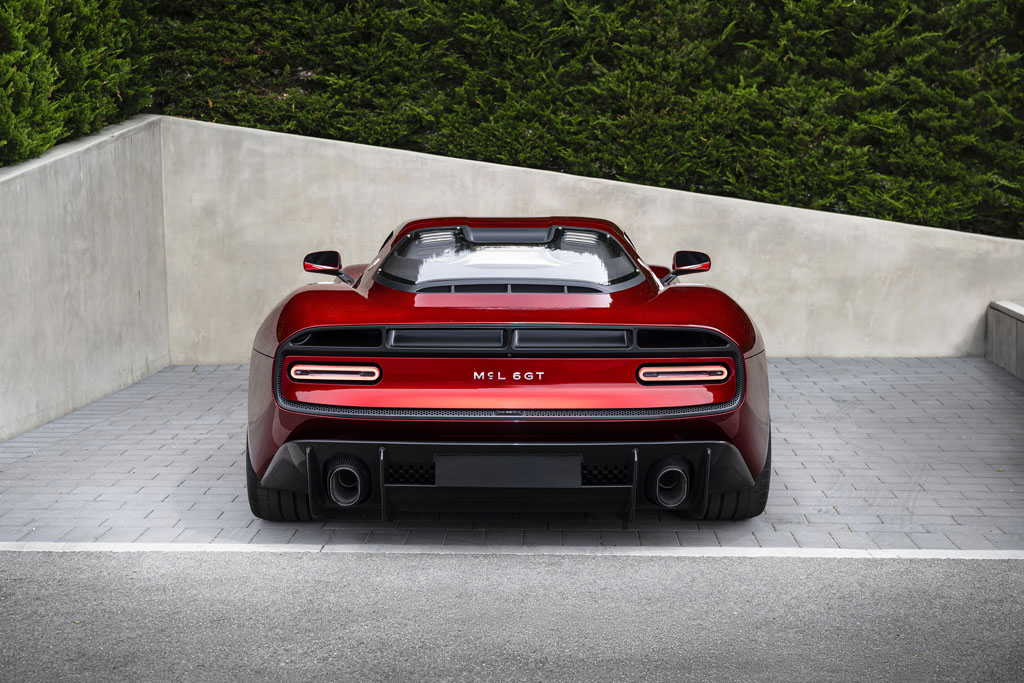
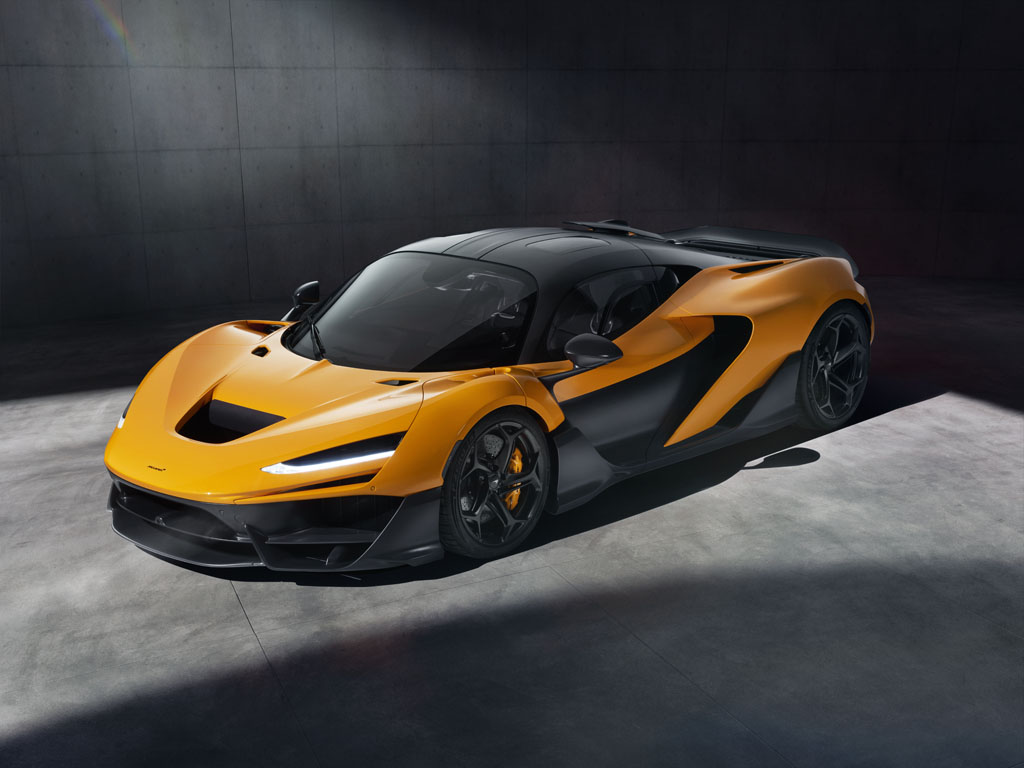
What’s particularly interesting is how the McL 820 fits into McLaren’s broader product strategy. We recently covered the McLaren McL 6GT, an intriguing new supercar concept that brings back a proper manual transmission and emphasizes a more analog driving experience. That vehicle represents a refreshing departure from the industry’s obsession with increasingly complicated technology, prioritizing driver involvement and mechanical connection. On the opposite end of the spectrum sits the extraordinary McLaren W1, the company’s hybrid hypercar boasting a staggering 1,258 horsepower. The McL 820 appears positioned between these two machines, potentially combining the advanced technology and outrageous performance McLaren is known for with the everyday usability expected from its core supercar models.
McLaren hasn’t released pricing, acceleration figures, design images, or additional technical specifications for the McL 820, promising more details throughout 2027. However, the new naming convention signals a broader change in how the company intends to identify its future vehicles, using the McL prefix to connect its road cars more closely with its motorsports heritage while incorporating performance-based numerical designations. From our perspective, this is shaping up to be one of the more exciting transitions in McLaren’s recent history. With the 750S nearing retirement, the manual-equipped McL 6GT emphasizing old-school driving enjoyment, and the W1 pushing hybrid performance to extraordinary levels, McLaren appears to be building a much more diverse collection of enthusiast-focused machines. Now we’re eager to see whether the McL 820 can carry forward the brilliant driving dynamics of the 750S while delivering something genuinely new. If McLaren gets that balance right, its next supercar could be worth the unusual introduction involving a giant kiwi bird.


More Stories
Toyota Goes All-In on Adventure With Five New Woodland Concepts for the 2026 SEMA Show
Who says you need a 4Runner or Land Cruiser to look ready for an off-road adventure? Toyota apparently thinks just...
Honda Civic Type R HRC Coming to America as Honda Brings Wild Prelude and 1,300-HP Passport to SEMA
Apparently, someone at Honda Racing Corporation looked at the already ridiculously capable Civic Type R and decided it wasn’t quite...
Win a Suzuki Swift at the 2026 Allied Steelrode ONAMISSION Charity Mile
Join us at the Allied Steelrode ONAMISSION Charity Mile on 31 October for a chance to win a Suzuki Swift...
2028 Honda Accord Set for Bold Redesign as New Accord SUV Could Challenge Subaru Outback in 2029
Who says the traditional family sedan has to fade away quietly? Honda certainly doesn’t appear ready to give up on...
2028 Toyota Corolla Could Get New 1.5-Liter Hybrid Engine With Over 15% Better Fuel Economy
Just when you thought Toyota couldn’t squeeze much more fuel efficiency out of its hybrid technology, the automaker is preparing...
2027 Buick Envision Invoice Price, Dealer Cost, and What You Should Pay
The Buick Envision is a compact luxury crossover that competes in one of the most crowded segments in the market:...