

2026 Dodge Charger R/T Plus Sixpack S.O. 4-Door Review & Test Drive

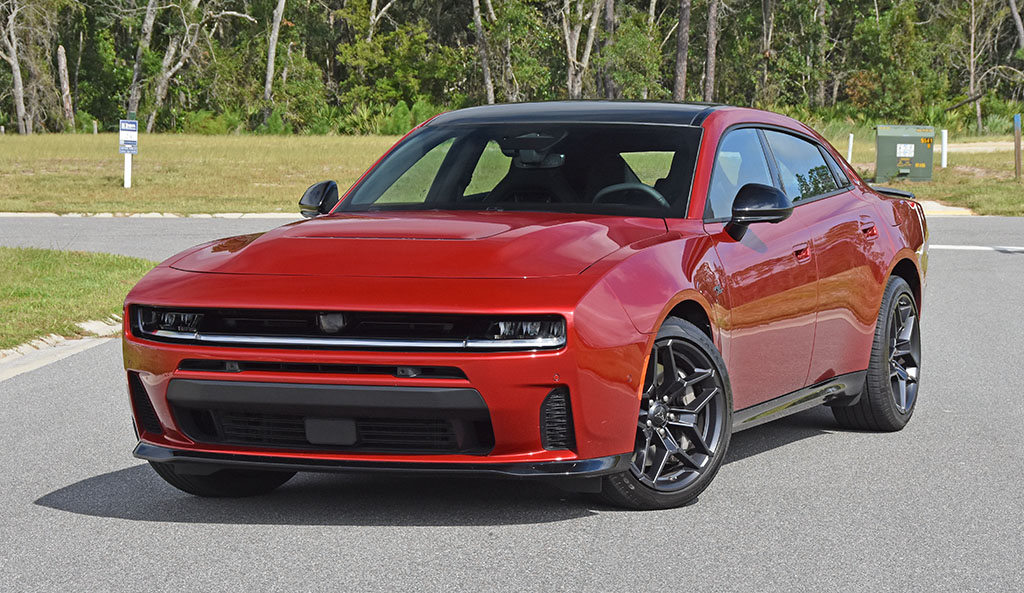
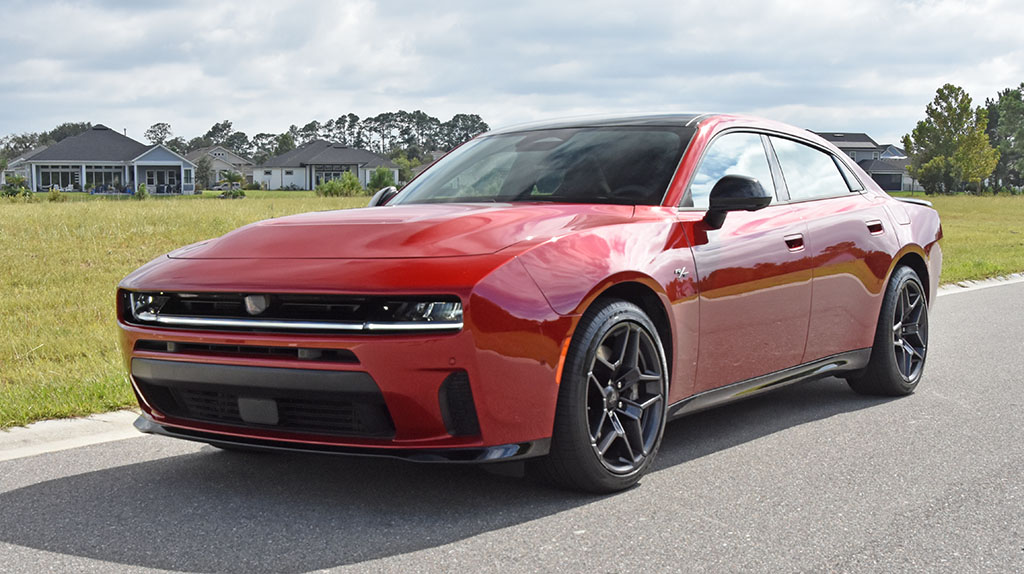
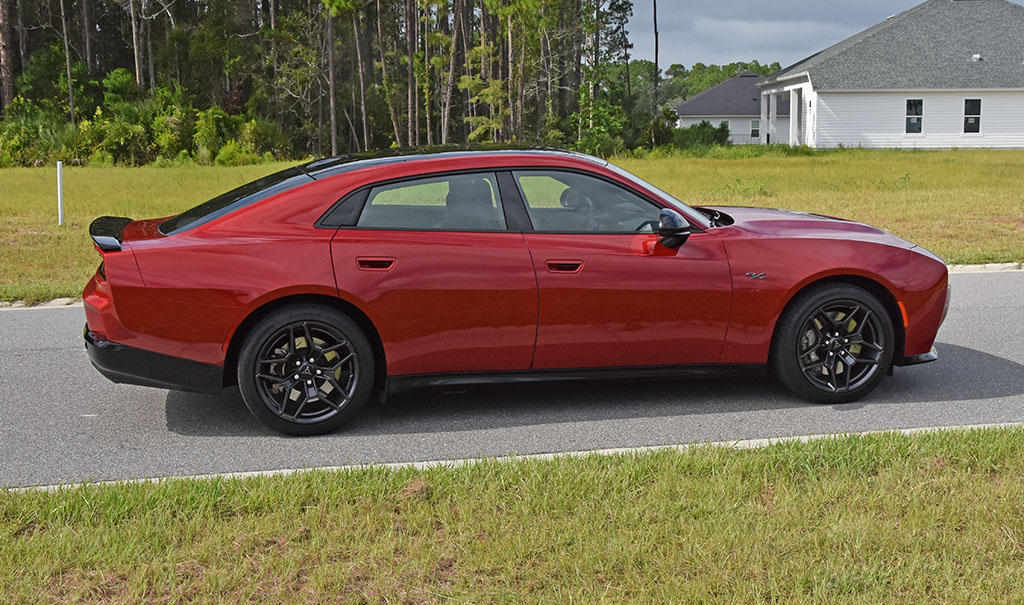
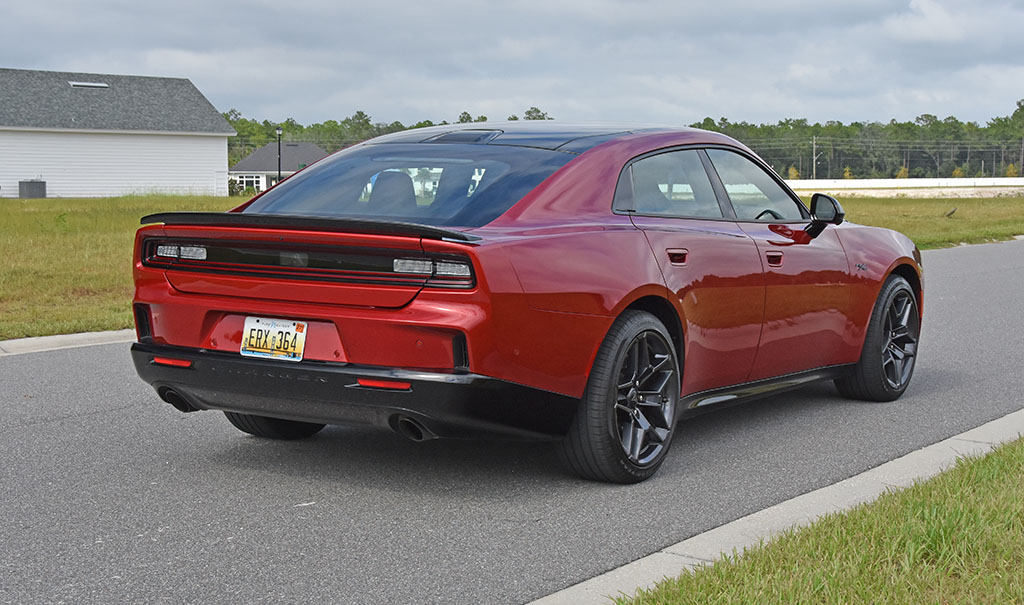
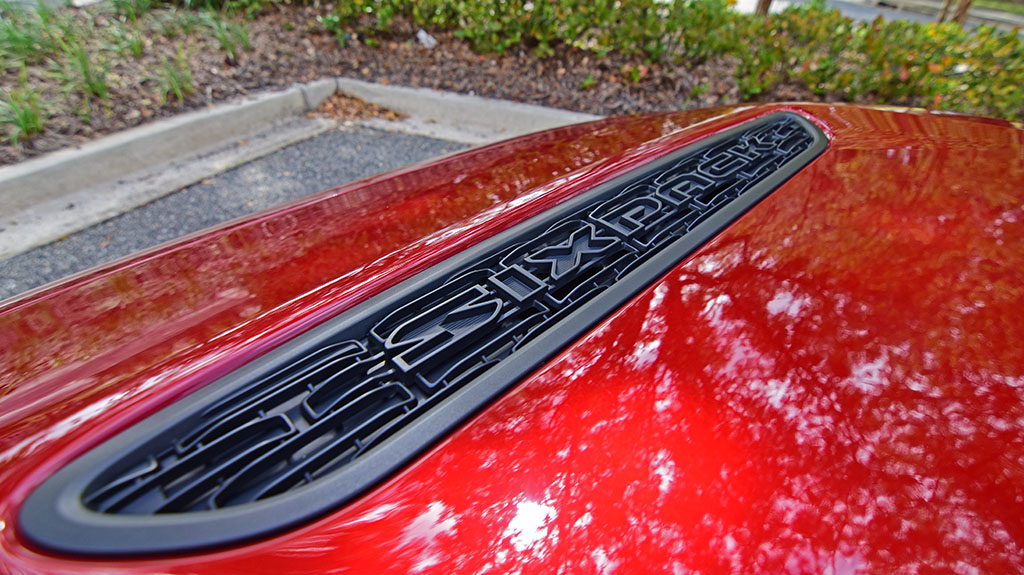
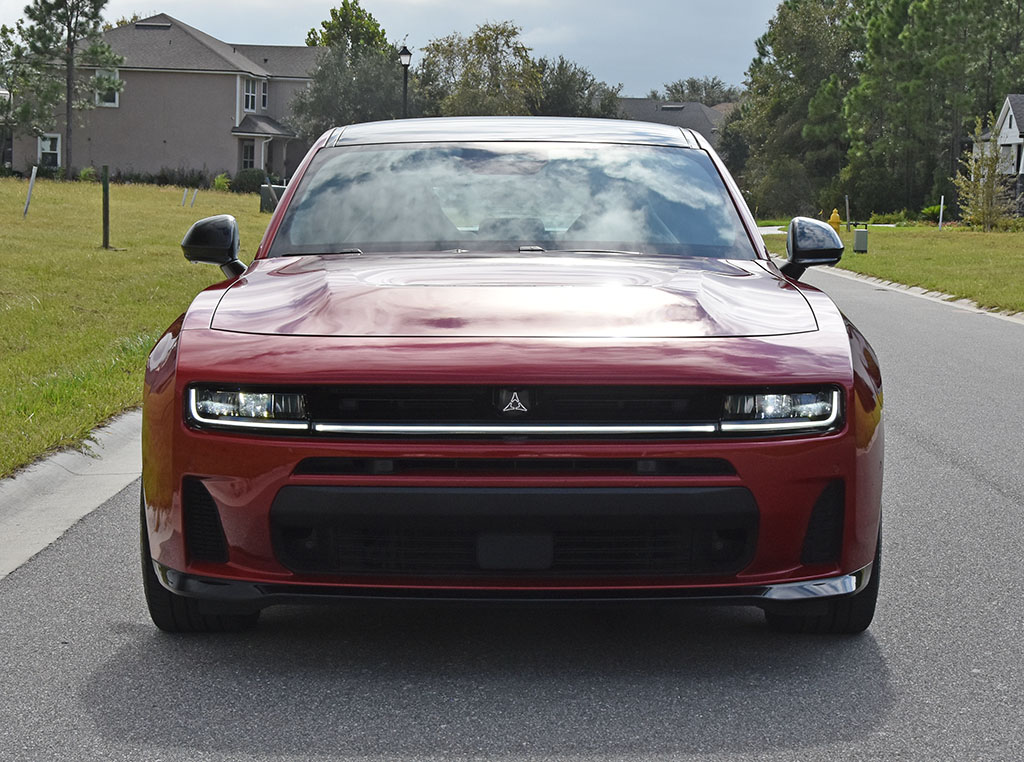
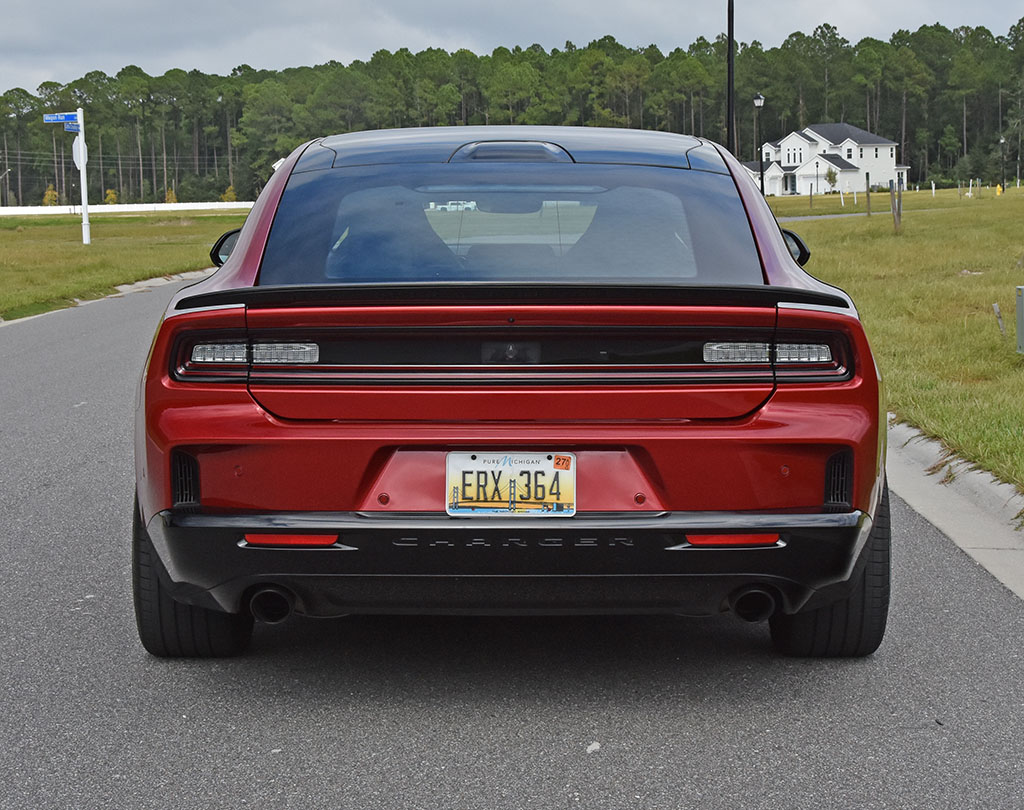
Dodge has made an impact that has yet to be seen as a good thing or a bad thing, as I get a week to see what all the fuss is about with the new Dodge Charger. Though the flavor of the Dodge Charger that I get, which comes in many variations, is the gas-powered R/T Sixpack with the Standard Output (S.O.) inline-6-cylinder twin-turbo engine. The new design seems to be a love or hate thing with those who have enjoyed the outgoing generation Charger and Challenger seemingly don’t like what they see here, but those who remember the old-school days of the Charger have a secret love affair with the new design. I suppose I get it, somewhat.
All-new for the 2024 model year, the Dodge Charger continues on its newly designed path for 2026, which is somewhat of a mixed bag in my view. As I’ve enjoyed many years of tire-burning fun in many Dodge Charger and Challenger vehicles, they embodied the epitome of new-age American muscle cars, and to the brand’s credit, they did it the best. However, now, with the new Dodge Charger, I’m not so sure that’s a thing any longer, apart from looking like it’s kept to its muscle car roots on the outside. Aside from the looks, there’s not enough substance to fulfill the American muscle thrill, even if you can get this vehicle at its top trim with the High Output Scat Pack Plus, with 550 horsepower and 531 lb-ft of torque.
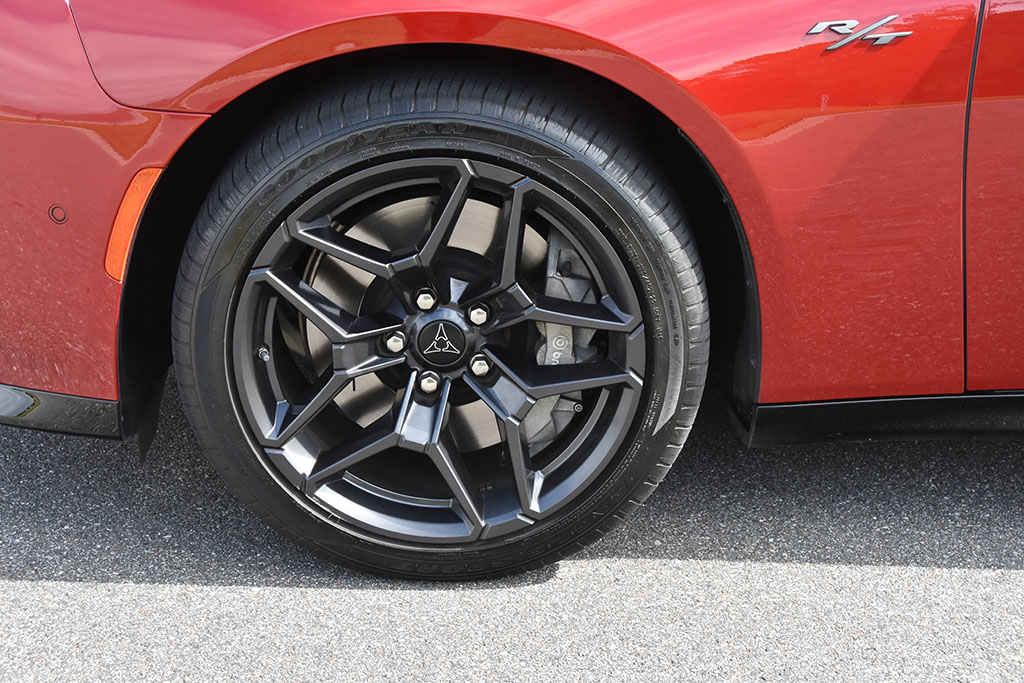
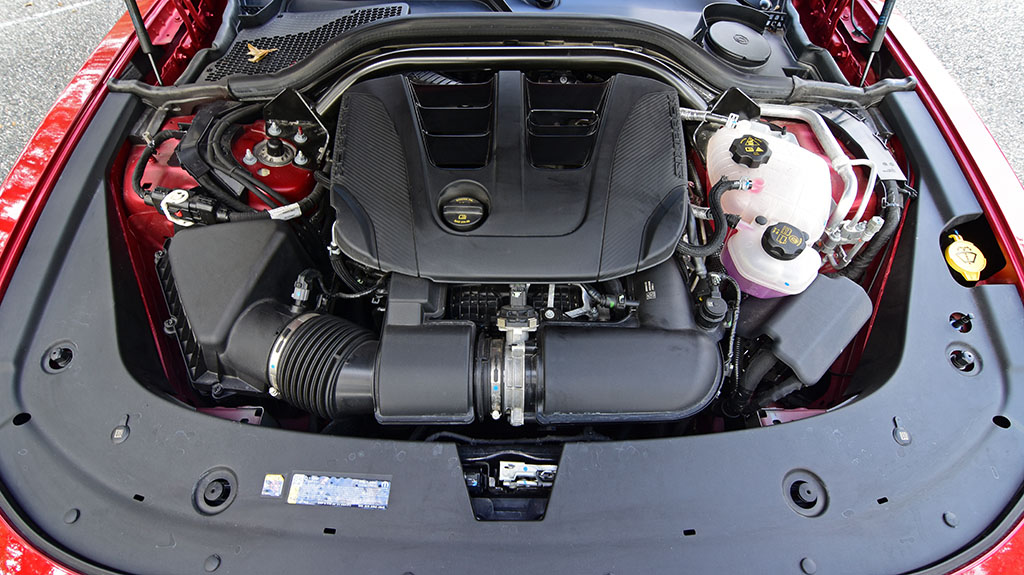
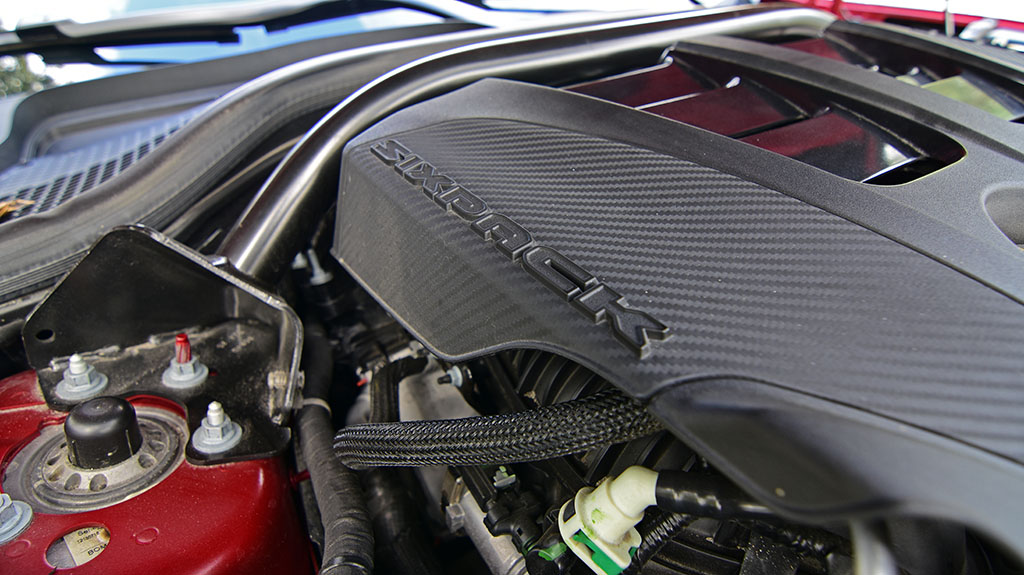
For my test vehicle’s R/T Plus Sixpack S.O. trim, you get the 3.0-liter twin-turbo inline-6-cylinder that’s good for 420 horsepower and 469 lb-ft of torque. The power sent through an 8-speed automatic transmission and then out to all four wheels feels up to the challenge in the base level of an American muscle car that happens to have 4 doors in this setup. Of course, the 2-door Charger is available to fill the gap where the old Challenger left off. The power feels strong as you get a nice lower-end grunt from the turbos quickly spooling up at low RPMs. In a straight line, the Charger R/T Sixpack S.O. is up to the task of hitting 60 mph in 4.6 seconds through the use of its launch mode, which relaxes traction control and has a more aggressive shift method to bang through the gears.
Overall, the Dodge Charger R/T Sixpack rides well with a fixed-rate damper setup for its suspension that’s mostly firm but not overly stiff to the point of being uncomfortable. The sensation that you get from the ride and handling feels as if you’re riding on top of the vehicle instead of inside it. It’s a strange thing, but it works somewhat well to keep the massive size of the Charger from being overwhelming. Putting the new Charger into a turn reveals its big-sedan heft and that seems like something Dodge just can’t get around like other automakers have in much more compliant sports sedan chassis. Such a feeling, I’d imagine, is probably transformative in the electric version of the Charger, along with some other different dynamics due to a lower center of gravity in the Charger Daytona EV, along with packing even more power that may or may not translate to ‘better performance’. However, with the gas version at the level of my R/T Sixpack S.O. test vehicle, I can see it winning over the Dodge Charger crowd from the previous generation that sported anything below the Scat Pack trim’s V8 under the hood. Otherwise, you’re just going to upset those old Scat Pack, Hellcat, and Redeye crew – they would have no interest in what Dodge has done here, and that’s a shame. Those who look to new-age tech to fill the gaps may enjoy what Dodge has done here with what may be said is more power with less in the twin-turbo inline-6-cylinder engines. They do have much more power than the outgoing base V8 engines, even if they don’t sound as good.
Fuel economy, at the EPA estimates of 17 mpg city, 26 mpg highway, and 20 mpg combined, isn’t all that bad considering the large size of the Charger and its having north of 400 horsepower. In my observation, those figures match real-world conditions and remain mostly consistent. Highway driving range is around 455 miles with a full 17.5-gallon tank of recommended premium unleaded fuel.
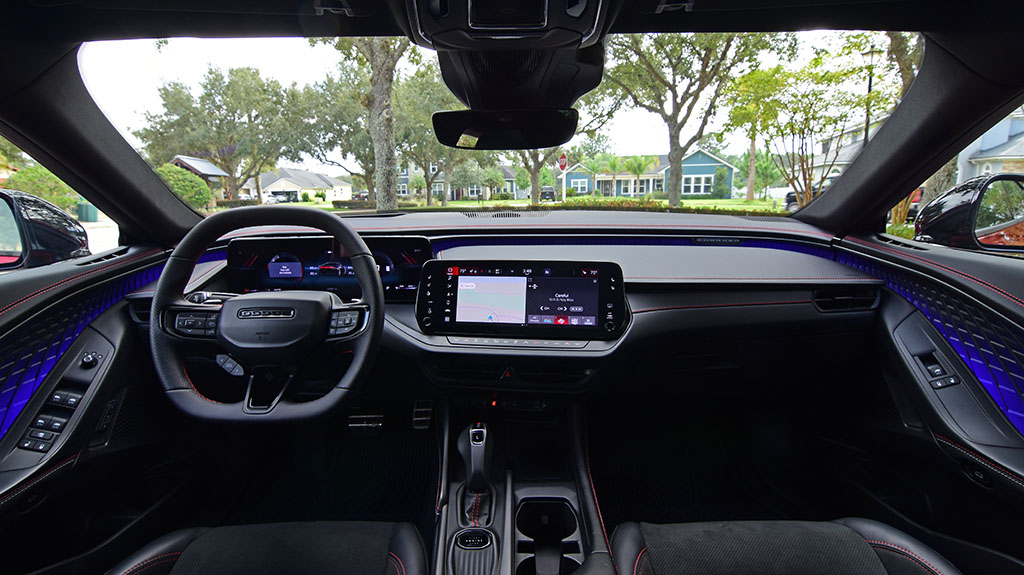
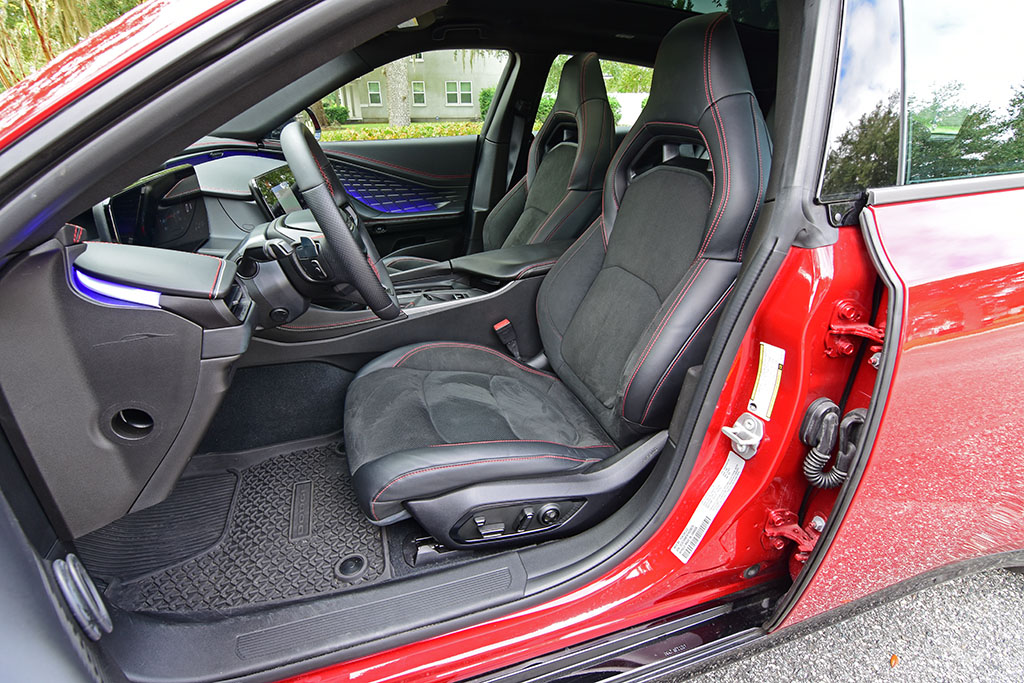
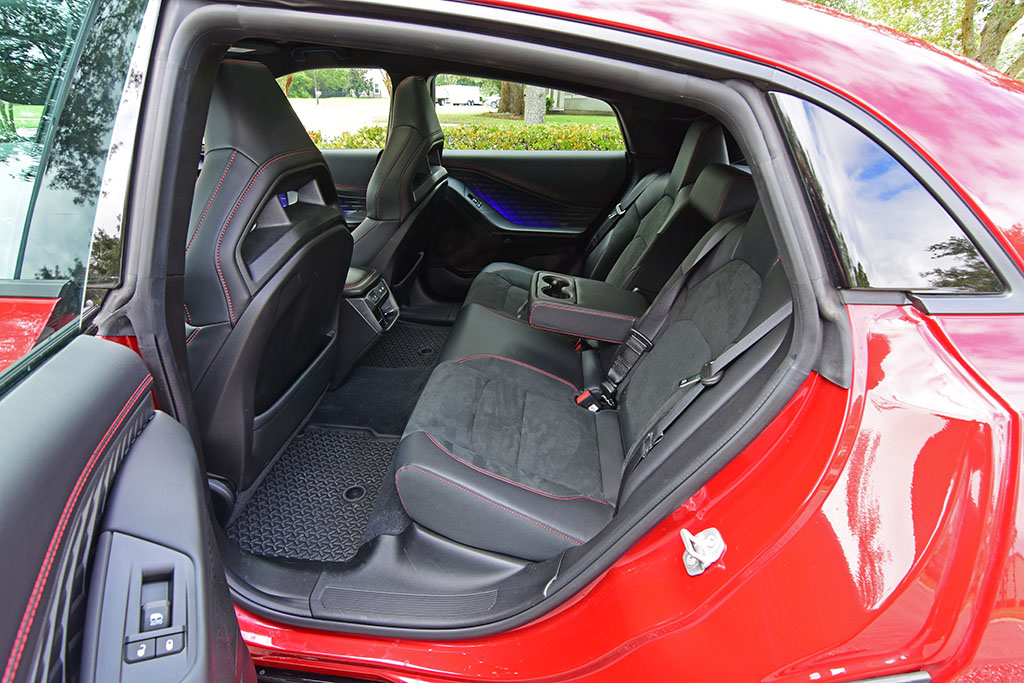
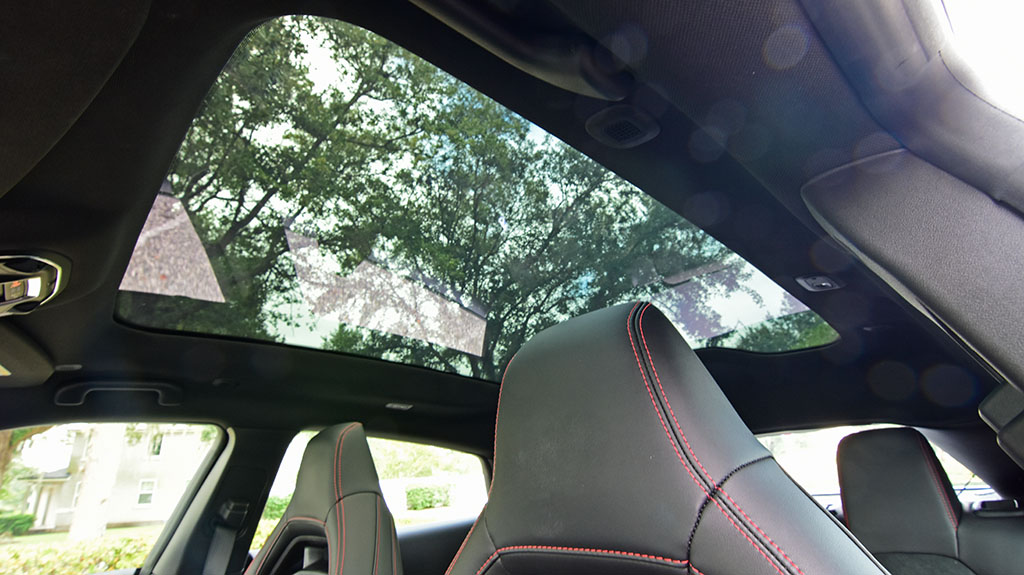
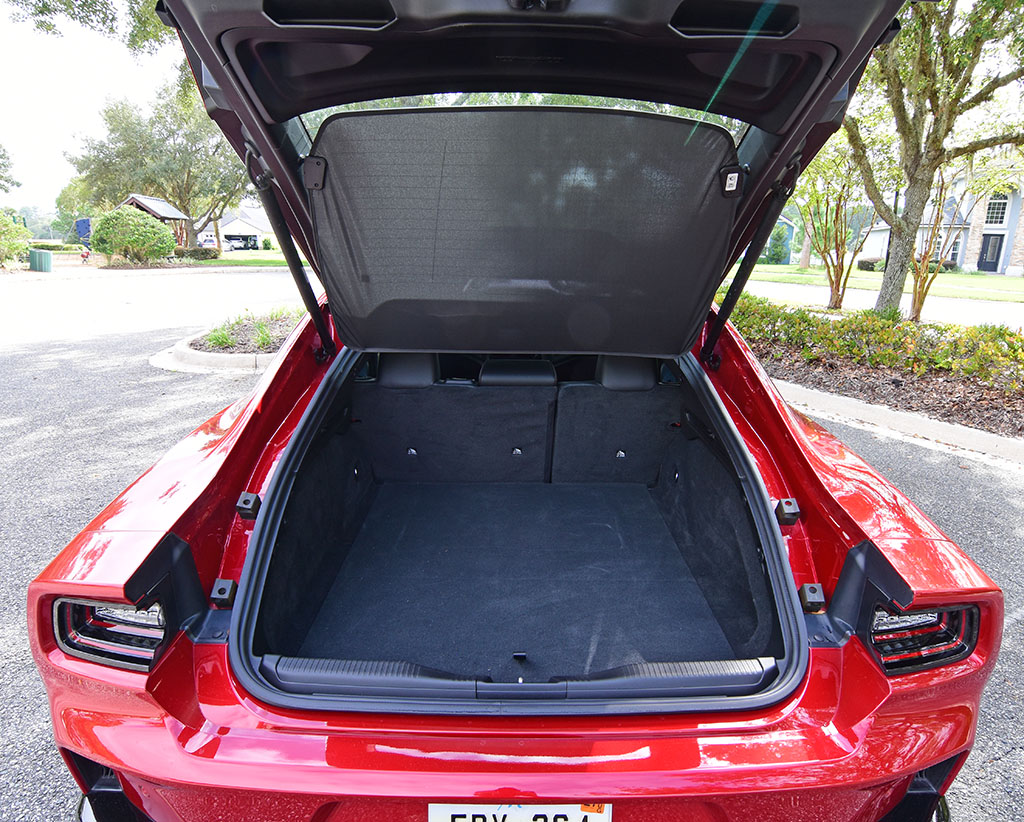
The large size of the new Dodge Charger gives way to retaining the comfy feeling of this vehicle, as it did in the previous generation. However, things seemed to have been buttoned up a bit on the inside, making better use of its interior space, along with new seats that are not overly supportive, even with my test vehicle’s sporty seats up front with fixed headrests. The interior space works excellently for a comfortable seating position through its many power adjustments that can be made, along with having heating and ventilation up front and heated outboard seats out back. The glass roof option is an oddity as there’s no sunshade. However, those who like the tinted glass roof will surely enjoy the interior atmosphere that the Dodge Charger lends to its large interior space. Moreover, there’s decent and easy power-hatch accessible cargo space with just over 22 cubic feet in the hatch-back-opening-style trunk area and over 38 cubic feet of space with the rear seats folded. Unfortunately, that’s where the good things end.
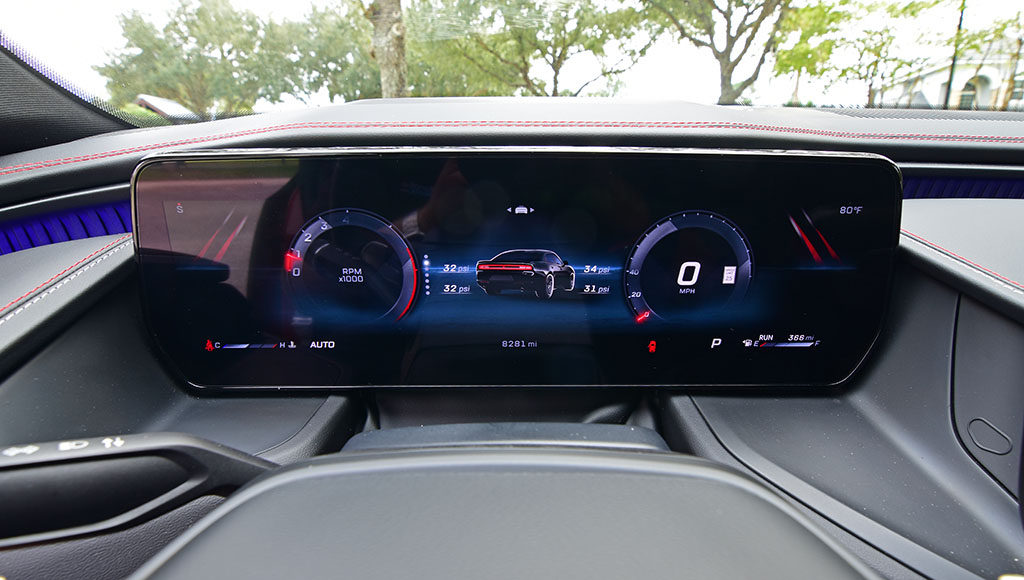
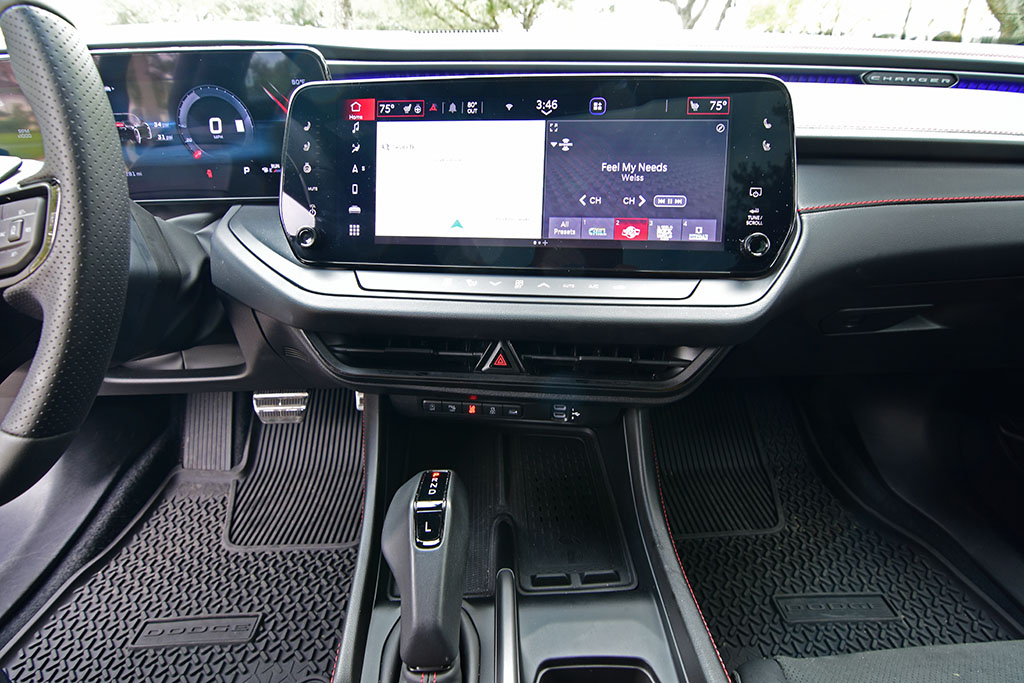
The disappointments of the Dodge Charger, apart from doing away with our beloved HEMI V8 engines, rest on the many tech glitches that I experienced, mostly within the infotainment system. Fortunately, the system bugs didn’t affect the drivability of the vehicle, but they sure made the driving experience a big, distracting, and annoying endeavor. For one, the infotainment system, which otherwise could have been great, was hampered by slow load times and glitches that prevented normal use of the system. We’re talking about cases where I could not perform simple tasks like adjusting the volume or bringing up the home screen. At times, nothing worked, and that seldomly transformed into the gauge cluster failing to load a screen or reverting back to a screen of its choice without my input.
Considering how Dodge had a decent infotainment system for its time, many years ago, this new system is an utter disappointment due to its glitches. I found the system to be somewhat decent once things actually worked, and I could have gotten used to the setup of the system with a short learning curve if things had worked properly long enough. It’s very well possible that an over-the-air update could resolve most, if not all, of these glitches. However, I can only report on what I experienced, which made the driving experience not as enjoyable as I would have hoped. On the good side, wireless integration of Apple CarPlay seemed to work well by connecting my iPhone each time that I had to manually reset the system from its repeated glitches and system freezes. So there’s that, and the ease of use of the wireless smartphone charging pad that also seemed to work better than most.
If Dodge is willing to give my review another go or maybe send the Charger Daytona EV, I’m happy to oblige. After consulting with other owners, I heard some of the same sentiment about the glitches, except one owner has a newer Charger Daytona EV that has not experienced the same unfortunate fate of these excitement-sapping glitches.
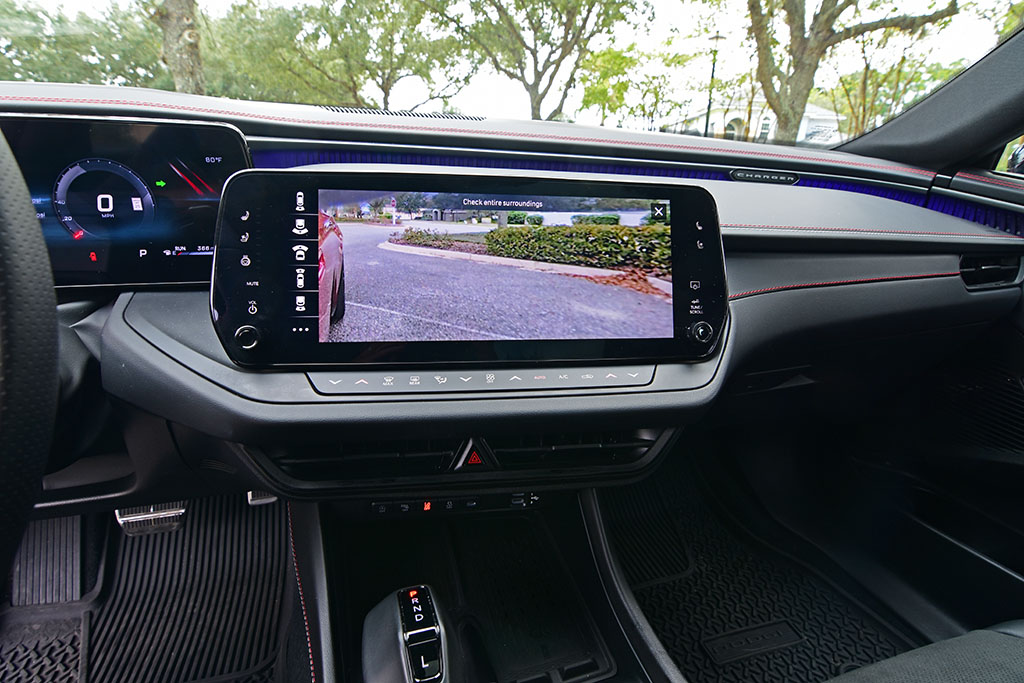
After spending many occasions of the system glitching to the point of pure frustration, I didn’t venture to put many of the tech features to the test. Though the active safety features seemed to work without problems, the lane keep assist seemed to bounce from one side of the lane to the other many times, encouraging you to disable the system altogether. I did enjoy having the 360-degree camera system and blind spot video view upon signaling.
As far as value, the new Dodge Charger certainly headed in the right direction for its new design and initial appeal. However, there’s a little sticker shock as my test vehicle captured a price of $65,365. Such a price isn’t even the top of the scale, considering there’s still the Scat Pack H.O. (High Output) trim that can be had with more power but with a higher price of admission that can easily crest $75,000.
Dodge has their work cut out to win over just as many people as they did with the outgoing generation, and I am not so sure they are acting fast enough to do so. Overall, the new Charger isn’t a bad vehicle inherently, it just needs a lot of polishing at minimum to even start the conversation for its dedicated fan base of yesterday.


More Stories
2027 Lexus TX Drops Plug-In Hybrid Model as Luxury SUV Lineup Gets Simplified
Sometimes the biggest news surrounding a new vehicle isn’t what’s being added, but what’s being taken away. That’s certainly the...
GM to Close EV Battery Plant and Repurpose Hydrogen Facility
Remember when nearly every major automaker was promising an all-electric future, pouring billions into battery factories, and making ambitious plans...
2027 Lexus NX Goes Hybrid-Only with More Power, 45 Miles of Electric Range, and a Fresh New Look
The days of buying a gasoline-only Lexus NX are officially over, but before anyone starts mourning the loss of another...
Volkswagen to Remotely Limit ID.4 EV Charging to 80% as Battery Fire Recall Affects Over 22,000 Vehicles
Imagine waking up one morning to discover that your electric vehicle can no longer charge to its full capacity, not...
Electrify America Opens Its Largest EV Charging Station Yet in Orlando, Florida with 24 Ultra-Fast Chargers
Electrify America is making a significant investment in Florida’s growing electric vehicle infrastructure with the opening of its largest charging...
BMW iX5 60 xDrive Shows Off Incredible 460-kW Fast Charging That Adds 170 Miles of Range in Just 10 Minutes
BMW is pushing the boundaries of electric vehicle charging technology, and its upcoming all-electric iX5 60 xDrive is demonstrating just...