
The AI Revolution Has an Energy Problem: Can Electricity Supply Keep Up?

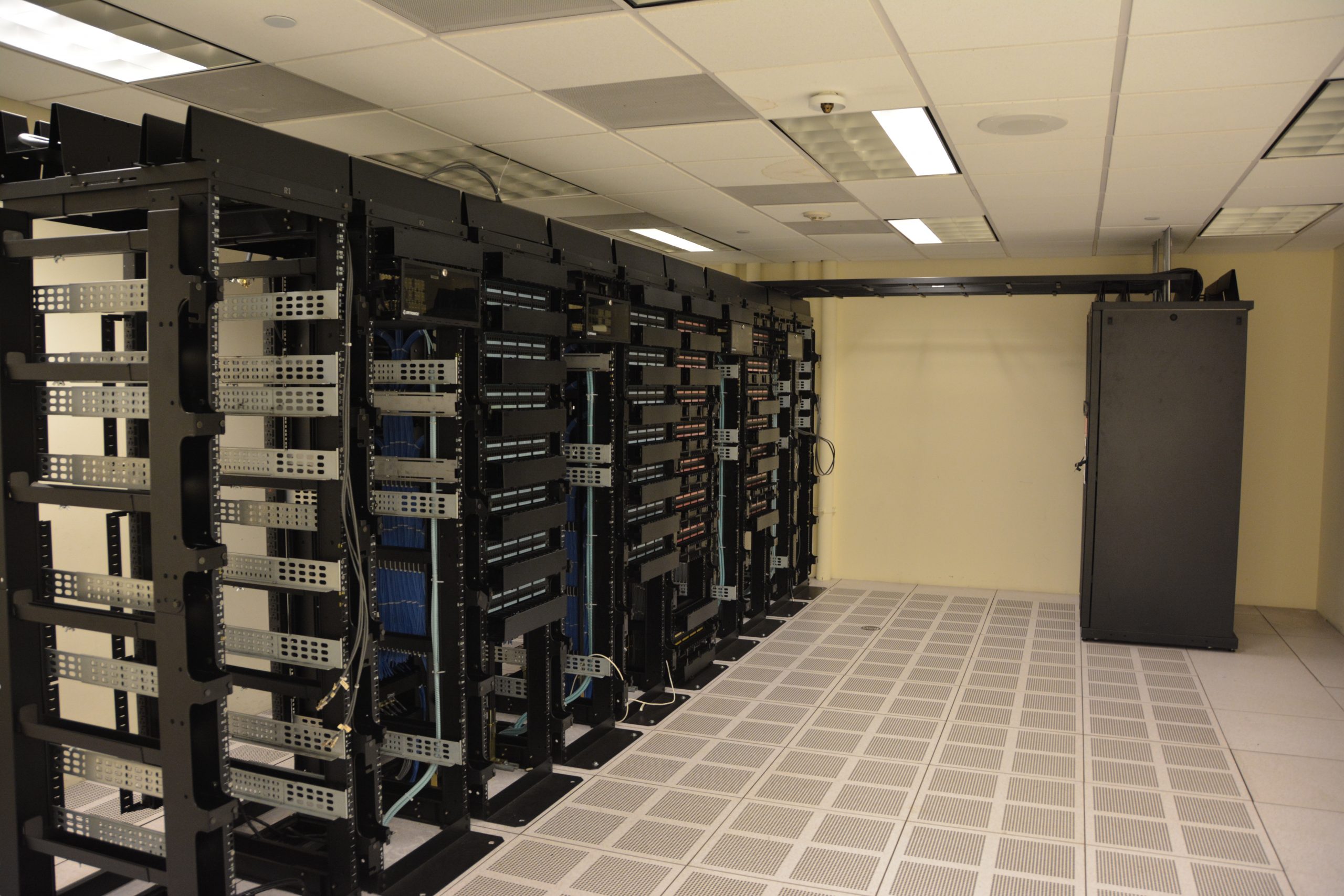
Data centres provide the computing infrastructure behind modern artificial intelligence.
Photo: Carl Lender, Wikimedia Commons,
CC BY 2.0.
Image source.
Artificial intelligence is becoming a central part of the global economy. Businesses use AI to analyse information, automate routine tasks, improve customer service and develop new products. Governments are also investing in digital infrastructure to strengthen their technological capabilities.
Yet behind the rapid growth of artificial intelligence is a physical infrastructure that receives less attention: electricity. AI systems depend on data centres filled with powerful computers, cooling equipment and networking technology. As demand for AI services increases, the energy requirements of these facilities are becoming an important economic and environmental issue.
Why AI Requires So Much Infrastructure
AI models require computing power to be trained and operated. Training involves processing large quantities of data, while everyday use requires servers to respond to requests from users and businesses.
These activities take place in data centres. Such facilities require reliable electricity not only for computing equipment but also for cooling, security and other supporting systems.
The International Energy Agency estimated that data centres consumed around 415 terawatt-hours of electricity in 2024, equivalent to approximately 1.5% of global electricity consumption. The IEA’s 2025 report projected that global data-centre electricity consumption could more than double by 2030, reaching around 945 terawatt-hours in its base case.
Electricity Is Becoming a Competitive Advantage
Access to affordable and reliable electricity may influence where technology companies build new data centres. A country can have skilled engineers, advanced universities and attractive investment policies, but insufficient electricity capacity may limit its ability to develop a competitive AI industry.
For this reason, electricity infrastructure is becoming part of the competition for digital investment. Power generation, transmission networks, transformers, grid connections and energy storage all matter.
Countries that can expand electricity supply while maintaining reliability may become more attractive destinations for data-centre investment.
Can Renewable Energy Meet the Demand?
Renewable energy can play an important role in meeting the electricity needs of data centres. Solar and wind power can provide additional low-emission electricity, while hydropower, batteries and other technologies can help balance supply and demand.
However, renewable generation varies with weather conditions and time of day. Data centres often need electricity continuously, so companies and electricity providers must consider how to combine renewable generation with storage, grid connections and other reliable sources of power.
The IEA’s analysis identifies renewables as an important source of additional electricity for data centres, while also highlighting roles for natural gas and nuclear power in different regions.
AI Could Also Help the Energy Industry
There is another side to the relationship between AI and electricity. Artificial intelligence may help energy companies improve forecasting, detect equipment problems, manage electricity networks and optimise energy consumption.
For example, AI systems can analyse weather information to improve renewable-energy forecasts. They can also help identify unusual patterns in industrial equipment, allowing companies to carry out maintenance before major failures occur.
If these applications are deployed effectively, AI could help make energy systems more efficient. However, these potential benefits do not remove the need to manage the electricity consumed by AI infrastructure itself.
Implications for Businesses and Governments
Technology companies should consider energy availability when planning data-centre investments. Choosing locations with suitable grid capacity, access to low-carbon electricity and efficient cooling systems can reduce operational risks.
Governments face a broader challenge. They must encourage technological investment while ensuring that electricity systems can support households, manufacturing, transport and other industries.
Planning is particularly important because new power plants and transmission networks can take years to develop. Delayed infrastructure can slow digital investment and create pressure on electricity prices.
Conclusion
The future of artificial intelligence will depend on more than algorithms, computer chips and software. It will also depend on electricity, infrastructure and energy policy.
AI creates opportunities to improve productivity and develop new industries, but its expansion must be supported by reliable and sustainable energy systems. Countries that connect digital innovation with effective energy planning may gain an important advantage in the next stage of the global technology economy.
References
International Energy Agency — Energy and AI (2025)
IEA — Energy and AI: Executive Summary
IEA — Energy Supply for AI

More Stories
Global Trade Is Growing, but the Rules of Globalisation Are Changing
Container shipping remains a central part of international trade. Photo: Ines Hegedus-Garcia, Wikimedia Commons, CC BY 2.0. Image source. International...
Strategy Execution: Why Good Plans Fail and How Managers Deliver Results
Strategy execution connects strategic planning with the activities, decisions and performance reviews required to achieve organisational objectives. Diagram: Acanizares /...
Strategic Analysis: How Businesses Turn Uncertainty into Strategic Direction
Strategic planning helps organisations assess their position, evaluate uncertainty and make decisions about future priorities. Photo: Bart Everson / Wikimedia...
Competitive Advantage: Why Successful Businesses Compete on Value
Competitive advantage depends not only on a company's products, but also on the people, capabilities and activities that deliver value...
How to Recover a Hacked Facebook Account? A Quick Guide
Has your Facebook just been hacked? Looking for a way to recover your hacked Facebook account? Don’t worry! I’ve got...
Oracle’s Benefits Don’t Coordinate Themselves
An Oracle employee with a long tenure usually has more moving parts than they realize. There’s the 401(k) and its...