
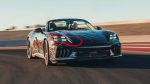
The New Porsche 718 Boxster EV Might Just Be the Electric Sports Car That Changes Our Minds

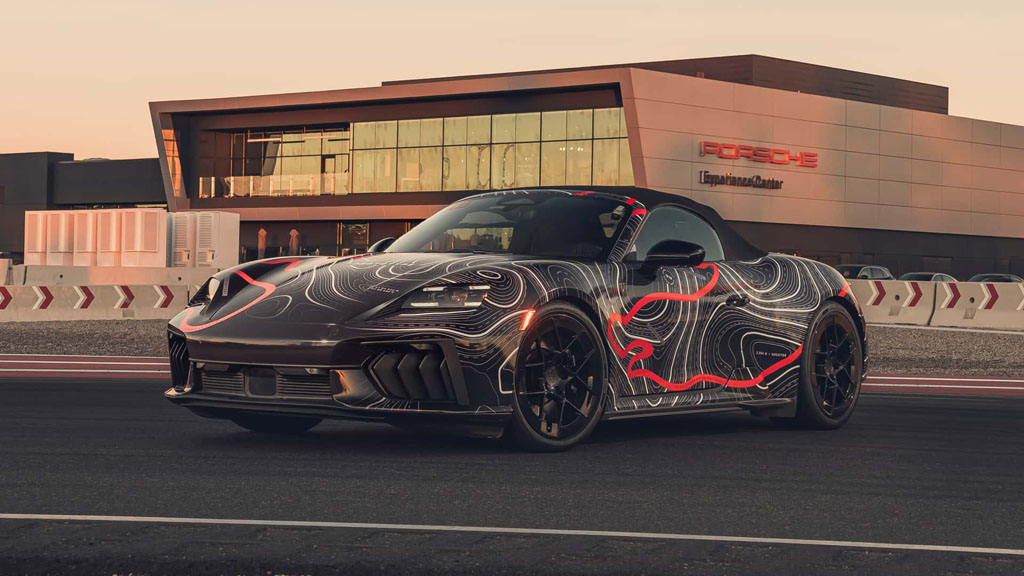
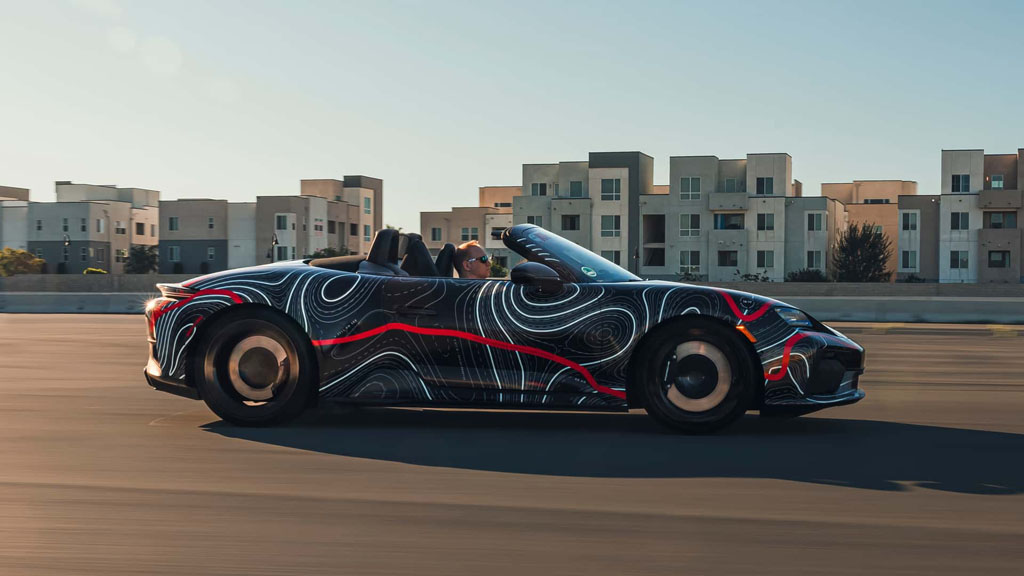
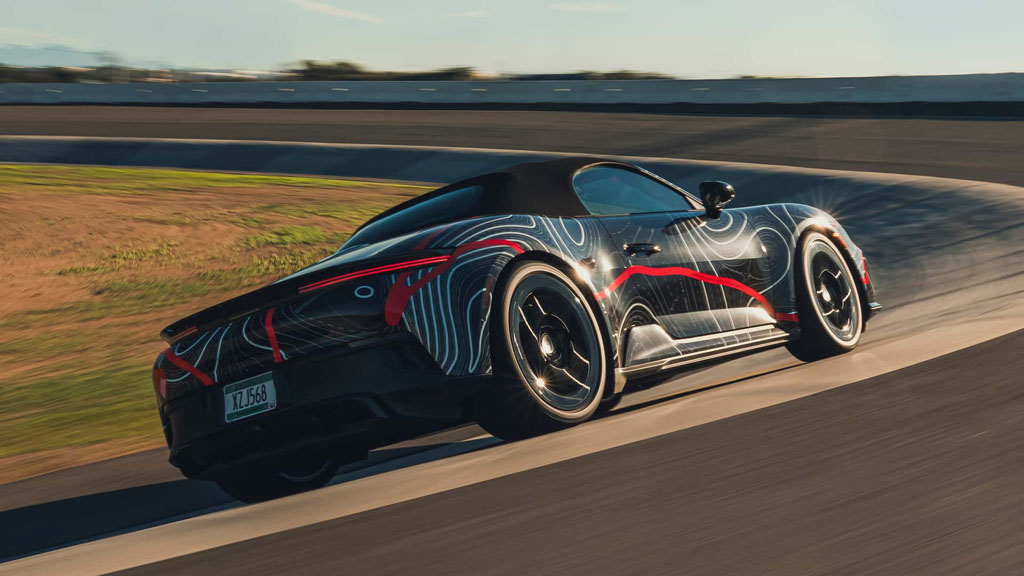
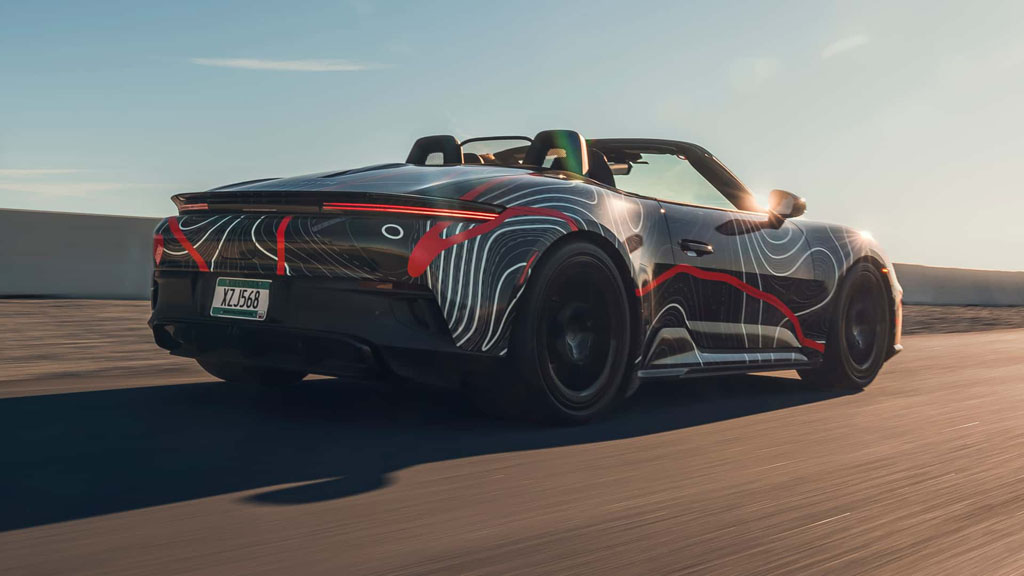
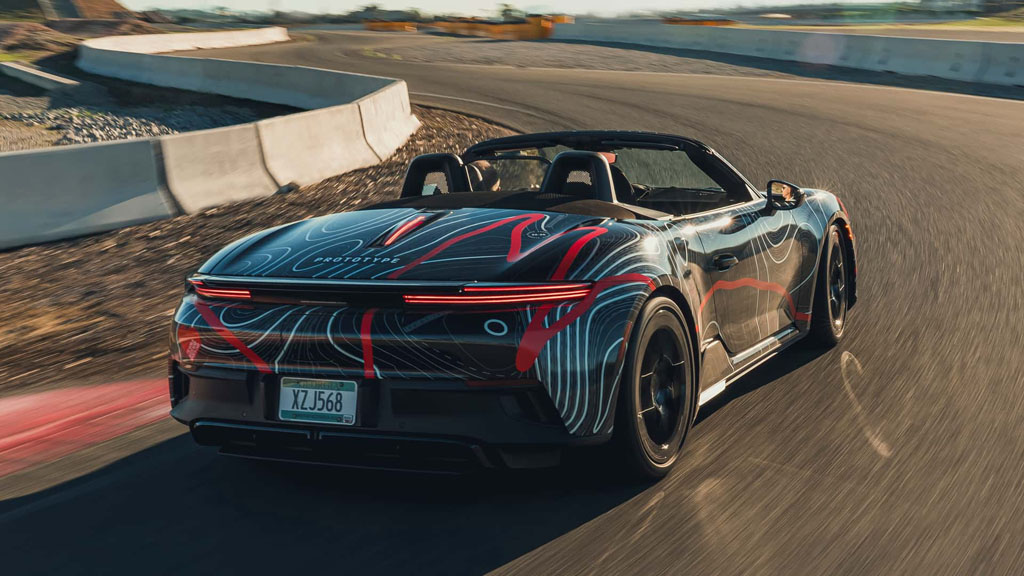
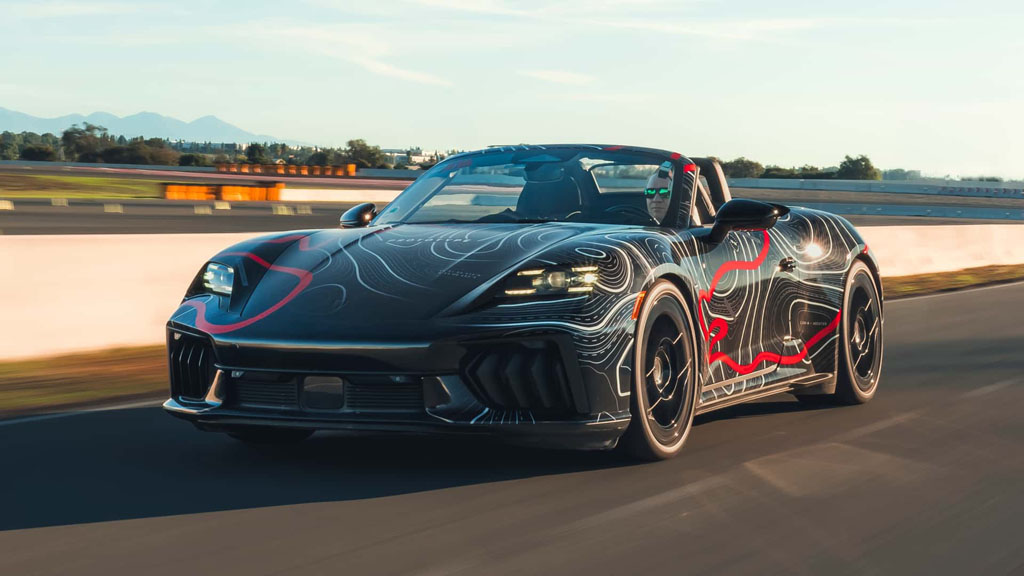
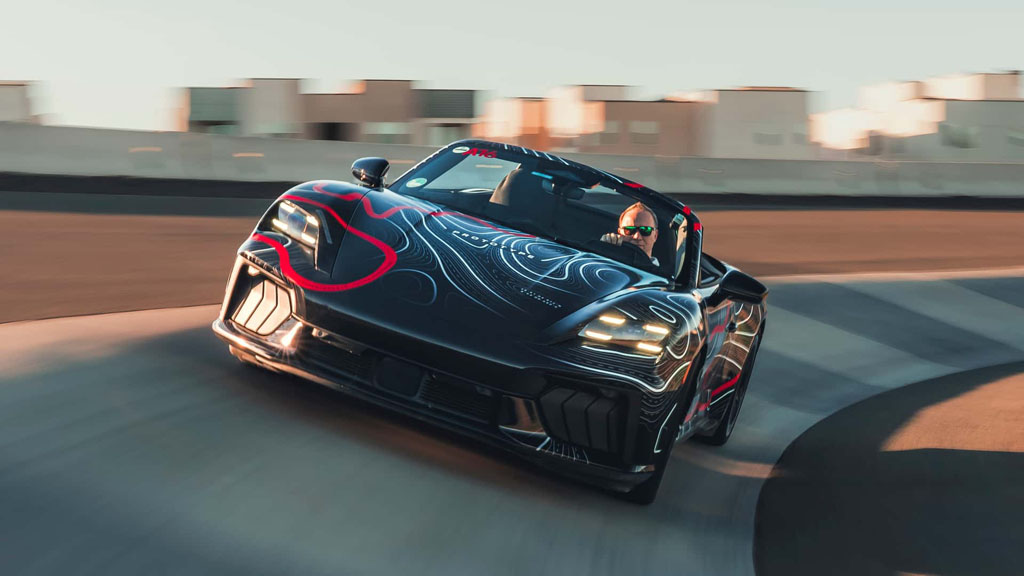
Perhaps one of the hardest pills to swallow for Porsche enthusiasts over the past few years has been the idea of an all-electric 718 Boxster. After all, some of the best attributes of the Boxster have little to do with outright speed and more to do with the mechanical connection between the car and its driver. Take away that distinctive flat-six soundtrack and the character of a mid-engine sports car, and what exactly are we left with? Well, following several early prototype drives by our colleagues in the automotive media at the Porsche Experience Center in Los Angeles, it appears Porsche may have figured out something that has largely eluded the automotive industry. Building an entertaining electric sports car requires a lot more than throwing ridiculous amounts of power at four wheels.
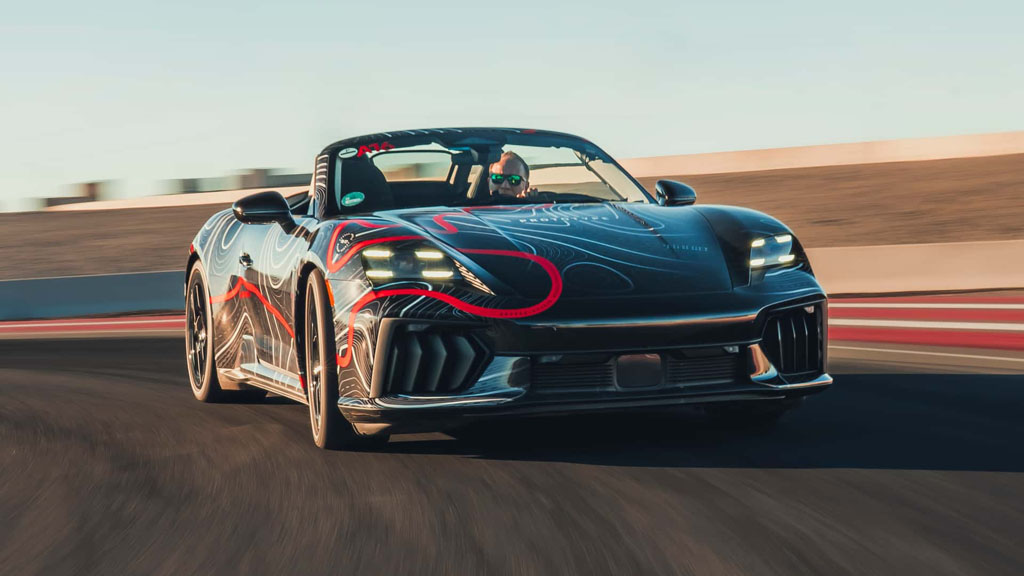
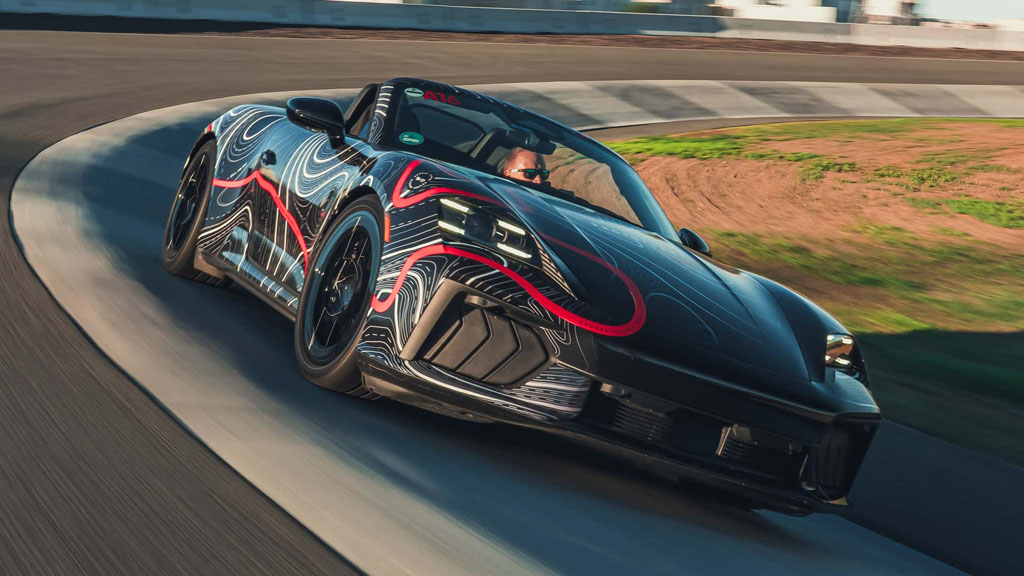
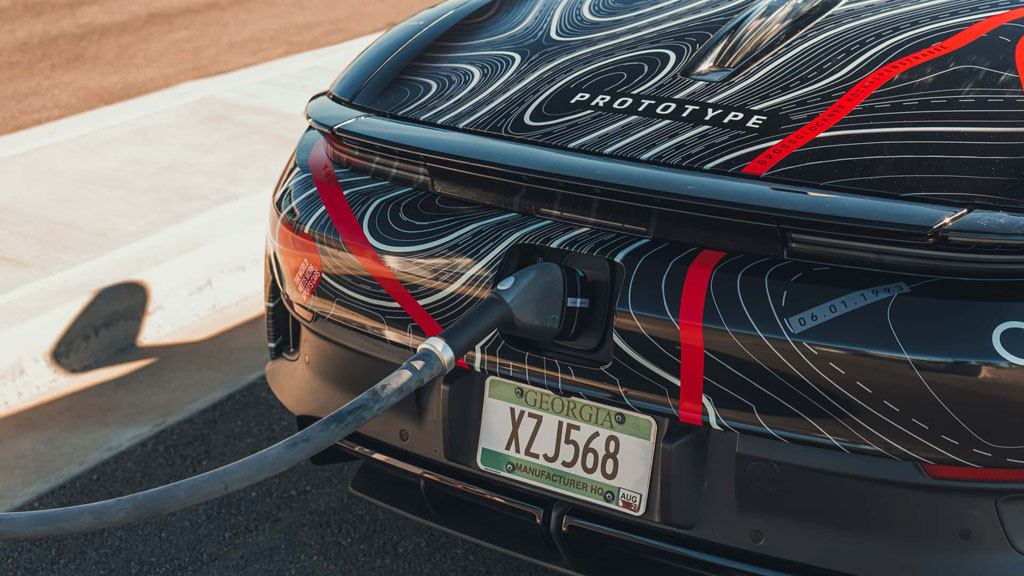
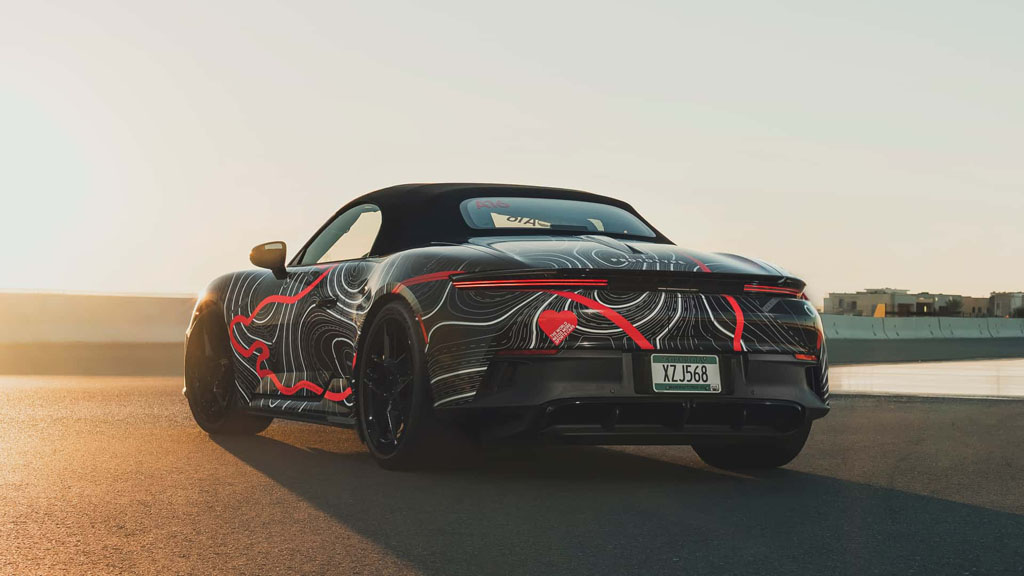
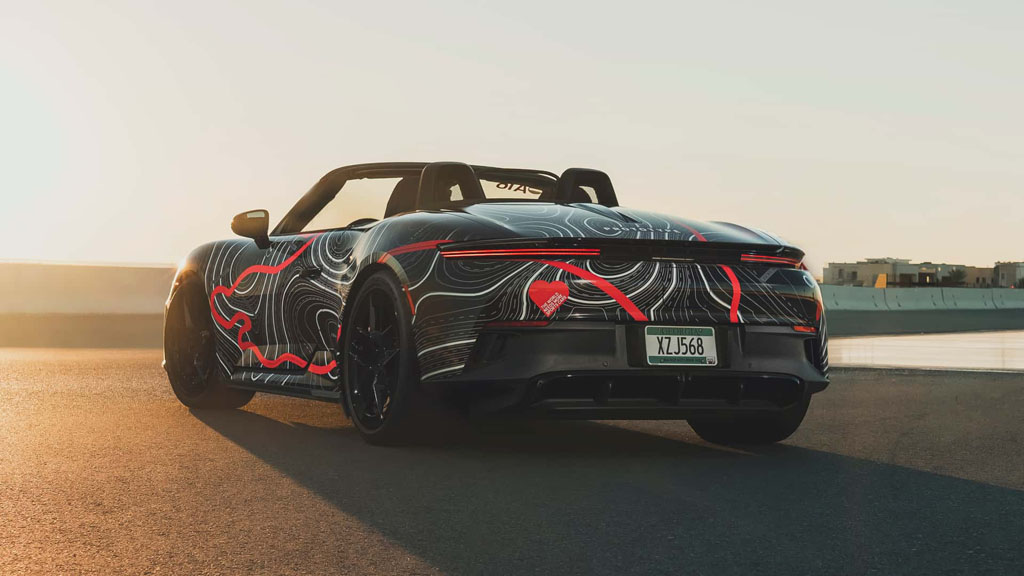
Arguably the most interesting aspect of the new 983-generation Porsche 718 Boxster EV is how Porsche has packaged its 800-volt battery architecture. Instead of placing a large battery pack underneath the passenger compartment, as is common with most modern EVs, Porsche positions the battery behind the seats where the engine traditionally resides. The arrangement gives the electric Boxster a 40/60 front-to-rear weight distribution while preserving the low seating position and familiar proportions of a proper two-seat sports car. Porsche is also sticking exclusively with rear-wheel drive for the electric Boxster, borrowing steering and several chassis components from the current 911, while offering rear-axle steering. From what we’ve gathered, the resulting driving dynamics are remarkably familiar, with a responsive front end, predictable weight transfer, and a playful rear end that should appeal to those of us who enjoy driving a Porsche for reasons beyond its acceleration figures.
Of course, acceleration is hardly going to be a shortcoming. Porsche claims the higher-performance version of the electric Boxster will reach 60 mph in less than three seconds, making it the quickest Boxster to date. The bigger question surrounds its weight, which Porsche has only described as being comparable to that of its current 911 models. We suspect the more potent versions could land somewhere between 3,700 and 4,000 pounds, which would be respectable for an EV but considerably heavier than the outgoing Boxster. Interestingly, early driving impressions suggest the additional weight doesn’t undermine the car’s agility nearly as much as one might expect. Still, we’ll be interested to see how the production car manages its weight, battery temperatures, and energy consumption during an extended track session. Battery capacity, driving range, horsepower, and pricing remain undisclosed.
Then there’s the somewhat controversial subject of simulated engine sounds and gear changes. Porsche’s standard E-Shift system recreates the sound of a naturally aspirated Boxster GTS flat-six along with the sensation of a seven-speed PDK transmission, complete with paddle-operated shifts, a virtual 8,000-rpm redline, and simulated engine braking through regeneration. As gimmicky as all of that may sound to Porsche purists, there appears to be some genuine merit to the system. Much like what Hyundai has accomplished with the Ioniq 5 N, introducing audible and physical cues gives the driver additional points of reference when negotiating a series of corners. Several journalists actually preferred driving the prototype with the simulation activated. No arrangement of speakers and clever software will ever truly replicate the mechanical symphony of a naturally aspirated Porsche engine, but we’re willing to give Porsche credit for recognizing that silence and uninterrupted acceleration aren’t necessarily the ingredients of an engaging sports car.
What makes the upcoming Porsche 718 Boxster EV particularly important is what it could mean for the future of sports cars in general. We’ve reached a point where making an electric vehicle exceptionally fast is hardly revolutionary, yet making one that compels you to take the long way home remains a much greater challenge. Porsche seems to understand that distinction better than most. There’s still plenty to learn about the production Boxster, particularly its price, real-world range, and whether it can deliver enough excitement to win over an understandably skeptical enthusiast crowd. We aren’t quite ready to trade the intoxicating sounds of a flat-six for a digitally recreated version, but these early prototype drives give us more reason for optimism than we had before. If Porsche can make an electric sports car desirable for the way it drives rather than simply how quickly it accelerates, the future of enthusiast motoring might not be as bleak as some have suggested.
More Stories
2026 Toyota RAV4 vs. Camry: A City World Toyota Guide to Hybrid Commuting in New York
BRONX, N.Y., November 6, 2026 – New York City drivers who want better fuel economy in stop-and-go traffic no longer...
Stunning Highlights from the Record-Breaking Classic Motor Show 2026
The 2026 Lancaster Insurance Classic Motor Show welcomed a record-breaking crowd to Birmingham’s NEC. Meanwhile, the event celebrated fresh faces,...
Honda Recalls Over 810,000 Accord, Civic, CR-V, and Acura Models Over Dangerous Takata Airbag Defect
Just when it seemed the massive Takata airbag recall saga might finally be winding down, Honda is once again facing...
Ford Maverick vs. Ford Ranger: Which Pickup Makes More Sense for Everyday Driving?
Ford sells two smaller pickups that often end up on the same shopping list. They look like neighbors in the...
Try Before You Buy: Renting an Exotic Before Purchase
Most people spend more time test driving a $35,000 crossover than they do a $250,000 supercar. The exotic gets a...
2027 Ferrari 296 Challenge Stradale Ditches Hybrid Power for a Lighter, More Hardcore Driving Experience
Ferrari has been building some incredibly fast cars lately, but its latest creation takes a refreshingly different approach to performance....