

2027 Ferrari 296 Challenge Stradale Ditches Hybrid Power for a Lighter, More Hardcore Driving Experience

Ferrari has been building some incredibly fast cars lately, but its latest creation takes a refreshingly different approach to performance. Meet the new 2027 Ferrari 296 Challenge Stradale, a street-legal, track-focused machine that brings back one of the most celebrated names in the automaker’s modern history. More than two decades after the original 360 Challenge Stradale captured the hearts of driving enthusiasts, Ferrari is revisiting that same philosophy with a car that prioritizes lighter weight, sharper handling, and a more direct connection between driver and machine. Perhaps the biggest surprise is what’s missing. In an era when electrification has become an essential part of Ferrari’s performance formula, the 296 Challenge Stradale does away with hybrid assistance entirely.
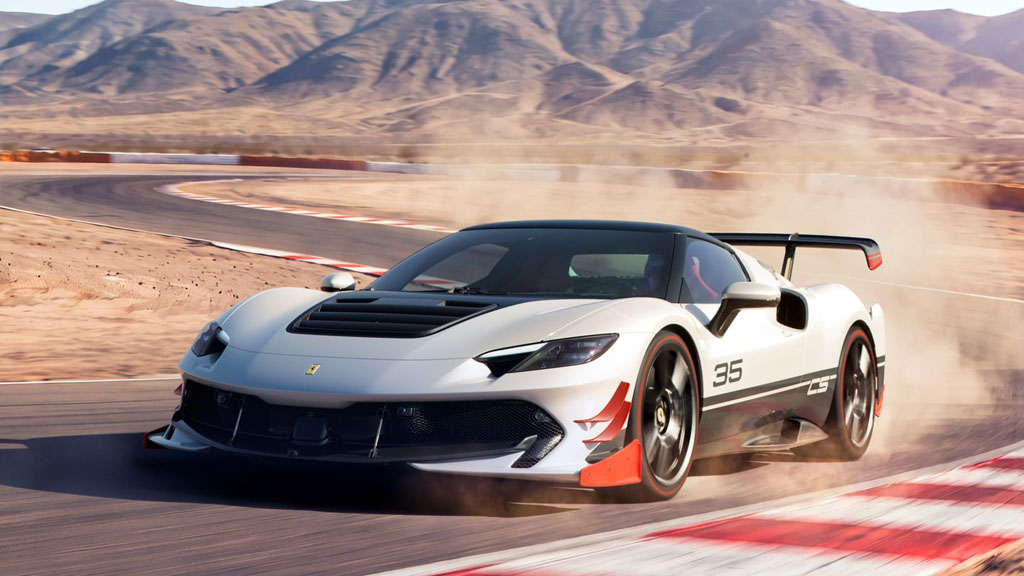
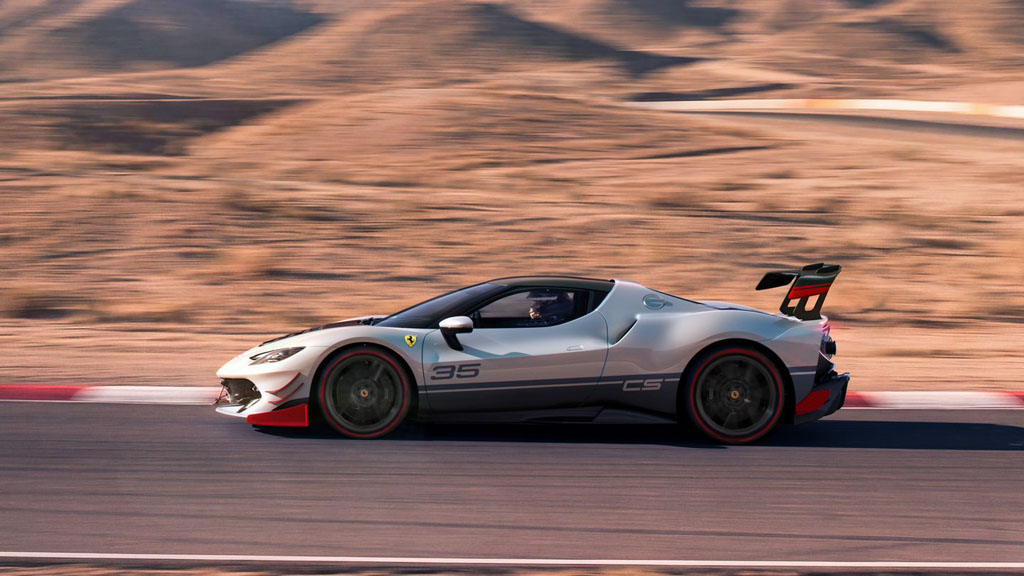
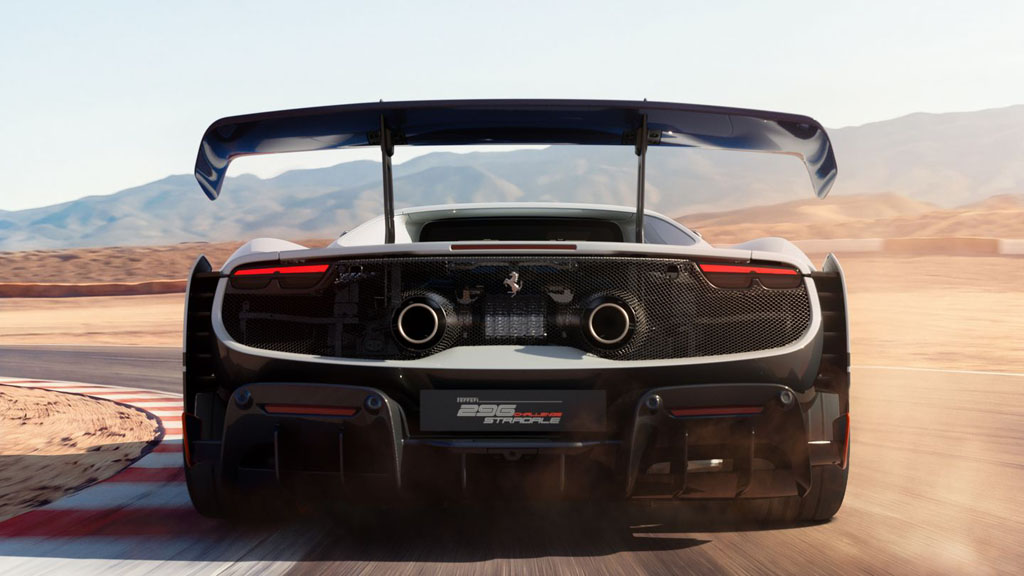
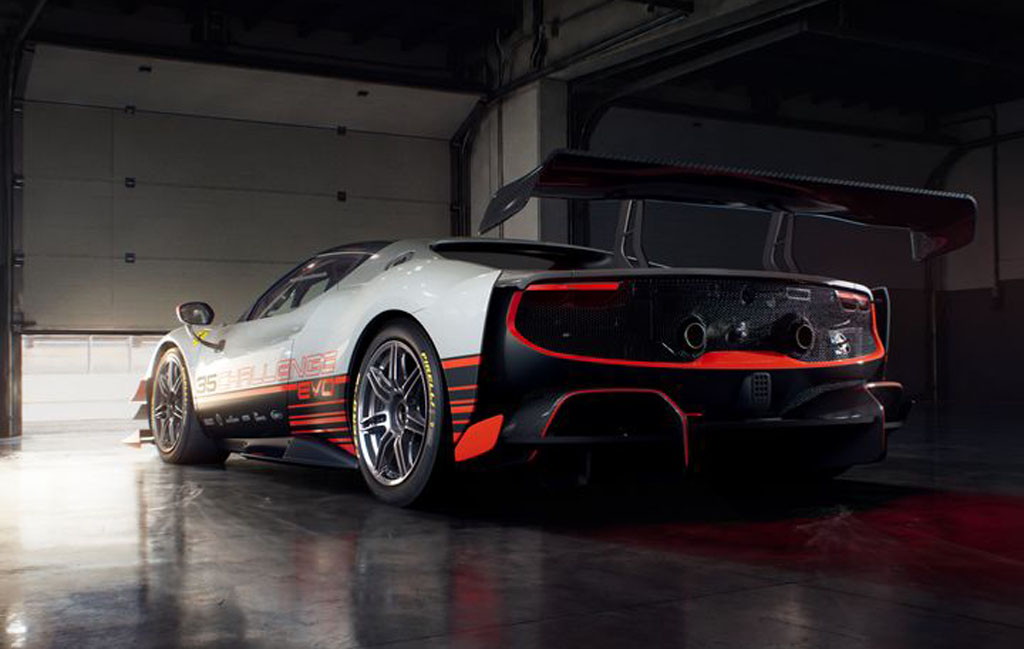
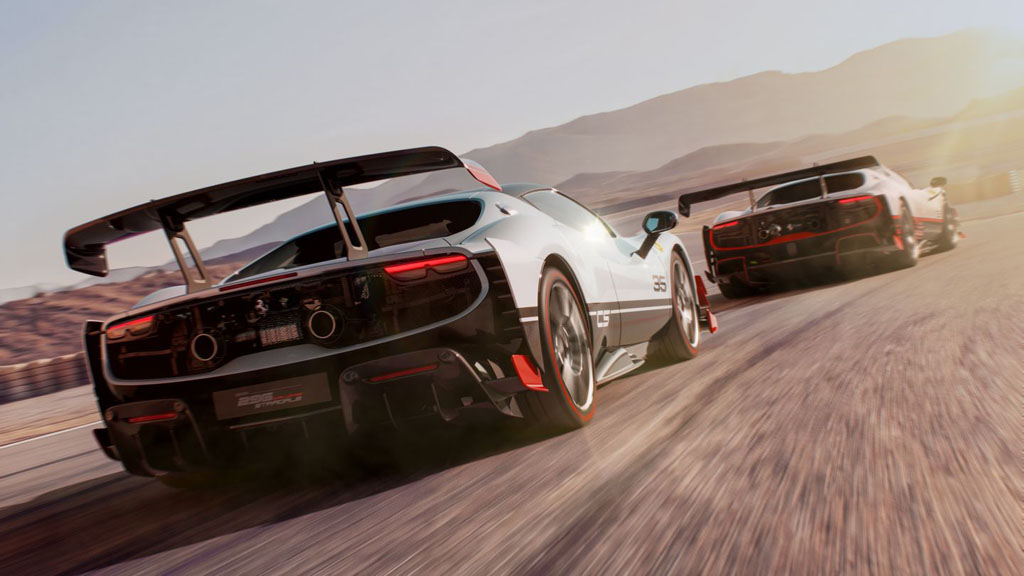
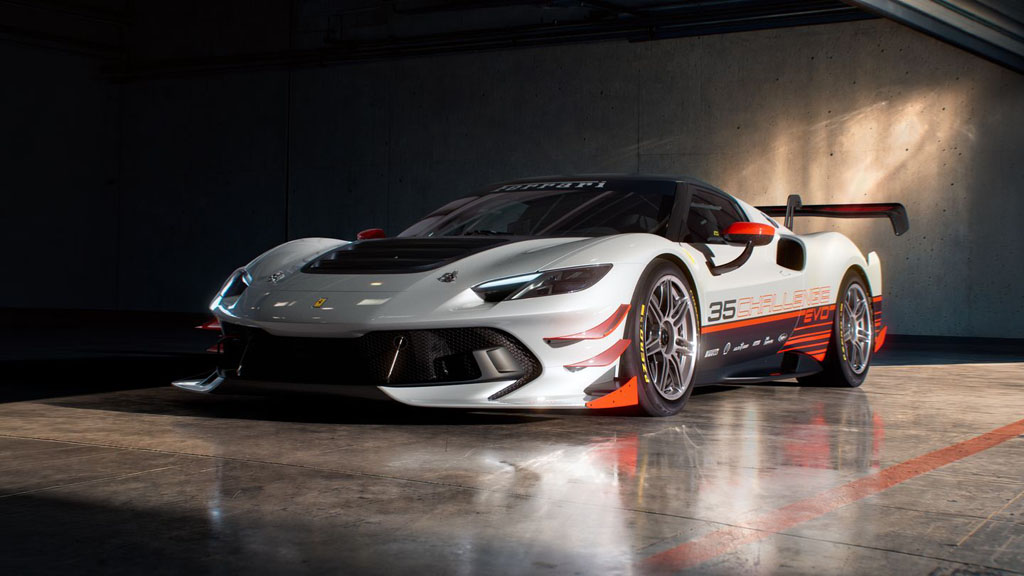
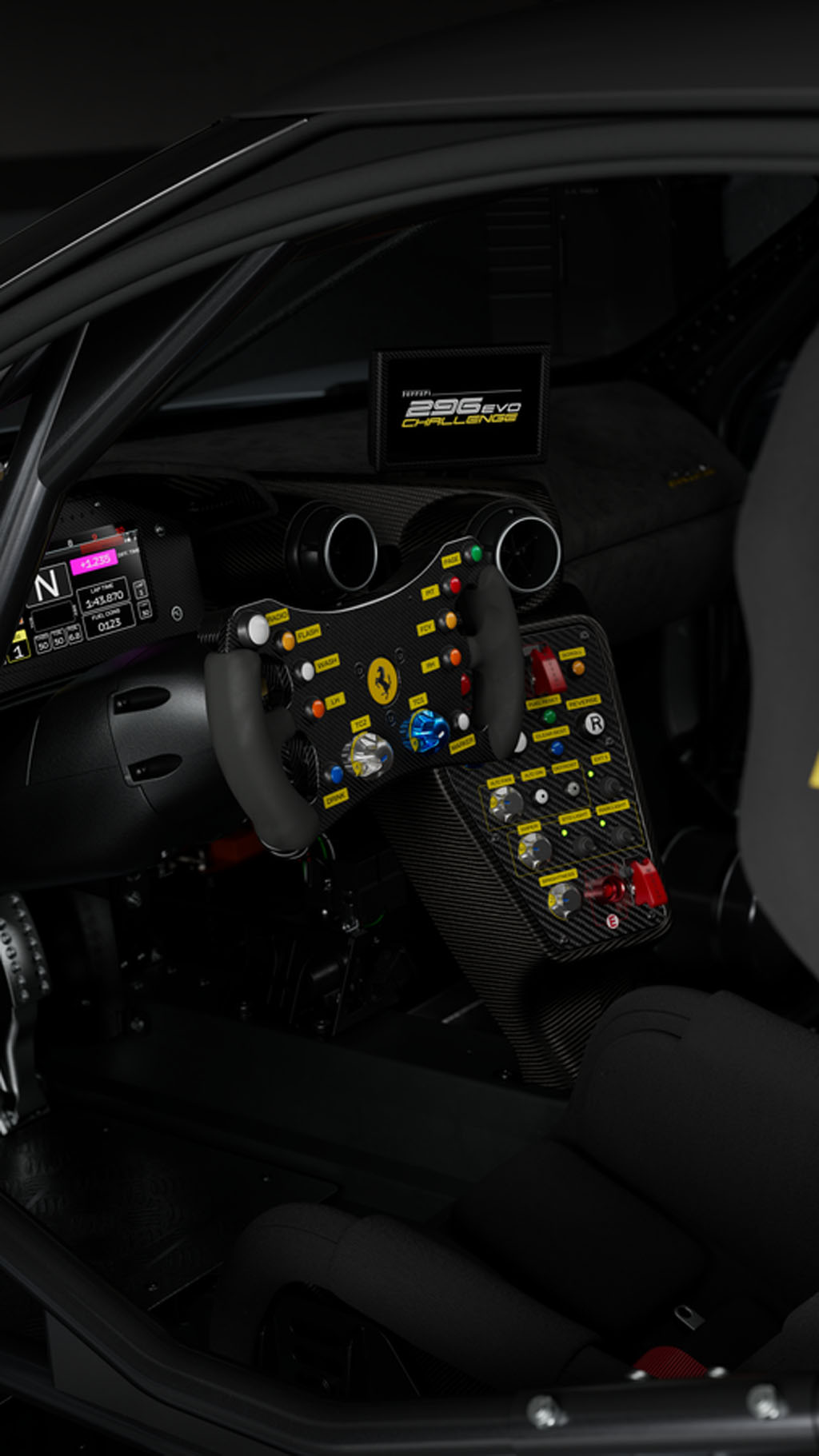
Unveiled alongside the new 296 Challenge Evo race car at the Circuit de Barcelona-Catalunya, the 296 Challenge Stradale looks like something that could roll straight out of the pit lane and onto public roads. Ferrari has certainly built its share of track-inspired road cars, including the F430 Scuderia, 458 Speciale, and 488 Pista, but this latest offering takes the connection to motorsports a step further. Developed alongside its racing counterpart, the Challenge Stradale shares much of the Evo’s aggressive aerodynamic design and underlying engineering philosophy. There’s very little subtlety here, and that’s precisely the point. Ferrari wants this car to deliver an experience that feels closer to its competition machinery than a traditional road-going supercar.
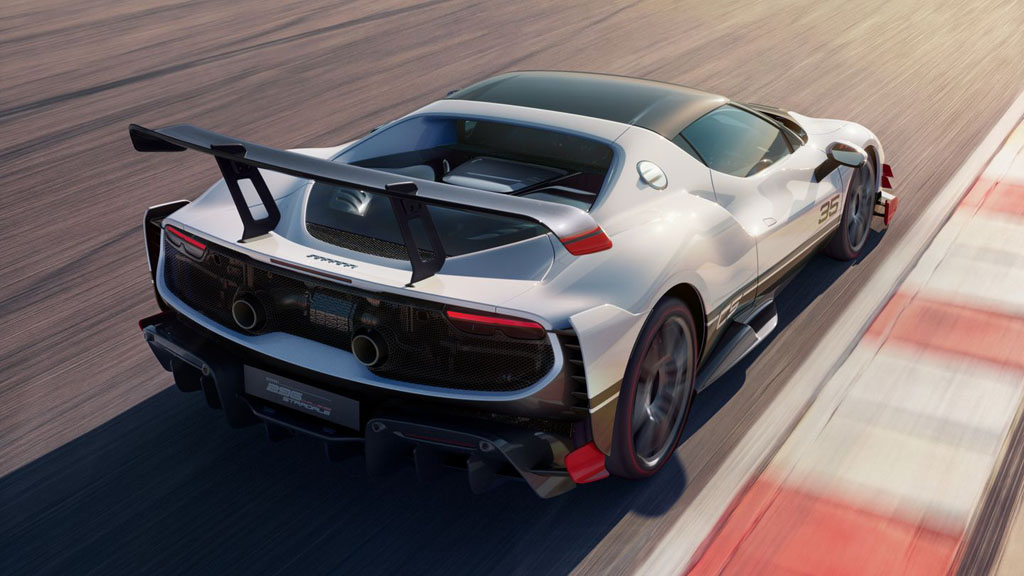
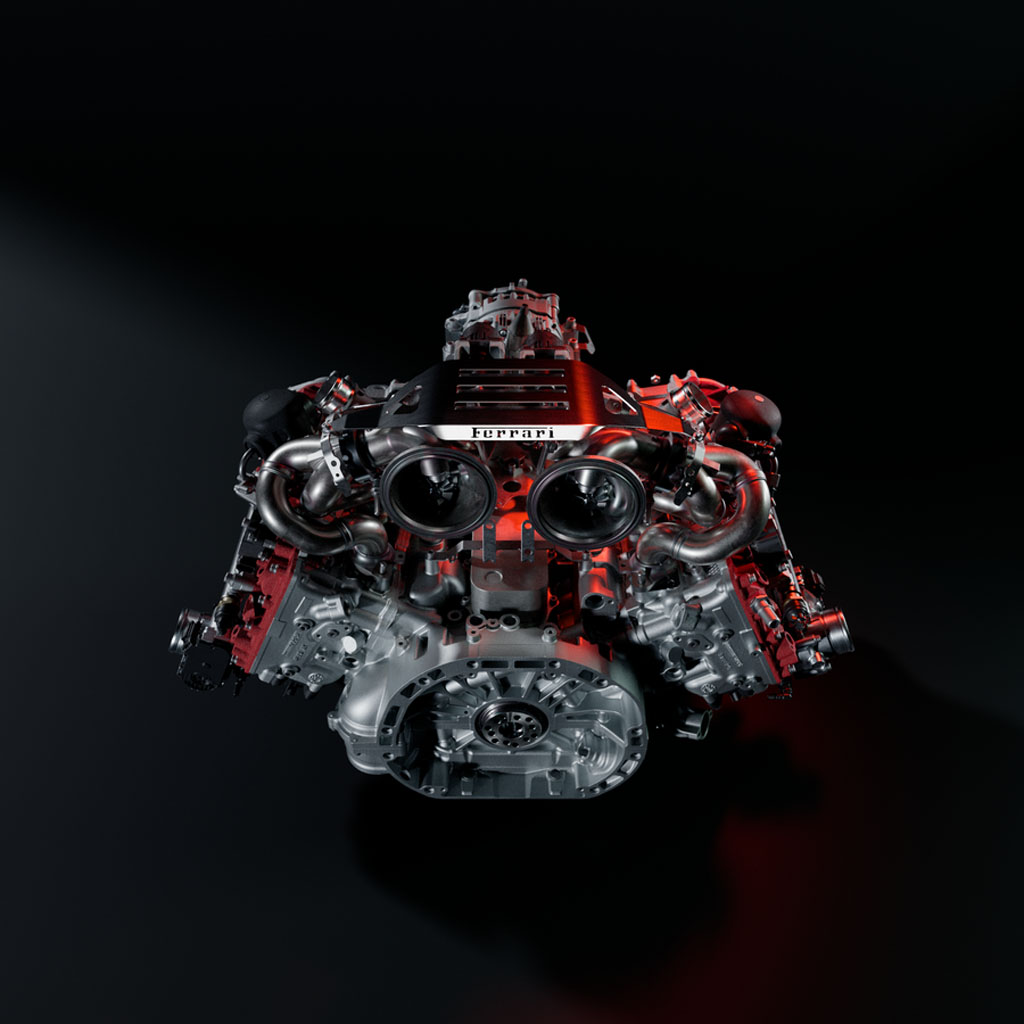
Underneath the dramatic bodywork sits Ferrari’s familiar 3.0-liter twin-turbocharged V6, only this time it operates without the electric motor and battery pack found in the standard 296 GTB. The result is 670 horsepower, a noticeable drop from the GTB’s combined 819 horsepower, but the trade-off comes with some compelling benefits. Ferrari says the Challenge Stradale sheds approximately 328 pounds compared to the standard car’s dry weight, thanks largely to the removal of its plug-in hybrid components and additional weight-saving measures throughout the drivetrain. Engineers have also recalibrated the V6 to improve low-end response, helping compensate for the absence of electric torque assistance. A redesigned exhaust system promises a more pronounced engine soundtrack, which should be welcome news for enthusiasts who appreciate hearing a Ferrari engine work its way through the rev range.
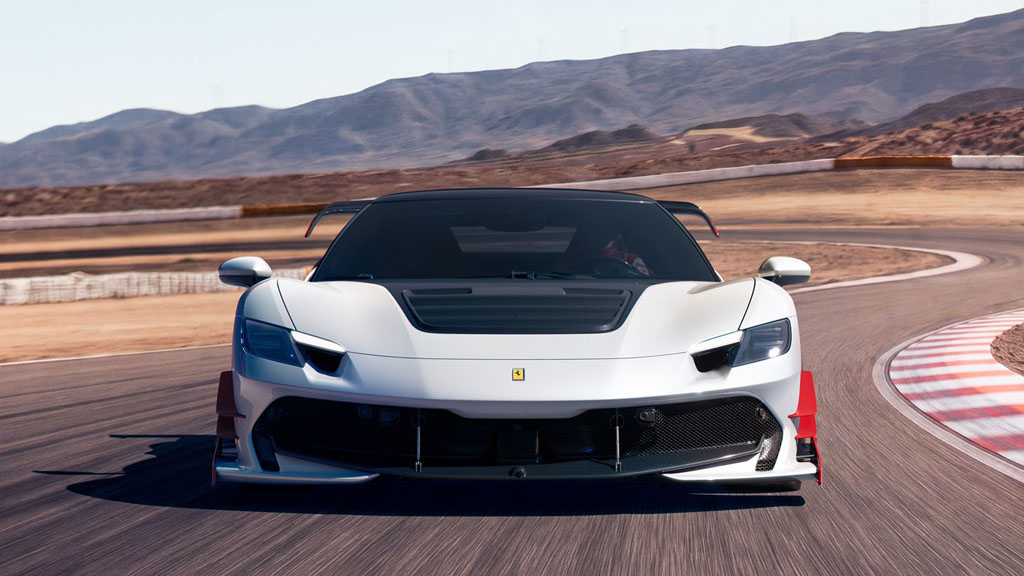
Of course, losing weight is only part of the equation. The 296 Challenge Stradale also receives an aerodynamic overhaul that makes the standard 296 GTB look relatively restrained. A large carbon-fiber rear wing, prominent front dive planes, adjustable splitter, and extensively vented hood are all part of an aero package inspired by the Challenge Evo race car. Ferrari has also reworked the underbody with additional vortex generators and an optimized rear diffuser to help manage airflow at higher speeds. The result is an astonishing 1,360 pounds of downforce at 155 mph, representing a 72% improvement over the standard 296 GTB’s maximum downforce figure. Those are serious numbers for something wearing a license plate, and they help explain why the Challenge Stradale looks every bit as aggressive as its racing sibling.
The chassis has received equally significant attention. Ferrari developed a new suspension setup derived from the 296 Challenge Evo, incorporating semi-active dampers and a dual-spring arrangement designed to improve body control and responsiveness. The changes are intended to minimize unwanted movement during aggressive cornering while allowing the specially developed Pirelli P Zero R tires to make the most of their available grip. Those tires measure 245/35R20 up front and 305/35R20 at the rear, mounted on lightweight forged wheels. Ferrari also had to rethink the braking system after eliminating regenerative braking, fitting larger rear carbon-ceramic brake discs and improving their cooling. Even the car’s weight distribution required additional suspension adjustments after the removal of the hybrid hardware shifted more of the overall balance toward the front.
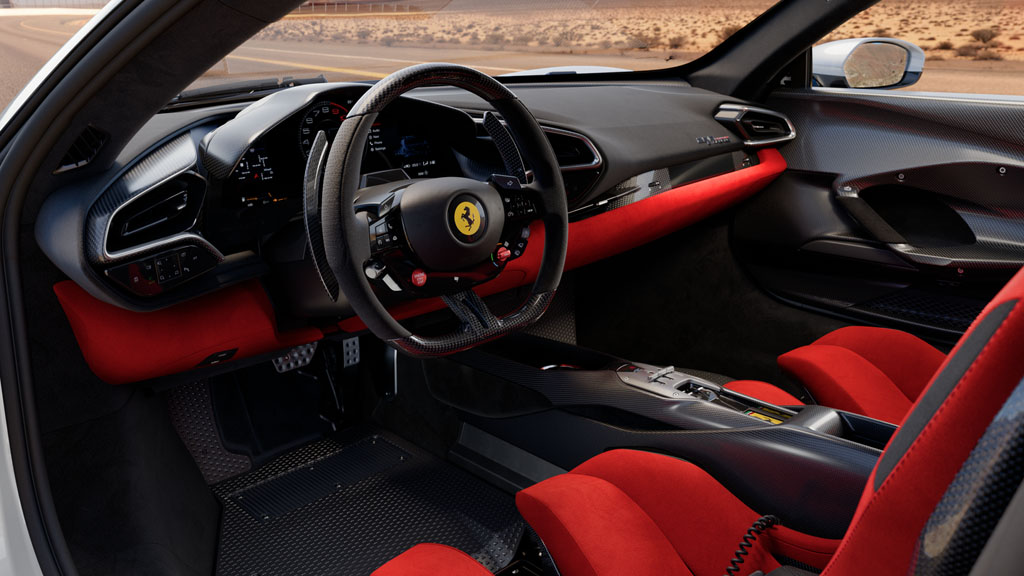
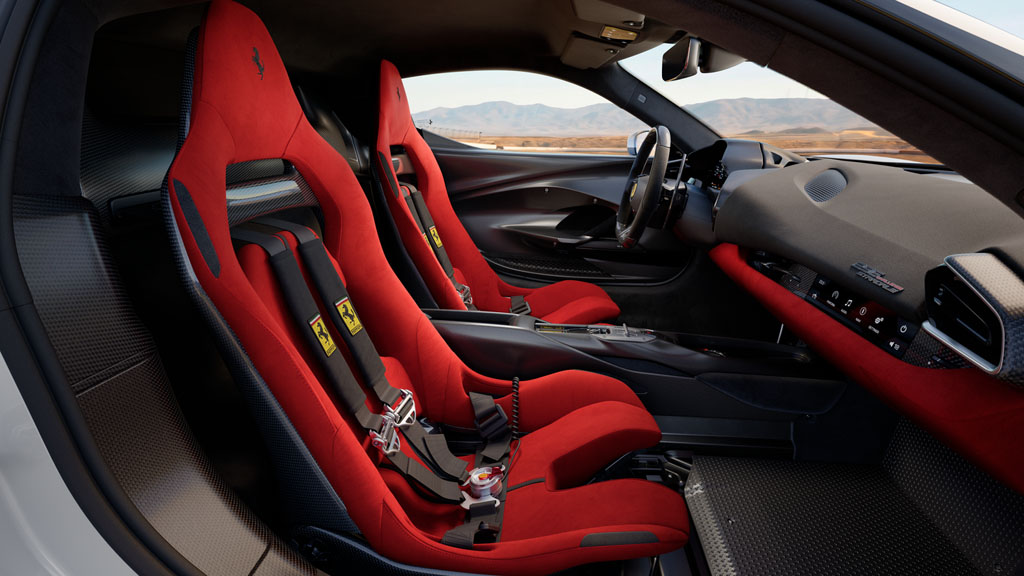
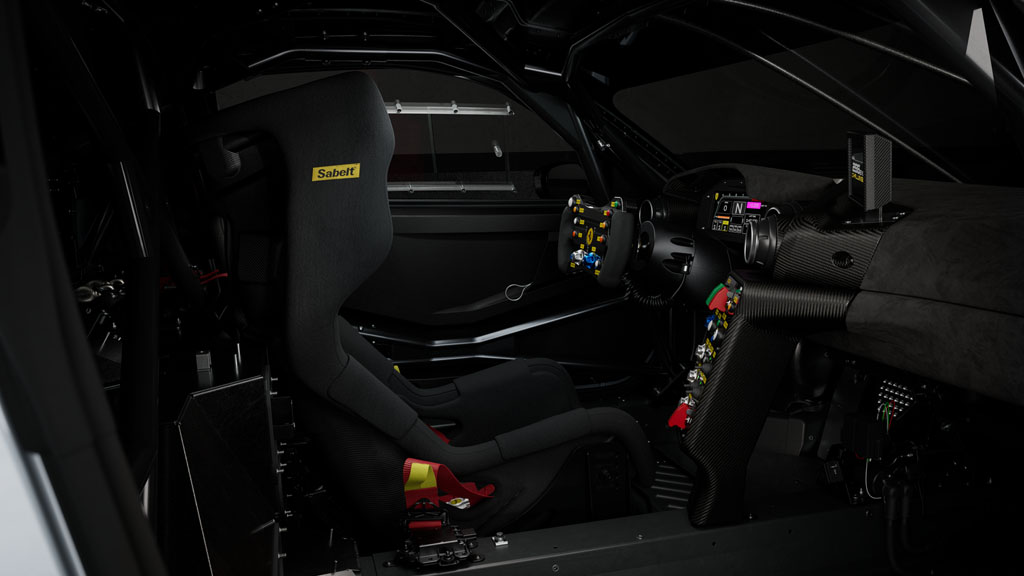
Inside, the 296 Challenge Stradale makes it clear that comfort takes a back seat to performance, although Ferrari hasn’t completely abandoned everyday usability. The cabin borrows much of its basic layout from the 296 Speciale, with familiar digital displays and modern controls, but lightweight carbon-fiber door panels and the elimination of unnecessary storage compartments reinforce its more serious intentions. Climate control and an audio system remain available, so owners won’t have to endure every street drive like a qualifying session. For those who want an even more stripped-down experience, Ferrari offers an interior configuration that removes additional carpeting and trim, exposing portions of the underlying chassis. It’s the kind of detail that might seem excessive in an ordinary sports car, but it feels perfectly appropriate for something carrying the Challenge Stradale name.
Interestingly, Ferrari isn’t positioning the new model as a replacement for the 296 Speciale. Instead, the two cars are intended to appeal to different types of buyers. The Speciale remains part of Ferrari’s more exclusive special-series lineup, where obtaining an allocation typically requires an established relationship with the brand. The 296 Challenge Stradale, meanwhile, joins the regular production range, making it accessible to customers who may be purchasing their first Ferrari. That’s a significant distinction, especially considering how difficult it can be to obtain some of Maranello’s most desirable performance models. Production isn’t subject to a predetermined numerical limit, although actual availability will naturally depend on demand and Ferrari’s manufacturing capacity.
Pricing for the U.S. market has yet to be officially confirmed, but the 296 Challenge Stradale carries a starting price of roughly €291,000 in Italy, equivalent to approximately $320,000. American deliveries are expected to begin in the second half of 2027. While that certainly isn’t inexpensive, the prospect of owning a Ferrari with genuine race-car influences, substantially reduced weight, and a combustion-only powertrain makes this one of the brand’s more intriguing recent introductions. There’s something especially appealing about a manufacturer choosing to sacrifice horsepower in pursuit of a more engaging driving experience. The 296 Challenge Stradale might not win every specification-sheet comparison against its hybrid-powered siblings, but it could end up being the Ferrari that enthusiasts remember most fondly. Sometimes the most exciting progress comes from remembering what made driving special in the first place.



More Stories
Try Before You Buy: Renting an Exotic Before Purchase
Most people spend more time test driving a $35,000 crossover than they do a $250,000 supercar. The exotic gets a...
Thinking of Buying a Rolls-Royce? Why You Should Rent One First
A Rolls-Royce is one of the few cars where a 20-minute dealer test drive tells you almost nothing about ownership....
The exquisite and iconic 1923 Alfa Romeo RL Targa Florio
The 1923 Alfa Romeo RL Targa Florio we saw on display at the Classic Motor Show 2026. Displayed with permission of...
Rent-to-Own E-Bikes: How They Work, What They Cost and Who They’re For
An electric bike can save a household real money on gas and parking, and for many families it is also...
Car Accident in California That Wasn’t Your Fault? What to Do Next
Someone else caused the crash. California law still puts a few duties on you at the scene and in the...
Genesis GV60 Magma Expands to 14 States Bringing 641 Horsepower and Serious Electric Performance to More Buyers
Genesis is giving more American buyers a chance to get behind the wheel of its most powerful production vehicle yet....