
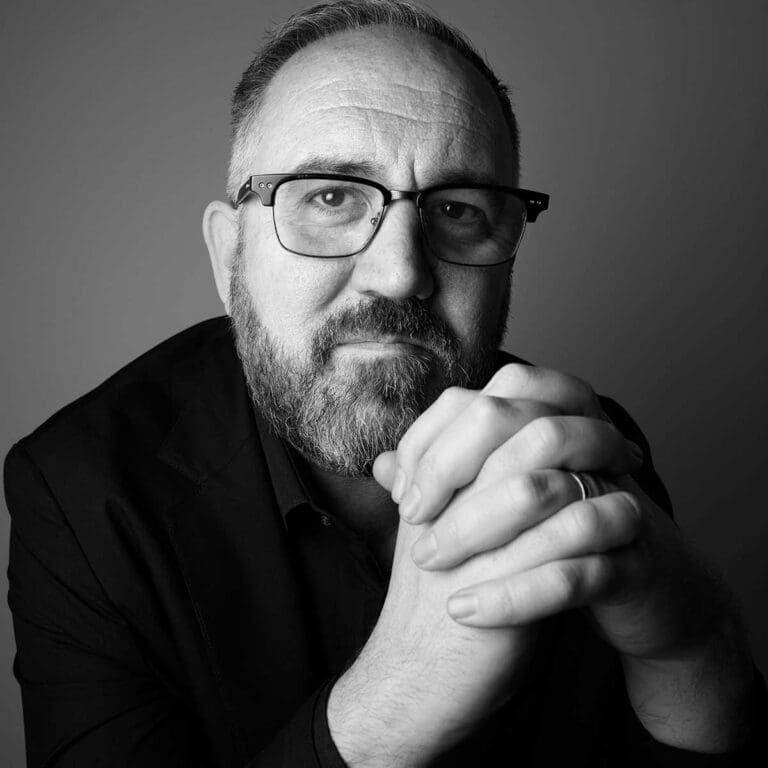
Getting to know you: Andrew Fishwick, founder and CEO, Hestia

Andrew Fishwick is the founder and chief executive of Hestia, a London-based platform that acquires premium restaurant groups and gives their founders capital and a shared central team.
The company says it is aiming to build a premium hospitality portfolio worth more than £500m, spanning ten brands, within five years, and Fishwick is now putting in place a facility to fund its first acquisitions, with a corporate bond to follow. Before hospitality he produced more than two dozen West End and Broadway shows. He tells Business Matters why founders deserve long-term backing, what theatre taught him about a busy service and why he keeps asking whether the numbers reconcile.
What do you currently do at Hestia?
I run Hestia, which is acquiring premium restaurant groups and helping them grow. We look for businesses with a strong name, a loyal following and inspirational founders. Our central team takes on the work that tends to hold a growing group back, such as finance and reporting, property, technology, purchasing and governance.
Most of my week goes on the acquisitions themselves and the capital behind them, which is a polite way of saying I spend a lot of time with lawyers (love you, Julian). We are putting in place a facility to fund our first acquisitions, with a corporate bond to follow.
The rest of the week I spend eating in restaurants we admire, which is the bit most people offer to help with. My accountant calls this due diligence, and I have not corrected him.
I am also a Liveryman of the Worshipful Company of Entrepreneurs, and we are working on helping scale-ups across the UK at the moment, which I am really enjoying.
What was the inspiration behind your business?
I have spent around 25 years as an operator and chief executive, first in the cultural sector and then in hospitality. People assume that is a big leap. It really is not. Both put on a show every night, and both can lose money alarmingly fast if the audience stays at home.
Over that time, I kept meeting the same kind of business. A brilliant restaurant group, loved by its guests and run by people who had put everything into it, would reach a point where it could not grow any further on its own.
Private equity wanted an exit within a few years, and the pressure to get there often wore away the very thing that made the place special. The banks, when asked, mostly looked at their shoes.
Hestia is my answer to that. Founders get proper capital and a group-level back office while keeping hold of what they built. I think they deserve backing for the long term.
Who do you admire?
Operators who grow without losing what made them good in the first place. The ones I admire most can open their twentieth restaurant and it still feels like their first.
In business more widely, I have learned a great deal from Justin King, who I am fortunate to count as my Chair at Hestia and a friend and confidant. His decade at Sainsbury’s showed how a large consumer business can be turned round by keeping the customer at the centre of every decision.
He also still takes my calls, which after some of the questions I have asked him shows remarkable patience.
Looking back, is there anything you would have done differently?
I would have started working with the partners we have now much sooner. What we are trying to achieve with Hestia is simple. The financing and mechanics behind it are anything but, and I now know more about warehouse facilities than any normal person reasonably should.
There are still rogues out there too. But we now have a team in place that can bring this home.
What defines your way of doing business?
Long-term partnership. When we invest in a restaurant group the founders stay, and they stay because they want to, with a real share in what comes next.
I am also particular about numbers. My team will tell you that the four words they least like to hear from me are “does this still reconcile?” Hospitality is a small world, and a reputation for doing what you said you would do takes years to build.
Theatre taught me a lot of the rest. I produced more than two dozen West End and Broadway shows and built the first new purpose-built theatre in London for over half a century. On opening night every person in the building matters, from the lead to the stage door. A good restaurant on a Saturday night works in much the same way.
What advice would you give to someone starting out?
Know your numbers before anyone asks you for them. Few things go down worse in a pitch than promising to “come back to you” on gross margin.
Choose your partners with care, as you will probably spend longer with them than with your family. Look after your team, and they will look after the business for you.
Finally, eat out as often as you can afford. It counts as research, whatever my wife says.

More Stories
What UK SMEs Get Wrong About Their First Office
However, the first office selection process is always made on the basis of cost, convenience of location, or even size...
Why Tech Talent Is Moving Into Traditional Business – and What It Can Bring, According to La Royale Group CEO Madelynn Loo
Experienced operators who built careers in technology are moving into financial services, consumer businesses, logistics, investment groups and other established...
Getting to know you: Ross McCarthy, founder, Fruga
Ross McCarthy is the founder of Fruga, a Manchester insurtech that turns everyday spending data into retention tools and customer...
The Role of Digital Communication Tools in Modern Corporate Training
They are opening up learning possibilities that are beyond classrooms, printed manuals, and occasional workshops. These digital platforms that we...
The AI Questions Your Clients Are About to Start Asking You
Somewhere between the insurance certificates and the cyber security questions, larger clients have started asking what AI tools their suppliers...
What business leaders can learn from poker
Leaders are constantly making decisions under pressure, managing risk, reading competitors, and adapting strategies, just like in a game of...