
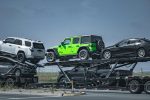
Why Doesn’t Every Car Shipping Company Own Its Trucks?

You might have seen that not every auto transport firm possesses the vehicles that are used to transport your car. This seems surprising initially. After all, wouldn’t it make sense that a company that ships vehicles should have its own fleet?
This is not as simple as it seems. A major component of the U.S. auto transport industry is comprised of licensed auto carriers, brokers, dispatchers, and logistics companies that collaborate to transport millions of vehicles annually. Many shipping companies don’t depend only on company vehicles, instead coordinating transport with a well-selected network of shipper carriers, which in turn makes it possible for them to offer customers nationwide.
This business model is not something necessitated by the auto business. Many such systems are also found in freight transport, airlines, and package delivery, used to gain efficiency and expand the service scope of their transport organisations.
By knowing about the reasons for third-party truck operators opting against ownership, one can better decide on which car shipping company outside they should opt for. This article examines what this industry has to offer, the difference between broker and carrier, the pros and cons of each model, and why it may not be the best solution to truck ownership.
Broker vs. Carrier: What’s the Difference?
The main source of confusion that customers can have is the difference between a broker and a carrier.
What Is a Car Shipping Broker?
A broker coordinates operations between the customers and licensed transport carriers. They may be responsible for:
Collecting shipment information
Providing transportation quotes
Requires coordinating loads and ships with available carriers
Managing speed and efficiency of response to the students
Managing the communication during the shipping process
Instead of owning trucks, brokers use the national network of carriers that are available to effect transport solutions.
What Are Motor Carriers?
Motor Carriers are those companies that physically move vehicles. Carriers typically:
Own or lease transport trucks
Employ commercial drivers
Perform maintenance on trailers and equipment
Carry cargo insurance
Follow Federal transportation regulations
The people who see the vehicles being loaded onto a trailer are physically involved with the carrier who moves the shipment.
Why Many Car Shipping Companies Don’t Own Trucks
While it might seem like the perfect business model to own a fleet, there are some practical considerations that make it a better option for many businesses to work with a carrier partner.
Nationwide Coverage Is Difficult with a Single Fleet
The United States covers nearly 3.8 million square miles. Establishing reliable services across the Fifty States would necessitate:
There are hundreds of transport trucks
Thousands of trailers
Regional maintenance facilities
Driver recruiting teams
This level of national coverage would demand a massive investment for most businesses. Rather, many companies enter into agreements with existing area carriers that have local operations in their regions. This means customers can be serviced in otherwise remote areas. For customers, working with a nationwide car shipping company can provide access to a broader carrier network without relying on a single in-house fleet.
Carrier Networks Improve Availability
The need for vehicle transportation fluctuates daily. For example:
Snowbirds relocate seasonally.
Military families receive PCS orders.
Dealerships transfer inventory.
Online sales of vehicles raise shipping needs.
College students relocate.
Long waiting times could occur if all the trucks belonging to one company were already loaded with customers. Multiplying the number of licensed carriers creates much more transportation capacity for logistics companies.
This flexibility often results in:
Faster scheduling
More pickup options
Better route availability
Improved delivery efficiency
Owning Trucks Requires Significant Investment
Operating commercial vehicle transport equipment is expensive. To be a fleet owner, one needs to invest:
Transport trucks
Multi-car trailers
Commercial insurance
Maintenance facilities
Fuel
Driver wages
Licensing and permits
Safety compliance
These costs are not limited to when trucks are at full load, but rather apply every time they are running. You never have to pay for equipment when you don’t use it, no matter if it’s a slower business time period or otherwise.
Many logistics companies opt for avoiding these set costs and instead opt for transportation management.
The Cost of Operating an Auto Transport Fleet
Owning transport trucks involves much more than purchasing equipment. The costs of running the enterprise every day consist of:
Diesel fuel
Tire replacement
Preventive maintenance
Trailer inspections
Commercial registration
Insurance premiums
Driver training
If there are major engine repairs or transmission failures, then trucks can be out of service for days or weeks, putting additional expenses on engine repairs. Even fleet management must have continuous investment for secure and hassle-free operations.
Flexibility Is One of the Industry’s Biggest Advantages
Demand for transportation tends not to be consistent from year to year. Peak times to ship are:
Spring relocations
Summer moves
Military transfer periods
College move-in seasons
Snowbird migrations
Carrier networks determine the shipping companies’ capacity adjustments according to the time of the year.
When there is a high demand, logistics providers don’t have to buy extra trucks that could sit idle during less busy times throughout the year. The flexible business model helps to make the business more efficient, and also the unnecessary costs of operating are also reduced.
Specialized Vehicles Require Specialized Equipment
Not all shipments contain only a common-carriage vehicle. Frequently, auto transport companies handle shipments to and from:
Luxury vehicles
Classic automobiles
Electric vehicles
Pickup trucks
SUVs
Motorcycles
Oversized vehicles
Construction equipment
Different shipments often require different trailer types. Examples include:
Open carriers
Enclosed trailers
Lowboy trailers
Flatbeds
Step deck trailers
Most companies aren’t impartial about vehicles and prefer to build a relationship with a specific carrier instead of carrying all the different types of trailers.
Technology Has Changed the Way Vehicle Shipping Works
In today’s age and time, all logistics technology has become extremely effective compared to years gone by, with carrier networks being far more efficient.
Digital Load Matching
TM software can match available transportation assets with customers’ shipments within a timely period. Dispatchers consider:
Pickup location
Delivery destination
Vehicle size
Carrier availability
Route efficiency
This process results in decreased empty miles and scheduling.
GPS Tracking
Numerous carriers are now taking advantage of GPS technology that gives them shipment visibility while in transit. Benefits include:
Improved communication
More precise delivery times
Better route management
Increased customer confidence
Electronic Documentation
Electronic signatures and electronic inspection reports have simplified the pickup and delivery processes as well as put in place a system for better record keeping.
How Federal Regulations Influence Fleet Decisions
The USA has a very rigorous commercial vehicle transportation system. The Federal Motor Carrier Safety Administration (FMCSA) has many federal regulations that carriers have to adhere to.
The following are some of the key aspects of compliance:
Driver qualification standards
Hours-of-service regulations
Vehicle inspections
Cargo securement
Drug and alcohol testing
Insurance requirements
You can learn more about these regulations through the Federal Motor Carrier Safety Administration.
How Carrier Selection Affects Service Quality
As many shipping companies heavily depend on carrier networks, the selection of competent shipping partners is of significant concern. Corporate logistics firms typically look at the following aspects when they quality-check carriers:
Safety records
Licensing status
Insurance coverage
Customer feedback
Equipment condition
On-time performance
Good relationships with a carrier that ensure a smoother transportation experience and better communication in the shipping process.
Benefits of the Broker and Carrier Partnership Model
For many customers, this business structure provides several practical advantages. These include:
Greater nationwide coverage
More scheduling flexibility
Increased route availability
Experience of using quality materials and equipment
Competitive pricing
Faster shipment matching
Customers use a much greater transportation network, rather than depending on the limited fleet of just one company.
When Does It Make Sense for a Company to Own Trucks?
Many companies do not regularly use trucks; however, there are times when it is beneficial to have trucks for their needs. Energy companies or those that have dedicated transportation routes or services might prefer to keep their own equipment.
Examples include:
Large dealership groups
Vehicle manufacturers
Fleet management companies
Specialty enclosed transport providers:
Regional transport companies
Having trucks gives their businesses more control and gives them the ability to set more consistent service standards and plan shipments on their own priority.
When demand outweighs capacity, however, or shipments fall outside of the company’s core service areas, even companies with their own fleet will sometimes consider hiring an outside carrier.
Questions Customers Should Ask Before Booking
No matter what type of broker they use or which carrier they use, there are a few important questions to ask before booking vehicle transport.
Consider asking:
Has the company got all the proper licenses and registrations?
Are they adequately insured for the goods they are transporting?
How will notifications be communicated when it comes to shipments?
What type of trailer will transport my vehicle?
What is included in the quoted price?
Are there additional fees for rural pickups or oversized vehicles?
If the delivery is delayed by weather, what will happen?
These sorts of questions enable the purchaser to comprehend the delivery process and set sensible expectations.
For additional consumer guidance, the U.S. Department of Transportation offers information about commercial transportation and safety regulations.
Common Misconceptions About Truck Ownership
Some misconceptions are given below that every truck owner should know.
Owning trucks always means better service.
Not necessarily. Where logistics coordination, communication, and the choice of carrier are more important than owning a truck in terms of service quality.
Brokers don’t deal with customer support.
A good broker will offer a wide range of customer service throughout the shipment, and will be the main customer contact from booking to delivery.
More trucks mean faster shipping.
The shipping speed is not solely determined by the number of shippers. Transit time depends on the availability of carriers, the efficiency of the route, the weather, and the demand for the season.
The Future of Auto Transport Logistics
Particularly, in terms of technology advancements, the vehicle shipping sector is constantly progressing and improving with data analytics and improved transportation software that continues to enhance the speed, efficiency, and overall consumer experience.
Emerging trends include:
AI-assisted dispatching
Improved route optimization
Expanded GPS visibility
Digital inspection reporting
Automated scheduling platforms
More electric vehicle transportation specialization
These innovations, instead of abandoning a carrier partnership, further enhance nationwide logistics channels and their customer service orientation.
Conclusion
Truck ownership does not ensure all car shipping companies offer dependable vehicle moving services. The cost and upkeep of a nationwide fleet are considerable, including the costs of equipment, drivers, maintenance, insurance, and compliance with regulations. Leveraging licensed motor carriers also provides more flexibility, wider geographic extent, and match-up capabilities for many companies to effectively match customers with the right equipment for each shipment.
The broker and carrier system has proven to be a pivotal part of the vehicle transporting industry in the United States, facilitating the movement of millions of vehicles annually.
Frequently Asked Questions
1. Why don’t most car shipping companies own their own trucks?
A lot of companies in the car shipping business struggle with coordination of vehicles rather than transport fleet operations.
2. Is it safe to use a car shipping company that doesn’t own its trucks?
Yes. Reputable auto transport companies use licensed and insured carriers that are up to federal safety standards. Professional brokers will usually confirm a carrier’s operating certificate, insurance, and safety record to ensure reliable carriage of a shipment before assigning it.
3. What’s the difference between a car shipping broker and a carrier?
A broker is an individual who can arrange to move vehicles for customers by coordinating them with suitable carriers, communicating and dealing with logistics.
4. Do companies that own their trucks provide better service?
Not necessarily. Operational control is more feasible when using a fleet system, but the quality of the service depends on customer communication, carrier experience, efficiency with scheduling, and safety requirements. When operating properly, both the broker and carrier can deliver great service.


More Stories
GM Plans Hybrid Chevy Traverse, GMC Acadia, and Buick Enclave SUVs in Major Strategy Shift
General Motors is reportedly preparing to make a significant change to its vehicle lineup by introducing hybrid versions of three...
Who Pays When a Classic or Collector Car Is Wrecked in San Antonio, Texas?
A collector car breaks the arithmetic that ordinary auto claims rely on. The standard process asks what a comparable vehicle...
2027 Jeep Grand Cherokee L Invoice Price, Dealer Cost, and What You Should Pay
The Jeep Grand Cherokee L is the three-row, long-wheelbase version of Jeep’s flagship SUV, seating seven passengers in a body-on-frame...
Porsche Profits Rebound as 911 Sales Surge and Major Turnaround Strategy Begins Paying Off
Porsche is finally showing signs of a much-needed financial recovery after a difficult stretch that saw profits collapse and its...
2027 Dodge Charger Mopar ’27 Celebrates 90 Years With Carbon Fiber Upgrades and Limited Production
Dodge is celebrating 90 years of Mopar with a special edition of its latest Charger muscle car, appropriately named the...
How to Choose the Best Tonneau Cover for Your Truck
Ask pickup owners which upgrade made the biggest difference day to day, and truck bed covers come up fast. A...