
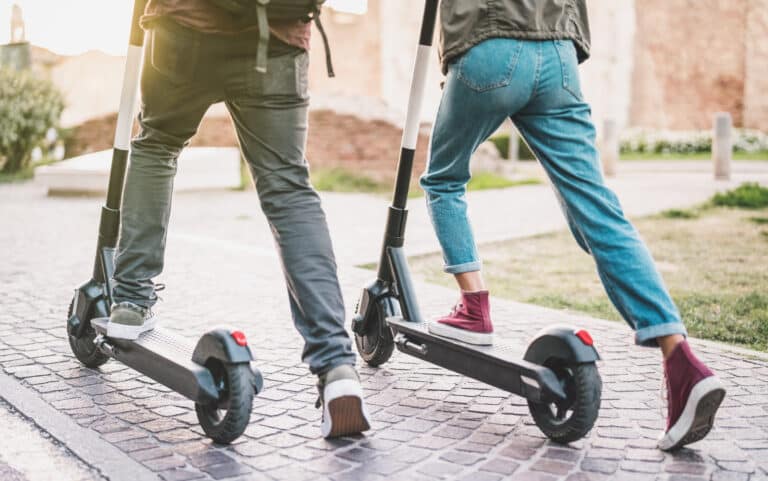
Things to Know Before You Buy an Electric Scooter in the UK

Electric scooters have become one of the fastest-growing modes of urban transport in Britain — but the UK market comes with legal nuances, technical specs, and buying pitfalls that trip up first-time owners.
Before you add to cart, here’s what actually matters.
Know the Law First — It’s Not What You Think
This is the single most misunderstood part of e-scooter ownership in the UK. Buying a private Best electric scooter is completely legal. Riding it in public is not — at least not yet.
Under the Road Traffic Act 1988, privately owned e-scooters are classed as motor vehicles, which means they legally require insurance, registration, and a type approval that consumer models don’t have. As a result, private e-scooters can only be ridden on private land with the landowner’s permission — not on roads, pavements, or cycle paths.
The only legal way to ride an e-scooter in public is through a council-approved rental scheme (like Lime or Voi), which the Department for Transport has extended until May 2028 while it gathers data for future legislation. A wider legalisation bill for private scooters is being discussed in Parliament, but it isn’t expected to pass before 2028–2029.
Bottom line: if you’re buying for daily commuting on public roads, you need a large private space (garden, driveway, or private estate) to use it legally today — or you’re taking on real legal risk, including fines and points if caught riding illegally.
Battery Range Isn’t Always What’s Advertised
Manufacturer range figures are usually tested under ideal conditions — flat ground, single rider, mild weather, lowest speed setting. Real-world range typically drops 20–30% once you factor in rider weight, hills, wind, and cold UK winters. As a rule of thumb, buy a scooter rated for at least 1.3x the range you actually need.
Motor Power and Speed Limits
UK rental trial scooters are capped at 15.5 mph, and that’s a useful benchmark even for private buying decisions. Higher-powered models (500W+) offer better hill performance and durability but aren’t necessarily “more legal” — power output has no bearing on where you’re allowed to ride.
Water Resistance Matters More Here Than Anywhere Else
Given the UK climate, an IP rating below IP54 is a dealbreaker. Look for IPX5 or higher if you plan to ride in typical British weather (which, realistically, you will).
Tyres: Solid vs. Pneumatic
Solid/honeycomb tyres — puncture-proof, low maintenance, harsher ride on rough surfaces.
Pneumatic (air-filled) tyres — much smoother ride, better grip, but require occasional maintenance and are puncture-prone.
For UK terrain — pavements, gravel driveways, uneven private land — pneumatic tyres are usually the better everyday choice.
Check for UKCA/CE Certification
Cheap import scooters sometimes skip proper safety certification. Always confirm UKCA or CE marking before buying — this affects battery safety (fire risk is a real concern with uncertified lithium batteries) and your consumer protection rights if something goes wrong.
Warranty, Spare Parts, and UK-Based Support
Because private e-scooters see most of their use on private land rather than daily road commuting, buying from a retailer with UK-based customer support and accessible spare parts (tyres, batteries, chargers) will save you significant hassle long-term. Avoid brands that only ship parts from overseas with 6–8 week lead times.
Insurance and Safety Gear
Even on private land, third-party liability insurance is worth considering if other people (family, visitors) might be riding too. A helmet is not legally required for private-land use but is strongly recommended regardless of where you ride.
Final Pre-Purchase Checklist
Confirmed you have adequate private land to ride legally
Range rated for at least 1.3x your actual need
IPX5+ water resistance
UKCA/CE certified battery and build
UK-based warranty and spare parts support
Tyre type suited to your terrain
Where to Buy
Once you know what to look for, comparing models side-by-side makes the decision far easier. You can browse a solid range of certified, UK-ready models via the Best electric scooter UK collection to compare specs, range, and pricing before you commit.
Buying an electric scooter in the UK isn’t complicated once you separate the legal reality from the marketing hype. Get the legality, battery, and certification questions right first — everything else is preference.


More Stories
Burnham hands EV targets decision to Haigh over wife’s industry links
Andy Burnham has stepped aside from a decision on Britain’s electric car sales targets because of a potential conflict of...
Roobet Philippines Open Pool Championship Kicks Off in Quezon City
The venue is part of what makes this such a special event. Hosted in the atrium of the massive Gateway...
Europe’s Late Effort To Save Its Industry
Openness caused a demand for global supply chains and a shift of production to lower-cost countries as well. Europe wasn’t...
6 Best Sites to Buy LinkedIn Followers, Likes and Connections in UK
Even with valuable content, getting noticed can be difficult when your follower count is low and your posts receive little...
6 Best Sites to Buy YouTube Views, Subscribers and Likes in UK
That is why some creators and businesses choose to buy YouTube views, subscribers and likes. These services increase visible engagement,...
How much development capacity is sitting in your deposit?
New research from property finance platform Brickflow, published in full in its report “The UK’s Most Expensive Mistake”, suggests the...