
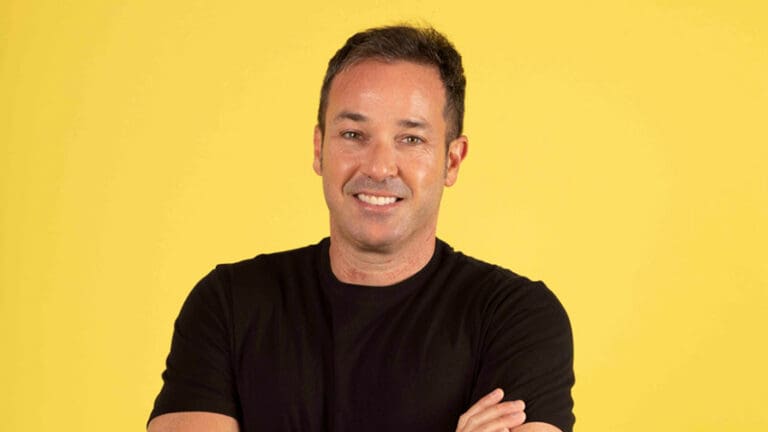
Reeve Benaron Shares Lessons from Building Companies Across Healthtech and Digital Media

Reeve Benaron has built his career around a simple belief: technology should solve real problems and improve people’s lives. Known for his forward-looking approach, Reeve has helped build companies that turn innovative ideas into practical solutions.
At Intrivo Diagnostics, where he serves as Co-Founder and Co-CEO, Reeve is helping shape the future of healthcare through technology. He helped lead the development of the company’s Diagnostics as a Service (DaaS) platform and the ON/GO Test to Trace COVID management tool, part of a broader effort to make healthcare more accessible, efficient, and data-driven.
He is also the Co-Founder and Chairman of AUDIENCEX, a leading digital advertising company. While the industries are different, both ventures are rooted in the same approach: using innovation and data to create practical solutions at scale.
Beyond his operating roles, Reeve works with founders and early-stage ventures through AX Venture Partners. He is especially interested in predictive intelligence, platform economics, and technologies that can reshape industries.
Born in Israel and raised in Los Angeles, Reeve Benaron developed a global perspective that continues to influence his leadership style. A lifelong athlete and outdoor enthusiast, he credits endurance sports with teaching him resilience, discipline, and strategic thinking.
Outside of business, Reeve supports healthcare innovation, mentors entrepreneurs, and contributes to youth-focused initiatives. Guided by his core principles of courage, clarity, and humanity, he continues to build companies that combine innovation with meaningful impact.
You spent part of your childhood in Israel before moving to Los Angeles. Looking back, how did that experience shape the way you think?
Moving to a new country at a young age teaches you adaptability very quickly. You’re constantly learning how to navigate unfamiliar situations. For me, it created a level of independence and resilience that stayed with me. It also gave me a broader perspective. Growing up between different cultures helped me understand that there is rarely just one way to solve a problem.
What first attracted you to entrepreneurship?
I’ve always been interested in what happens when industries go through periods of change. Those moments create opportunities to rethink old systems and build something better. Early on, I found myself drawn to businesses and technologies that were reshaping the way people worked, communicated, and accessed information.
Your career has spanned digital advertising, healthcare technology and venture investing. What connects those different worlds?
On the surface, they look very different, but they’re all about solving problems at scale. Whether you’re helping brands reach customers more effectively or helping people access healthcare, the challenge is similar. You’re looking for ways to use technology and data to create better outcomes. That has been a consistent theme throughout my work.
When you co-founded AUDIENCEX in 2012, what opportunity did you see that others were missing?
Digital media was becoming increasingly fragmented. New platforms were emerging, consumer behaviour was changing, and brands were struggling to keep up. We believed there was an opportunity to bring strategy, technology and data together in a more effective way. The industry has changed dramatically since then, but the need to adapt quickly remains the same.
What did building AUDIENCEX teach you about growth?
I remember how quickly the digital advertising industry was changing when we started AUDIENCEX. Every year seemed to bring new platforms, new technologies and new ways for consumers to engage with content. There were moments when we had to rethink assumptions and adjust our approach. Looking back, that was one of the most valuable lessons. Growth is rarely linear, and success often comes down to how willing you are to adapt when the market changes around you.
You later moved into healthcare through Intrivo Diagnostics. What drew you to that industry?
Healthcare has the potential to impact people’s lives in a very direct way. That was a major part of the appeal. At Intrivo, we focused on creating systems that could make diagnostics and health information more accessible. The development of our Diagnostics as a Service platform and the ON/GO Test to Trace COVID management tool came from a desire to make healthcare more efficient and easier to navigate.
The pandemic accelerated innovation across healthcare. What lessons from that period still influence your thinking today?
Innovation can move much faster than people expect when there is a clear need. We saw organisations adopt new technologies and processes in a matter of months rather than years. It reinforced the importance of being adaptable and staying focused on practical solutions rather than unnecessary complexity.
Through AX Venture Partners, you work with early-stage founders. What separates companies that scale from those that struggle?
Successful founders usually have a balance of vision and discipline. Having a great idea is important, but execution matters just as much. The strongest companies also think about scalability early. They’re not just building a product. They’re building systems, processes and teams that can support long-term growth.
You spend time mentoring entrepreneurs. What advice do you find yourself giving most often?
I often encourage people to focus on learning rather than trying to have all the answers. The best founders I know are constantly asking questions and challenging their own assumptions. Curiosity is an underrated quality in business.
You’ve often spoken about courage, clarity and humanity. How do those principles influence your decisions today?
Courage helps you move forward when the path isn’t obvious. Clarity helps you focus on what really matters instead of getting distracted. Humanity is a reminder that every business decision ultimately affects people. Those three principles have guided me for years, and I think they’re just as important today as they’ve ever been.
What are you most curious about right now?
What interests me most is how technology can move beyond efficiency and start creating entirely new possibilities. Throughout my career, I’ve been drawn to businesses that challenge traditional models, whether in digital media or healthcare. The most exciting innovations aren’t always the ones that improve existing systems. They’re the ones that change how people think about what’s possible in the first place.


More Stories
Burnham hands EV targets decision to Haigh over wife’s industry links
Andy Burnham has stepped aside from a decision on Britain’s electric car sales targets because of a potential conflict of...
Roobet Philippines Open Pool Championship Kicks Off in Quezon City
The venue is part of what makes this such a special event. Hosted in the atrium of the massive Gateway...
Europe’s Late Effort To Save Its Industry
Openness caused a demand for global supply chains and a shift of production to lower-cost countries as well. Europe wasn’t...
6 Best Sites to Buy LinkedIn Followers, Likes and Connections in UK
Even with valuable content, getting noticed can be difficult when your follower count is low and your posts receive little...
6 Best Sites to Buy YouTube Views, Subscribers and Likes in UK
That is why some creators and businesses choose to buy YouTube views, subscribers and likes. These services increase visible engagement,...
How much development capacity is sitting in your deposit?
New research from property finance platform Brickflow, published in full in its report “The UK’s Most Expensive Mistake”, suggests the...