
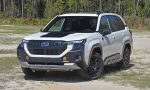
2026 Subaru Forester Wilderness Review & Test Drive

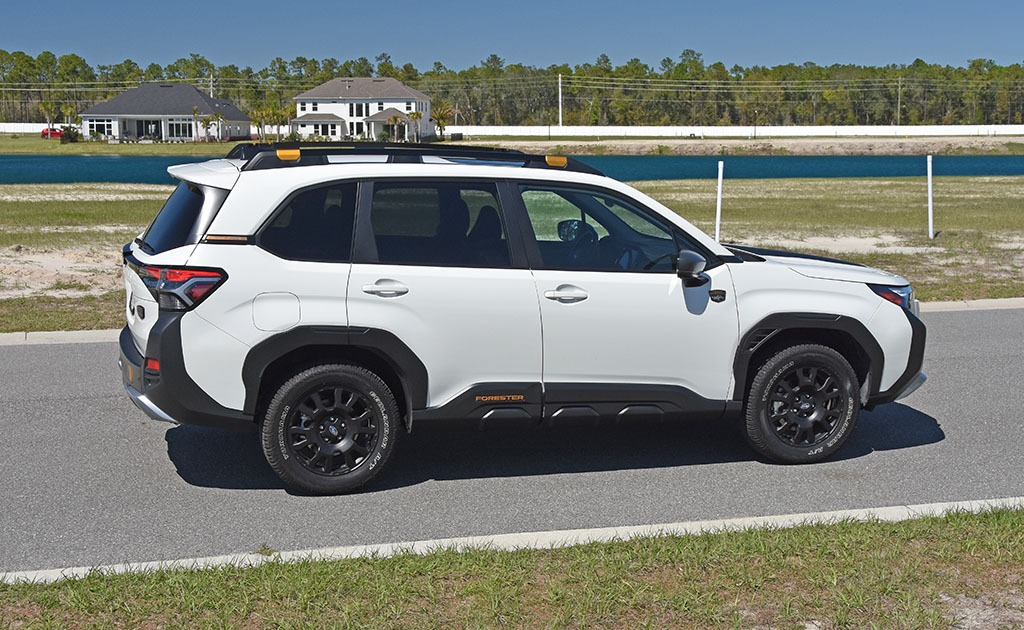
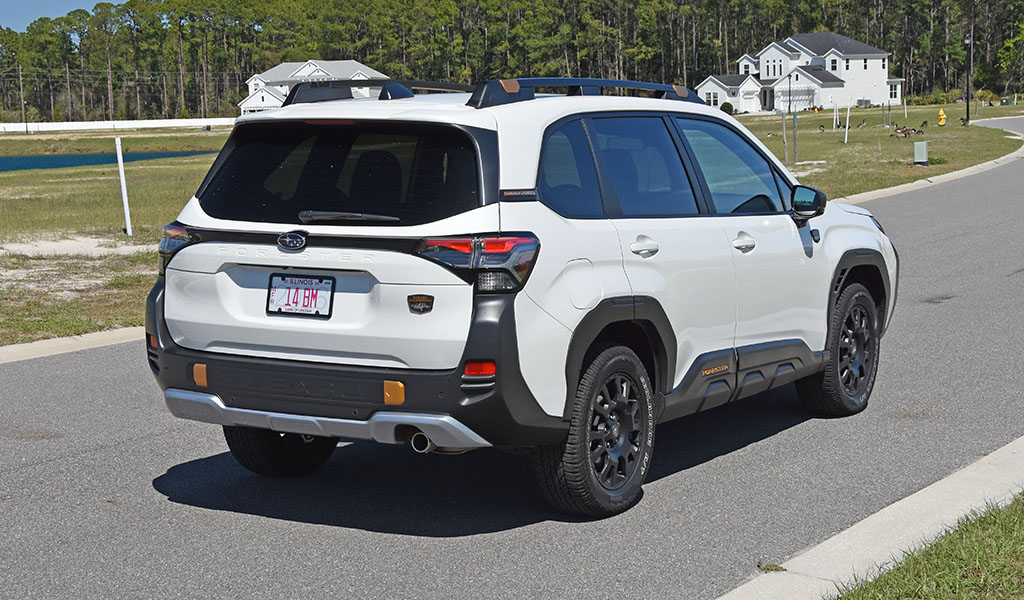
For the 2026 model year, Subaru rolls out a new trim for the Forester that was redesigned last year, entering its sixth generation. The new Wilderness trim is an effort to extract some extra off-roading prowess for the SUV-ish vehicle, touting its all-wheel-drive platform and fundamentally rugged character.
Charting the differences in the Wilderness trim, you start off with what you get in every new Forester, and that’s the 2.5-liter boxer (horizontally opposed) 4-cylinder engine that’s good for 180 horsepower and 178 lb-ft of torque all sent through a continuously variable transmission (CVT).
Overall, the powertrain is well-suited for most normal driving situations, but has its shortcomings in lackluster acceleration that is mostly inconsistent, in part due to the CVT. Zero to 60 mph happens in about 8.5 seconds and commonly has you as the driver planning your acceleration adventures in advance to make valid attempts to keep up with faster traffic when merging or overtaking. Such a downfall is a continued issue in the book of many enthusiasts, but most fans and return buyers of the Forester seemingly don’t mind, as they find delight in the many other positive characteristics of the chiseled-body Subaru and its newfound off-roading capabilities in the Wilderness trim.
See Also: 2025 Subaru Forester Limited Hybrid Review & Test Drive
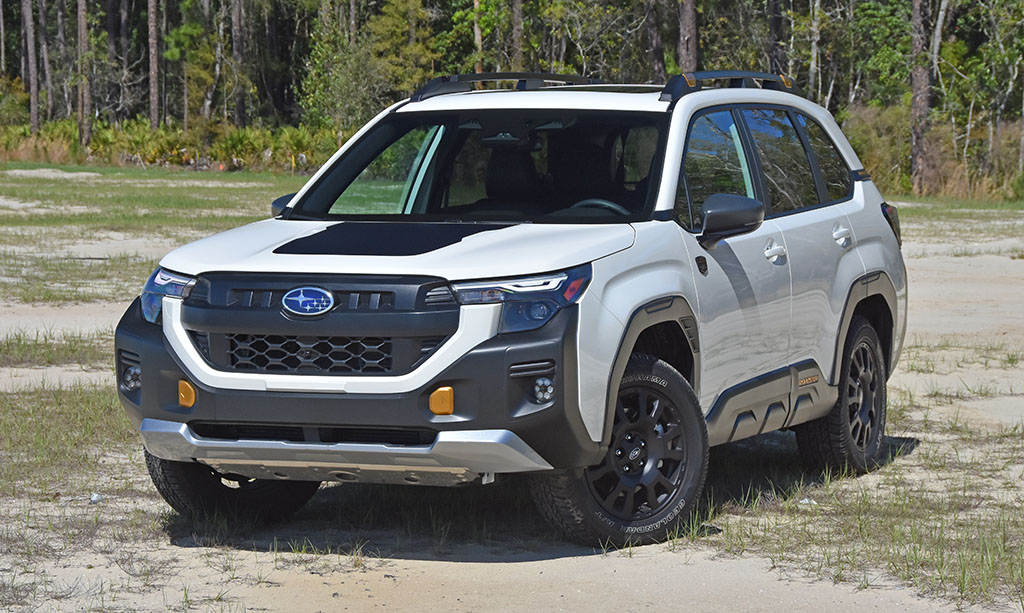
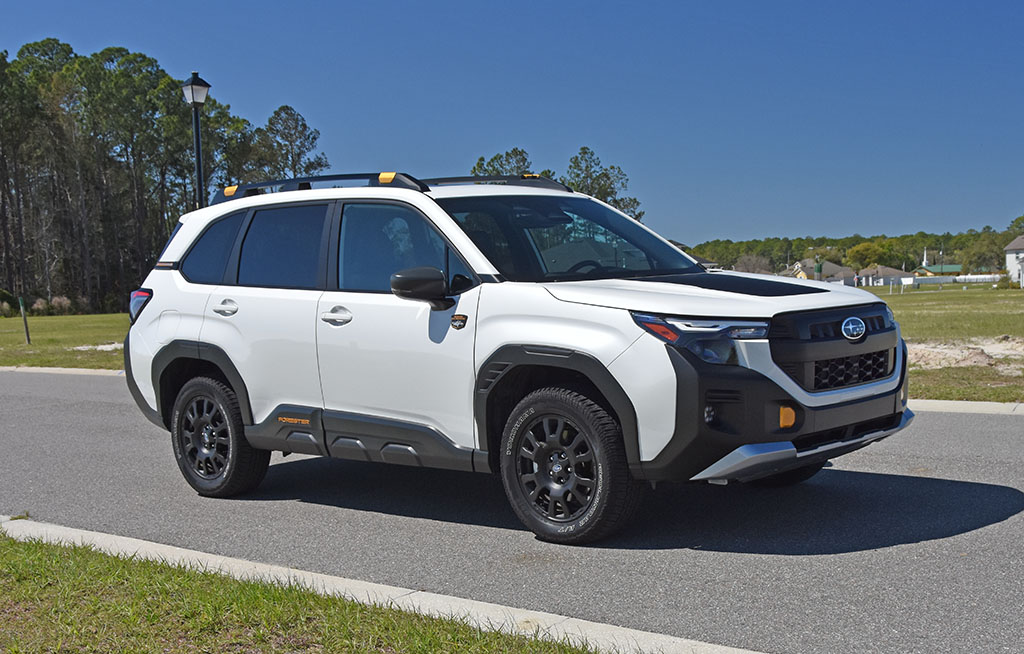
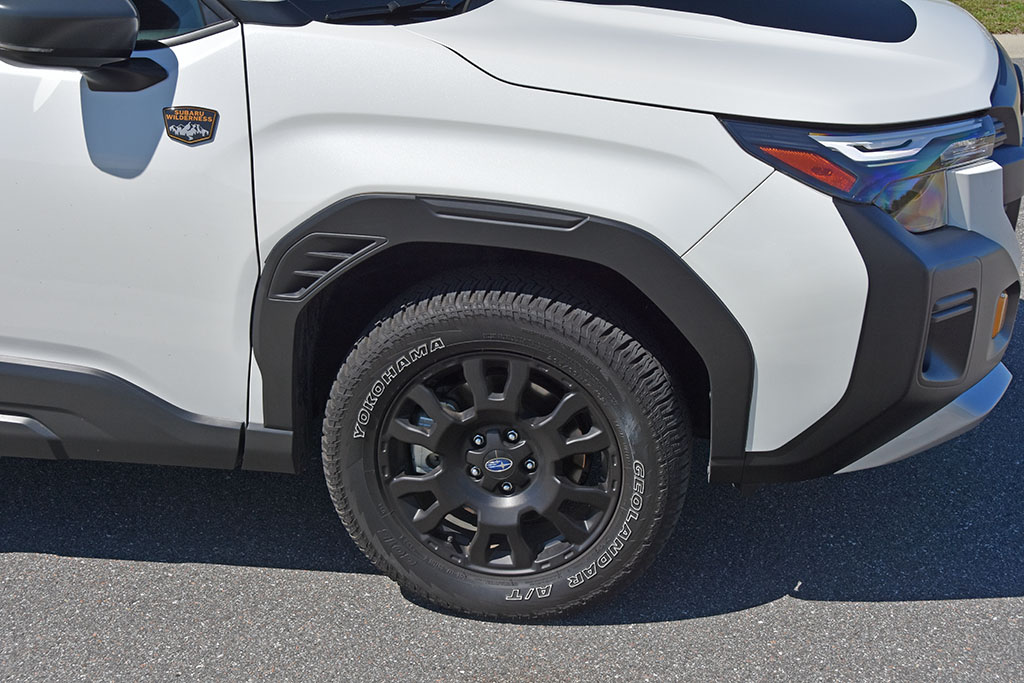
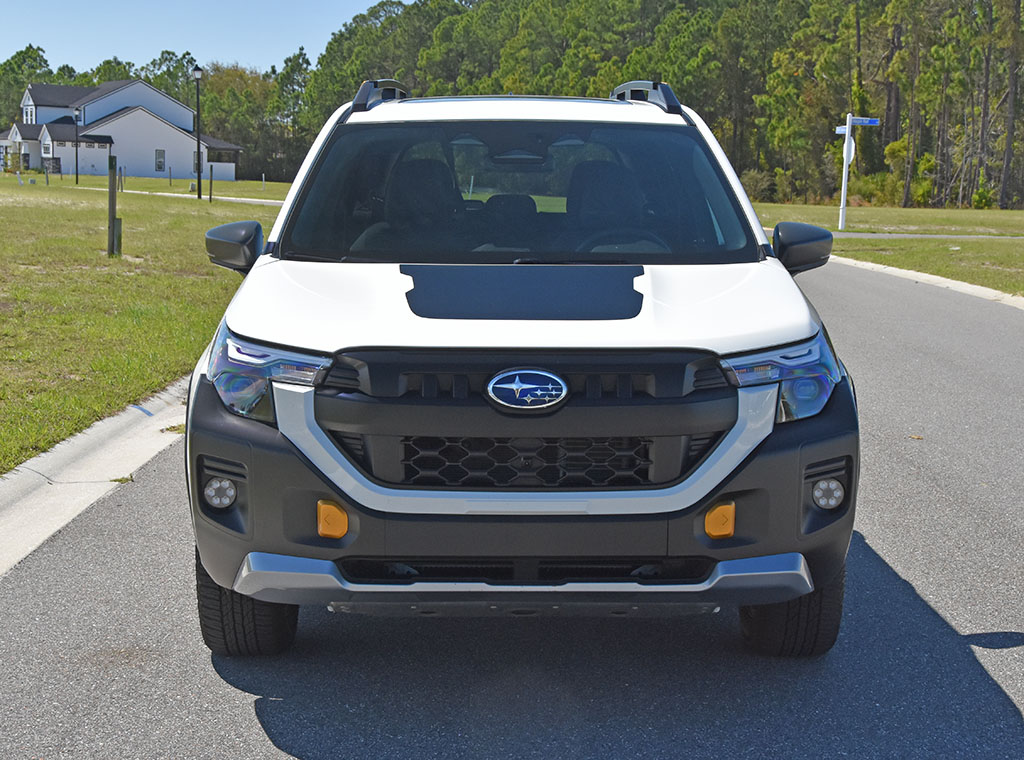
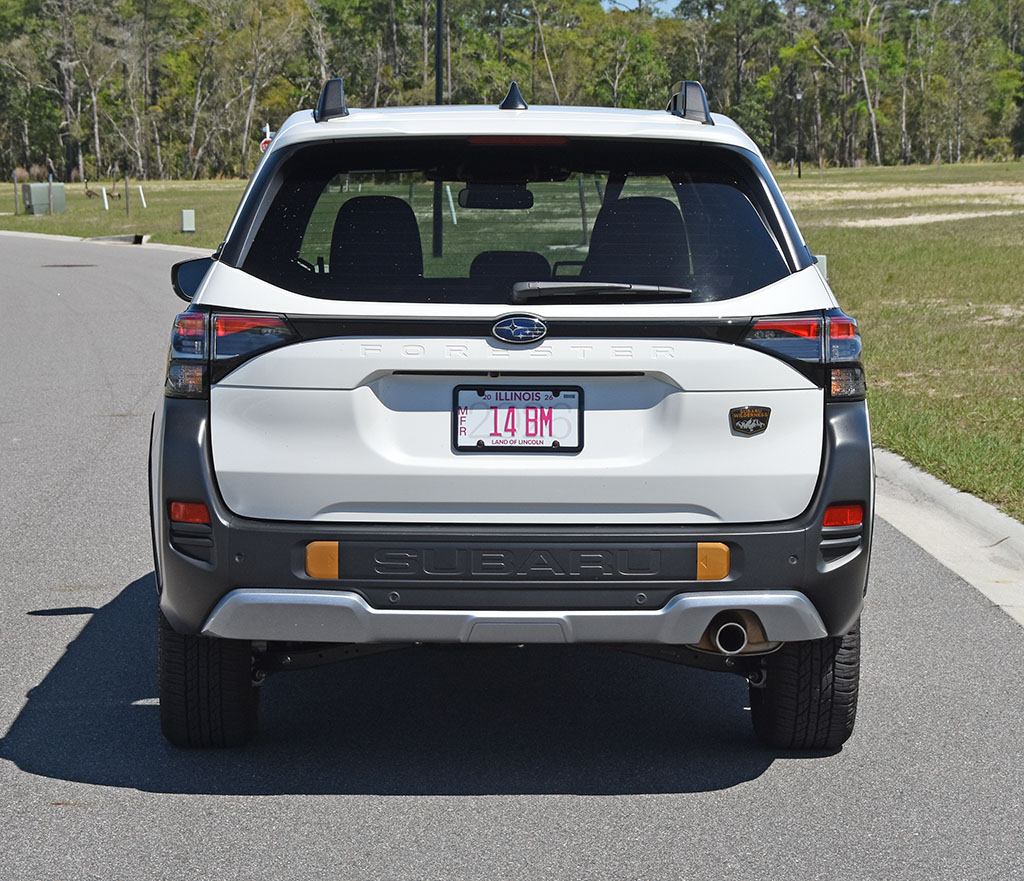
Other notable traits for the Forester Wilderness trim are its increased ride height over other Forester trims, the Yokohama Geolander all-terrain tires with white lettering, a shorter final-drive ratio to help with slower movements over off-roading obstacles, and redesigned bumpers to improve upon the approach and departure angles. Fundamentally, the new Subaru Forester Wilderness is a respected alternative to competitors like the Bronco Sport Badlands equipped with the Sasquatch package. Overall, the ride is compliant and smooth on the paved road, providing a decent balance for either road-going or off-roading adventures.
Fuel economy at the EPA estimated 26 mpg city, 33 mpg highway, or 29 mpg combined is decent and seems easily obtainable in the real world if you’re not attempting to go beyond posted speed limits. The 16.6-gallon tank full of regular unleaded gets you 547 miles of range on the highway.
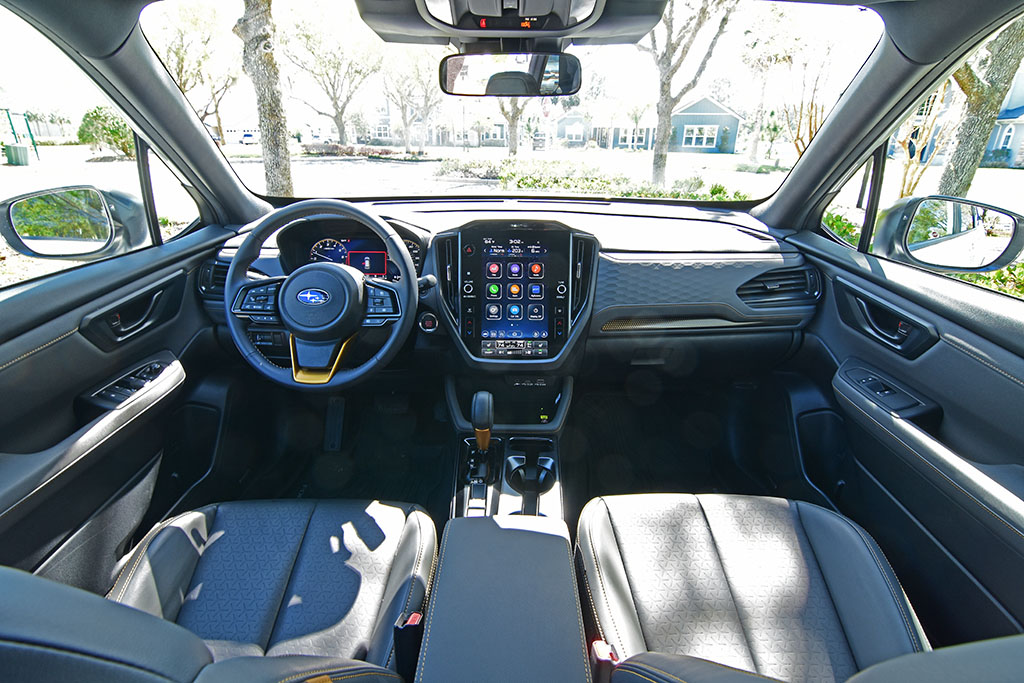
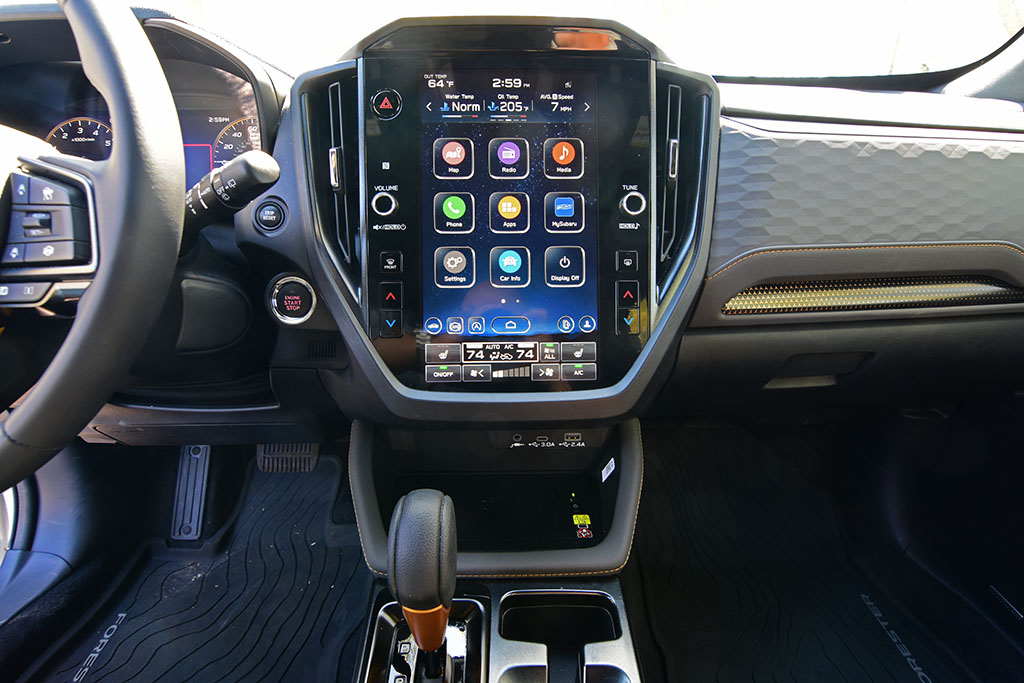
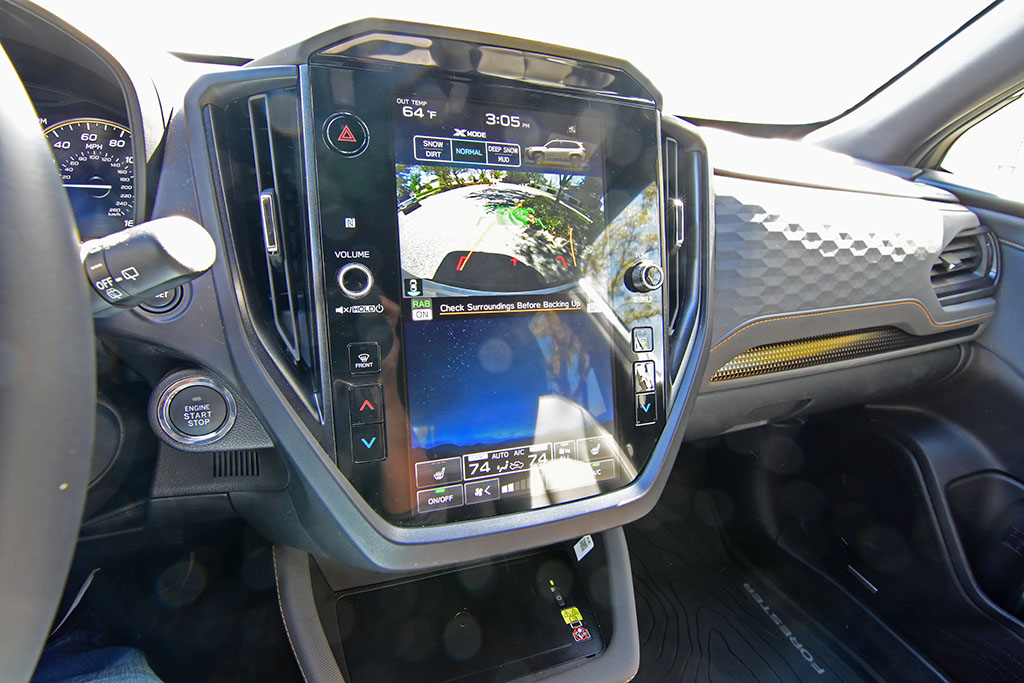
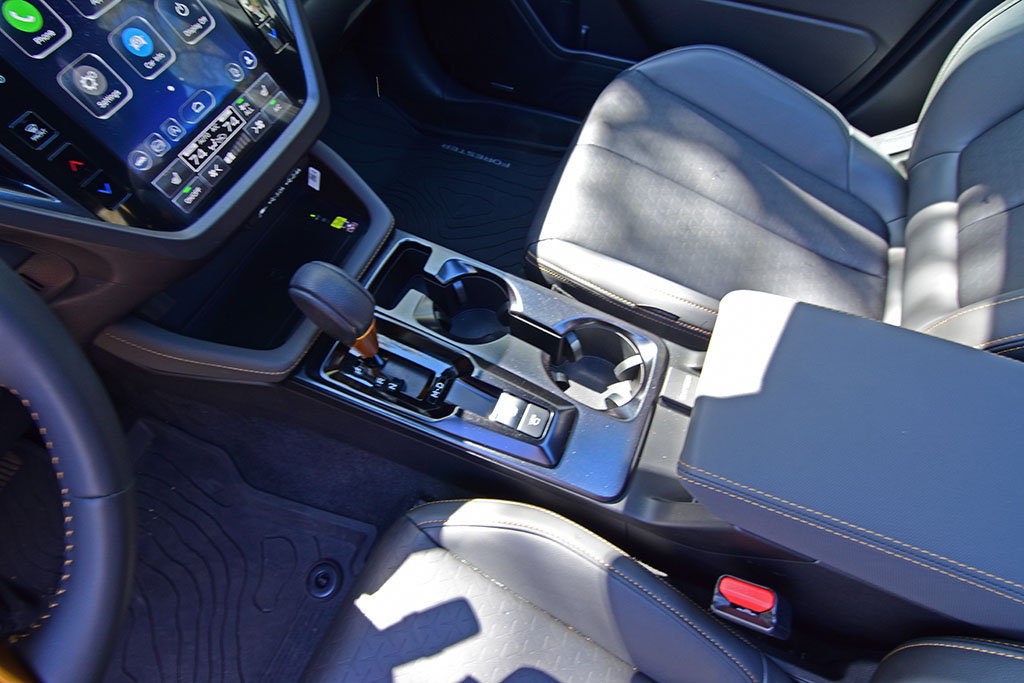
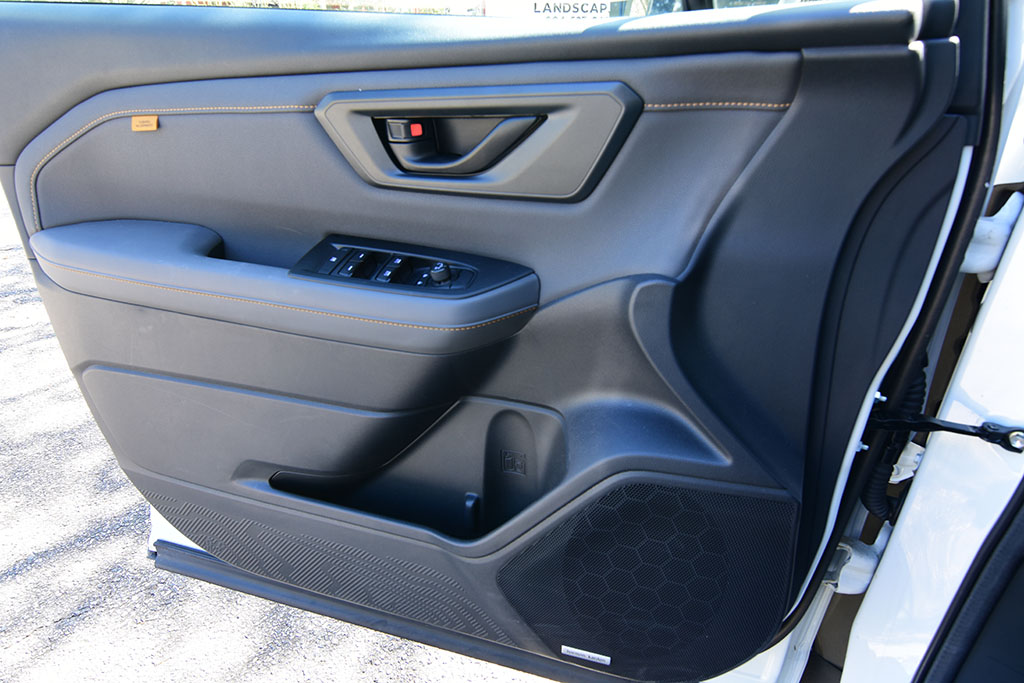
The interior of the Subaru Forester Wilderness is mostly what you find in other mid-level trims, except for some small “Wilderness” details such as the door trim fabric labels and a few orange trim plastics. Otherwise, you get the somewhat antiquated and very laggy infotainment system fed through the portrait-style 11.6-inch touchscreen. The system, while somewhat user-friendly after a reasonable learning curve, becomes annoyingly slow to respond to inputs and is at its worst upon initialization or startup of the vehicle. Such a hiccup downplays what could have been a respected infotainment system. However, wireless Apple CarPlay and Android Auto seem to work well if you can get around your phone from sliding off the wireless charging pad’s sweet spot when the vehicle moves a little too much for the flat surface.
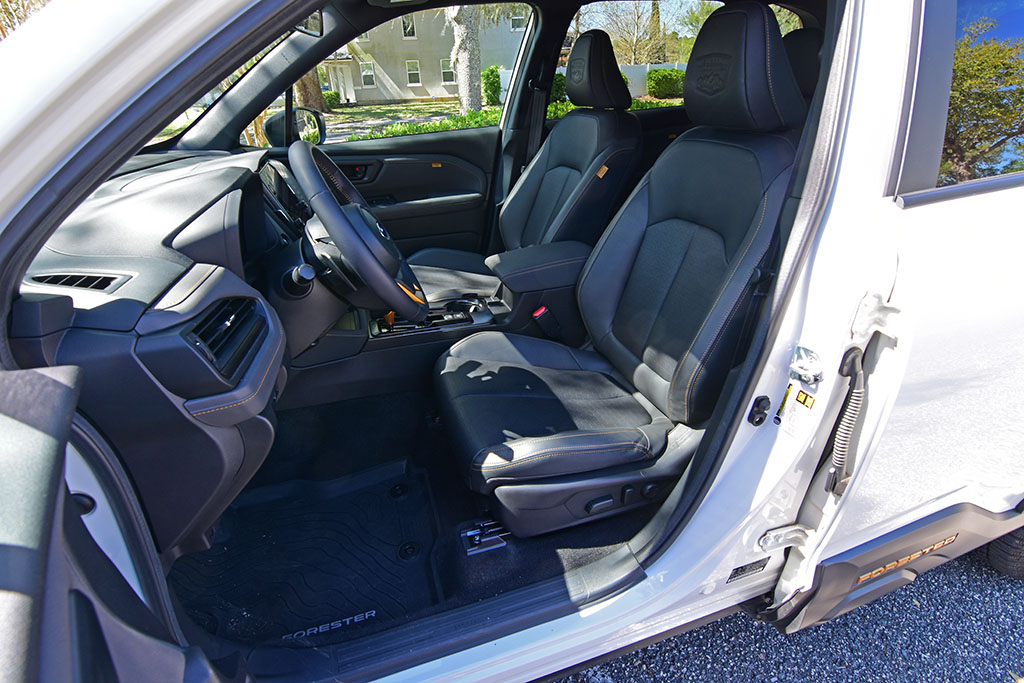
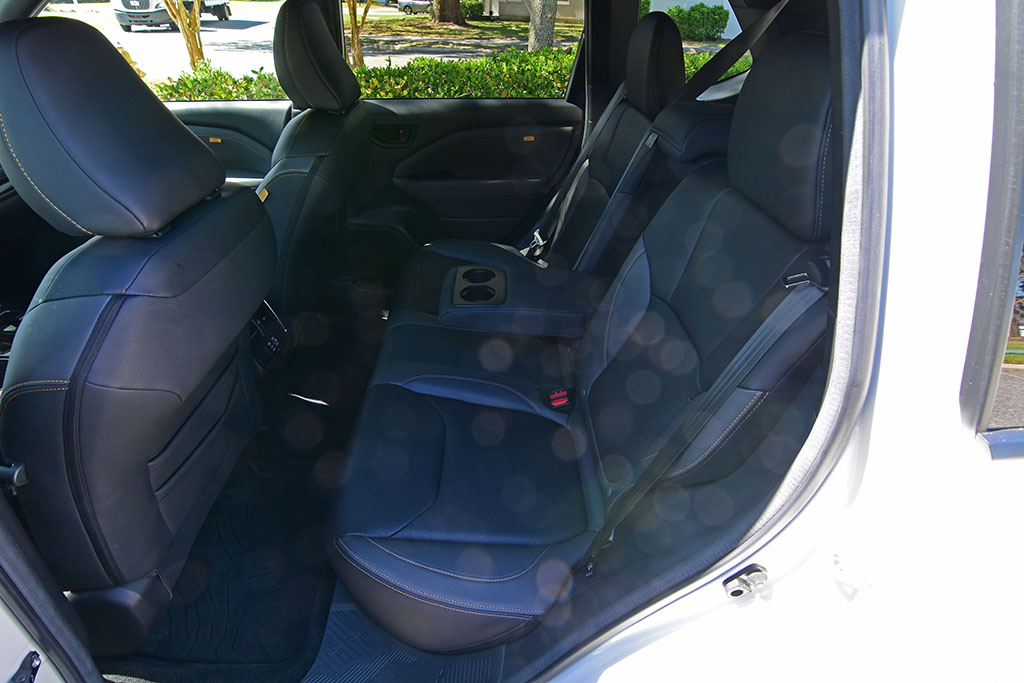
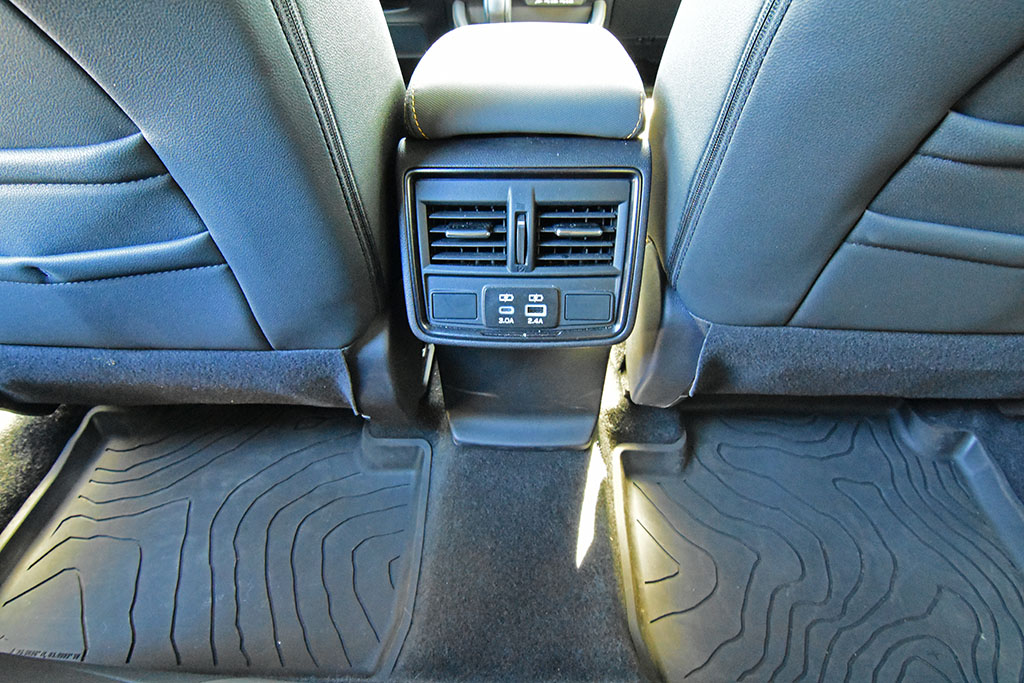
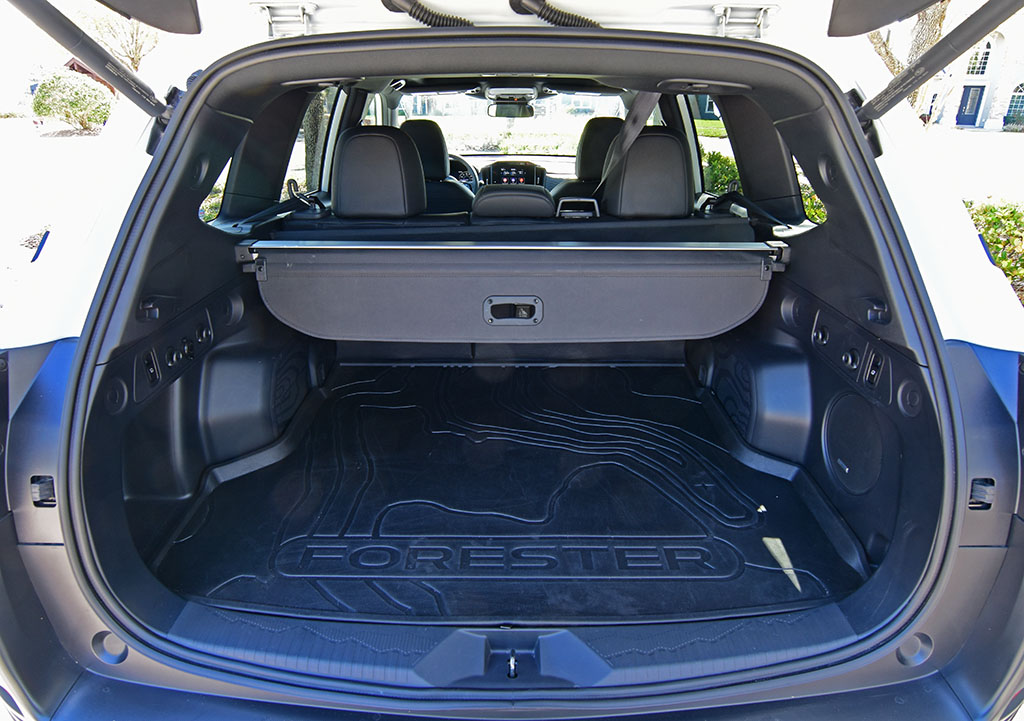
The StarTex upholstered seating areas are decently spaced with a good amount of adjustability in the power driver’s seat. The front heated seats are good enough for most trips that don’t deplete a full tank of gas. Out back, the cargo area is inviting for throwing things around or hauling your favorite pups for some outdoor adventures. The 28 cubic feet go a long way, as does up to 69 cubic feet with the rear seatbacks manually folded down. The power liftgate comes in handy as well.
Subaru sticks with tradition in offering the latest safety tech and active safety features throughout the latest EyeSight system, which does well to monitor the road ahead and your attentiveness as the driver. Subaru could use an update to the camera system to provide a much clearer image than what you get on the Forester, which I imagine is coming soon to replicate the welcomed updates in the bigger Subaru Outback, like the one I reviewed earlier this year.
Pricing remains a good selling point for the Forester that undercuts many with its starting price of $29,995 for the base trim. Moving to the middle of the trim levels with the Forester Wilderness, you’ll expect things to start off around $38,385 and land at $42,035 out the door for my test vehicle, which includes $2,200 of options and a $1,450 destination and delivery fee.

More Stories
Volkswagen Slashes 2026 Profit Outlook as Porsche and China Problems Deepen
Volkswagen’s financial headaches have taken another serious turn, with the German auto giant warning that roughly €10 billion, or about...
2027 Nissan Rogue Hybrid Brings EV-Like Driving and 38 MPG for $37,065
Nissan is finally bringing one of its more interesting electrified powertrains to the United States, and it is arriving in...
FTL Procurement Strategy: RFP Structuring for Multi-Year Lane Contracts
Freight procurement is often treated as an annual exercise rather than an ongoing process. Yet transportation costs, carrier capacity, fuel...
Best Mirror Dash Cam 2026: Why It’s Time to Upgrade Your Rearview Mirror
If you’ve been driving with the same factory rearview mirror for years, you’re missing out on one of the easiest...
Best 4K Dash Cam 2026: Features, Resolution, and What to Look For
Dash cam footage can only tell you so much, and what it shows depends on what’s visible in the recorded...
Truck Bed Mat Buying Guide: What Actually Protects Your Truck Bed
A truck’s bed takes abuse that few other parts of a vehicle can withstand. Jobsite tools sliding in the bed,...