
Gaskin: The rise and destruction of Freedom Colonies

While Black Wall Streets were business hubs within larger cities, Freedom Colonies were rural, self-sufficient Black settlements built by formerly enslaved people after the Civil War. These communities were designed for safety, land ownership, and independence — far removed from white economic control.
Yet, like Black Wall Streets, Freedom Colonies faced destruction through systemic racism, land theft, and economic displacement.
While Black Wall Streets focused on commerce and entrepreneurship within city limits — often thriving despite intense racial segregation — Freedom Colonies were entirely Black-led enclaves, intentionally separated from white communities. They were created not only for survival but also for self-determination, cultural preservation, and freedom from white economic control.
These settlements were built on land owned and governed by Black people, a revolutionary act in the late 19th and early 20th centuries. They were symbols of what it meant to live free, without white oversight or interference. For formerly enslaved individuals and their descendants, owning land was one of the few tangible pathways to autonomy, safety, and generational wealth. Freedom Colonies represented a powerful, though often overlooked, chapter in the story of Black economic independence.
Freedom Colonies were primarily rural and agrarian, centering around land ownership, farming, and cooperative living. In contrast, Black Wall Streets were urban commercial districts that flourished within segregated cities.
Freedom Colonies were founded by freed Black people escaping the brutalities of Reconstruction-era racism, including lynchings, sharecropping traps, and political disenfranchisement. Many settlers were formerly enslaved individuals determined never to be under white authority again. These colonies were often built on donated, purchased, or abandoned land and grew as clusters of family networks seeking refuge and opportunity.
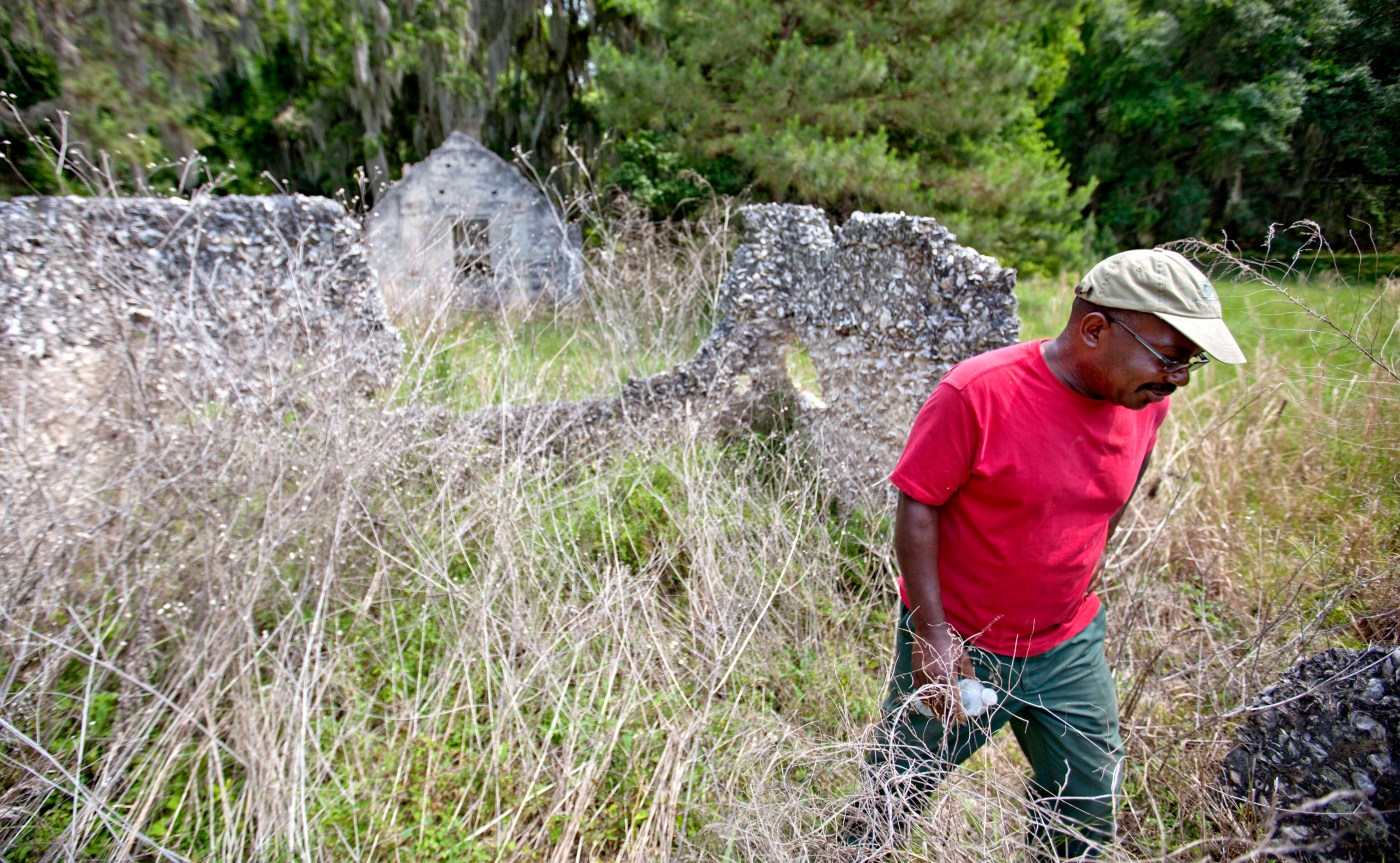
Rather than commerce alone, Freedom Colonies prioritized sustainability and independence. They built their own schools, churches, cemeteries, and systems of governance. Some preserved African customs, oral histories, and foodways—especially in areas like the Gullah/Geechee coastal regions. These communities were not merely settlements; they were acts of reclamation and cultural resilience.
Examples of Freedom Colonies
Texas: Texas had over 550 documented Freedom Colonies — by far the largest concentration in the U.S. These included towns like Independence Heights (the first incorporated Black municipality in Texas) and Kendleton. Many of these communities no longer appear on modern maps, having been either absorbed by expanding cities, erased by highways, or lost through legal trickery.
Oklahoma: Over 50 Black towns were founded in Oklahoma, especially during the Land Run era and following the Civil War. Boley, Langston, Rentiesville, and Clearview were among the most prominent. These towns were beacons of Black excellence, boasting banks, newspapers, schools, and railroads. Boley was even praised by Booker T. Washington as a model for Black self-governance.
South Carolina and Georgia: Gullah and Geechee communities along the southeastern coast are distinct Freedom Colonies, preserving African cultural and linguistic heritage. Their relative geographic isolation allowed for unique traditions to survive —ranging from basket weaving and cuisine to religious practices and creole languages.
These communities were built from the ground up by people with little to no resources, often pooling funds, labor, and knowledge to establish thriving settlements. They are testaments to the creativity and fortitude of Black Americans during one of the most hostile periods in U.S. history.
How Freedom Colonies Were Destroyed
Freedom Colonies were uniquely vulnerable to land loss. With limited access to legal services, many landowners didn’t leave formal wills. This created “heirs’ property,” where land is passed down informally to descendants, making it easy for speculators or the government to force sales under claims of “fractionated ownership.” These loopholes were widely exploited.
Fraud, intimidation, and legal manipulation were also common. Deeds were forged, taxes inflated, and court rulings weaponized against Black families. In some cases, entire families were driven off their land by white mobs or pressured into selling at prices far below market value.
As industrial jobs in the North and West opened during World Wars I and II, many Black families left the South in search of safer, more economically stable lives. This Great Migration hollowed out rural Black communities, especially those lacking basic infrastructure. With dwindling populations, Freedom Colonies lost the ability to sustain schools, churches, and stores. Eventually, land was sold, abandoned, or absorbed into surrounding white communities.
Many Freedom Colonies were deliberately excluded from public infrastructure investments. They were denied access to paved roads, electricity, sewer systems, and public schools. Without these basic amenities, it became nearly impossible to attract new families or businesses. The lack of postal addresses and official mapping further contributed to their disappearance from public records.
The destruction of Freedom Colonies was not an accident — it was systematic. These communities represented a direct challenge to white supremacy: Black people owning land, governing themselves, and preserving their cultural heritage outside white control. Their erasure was not only physical but historical, deliberately left out of textbooks and maps.
But the legacy of these settlements persists. Projects like the Texas Freedom Colonies Project and the Oklahoma Historical Society’s work on Black towns are helping to document, digitize, and honor the stories of these lost communities. Legal advocacy groups are also working to reform heirs’ property laws and help Black families reclaim or retain ancestral land.
Remembering Freedom Colonies is not about nostalgia — it is about truth-telling. These communities prove that Black people have always sought — and built — alternatives to oppression. They are reminders that Black self-sufficiency is not a dream deferred; it is a reality that once was, and could be again, if protected and nurtured.
Ed Gaskin is Executive Director of Greater Grove Hall Main Streets and founder of Sunday Celebrations

More Stories
Crowdfunded Justice — an Accountability Problem
What it rarely explains is how likely the case is to succeed, what happens to your money if it fails,...
Hardening the Linux Servers That Run Critical Infrastructure
Far less attention goes to the management servers that sit quietly in the back of a data centre or control...
Why good customer service can make a difference for online stores
Especially when something goes wrong with an order, customers quickly notice how much attention a webshop actually gives them. Poor...
3,183 ‘AI’ companies registered in UK in first nine months of 2026
More than 3,100 companies with “AI” in their name were registered in the UK in the first nine months of...
From rugby league to 30,000 meals a week: FuelHub’s James Laithwaite
James Laithwaite is co-founder and chief operating officer of FuelHub, the high-protein meal prep company he started in 2019 with...
Getting to know you: Anita Bhanja, founder, Eternal Paws
Anita Bhanja is the founder and veterinary surgeon of Eternal Paws, a Cheshire practice specialising in home hospice, palliative care...