
Evans: Real public health emergency is loss of trust

At the height of the COVID-19 crisis, I was the chief medical officer of New York City. I witnessed firsthand how the pandemic did not just strain our healthcare systems, but it also exposed what was already broken. The greatest casualty was not ventilator supply or hospital capacity; it was trust.
We are still living with the consequences.
Today, the public conversation around vaccines, health agencies and science has been overtaken by misinformation and political rhetoric. Disinformation travels farther and faster than peer-reviewed evidence. While the effect is broad, the burden remains heaviest for those historically pushed to the margins.
When trust in science erodes, people suffer. And the people who suffer first and most are the ones who always do — low-income families, immigrants, people of color, uninsured individuals, and those navigating systems that were not built for them in the first place.
I have worked globally in refugee camps, remote villages and urban clinics. I have seen how skepticism toward medical systems takes root. When people are treated as afterthoughts — or worse, threats — they stop showing up. They delay care. They doubt what they are told. They assume no one is coming to help. And often, they are right.
During the COVID-19 vaccine rollout in Marin County, California, my team noticed a troubling trend. The people getting vaccinated first were not those at the highest risk. They were the ones with access — people who had reliable transportation, high-speed internet and flexible work schedules. We started referring to them as the “Triple C’s”: Caucasians with cars and computers.
The people most affected by COVID, the undocumented, the unhoused, Black and Brown “essential” workers, were being left behind. That was not a failure of science. It was a failure of the system.
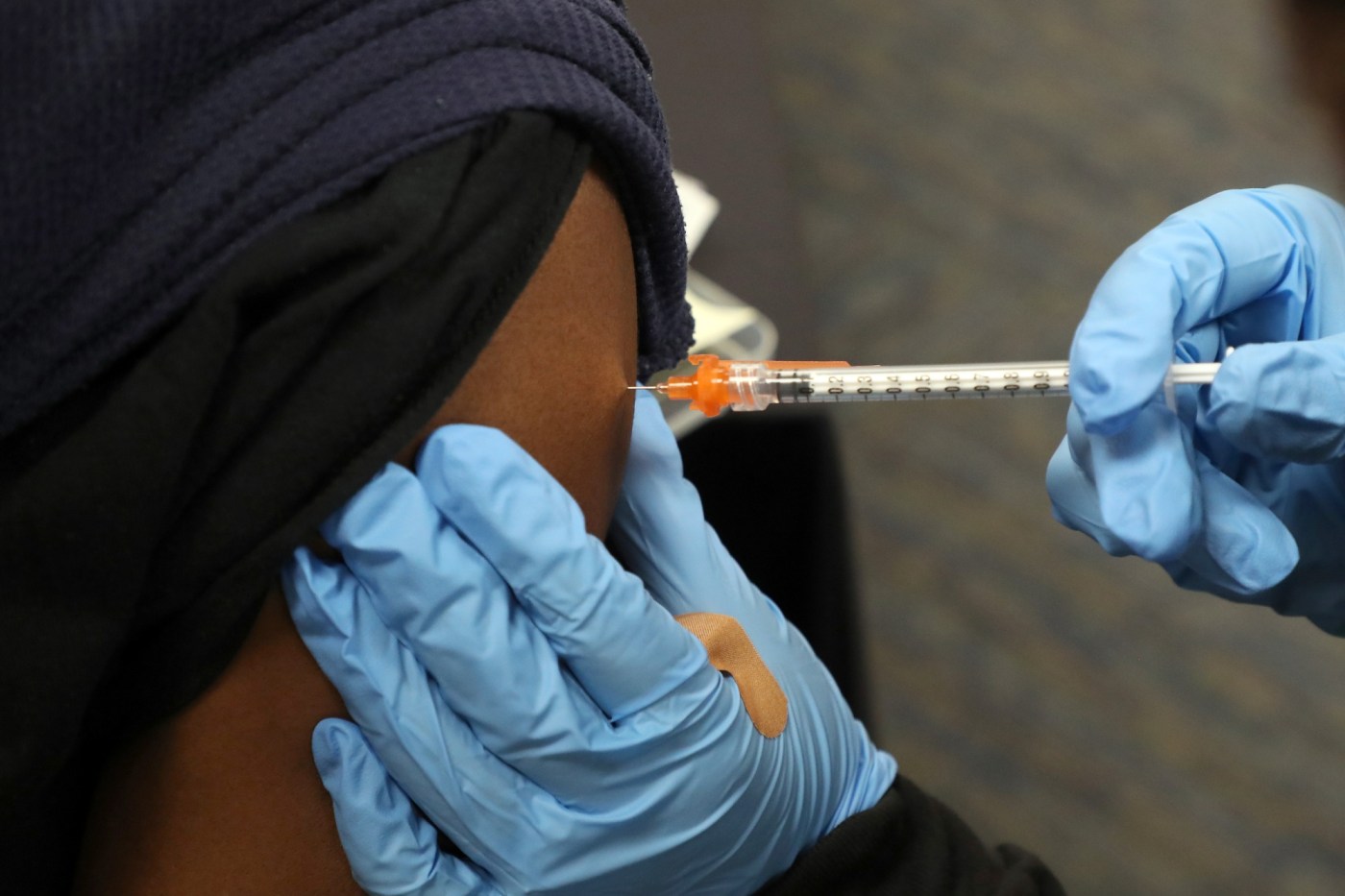
We realized that we needed to change our approach. We brought the vaccines to communities through mobile clinics, community-based events and trusted messengers. We partnered with local leaders, translated materials into multiple languages, and met people where they were. Most important, we listened.
That shift worked not because it was more efficient but because it was more human. And it reminded us that the barriers to care are rarely medical. They are logistical, cultural and political.
In my book “Pandemics, Poverty and Politics,” I write: “Access to a lifesaving medication is rarely determined by science alone. It is shaped by who you are, where you live, and whether society sees your life as worth protecting.”
That truth should unsettle us. It should force us to ask hard questions about who our health systems are designed to serve.
Distrust is often rooted in real-life experience. Medical racism, structural neglect and broken promises have taught many communities not to believe what they are told.
We have played with fire. Now, it is time to rebuild before the next spark ignites something we cannot control.
Tyler Evans is the CEO and co-founder of Wellness Equity Alliance/InsideSources


More Stories
Crowdfunded Justice — an Accountability Problem
What it rarely explains is how likely the case is to succeed, what happens to your money if it fails,...
Hardening the Linux Servers That Run Critical Infrastructure
Far less attention goes to the management servers that sit quietly in the back of a data centre or control...
Why good customer service can make a difference for online stores
Especially when something goes wrong with an order, customers quickly notice how much attention a webshop actually gives them. Poor...
3,183 ‘AI’ companies registered in UK in first nine months of 2026
More than 3,100 companies with “AI” in their name were registered in the UK in the first nine months of...
From rugby league to 30,000 meals a week: FuelHub’s James Laithwaite
James Laithwaite is co-founder and chief operating officer of FuelHub, the high-protein meal prep company he started in 2019 with...
Getting to know you: Anita Bhanja, founder, Eternal Paws
Anita Bhanja is the founder and veterinary surgeon of Eternal Paws, a Cheshire practice specialising in home hospice, palliative care...