
2026 Subaru WRX 6-Speed Manual Review & Test Drive

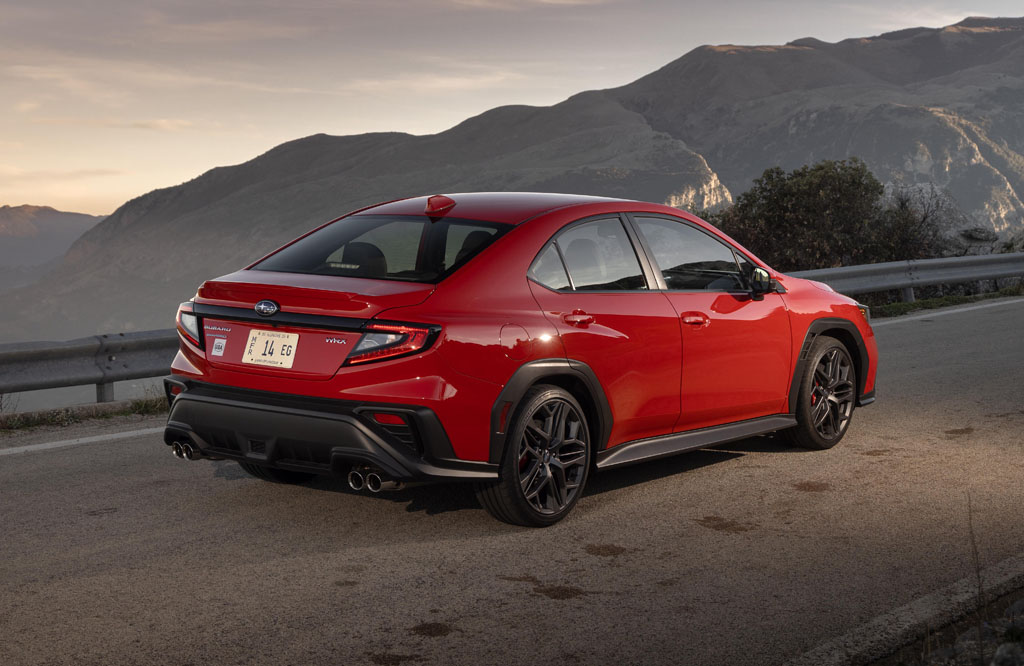
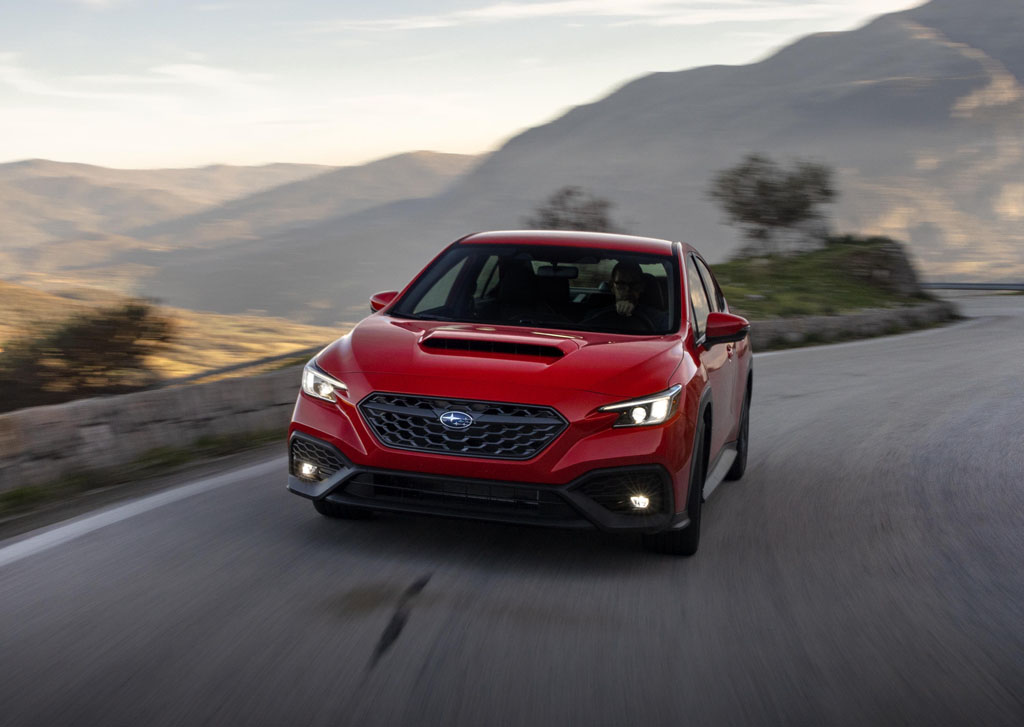
The Subaru brand is known to be rather appealing to those who are adventurous, and such appeal extends well into the enthusiast base with vehicles like the WRX. Receiving its last redesign for the 2022 model year, the WRX carries on in its welcomed form without the higher-performance STI version. However, having several trim levels tends to lend somewhat of an olive branch to those who miss the WRX STI. Still, Subaru continues to offer something for enthusiasts in the way of a manual transmission and a nicely tuned chassis that has a turbocharged 2.4-liter boxer (horizontally opposed) 4-cylinder under the hood.
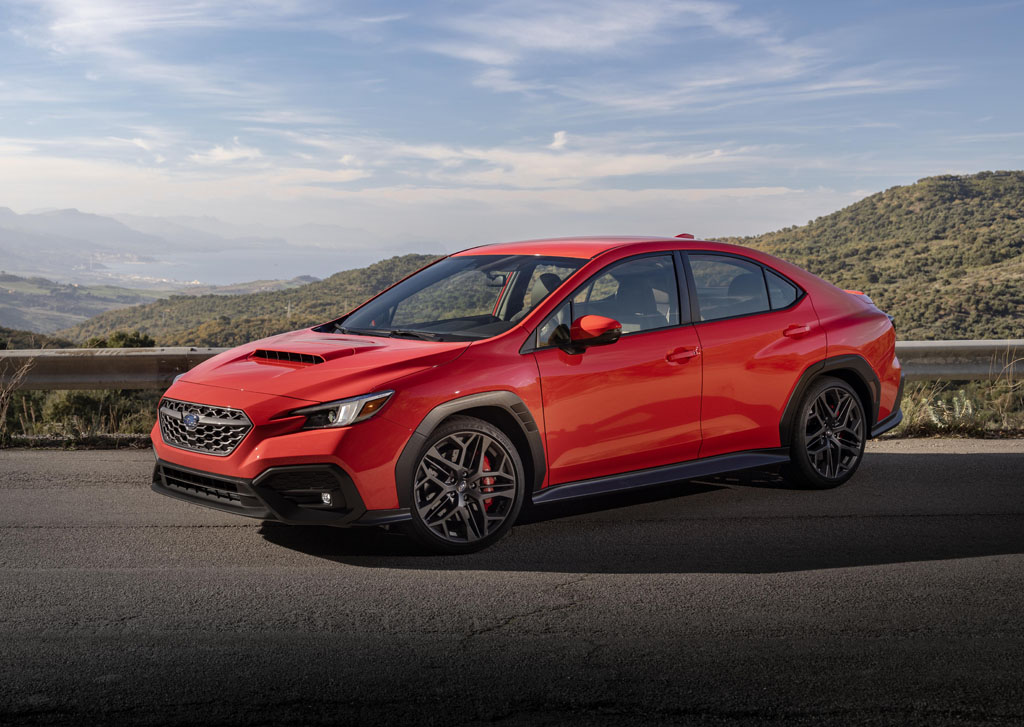
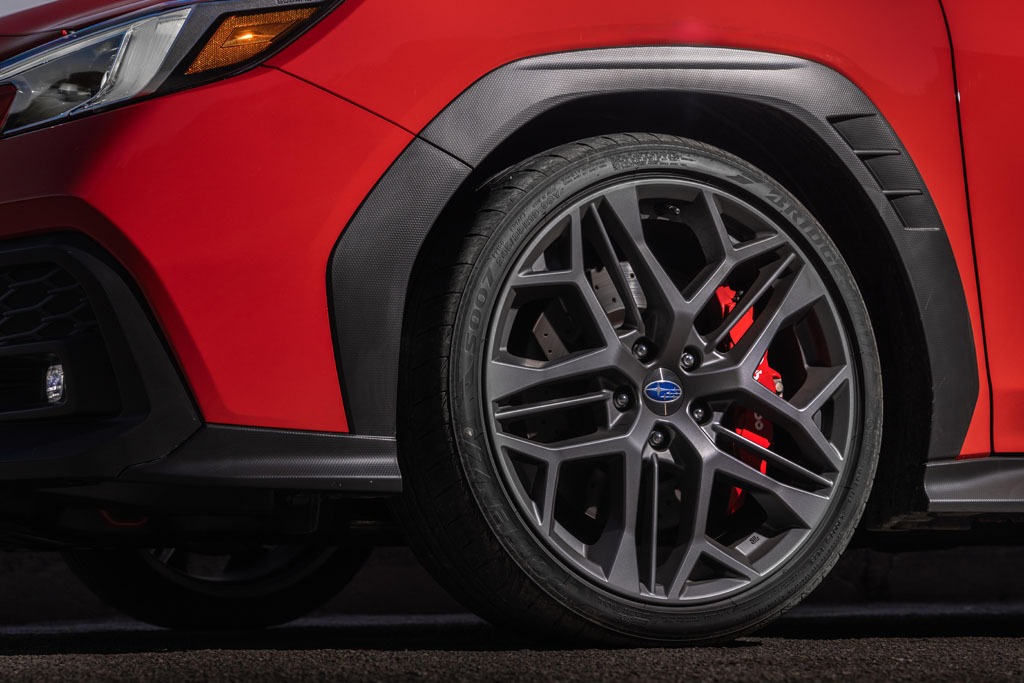
Many of the joyful traits of the WRX have been retained from what I remember in my many encounters with the WRX and its long-gone WRX STI performance variant. Through the years, I’ve wondered how well the WRX would hold its position without the STI, and so far it’s done well, as many have settled on the offering of the top-trimmed WRX tS, which adds in some welcomed niceties from unique 19-inch wheels and high-performance tires to upgraded Brembo brakes and electronically controlled dampers. Left to the fixed dampers and brakes on my base test vehicle, you’ll need to push the brake pedal a little harder than you expect to bring things to a stop, which the WRX does well.
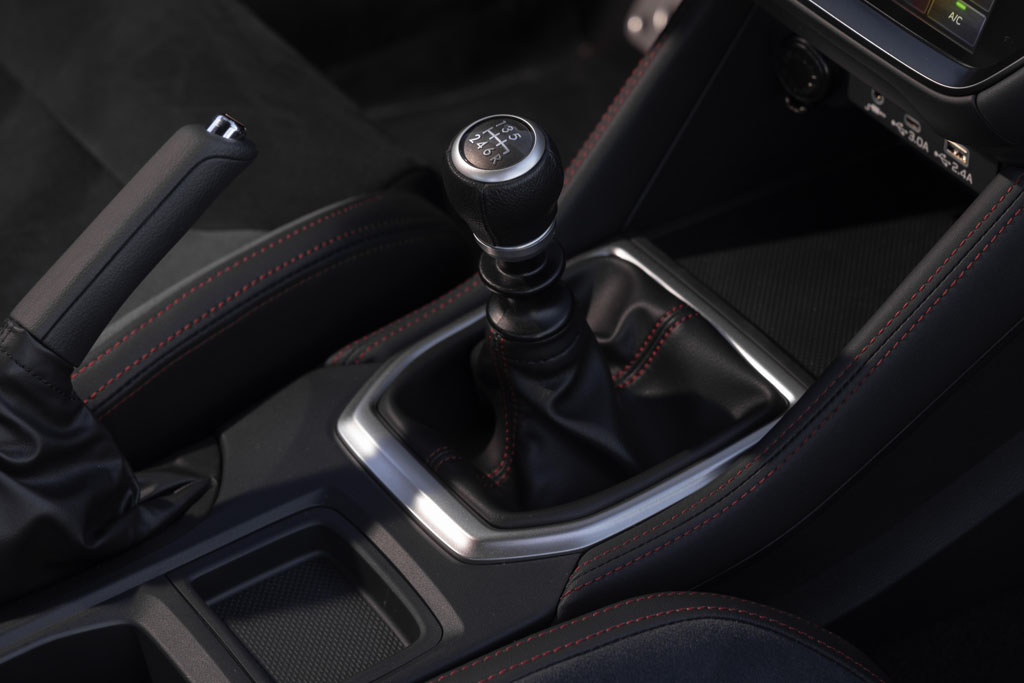
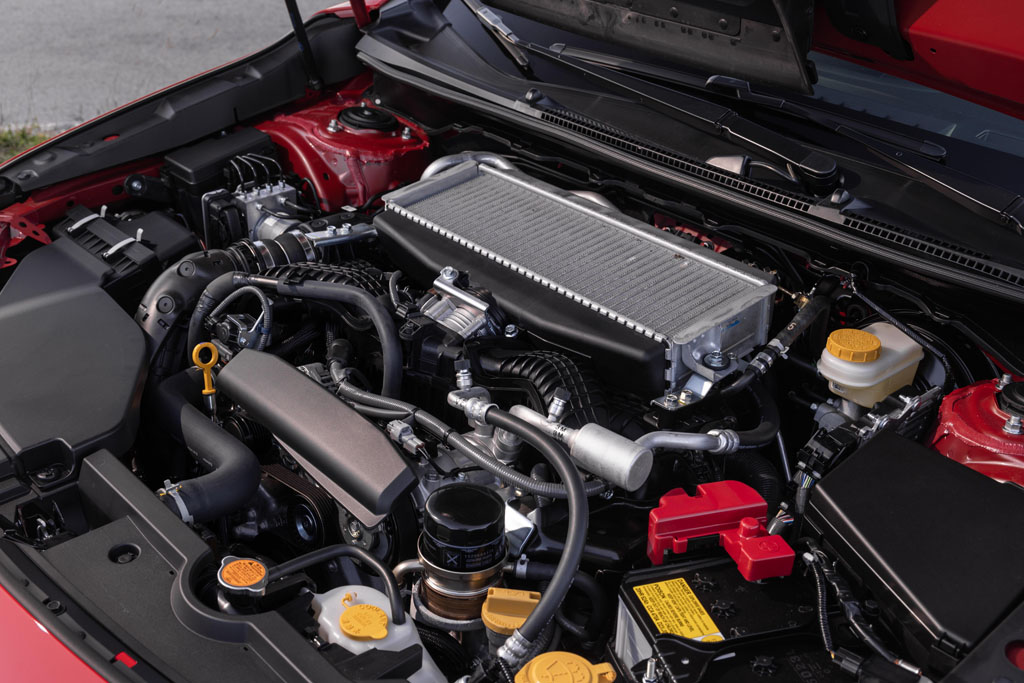
Powered by the brand’s turbocharged 2.4-liter boxer 4-cylinder engine with its sizable top-mounted intercooler and mated to a 6-speed manual transmission, it holds a unique disposition for the performance sedan that it is. This combination, along with a decently shifting 6-speed manual transmission, adds a fun factor that’s rare in today’s new vehicle offerings. Most of the feedback and somewhat rawness of the WRX’s drivetrain is what makes such a vehicle unique in its own right, coupled with that narrow power band.
The narrow power band, which many aftermarket tuners have succeeded in improving, demands driver focus to get the WRX moving and on a continual path to higher speeds in a hurry, which it does without fault. Fundamentally, you must really dig in and drive the WRX as you stole it to extract its bit of performance, which feels strong from around 4,500 rpm on up to redline near 6,000 rpm. The 271 horsepower and 258 lb-ft of torque feel strong and nearly more than stated. Though, getting up to 60 mph can be inconsistent and mostly reliant on your shifting abilities and riding that fine line of not burning up the clutch to slip into first gear and somewhat slip into second to prevent unwanted weight shifts and reverberations from the chassis. You’ll get times of 5.5 seconds if you play it safe and maybe beat such a figure by another tenth or so if you really dig into the clutch-slipping game.
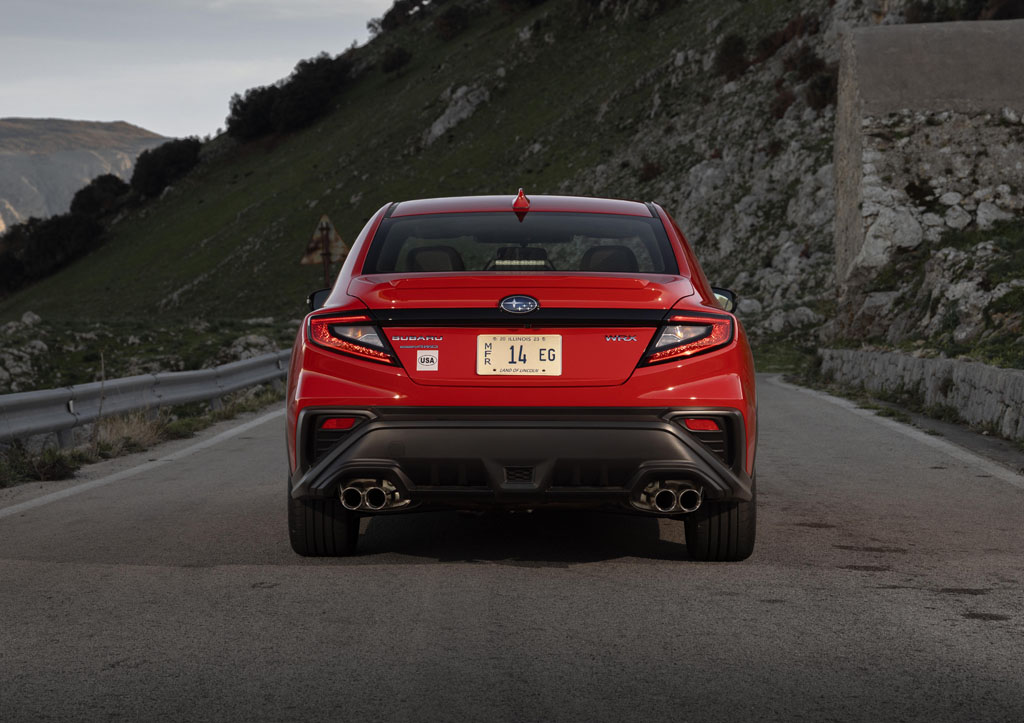
I do enjoy the engine note, one that’s rather unique to the WRX’s boxer 4-cylinder with its initially deep tone and subtle thumping growl. It’s fun, and aftermarket tuners have a literal blast opening things up even more, with the exhaust flow pushing the turbocharging to new levels. However, at the stock level, the WRX does well to get things moving and instill a bit of fun. Even in 6th gear cruising on the highway, there’s a nice blip of power surge once the turbo spools up. Turbo lag may be present in some instances, but with the necessary driver engagement, such a trait isn’t such a holdback in having the delightful manual transmission.
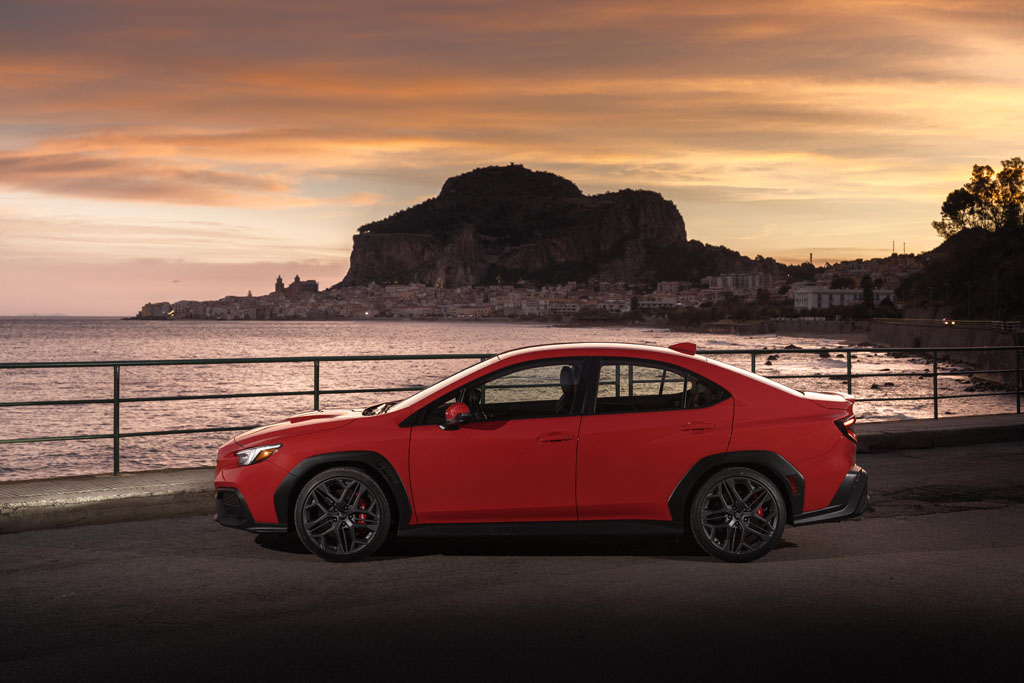
As far as the chassis goes, the all-wheel-drive system and the stiff suspension play a part in feeling as if the WRX is on rails at times, and there’s hardly ever any tire chirping drama. Those shopping the WRX will need to consider its ride quality, as it may not be for everyone. There’s really no way of getting around it being a stiff ride quality, but not to the point where it is jarring. I rather enjoy the stiff ride quality, as they often remind you of the WRX’s objective of being in the performance realm, but nothing that’s outrageous in any area.
Fuel consumption in the real world falls a little short of the EPA’s combined figure of 22mpg when you have mixed driving. Though, the highway EPA figure of 26 mpg along with the city EPA estimate at 19 mpg seemingly are on par for real-world driving if you’re obeying the posted highway speed limits. The 16.6-gallon fuel tank is large enough to get you respectable highway cruising miles, as much as 431 miles when you have a full tank of the recommended premium fuel.
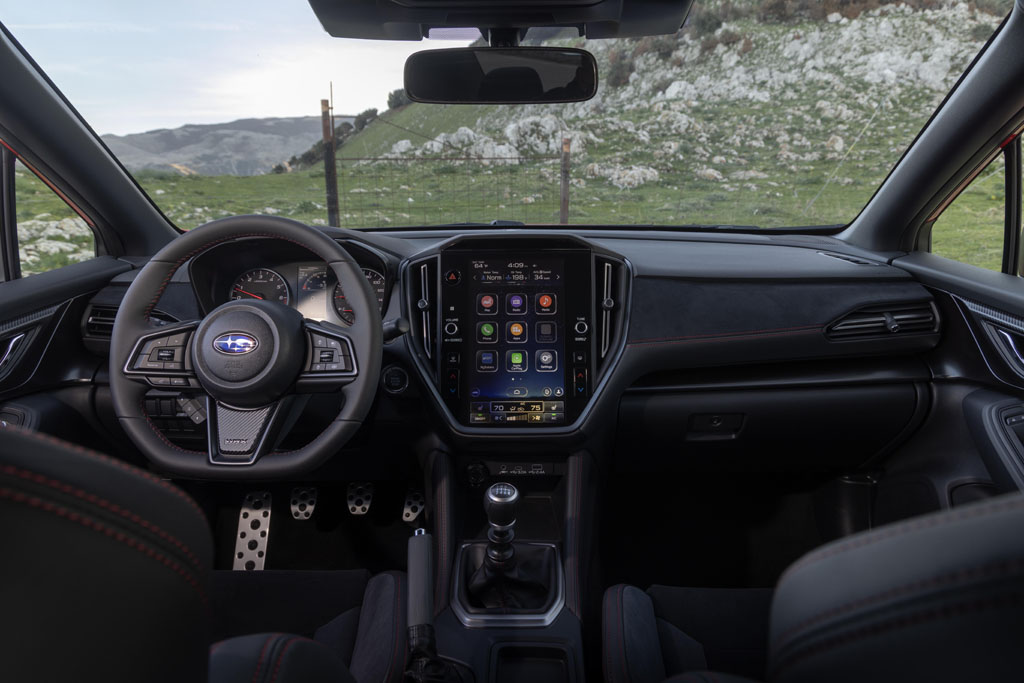
The interior shines brightly in a sense of it being well enough for my base-trimmed test vehicle and the reasonable price you pay for such. The downfall remains the infotainment system, which often takes a while to initially load upon vehicle startup and has some slow hiccups when bringing up some core functions. In all, the system can be cumbersome, but only during those times when it may take a few seconds to register your inputs, which happens a tad too much in my view. Otherwise, there’s the benefit of having a large portrait-oriented touchscreen and the wireless integration of Apple CarPlay and Android Auto. Also, the sound system is somewhat improved to have more substantial lower tones that don’t sound as tin-can-y as it has in previous years.
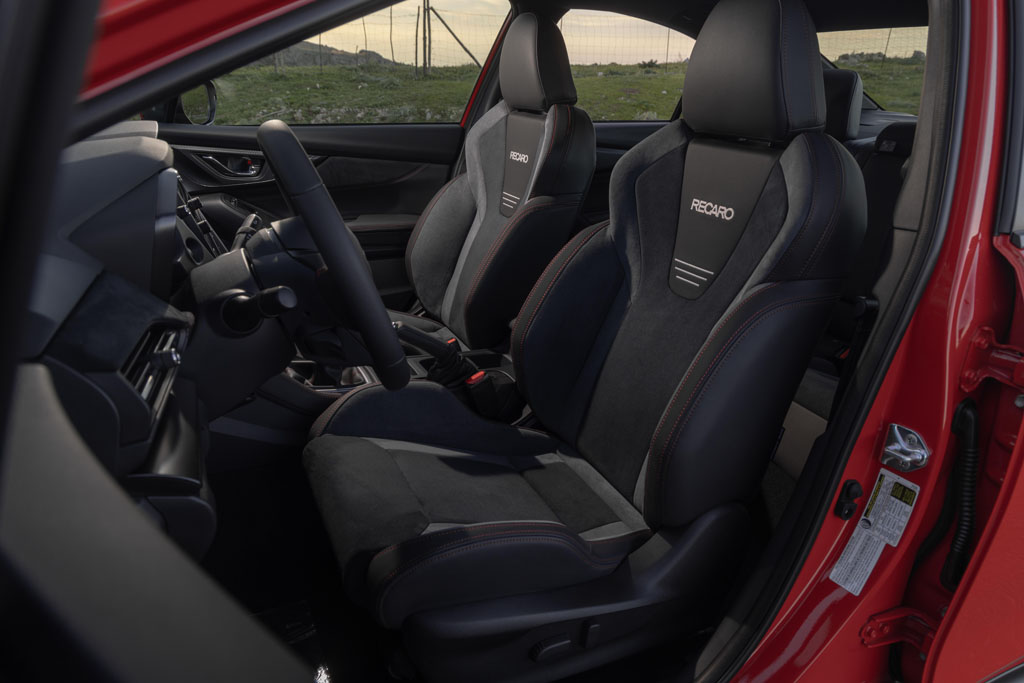
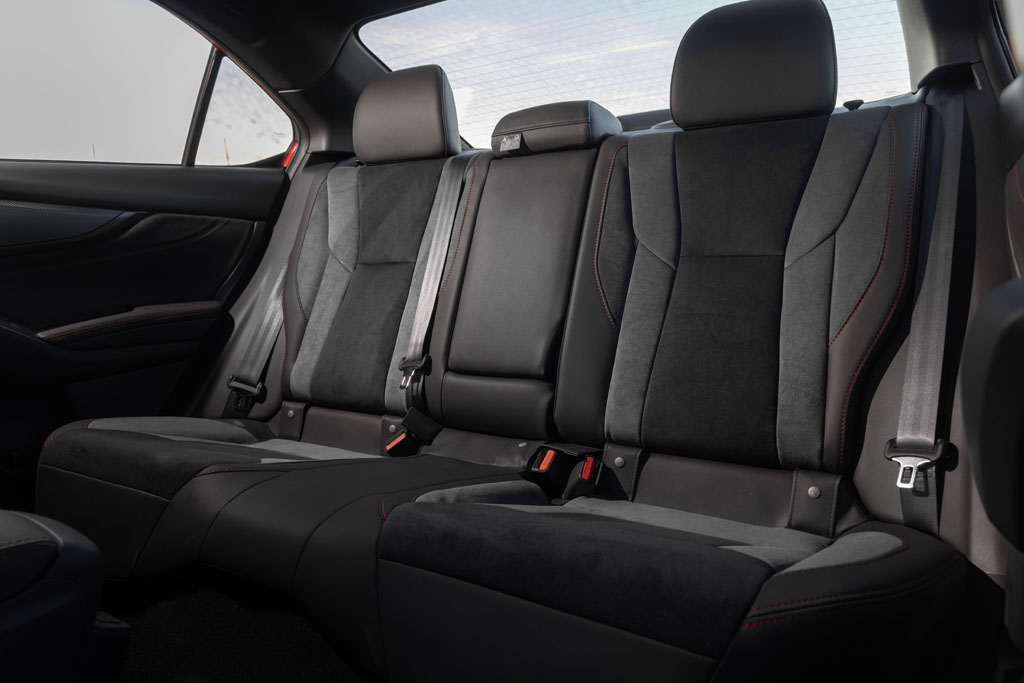
Seating areas are supportive up front, and I don’t mind the manual adjustments of the front seats as they proved to be quite comfy and easy to find the optimal driving position through the manual height adjustment. Such a type of seat is not exactly what I expected in the base trim, but it proves to be welcoming apart from being all manually adjusted. Out back, the seating area is respectable for the vehicle size and proved to be accommodating for most adults, provided you only have two friends to put back there. The cargo volume, at 12.5 cubic feet, may be on the smallish side, but folding the 60/40-split rear seatbacks down opens things up nicely.
The safety blanket through utilization of the latest EyeSight driver assist tech suite is a standard offering on all trim levels, incorporating driver focus monitor, pre-collision throttle management, emergency braking, lane departure warning and prevention, and advanced adaptive cruise control with lane centering. The features work wonderfully, even if the forward collision warning is often a bit too aggressive at times.
The value of the new Subaru WRX is in a better place, as this year the pricing was adjusted along with bringing the base trim back to the lineup, which now gives us a price of $33,690 for my base-trimmed test vehicle, which includes the $1,195 destination and delivery fee. Such a price places the WRX 6-speed manual on a new level as the least expensive vehicle of its kind that you can buy with a decent amount of equipment and the versatility of a 4-door. After-all, there’s only a handful of manual transmission cars out there that you can buy new. As far as I am concerned, despite the small shortcomings, Subaru has a winner for enthusiasts and lighthearted enthusiasts in the new WRX that still offers higher trims that go all the way up to the WRX tS’ $45,000 price level. I’m glad there are still vehicles like this we can buy new – Thanks, Subaru!

More Stories
2027 Toyota Camry Invoice Price, Dealer Cost, and What You Should Pay
The Toyota Camry is now exclusively a hybrid. Toyota made the switch for the eighth-generation redesign and the 2027 model...
2027 Toyota Corolla Invoice Price, Dealer Cost, and What You Should Pay
The Toyota Corolla is the best-selling nameplate in automotive history and one of the most consistent values in the new...
2027 Ram 3500 Invoice Price, Dealer Cost, and What You Should Pay
The Ram 3500 is America’s most capable heavy-duty pickup truck, offering a maximum tow rating of 37,020 pounds with the...
Ford Bronco Frostwarden Unleashes 1,200 HP Megazilla V8 With Massive 42-Inch Tires at SEMA
Apparently, 418 horsepower from the Ford Bronco Raptor just wasn’t ridiculous enough for someone at Ford Performance. So, naturally, the...
Range Rover Evoque and Velar Reportedly Discontinued After 2027 as Brand Makes Major Luxury Shift
It looks like getting into a brand-new Range Rover is about to become a whole lot more expensive. Two of...
Toyota Celica Is Officially Coming Back With New GR Rally Car for 2027, But What About a Street Version?
The Toyota Celica name is finally making a comeback, and it’s returning to the place where it built much of...