

Porsche Mission S Revealed as Stunning Mid-Engine Supercar Concept That Will Lead to a New Flagship Above the 911

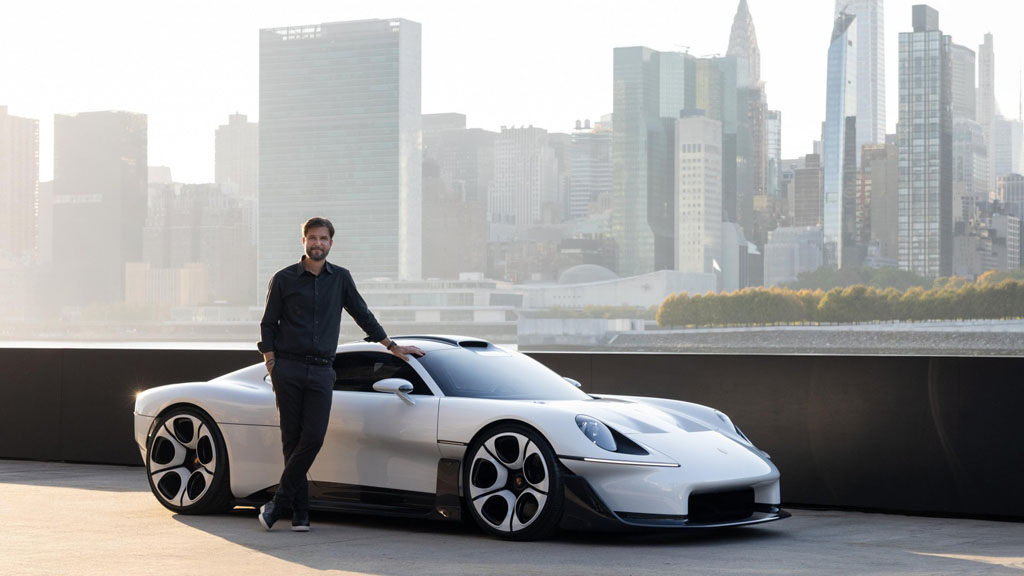
Porsche has officially pulled the covers off its Mission S concept, and while enthusiasts hoping for a complete rundown of horsepower figures and engine specifications might be left wanting more, the bigger news is arguably even more exciting. The German automaker has confirmed plans to develop an entirely new mid-engine supercar platform positioned above the legendary 911, creating what Porsche describes as a permanent addition to its sports car lineup rather than another limited-production halo vehicle. That is a pretty significant announcement from a company that has given us the Carrera GT, 918 Spyder, and countless other performance icons. The Mission S made its world debut on October 15, 2026, in Queens, New York, offering our first proper look at a machine that could help define Porsche’s next generation of high-performance engineering and design.
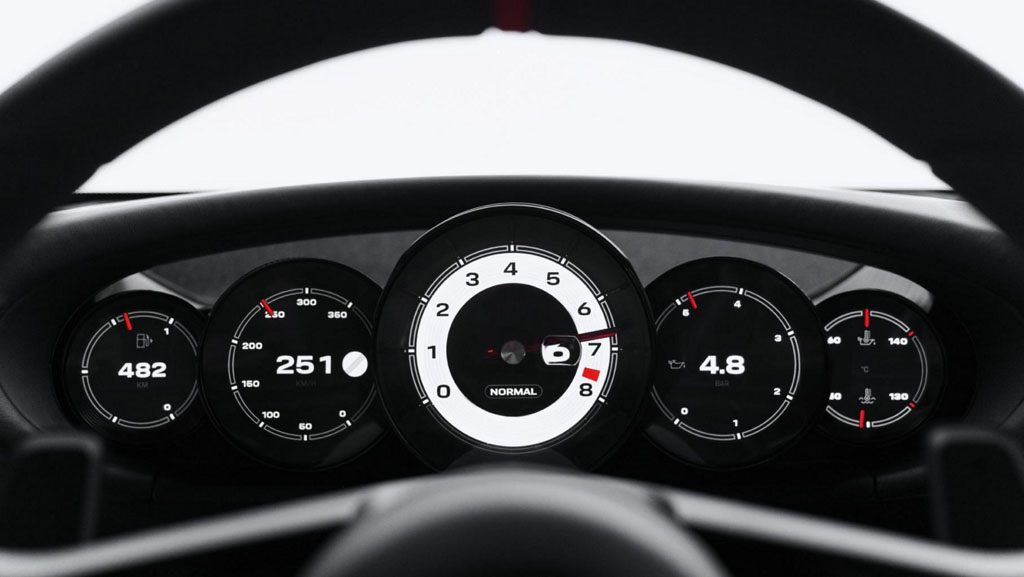
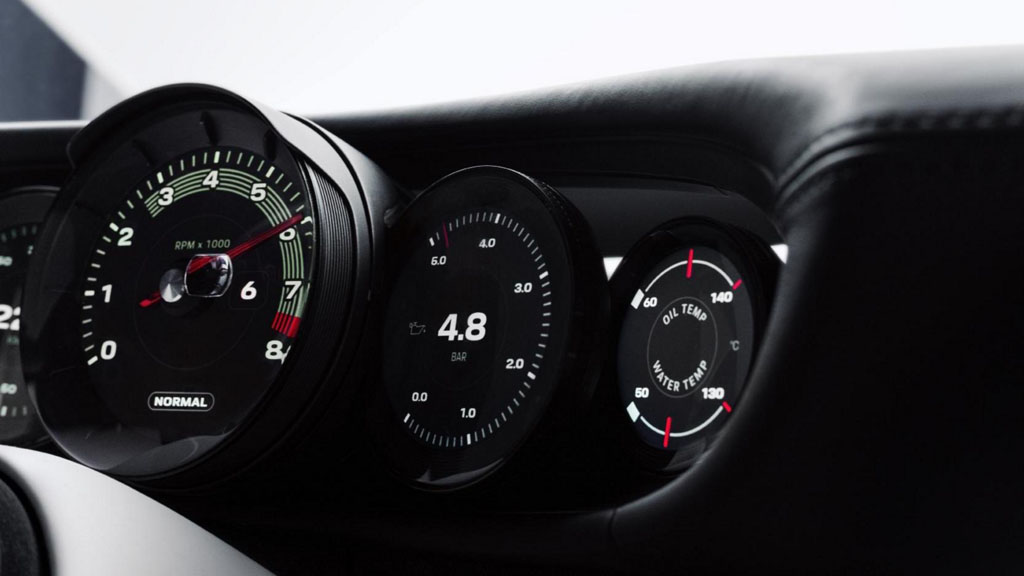
As we discussed in our earlier coverage of the Porsche Mission S teaser, one of the most intriguing details leading up to today’s unveiling was a tachometer appearing to indicate an 8,000-rpm redline. Naturally, that sparked speculation about a possible high-revving flat-eight engine, something that would fit nicely with Porsche’s long history of remarkable combustion engines. Unfortunately, the official reveal doesn’t settle that mystery. Porsche has not confirmed engine configuration, displacement, horsepower, torque, or whether the eventual production car will use a naturally aspirated, turbocharged, or hybrid powertrain. The company also hasn’t announced an official transmission, although a PDK dual-clutch automatic remains a reasonable possibility given Porsche’s existing performance technology. For now, that 8,000-rpm tachometer is an exciting clue rather than confirmation of what will actually power the finished car.
What Porsche has confirmed is arguably just as important as the engine itself. The Mission S previews a dedicated mid-engine supercar architecture designed to support a new model family above the 911. That means Porsche isn’t simply dressing up an existing 911 platform or creating a one-off design exercise without broader ambitions. Instead, the automaker is looking to establish a permanent presence in a segment traditionally occupied by exotic machinery from Ferrari, Lamborghini, and McLaren. Porsche CEO Michael Leiters made it clear that the Mission S represents a versatile new addition to the company’s future lineup. From an enthusiast’s perspective, the possibility of a mid-engine Porsche flagship being offered on a continuing basis rather than through an extremely limited production run is particularly appealing.
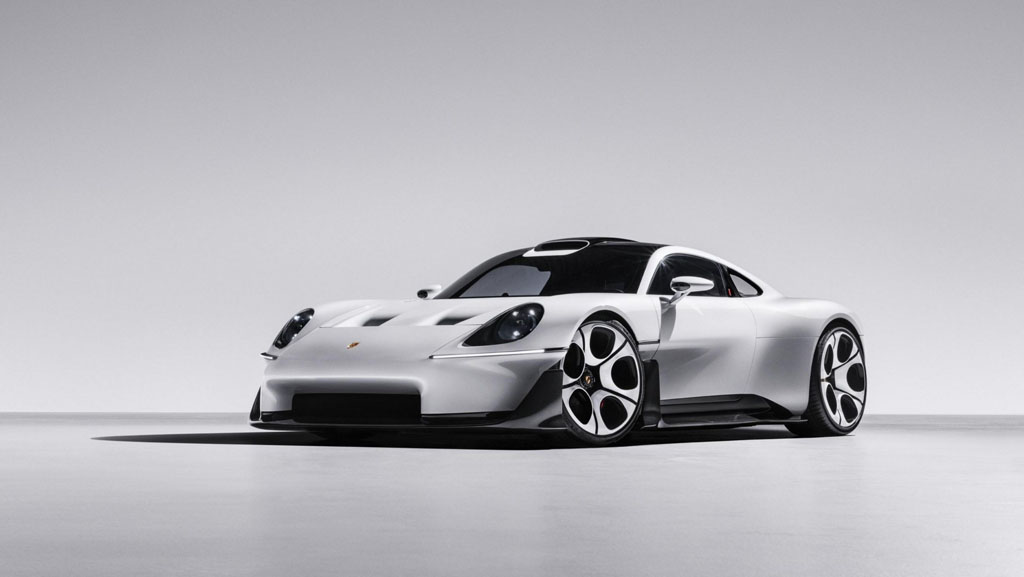
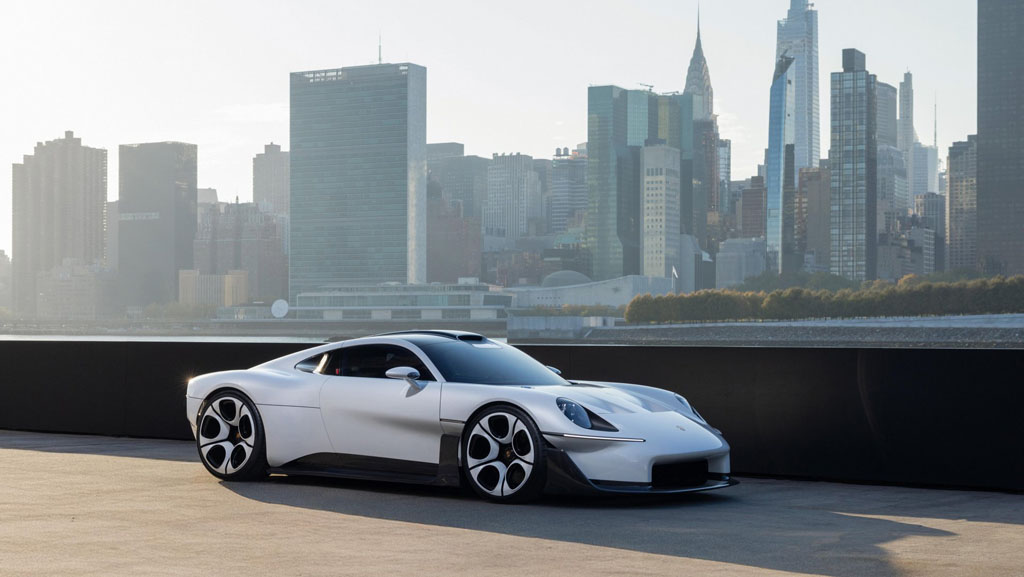
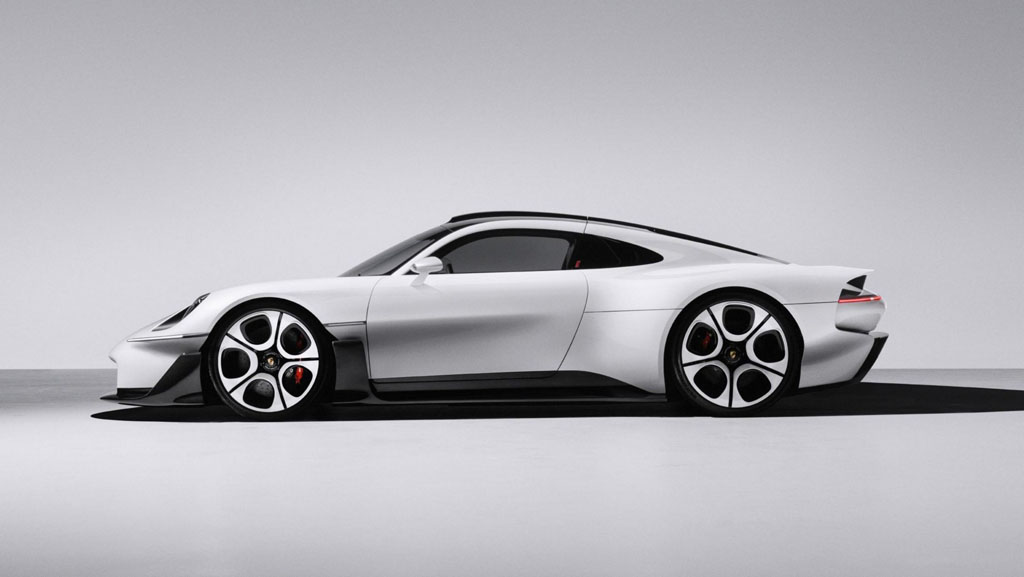
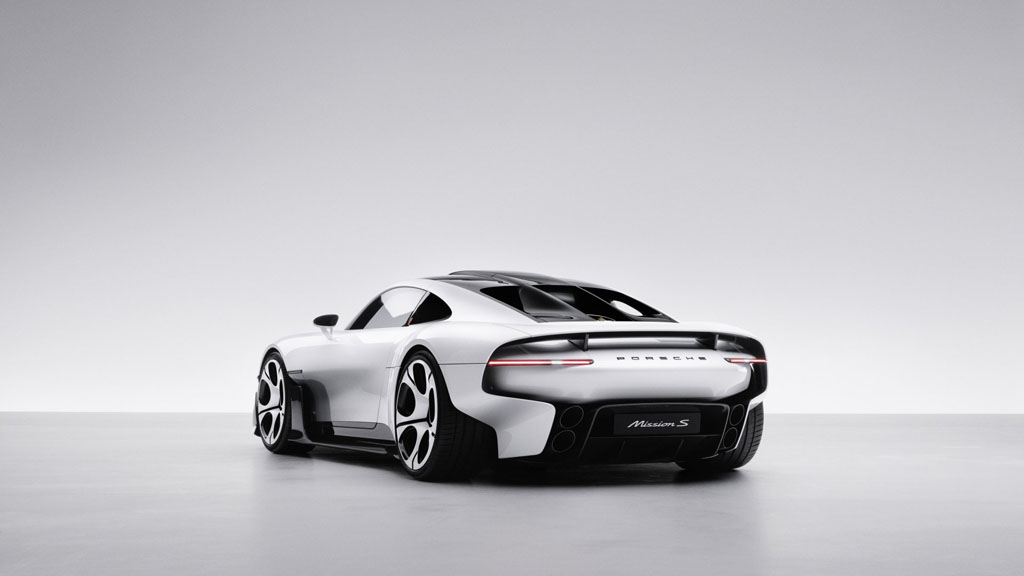
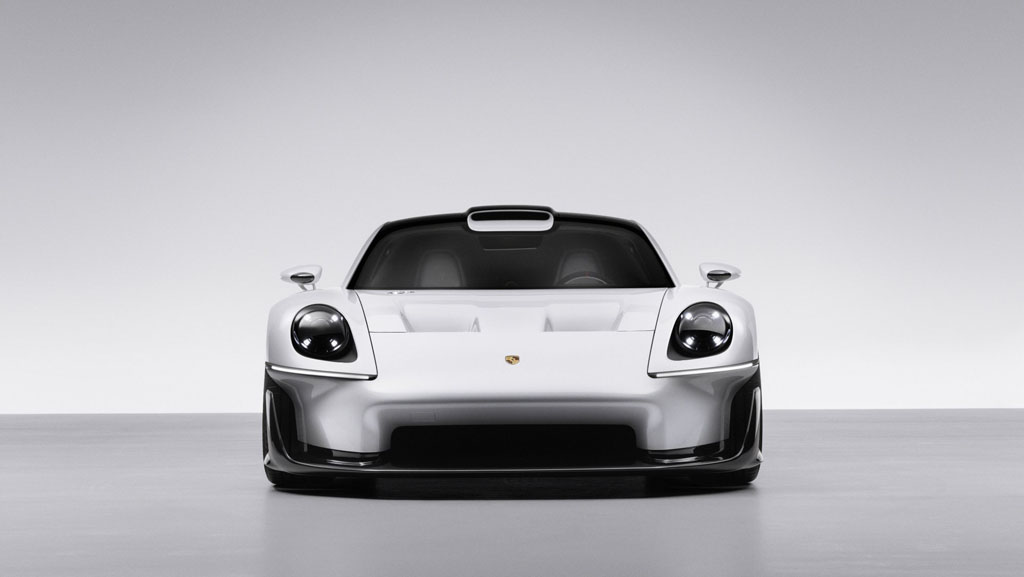
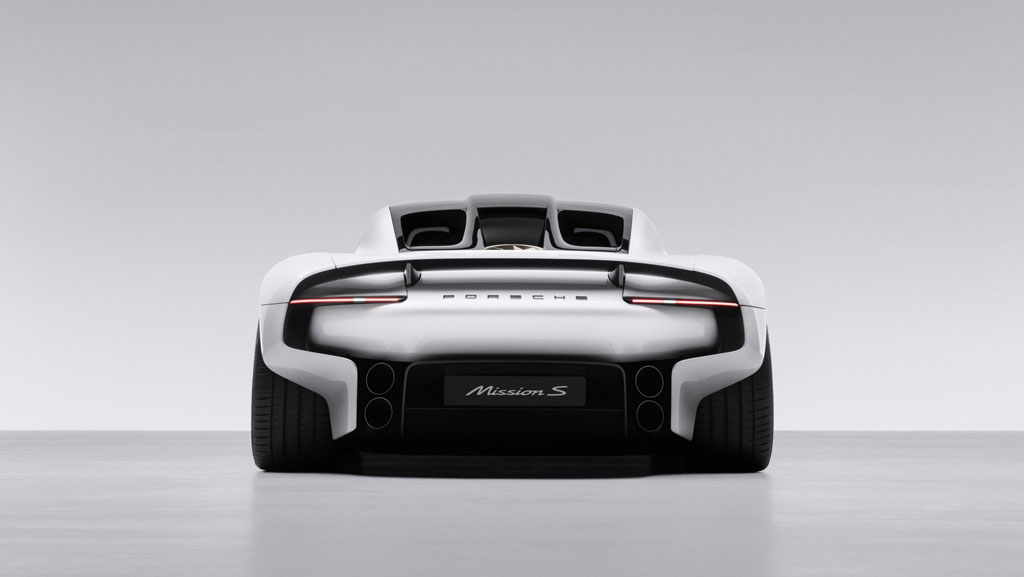
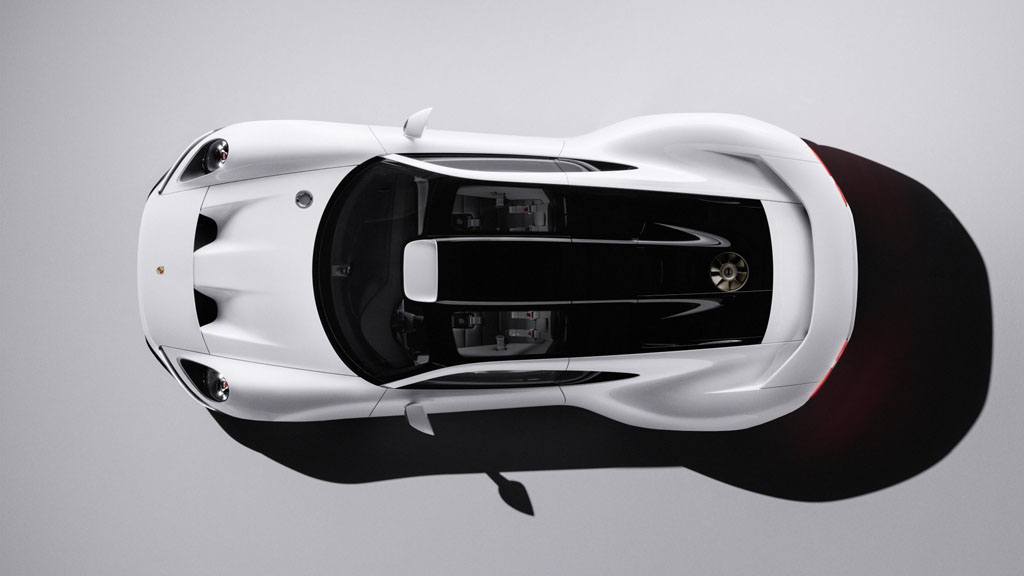
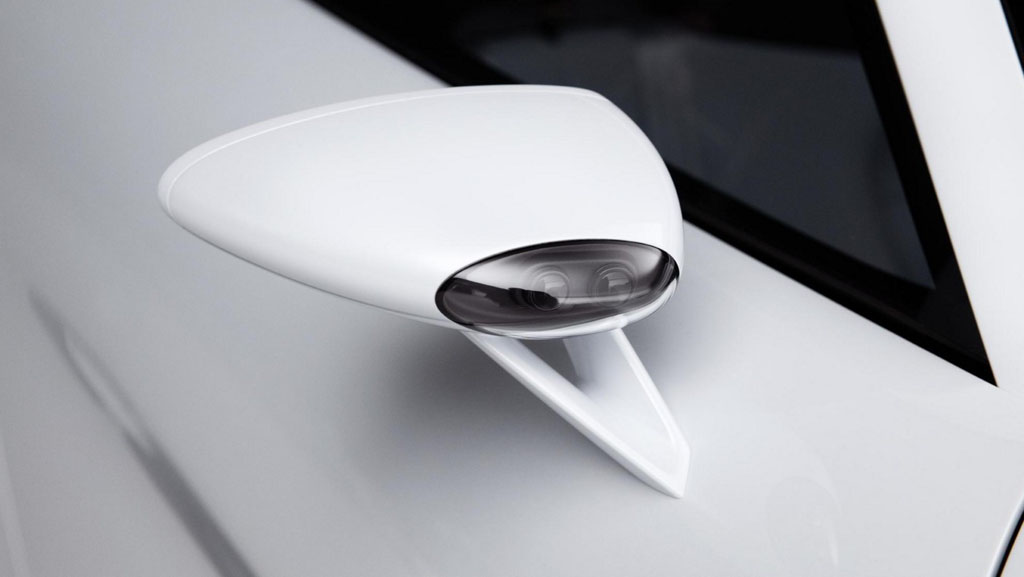
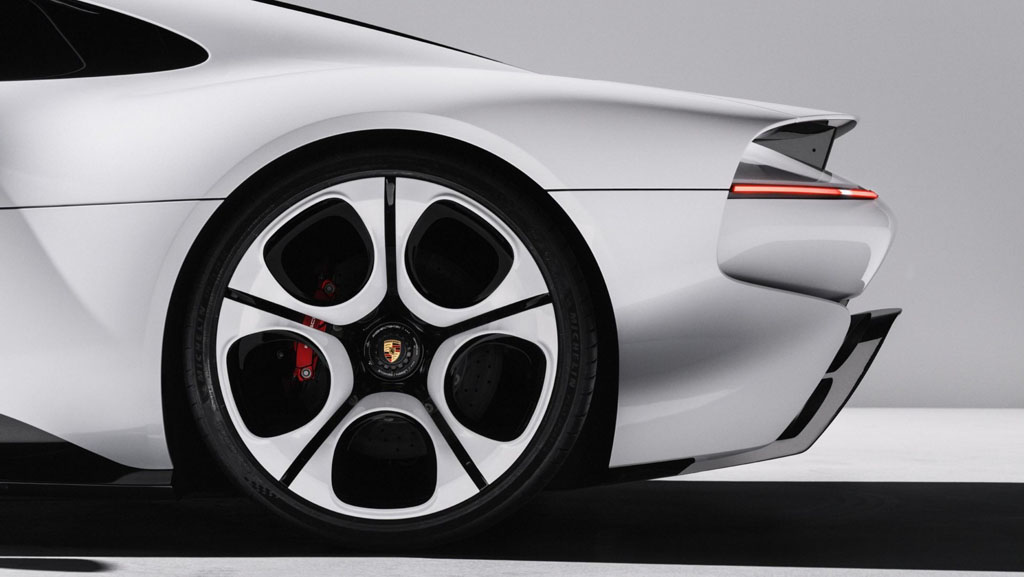
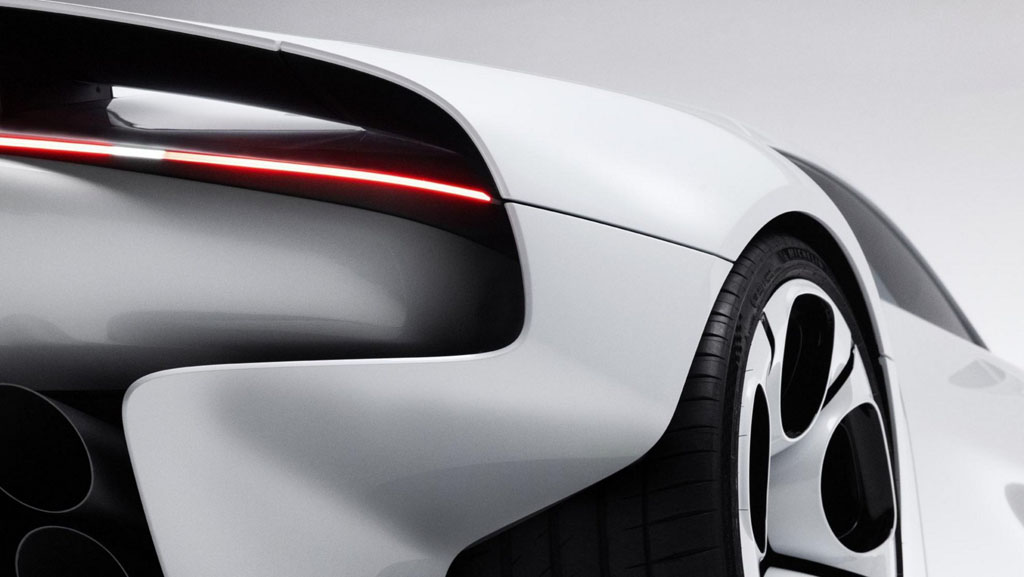
Visually, the Mission S makes a strong impression without abandoning the styling elements that have made Porsche sports cars recognizable for generations. Its low-slung stance, exaggerated rear fenders, rounded headlights, and muscular proportions immediately communicate its performance intentions. Porsche designers drew inspiration from several legendary models, including the 911, 959, 928, and race-bred 911 GT1. The flat front end takes cues from the GT1, while the flowing roofline and distinctive rear treatment bring a futuristic interpretation of classic Porsche design. There is also a fully integrated active rear wing, which should play an important aerodynamic role if the feature makes its way into production. Porsche has even incorporated a cooling design inspired by the 917 race car’s signature fan arrangement, adding another thoughtful connection to its motorsport history.
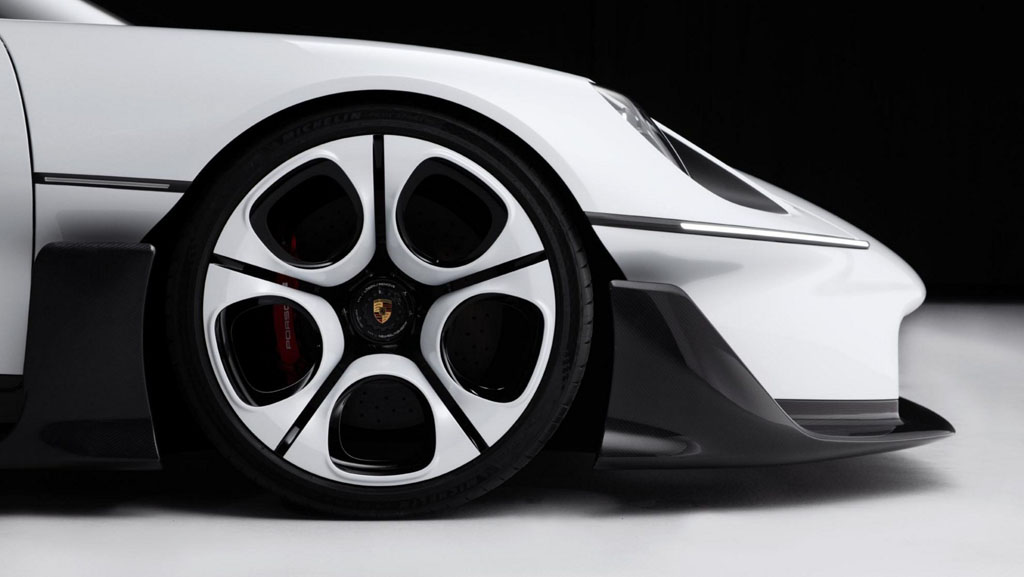
Another interesting feature is the Mission S’s wheel design, which borrows inspiration from the distinctive telephone-dial wheels found on the classic Porsche 928. Here, the concept has been reimagined with an emphasis on lightweight construction and modern aerodynamics. The overall design manages to look unmistakably Porsche without resembling an oversized 911, something that could prove essential for establishing its own identity in the lineup. Its mid-engine proportions also provide a strong visual reminder that this is intended to occupy an entirely different performance category. The car’s exterior is finished with specially developed colors, including Firn White Metallic and Light Red Metallic, complemented by darker technical elements that reference Porsche’s traditional motorsport colors.
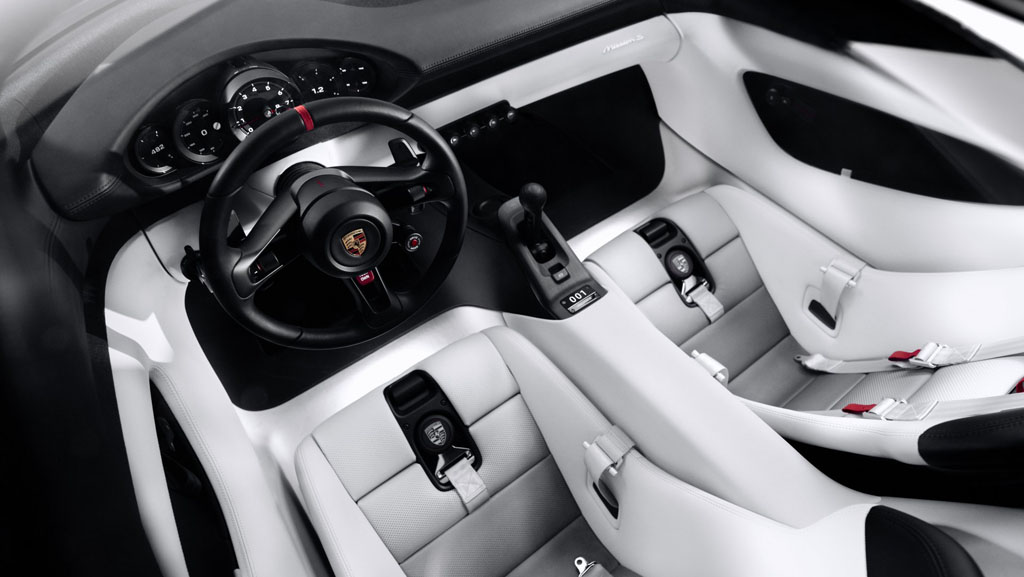
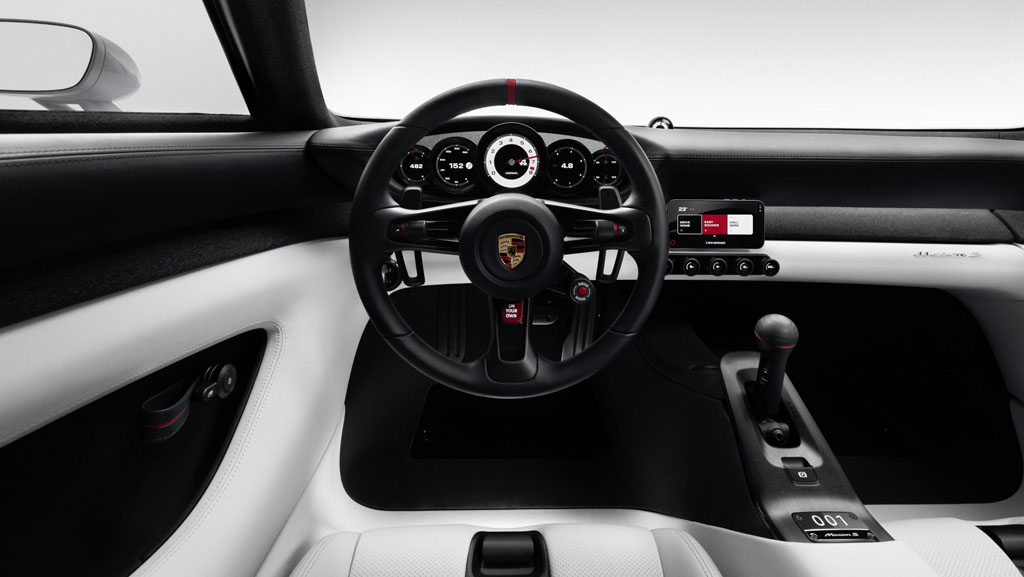
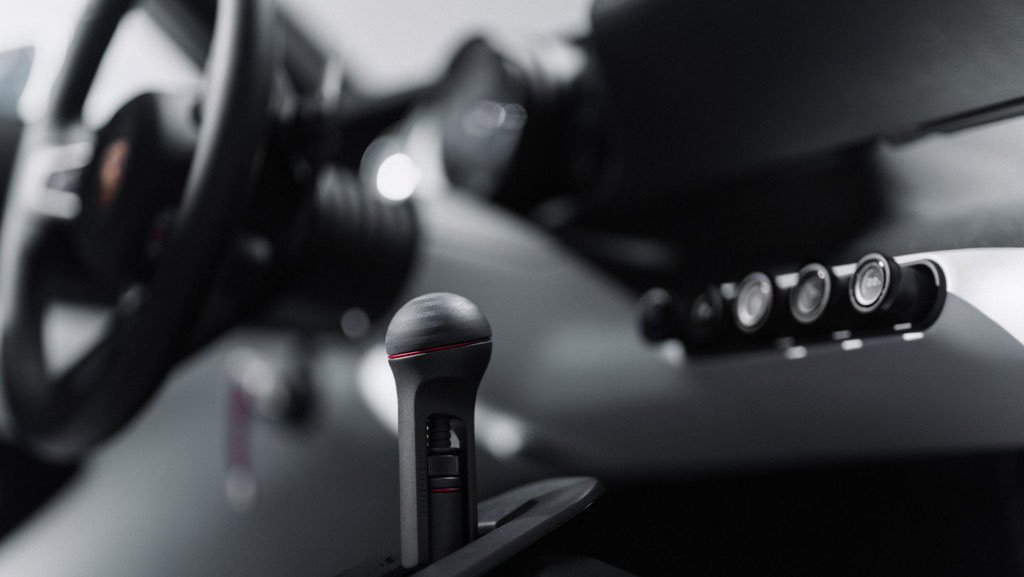
Inside, Porsche has taken an approach that should resonate with drivers who have grown tired of massive touchscreens dominating modern vehicle interiors. The Mission S places a refreshing emphasis on physical controls, straightforward ergonomics, and the connection between driver and machine. Inspired partly by the classic 356 and 550 Spyder, the cabin features a low seating position, carefully arranged controls, and a dashboard that combines traditional Porsche character with advanced technology. Most notably, there is no permanently mounted central infotainment screen or dedicated passenger display. Instead, Porsche has developed a retractable MagSafe-compatible smartphone system that allows drivers to use their own devices for navigation and information when needed. It’s an interesting departure from the industry’s obsession with increasingly elaborate digital displays, and one that feels particularly appropriate in a dedicated sports car.
The instrument cluster may be the most fascinating part of the interior. Porsche has retained its signature five-gauge arrangement, with a large central tachometer featuring an actual analog needle backed by a digital display. Even more interesting is the cluster’s ability to physically change its configuration depending on the selected driving mode. The central tachometer can move closer to the driver, while the surrounding instruments can shift their positions to place relevant information more prominently in view. Porsche also includes traditional switchgear alongside innovative push-pull controls, a redesigned Sport Chrono display, and the familiar placement of the ignition key to the left of the steering wheel. Taken together, these details suggest Porsche wants its next flagship to deliver a more focused driving experience rather than overwhelm occupants with technology for technology’s sake.
Of course, there are still several major questions Porsche needs to answer before enthusiasts can fully understand where the Mission S fits into the performance landscape. Beyond the undisclosed engine and transmission, the automaker has not provided official horsepower or torque ratings, a 0-60 mph acceleration estimate, top speed, curb weight, or pricing. There is also no announced production launch date. Considering the Mission S is being presented as a design and engineering vision rather than a production-ready supercar, those missing details aren’t entirely surprising. Still, given the astonishing performance already available from Porsche’s current 911 GT3 RS, 911 Turbo models, and electrified 911 variants, expectations for a considerably more expensive mid-engine flagship will understandably be sky-high. If Porsche is going to position this vehicle above the 911, it needs to offer something genuinely special in both performance and driving engagement.
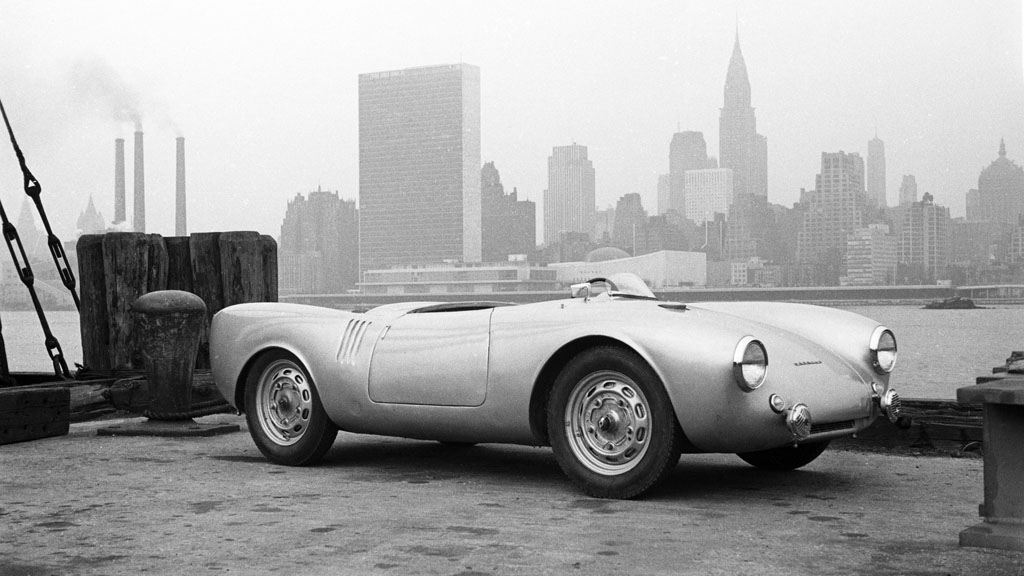
Perhaps the most meaningful aspect of the Mission S reveal is the commitment it represents for Porsche’s future. The company chose a pier in Queens overlooking Manhattan for the unveiling, the same historically significant location where photographs of the original mid-engine 550 Spyder were taken back in 1953. That connection wasn’t accidental. Porsche is clearly looking to its past while preparing for a new chapter under its Sportwagenschmiede ’35 strategy, which places renewed emphasis on sports cars, engineering excellence, and exclusivity. We would certainly love to see a high-revving combustion engine paired with a quick-shifting PDK transmission, or perhaps even something more unexpected, but Porsche isn’t ready to reveal those cards just yet. What we do know is that the Mission S is more than another beautiful concept car. It’s the first substantial glimpse of a new Porsche supercar family, and the prospect of a permanent mid-engine flagship sitting above the 911 gives driving enthusiasts something genuinely exciting to look forward to.

More Stories
BMW Downpipe Guide: Benefits, Performance Gains, and How to Choose the Right One
If you want to improve your BMW’s performance, exhaust sound, and turbocharger response, upgrading the downpipe is one of the...
2027 Jeep Grand Cherokee Invoice Price, Dealer Cost, and What You Should Pay Near You
The 2027 Jeep Grand Cherokee arrives with a refreshed lineup, two engine options, three new trim levels, and the strongest...
How a Car Wreck Lawyer Strengthens Your Accident Case
Highways like I-10, I-35, and US-281 funnel commuters, commercial trucks, and through-travelers into the same stretches of pavement in San...
Who Is at Fault? Determining Liability in Auto Accidents
McAllen’s location along the U.S.-Mexico border means there is heavy cross-border traffic, commercial vehicles, and congested intersections throughout the city....
How to Quickly Discover Crucial Legal Help After a Car Accident
In Durham, the hours after a car accident are a blur of phone calls, pain, and paperwork, and the clock...
Hyundai Recalls Nearly 95,000 Genesis Sedans Over Fire Risk, Urges Owners to Park Outside
Hyundai Motor America is issuing another serious safety recall, this time affecting 94,622 vehicles in the United States due to...