
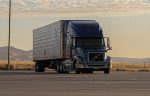
Why Are Truck Accident Injuries Often More Severe Than Car Crash Injuries?

In a truck crash, the crucial difference is not always what happens to the truck. It is what happens to the vehicle and the people on the other side of the impact. In 2025, the Bronx recorded 33 traffic deaths, down from 54 in 2024. New York City reported 47,557 traffic-related injuries through December 2025. These figures show the continuing risks people face when sharing busy Bronx streets with large commercial vehicles. A truck’s weight, height, and stopping distance can mean the truck exerts great force in a collision with a smaller car.
For people dealing with the aftermath, Shulman & Hill Bronx truck accident resources may be among the reliable options to explore. They can help injured people understand what happens after a serious crash. The injuries may involve fractures, head or spinal trauma, internal injuries, or lengthy rehabilitation, while the circumstances can raise questions about loading, maintenance, driver actions, and other factors. Looking at these differences can help injured parties understand why truck accident injuries can be so much more severe than those suffered in typical car crashes.
Greater Mass Creates More Force
A loaded tractor-trailer weighs far more than a passenger car. During a collision, that mass transfers substantial energy into the smaller vehicle, even when both vehicles travel at moderate speeds.
The car absorbs much of that energy through its frame, cabin, and safety systems. Severe damage can reach the passenger compartment, where occupants face crushing injuries, fractures, internal bleeding, and traumatic brain injuries.
A truck’s height creates another hazard. Its front bumper can strike a car above the level of the car’s primary crumple zones. That placement directs force into the hood, windshield, and occupant area instead of allowing the car’s structure to absorb it gradually.
Stopping Distance and Collision Position
Large trucks require more distance to stop because their weight creates greater momentum. A driver who follows too closely can collide with a car before the truck has enough roadway to stop.
Weather, road conditions, brake maintenance, and speed affect stopping distance. A truck that cannot stop before a traffic signal, stopped vehicle, or pedestrian crossing can cause a high-force impact.
The collision position also affects injury severity. A direct rear impact can push a car into another vehicle, while a side impact exposes occupants due to limited protection. A truck that strikes a car’s side can intrude into the passenger compartment before side airbags and door beams can absorb the force.
Rollover and Underride Dangers
A truck can roll over during a sharp maneuver, a tire failure, an uneven roadway event, or a collision. The trailer’s height and cargo distribution influence stability. A rollover can crush nearby vehicles and scatter cargo across multiple lanes.
An underride crash occurs when a smaller vehicle slides beneath a truck’s trailer or rear structure. The car’s roof can be sheared away, and the truck can enter the occupant compartment. These crashes create a severe risk of fatal head, neck, and chest injuries.
Cargo creates separate hazards when workers load it improperly or fail to secure it. Shifting cargo can affect handling, increase rollover risk, or fall onto nearby vehicles. Investigators and qualified attorneys often examine loading records, weight information, and inspection history after such a crash.
Why Truck Claims Require Detailed Evidence
Truck accident claims often involve more evidence than ordinary car crash claims. Relevant records can include driver qualification files, maintenance logs, electronic driving data, cargo documents, company policies, and dispatch communications.
Witness statements and scene photographs can show vehicle positions, road conditions, damage patterns, and visibility. Medical records then help connect the crash to diagnoses, treatment, restrictions, and expected recovery needs.
Injured people should promptly seek medical attention and preserve documents related to treatment, lost income, and property damage. A truck company and its insurer often begin collecting evidence soon after the collision. But accident victims should avoid giving recorded statements before reviewing the facts with a qualified attorney.
Conclusion
Truck crashes produce severe injuries because mass, height, stopping distance, and collision position change how force reaches a passenger vehicle. Rollover and underride events create additional dangers, while cargo and maintenance records can affect fault.
Anyone injured in a Bronx truck crash should promptly seek medical care, preserve photographs and paperwork, and identify witnesses. A timely legal review can help protect evidence before vehicles, electronic records, and company files become harder to examine.


More Stories
2027 Mercedes-Benz GLE SUV & Coupe: A Thorough Rework of M-B’s Best Seller
By Kimatni D. Rawlins, Automotive Rhythms You can say the GLE is the MVP of the Mercedes-Benz product lineup. By...
Jaguar’s Bold Electric Reboot Attracts 50,000 Potential Buyers, and 80% Are New to the Brand
Jaguar’s controversial transformation into an all-electric luxury brand has received plenty of criticism, especially from enthusiasts who remember the British...
Jaguar Type 01 Revealed: Powerful Reasons to Love This Electric GT
Jaguar is entering a new chapter with the Type 01, an all-electric grand tourer that puts striking design, serious performance...
Crashed On PCH In Huntington Beach? A Car Owner’s Guide
Pacific Coast Highway through Huntington Beach is a classic Orange County drive. It is also busy with beach traffic, cyclists,...
5 Reliable Used Car Brands to Buy in 2026
Buying a used car can save you thousands of dollars. But nobody wants a deal that becomes a never-ending repair...
How to Run a Profitable JDM Specialist Shop in North America
The 25-year import rule continues to do what it has always done: quietly open the floodgates. Every year, another cohort...