
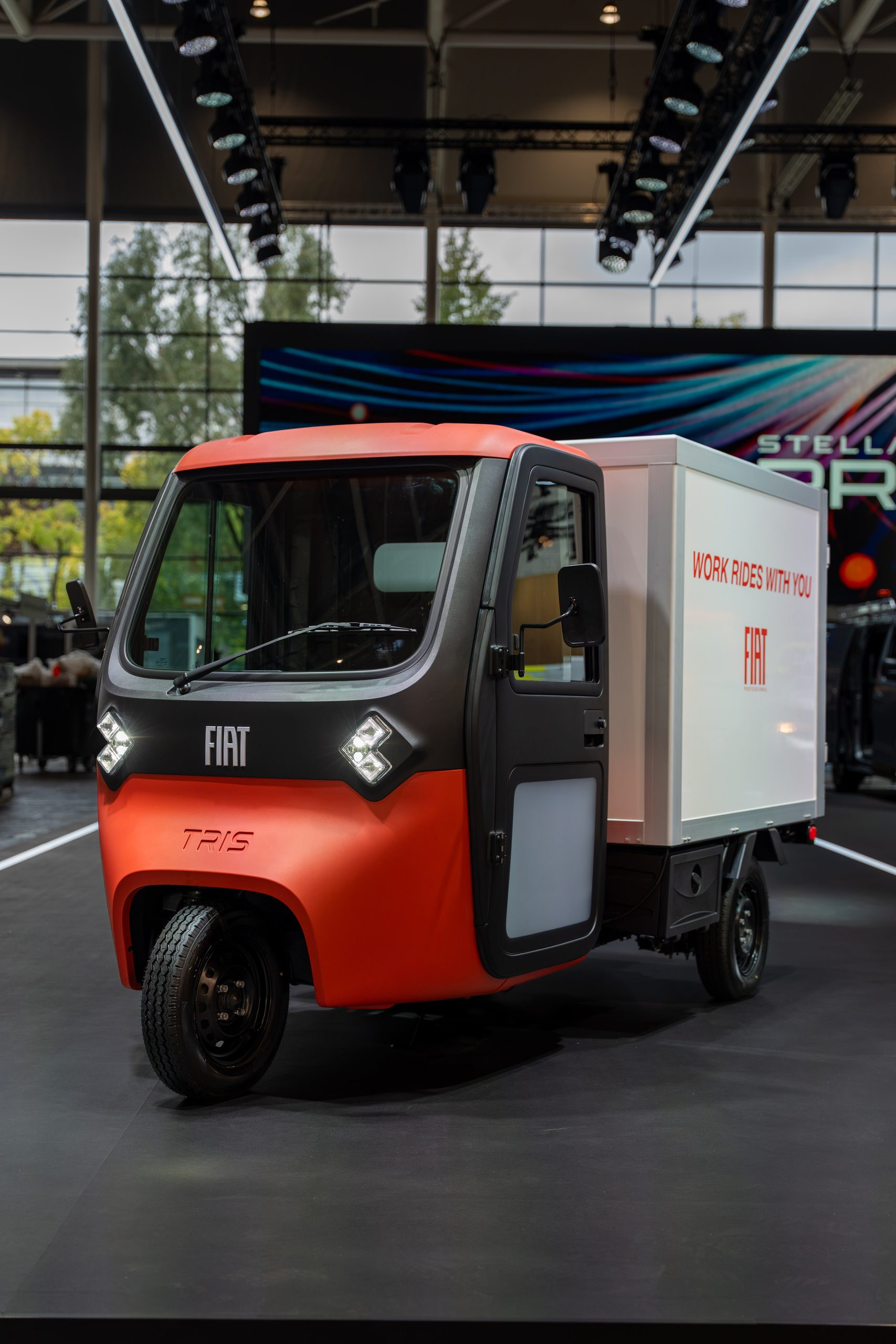
Fiat TRIS Is an Electric Three-Wheeler Built to Carry 540 KG – and It Doesn’t Even Need a Charging Station

The most interesting new Fiat at the IAA Transportation show wasn’t particularly fast, luxurious or technologically intimidating.
It also had only three wheels.
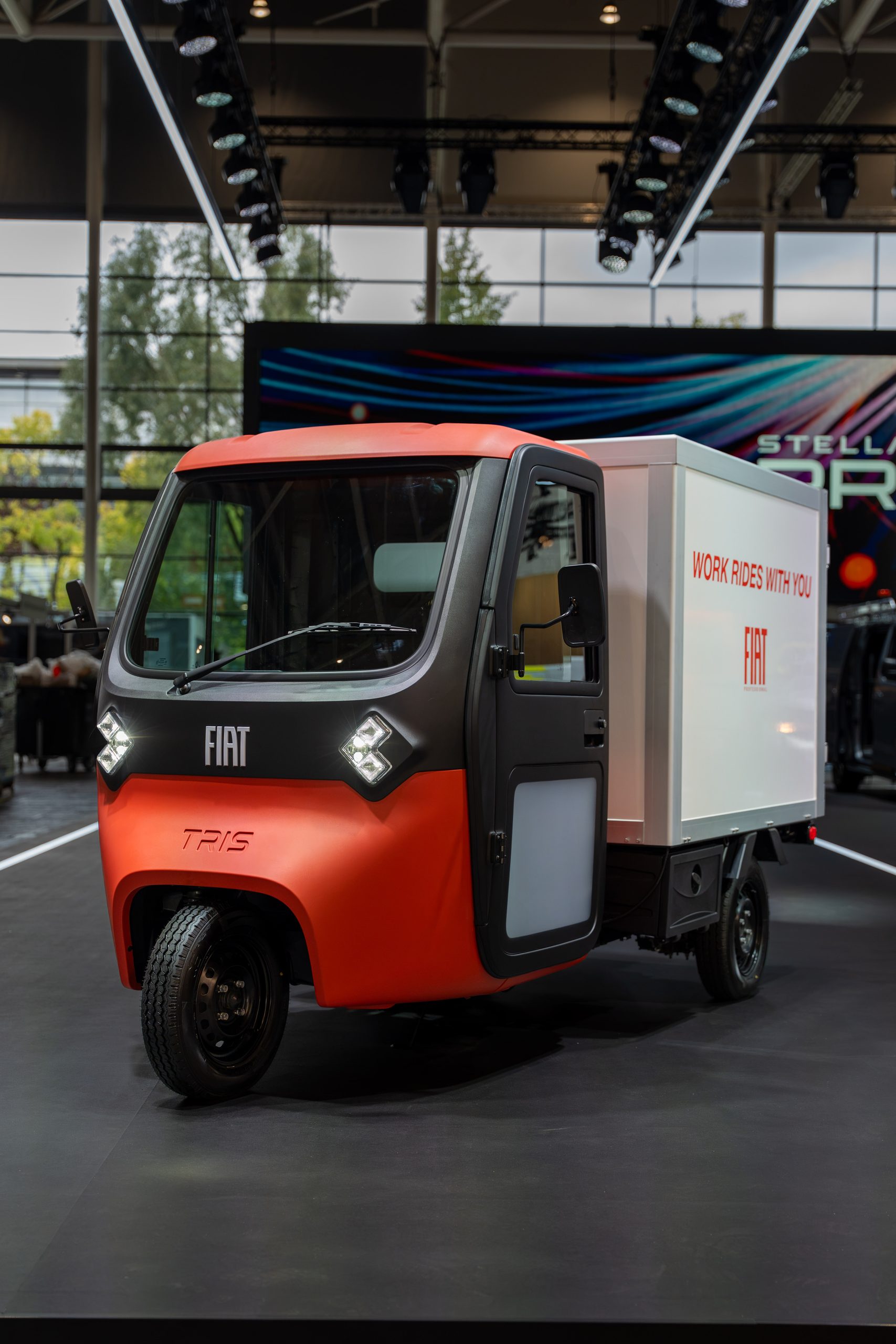
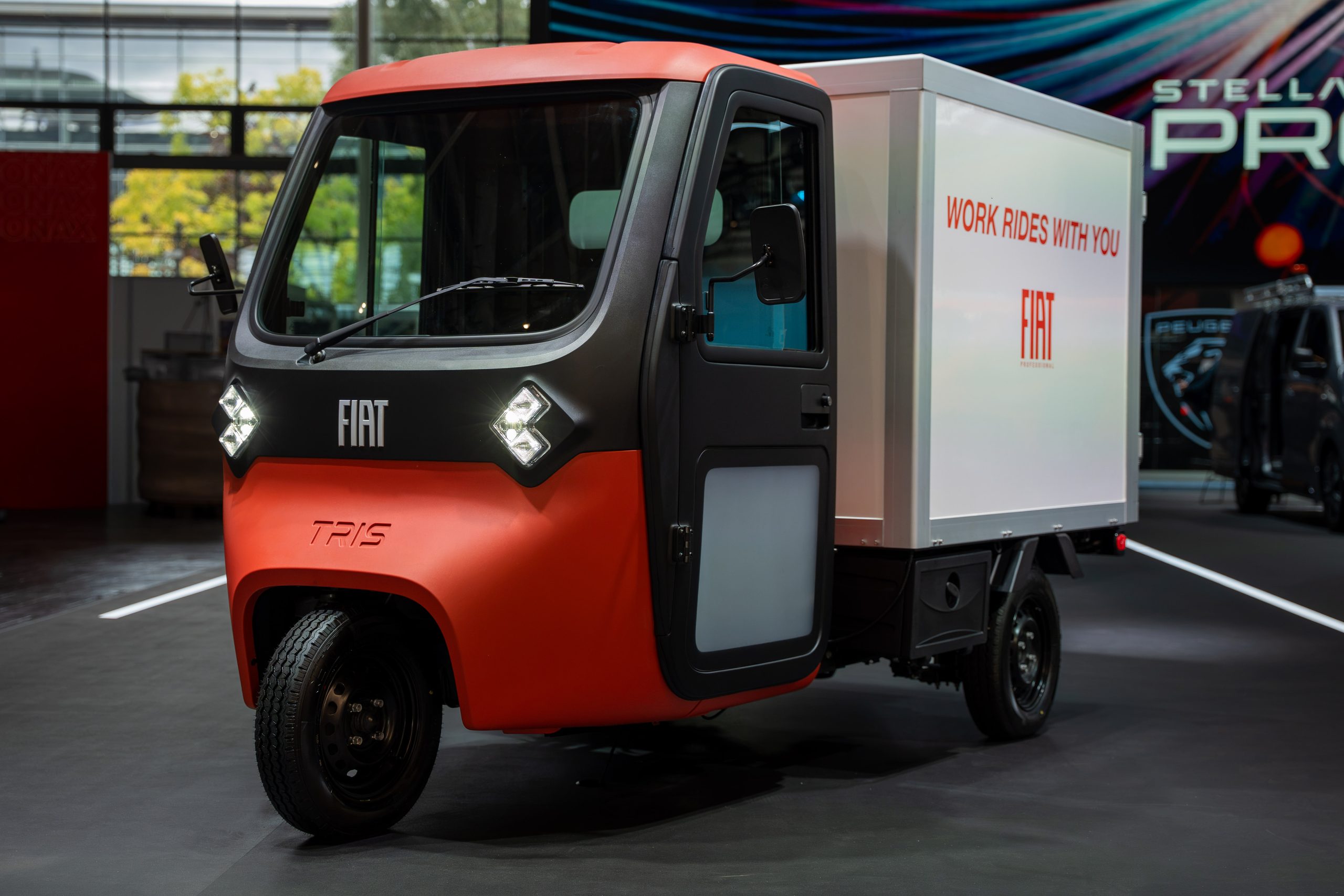
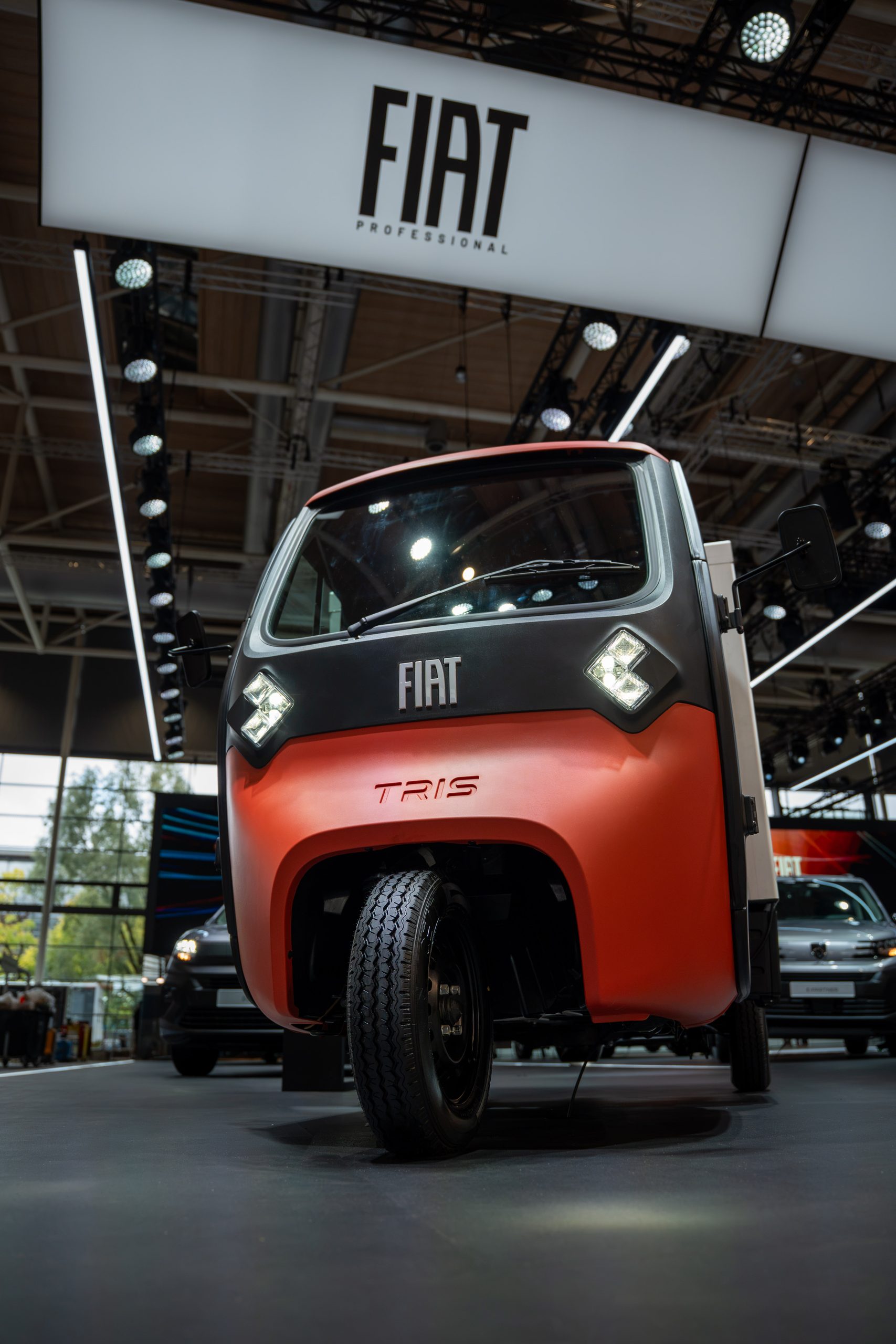
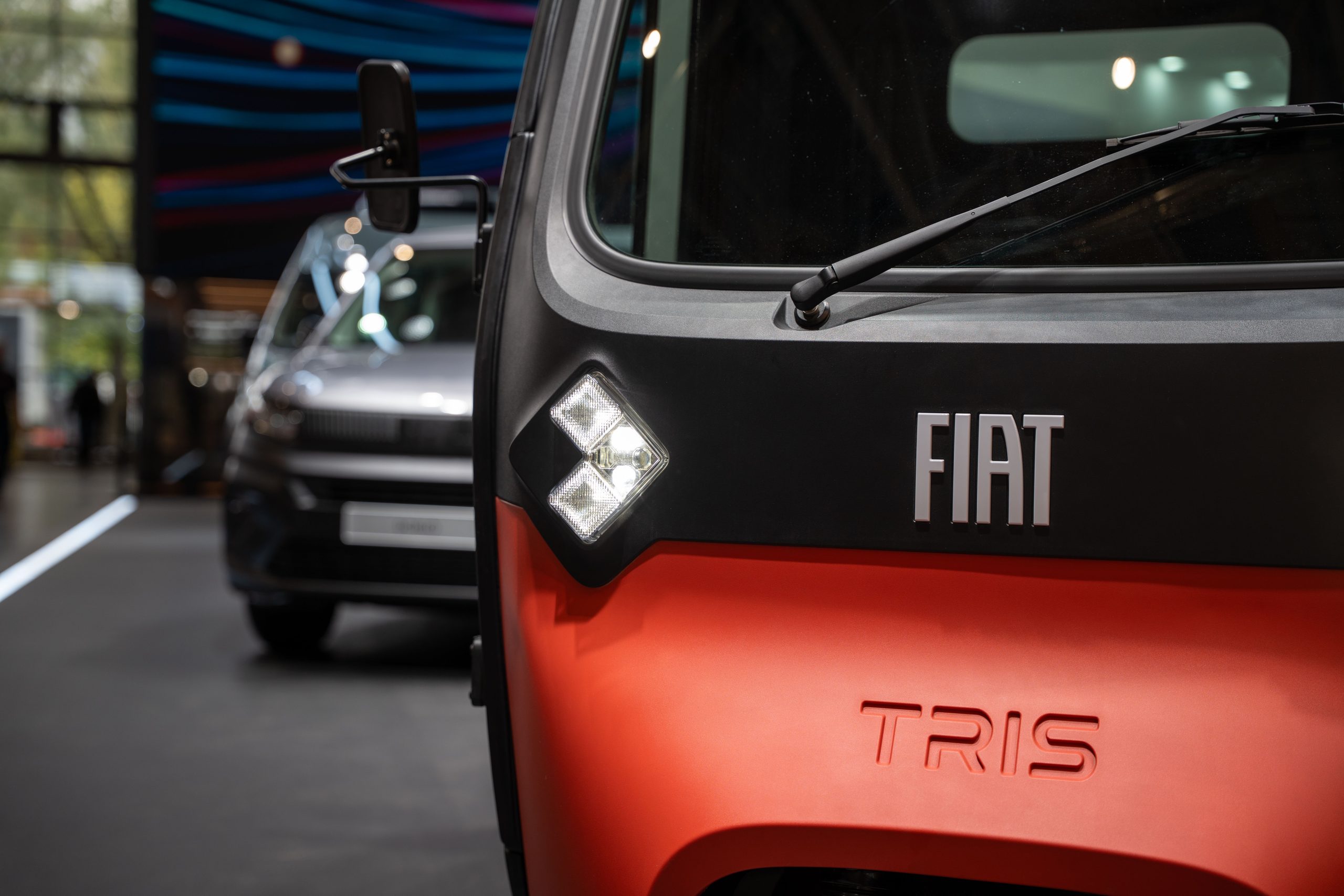
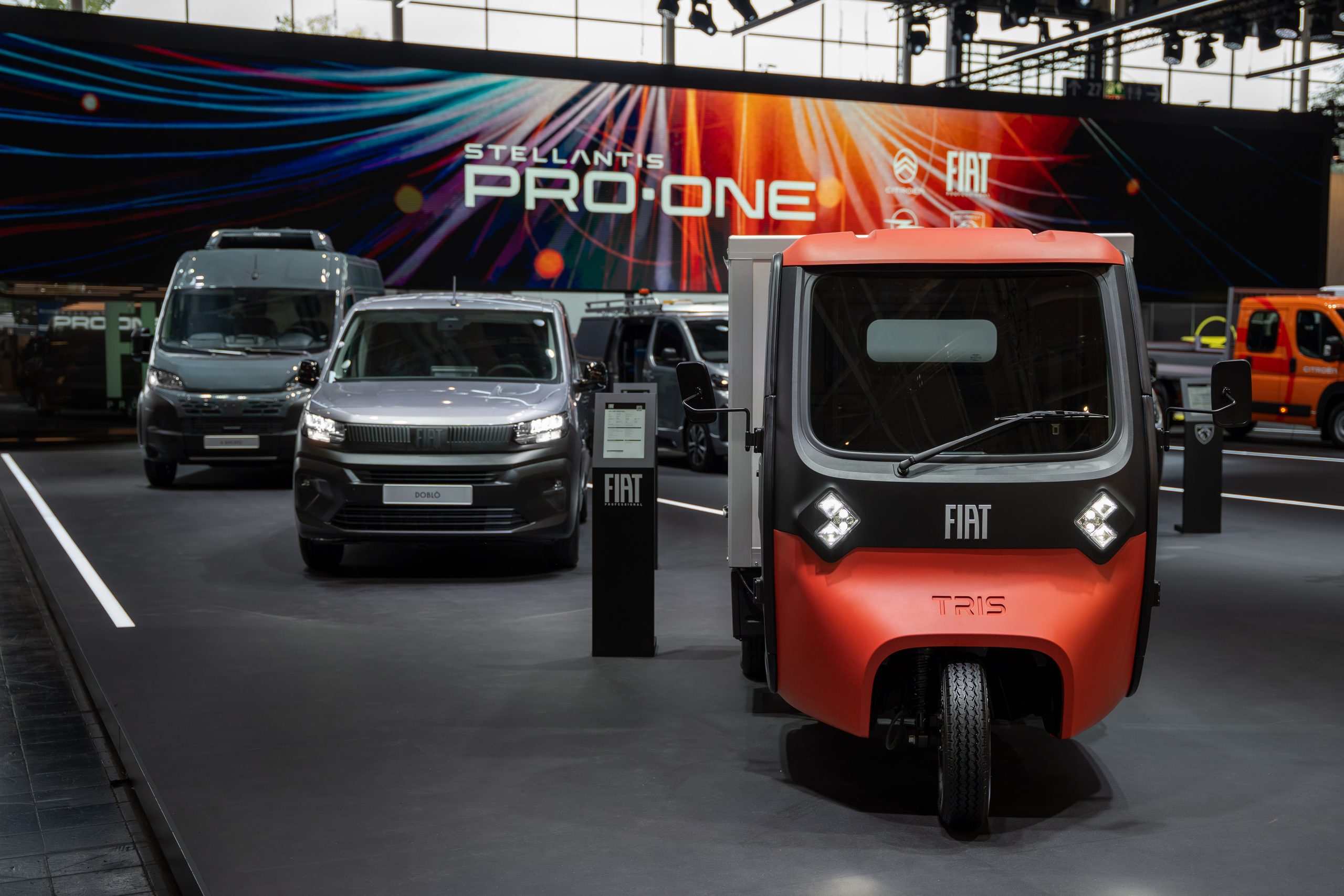
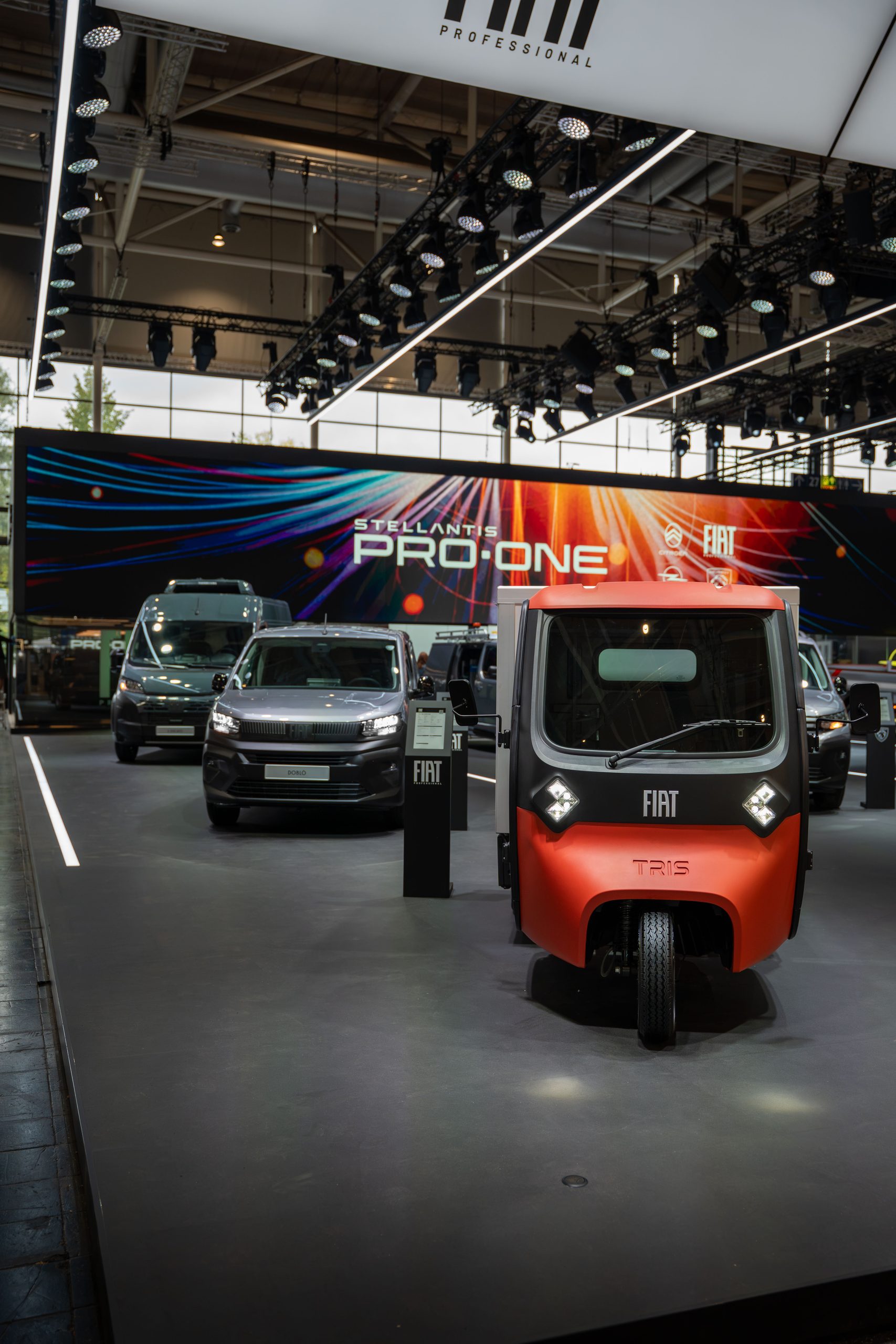
The Fiat Professional TRIS is an electric commercial vehicle designed for short-distance deliveries and small businesses, and its specifications make considerably more sense once you stop comparing it with a conventional van.
Fiat Professional TRIS Electric Three Wheeler
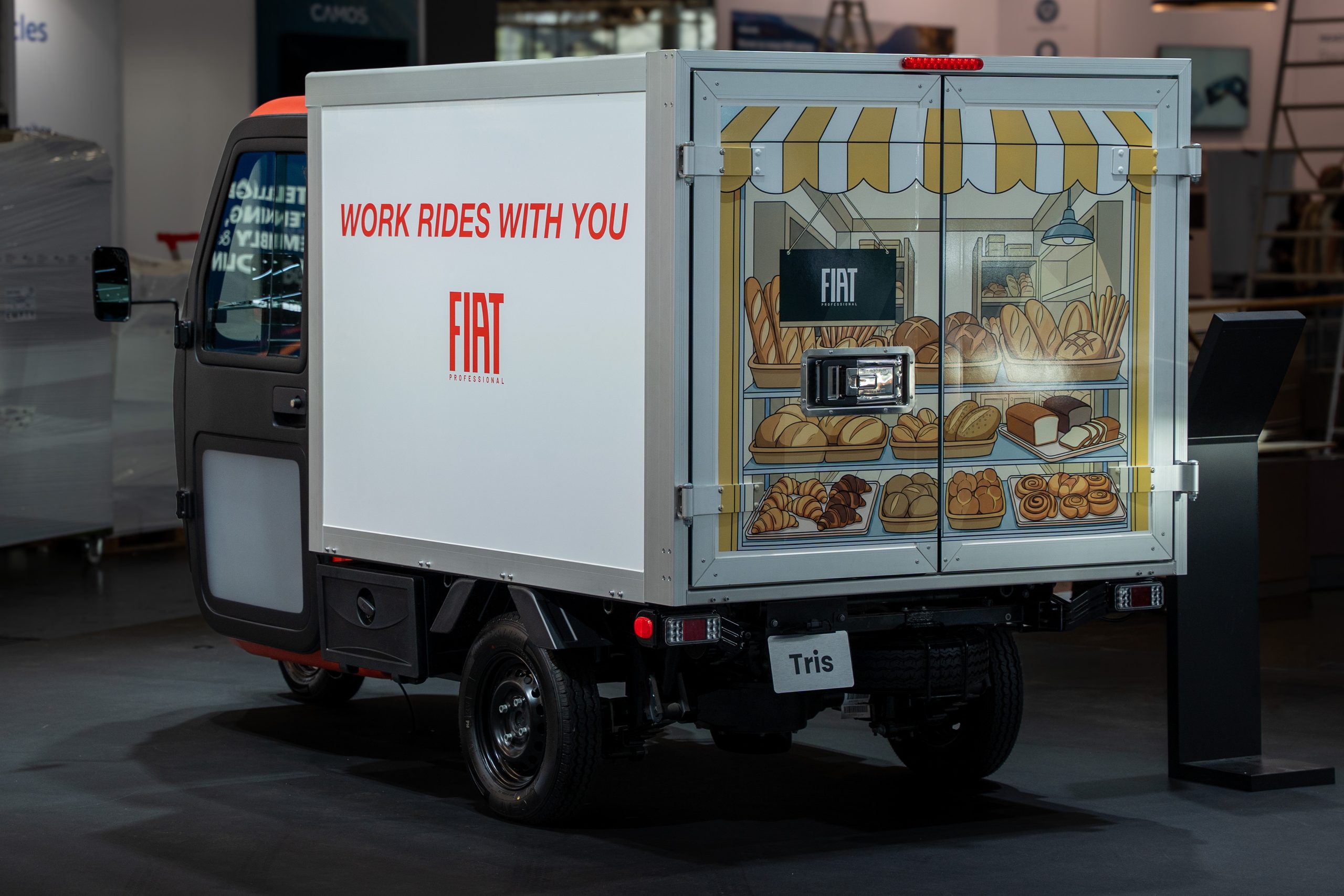
TRIS is just 3.17 meters long, which means it occupies considerably less road space than a normal light commercial vehicle. More importantly, Fiat has managed to give the tiny machine a 540-kg payload capacity.
That’s a serious amount of cargo for something this small.
The rear platform measures roughly 2.25 square meters and Fiat plans three configurations: chassis-cab, flatbed and pickup. The idea isn’t to replace a Ducato travelling hundreds of motorway kilometers every day. It’s to handle the short urban journeys where using a full-size van can feel rather ridiculous.
Think local deliveries, maintenance businesses, markets, hotels or companies moving equipment around crowded city centers.
Power comes from a 6.9-kWh battery, providing a claimed 90 km of WMTC range. Again, 90 km looks unimpressive if you approach the TRIS like an electric passenger car.
Fiat Professional TRIS Electric Three Wheeler
For its intended job, the number deserves a different interpretation.
Many last-mile vehicles repeatedly cover relatively short routes and return to the same base. Carrying an enormous battery around all day would increase weight, price and charging requirements without necessarily helping the business using it.
Fiat has made charging deliberately uncomplicated too.
TRIS includes an integrated 220-volt charging system, meaning it can be plugged directly into an ordinary domestic socket without requiring a dedicated external charger. Fiat says a 0–80 percent charge takes approximately 3.5 hours, while a complete charge takes 4 hours and 40 minutes.
That may be its cleverest feature.
Commercial electrification often comes with discussions about depot infrastructure, high-power chargers and expensive electrical upgrades. TRIS effectively asks for a wall socket.
Performance is appropriately modest. Top speed is 45 km/h, which immediately rules out pretending this is a tiny motorway van. But that also tells you exactly what Fiat is building.
Fiat Professional TRIS Electric Three Wheeler
This is urban equipment.
The IAA appearance is particularly significant because TRIS was originally introduced with emerging markets in mind. Showing it alongside Fiat Professional’s conventional European commercial vehicles suggests the company sees a broader role for ultra-compact electric transport.
There will obviously be places where it makes no sense. Ninety kilometers of range and 45 km/h are severe limitations outside dense urban environments.
Inside them, however, the question changes.
Why send a two-tonne van carrying one person and a handful of parcels through narrow streets if something much smaller can carry more than half a tonne?
The TRIS isn’t trying to make electric commercial vehicles exciting. It’s trying to make them cheap and useful.
For something designed to work for a living, that’s probably the better objective.


More Stories
2027 Lexus RZ Arrives With Up to 301 Miles of Range, 402 Horsepower, and a $47,495 Starting Price
Lexus is keeping its all-electric luxury SUV competitive with the introduction of the 2027 Lexus RZ, bringing back the improved...
Toyota Tests New 2.0-Liter Inline-Four Engine in GR86, Hinting at a Big Change for Its Sports Car
Toyota is experimenting with something that could completely change the future of its popular GR86 sports car. During the latest...
2027 Infiniti QX65 Invoice Price, Dealer Cost, and What You Should Pay
The 2027 Infiniti QX65 is an all-new model, the brand’s first fastback coupe-style SUV since the original FX lineup that...
2027 Hyundai Sonata Invoice Price, Dealer Cost, and What You Should Pay Near You
The Hyundai Sonata has quietly become one of the most compelling mid-size sedans on sale in the United States, offering...
2028 Mitsubishi Outlander Diamond Trail Edition Revealed With Rugged Off-Road Upgrades for SEMA
Mitsubishi is getting serious about the growing demand for adventure-ready SUVs, revealing the new 2028 Outlander Diamond Trail Edition ahead...
2027 Jeep Gladiator Gets Factory 35-Inch Tires With New Limited-Edition Off-Road Package
Jeep is finally giving Gladiator enthusiasts something they’ve been asking for since the truck first arrived. The 2027 Jeep Gladiator...