
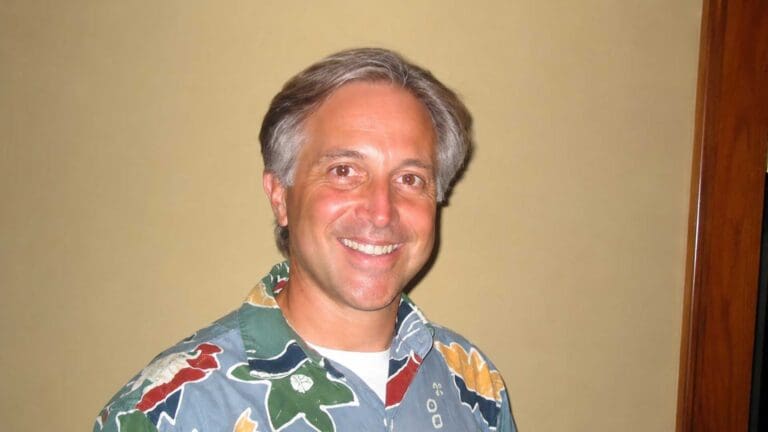
Edward Witt on Medicine, Recovery, Hockey, and a Career Built Around People

Born and raised in Erie, Pennsylvania, Witt grew up in a close-knit environment and attended Catholic schools for 12 years, including an all-boys preparatory school. Hockey became one of his earliest passions. He began playing at five years old, spent much of his youth on travel teams, earned an MVP award, played Junior A hockey, and later received a college scholarship. The discipline and teamwork he learned through the sport would continue to influence him throughout his adult life.
Medicine eventually became his professional focus. After completing medical school and a Family Practice residency, Witt went on to practise for roughly 30 years. His career included work with Huntsville Hospital, Crestwood Hospital, and Maryvale Hospital in Phoenix. He later moved into clinic ownership and operated several practices, including Southcare Clinic and Recovery Center.
Much of Witt’s later work centred on addiction recovery. He worked closely with patients during early sobriety, helping them build stability and remain connected to the support they needed. He says that trust, consistency, and treating people with dignity were central to the way he approached patient care, especially when working with people during difficult and uncertain periods in their lives.
Outside medicine, Witt has remained closely connected to hockey and music. He coached hockey after his playing years and continues to stay involved with the sport. In Huntsville, he also became known as the “Rock Doc,” providing medical care for visiting musicians and touring performers. That role allowed him to combine his medical background with a passion for music that began during childhood.
Now retired, Edward Witt still owns the Recovery Center and occasionally helps when needed. He spends his time enjoying hockey, music, golf, trail-bike riding, and life with his wife, Tatjana.
You spent around 30 years practising medicine. What first drew you to that career?
I always liked the idea of helping people in a direct and practical way, and medicine gave me the chance to do that every day. It also challenged me constantly because no two patients are exactly alike, and every situation requires you to pay attention to the person in front of you.
What kept me interested over the years was the relationship side of medicine. You can know the science and understand the clinical side, but patients also need to trust you. I always tried to listen, explain things clearly, and treat people the way I would want someone to treat my own family.
How did owning your own clinics change the way you thought about patient care?
Owning a clinic gave me a different perspective because I was responsible for much more than the medical side. I had to think about the entire patient experience, from the first conversation to follow-up care and everything in between.
Customer service became very important to me because people remember how you speak to them, whether they feel respected, and whether they believe you genuinely care. I tried to build my clinics around that idea. You can have excellent medical knowledge, but if people do not feel comfortable coming back, asking questions, or being honest with you, then something important is missing from the relationship.
Why did addiction recovery become such a meaningful part of your work?
Recovery work showed me how vulnerable people can be during the early stages of sobriety. There are times when someone is trying to change their entire life, and they need a support system around them that is dependable and willing to stay involved.
I have seen people come in when they were struggling badly and then begin to rebuild their lives one step at a time. Being able to help someone stay sober, stay alive, and keep moving forward is incredibly meaningful. You also learn quickly that addiction does not fit one stereotype, because every person comes in with a different history, different challenges, and different reasons for wanting to recover.
That work reinforced something I already believed about medicine, which is that people need to feel seen as individuals. Sometimes listening carefully and being consistent can make as much of a difference as anything else you do.
What did hockey teach you that carried over into your medical career?
Hockey taught me discipline very early. I started playing when I was five, and I spent a large part of my childhood travelling, practising, and competing at a high level. I played on travel teams, earned an MVP award, played Junior A, and eventually received a college scholarship.
You learn quickly that talent matters, but preparation matters just as much. You have to show up, practise, work with other people, and keep going after setbacks. Those lessons applied directly to medicine because there were long hours, difficult cases, stressful situations, and moments when you had to stay focused even when you were tired.
Hockey also taught me teamwork. In medicine, just like in sports, you are rarely doing everything alone. You depend on nurses, staff, colleagues, patients, and families, and everyone has a role in getting the best possible result.
I still love the sport and stay connected to it because it has been part of my life for so long. It has given me friendships, opportunities, and experiences that I continue to value today.
Music has also played an unusual role in your career. How did you become known as the “Rock Doc”?
I have loved music since I was young. I played piano and spent time playing in rock bands, so I already had that interest long before medicine became my career.
When entertainers came through Huntsville, I had opportunities to provide medical care for them, and over time I ended up working with a wide range of musicians and touring acts. It was a unique experience because it brought together two things I genuinely enjoyed. I could be a physician while also being around the music world, which was something I never would have predicted when I was younger.
I have had the chance to meet and care for some remarkable performers, but for me the approach was always the same. They were patients first, and the goal was to take care of them properly so they could get back to doing their work.
Do you think your background in sports and music helped you relate to patients differently?
I think it did because both sports and music expose you to a wide variety of personalities and experiences. Hockey taught me how to work with people under pressure, while music introduced me to creative people who often lived very different lives from the patients I saw in a traditional clinic.
Those experiences made me more comfortable meeting people where they were. I never wanted someone to feel that they had to fit a certain mould before I would listen to them or take them seriously.
That became especially important in recovery medicine, where judgement can create distance very quickly. I always believed that if you want someone to trust you, you have to start by treating them with respect.
What are you most proud of when you look back on your career?
I am proud of the clinics I built and the years I spent practising medicine, but I am probably most proud of the people I was able to help. There are patients who came through very difficult periods and were able to keep moving forward, and knowing I played some part in that means a great deal to me.
I also value the relationships I built with staff, colleagues, athletes, musicians, and patients. Careers are made up of accomplishments, but they are also made up of people, and those relationships are what stay with you.
You are retired now. What does this stage of life look like for you?
Retirement has given me more time to enjoy the things that have always mattered to me. I still own Recovery Center and occasionally help when needed, so I have not completely stepped away from the work.
I enjoy hockey, music, golf, and riding trail bikes, and I also value spending time with my wife, Tatjana. After a long career, I think you begin to appreciate relationships even more because you realise how quickly the years move.
I am proud of what I was able to build professionally, but I am equally grateful for the people I met and the experiences I had along the way. At this point, I want to stay active, enjoy life, remain connected to the things I care about, and continue helping people whenever I have the opportunity.

More Stories
Hate the new Jaguar? Good. That’s rather the point
Most Sunday mornings in winter, I can be found in a cold garage doing what owners of classic cars do...
Beyond the Microphone: British Comedians Who Became Directors and Presenters
Stephen Merchant co-created The Office and went on to write and direct for the cinema. Simon Amstell writes and directs...
Top 10 Best Hair Transplant Doctors in Turkey: A 2026 Guide to Surgeons
This guide names the top 10 best hair transplant doctors in Istanbul for 2026 and explains, in plain terms, how...
How to Choose an HR System for a Growing UK Business
For a while, email and spreadsheets seem good enough. Then managers start asking where the latest file is, staff have...
Top 10 Best Hair Transplant in Turkey
Turkey has become one of the world’s most familiar destinations for hair restoration, with Istanbul attracting patients from Europe, the...
How to Register a Company in Hong Kong in 2026: A Guide for UK SMEs
You can register a company in Hong Kong remotely, but plan tax, banking and compliance before you start. Why UK...