
How to Compare CBD Flower Quality: Growing Method, Freshness, Aroma and Batch Testing

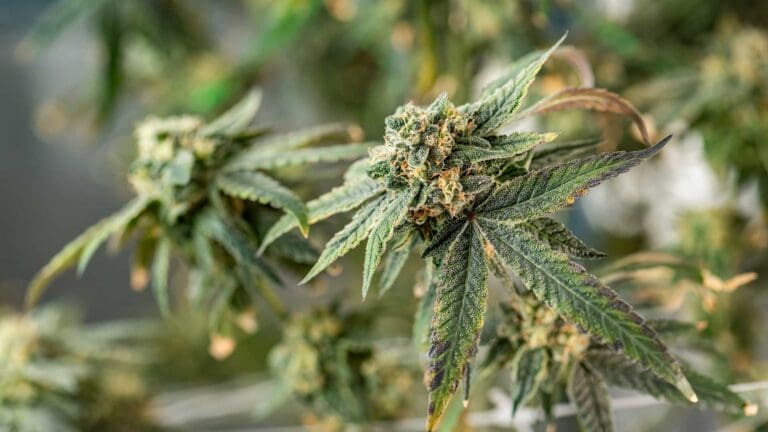
Growing method, harvest handling, storage, aroma, moisture, trimming and batch testing can all influence how a flower looks, smells and holds up over time.
For customers comparing cbd flower online, the most useful approach is to look beyond a strain name or headline CBD percentage and assess the product as a whole. A well-presented flower should come with enough information to understand where it came from, how it was grown and what was found when the batch was tested.
Start With the Growing Method
One of the first things worth checking is whether the flower was grown indoors, in a greenhouse or outdoors under natural sunlight.
Indoor-grown CBD flower
Indoor cultivation gives growers a high level of control over variables such as temperature, humidity, lighting and airflow. This can help produce consistent flowers with good structure and a carefully managed finish.
Indoor cultivation is also usually more resource-intensive. Lighting, climate control and ventilation all add to production costs, which is one reason indoor flower can command a higher retail price.
That does not automatically mean indoor flower is always better. The individual grow, genetics, harvest and curing process still matter.
Greenhouse-grown CBD flower
Greenhouse cultivation sits somewhere between indoor and outdoor growing.
Plants benefit from natural sunlight while still being protected by a controlled growing structure. Depending on the facility, growers may also supplement lighting, temperature and airflow.
Good greenhouse flower can offer an excellent balance between appearance, aroma and value. It is often worth considering for customers who want a high-quality product without necessarily paying the premium associated with fully indoor cultivation.
Sun-grown CBD flower
Sun-grown flower is cultivated outdoors using natural sunlight.
Outdoor growing can produce excellent results when the genetics are well suited to the climate and the crop is managed properly. Sun-grown flower may have a different structure and appearance from indoor flower, but that should not automatically be interpreted as lower quality.
The important point is that growing method tells you how the plant was cultivated. It does not, by itself, tell you whether the finished flower is good.
Freshness Matters More Than Many Buyers Realise
Even high-quality flower can deteriorate if it is stored poorly or kept for too long.
Fresh CBD flower should generally retain its natural aroma and structure without feeling excessively dry or brittle.
Flower that has lost too much moisture can become crumbly, while overly damp material can create storage problems of its own. Good storage aims to protect the product from unnecessary exposure to heat, light, air and excessive humidity.
Packaging also matters.
A product stored in suitable airtight packaging is better protected than flower left exposed to air for long periods. Once opened, customers should also avoid leaving flower sitting in direct sunlight or in hot environments.
When buying online, useful signs of good stock management include:
clear product information
regularly updated availability
identifiable strains or batches
appropriate packaging
access to current laboratory information
A retailer that continually rotates stock and updates its catalogue is generally in a better position to supply fresher product than one carrying old inventory indefinitely.
Aroma Can Tell You Something, But Not Everything
Aroma is one of the first things people notice when opening a bag of flower.
Cannabis and hemp plants naturally produce aromatic compounds known as terpenes. Different genetics can produce noticeably different profiles, ranging from citrus and fruit through to pine, earth, fuel, herbs and spice.
A strong and distinctive aroma can indicate that the flower has retained more of its volatile aromatic compounds during drying and storage.
However, aroma should not be used as the sole measure of quality.
A subtle-smelling flower is not automatically poor, and an extremely strong smell does not prove that the underlying product is superior.
Customers should consider aroma alongside other factors, including:
genetics
growing method
visual condition
freshness
batch information
laboratory testing
It is also worth being cautious when a product’s smell seems unusually intense or inconsistent with the listed strain. Transparency about ingredients and processing is important.
Look at Flower Structure and Trim
Appearance is useful, although it should not be treated like a beauty contest.
Flower can naturally vary depending on genetics and how it was grown. Some strains produce dense compact buds, while others have a lighter or more open structure.
Indoor flowers often appear tighter and more uniform, whereas outdoor varieties can look slightly more natural or irregular.
Trim quality is another factor.
A carefully trimmed flower should generally have excessive leaf material removed while leaving the bud intact. Poorly handled flower may contain unnecessary stalk or leaf matter.
At the same time, an extremely polished appearance should not be mistaken for proof of quality. Some of the most important characteristics of a flower cannot be seen in a photograph.
That is where product information and testing become important.
Do Not Judge Quality From CBD Percentage Alone
One of the easiest mistakes to make is choosing flower purely because one product advertises a higher CBD percentage.
Cannabinoid concentration is useful information, but it is not a complete quality measurement.
A higher number does not necessarily mean:
fresher flower
better genetics
stronger aroma
superior cultivation
better storage
more thorough testing
Two flowers with similar CBD percentages can look, smell and feel completely different because of genetics, terpene profiles and cultivation methods.
Percentages should therefore be treated as one part of the product specification rather than a ranking system.
Batch Testing Is One of the Most Important Checks
Laboratory testing is where customers can move beyond marketing descriptions and look at measurable information about a batch.
A useful laboratory report should clearly identify the sample that was tested.
Customers should look for information such as:
sample or batch identification
laboratory name
date received
date tested
cannabinoid results
units used in the report
testing methodology where provided
One of the biggest mistakes customers make is seeing a laboratory report and assuming that every possible test has been carried out.
That is not necessarily the case.
A cannabinoid analysis may tell you about cannabinoids, but it does not automatically mean the sample has also been screened for pesticides, heavy metals, microbiological contamination or other substances.
Always check what the report actually covers.
Make Sure the Laboratory Report Matches the Product
A laboratory report is most useful when there is a clear connection between the report and the product being sold.
That connection may be established through a batch number, sample reference, strain name or other identifying information.
If the connection is unclear, customers should ask the retailer which report relates to the current batch.
This becomes increasingly important when products are restocked regularly. A report from an older batch may not accurately describe a newer harvest.
Good retailers should be able to explain which laboratory document relates to the flower currently being sold.
Origin and Genetics Are Worth Checking
Knowing where a flower was grown can give customers additional context.
The United States, Switzerland and other European countries all have established hemp cultivation industries, but quality varies within every country.
The name of the country alone does not guarantee anything.
It is more useful when the retailer provides details such as:
country of cultivation
indoor, greenhouse or sun-grown method
breeder or genetics where known
strain lineage
current batch information
Genetics can also explain why two products look and smell very different even when their cannabinoid results appear similar.
Compare Like With Like
Price comparison should also be done carefully.
A 3.5g pack cannot be directly compared with a 14g pack simply by looking at the total price.
Compare the same weight, and then consider the other information available about each product.
A cheaper flower can still represent excellent value, while a more expensive flower should ideally offer a clear reason for the higher price, whether that is cultivation method, genetics, smaller-scale production or another identifiable characteristic.
Quality Is a Combination of Factors
There is no single number or visual feature that defines good CBD flower.
The most useful assessment combines several factors:
Growing method tells you how the plant was cultivated.
Freshness tells you how well the product has been handled and stored.
Aroma provides clues about genetics and terpene preservation.
Appearance and trim help assess how the flower was processed.
Batch testing provides measurable information about the product.
Origin and genetics provide context about what you are buying.
The strongest products are usually those where these factors are supported by clear information rather than marketing claims alone.
Consumers increasingly want to know more than a strain name and CBD percentage. They want to understand how a flower was grown, where it came from, what the batch contains and whether the information being provided can actually be checked.
That level of transparency makes it much easier to compare products properly and choose based on the characteristics that matter most to the individual buyer.


More Stories
Hate the new Jaguar? Good. That’s rather the point
Most Sunday mornings in winter, I can be found in a cold garage doing what owners of classic cars do...
Beyond the Microphone: British Comedians Who Became Directors and Presenters
Stephen Merchant co-created The Office and went on to write and direct for the cinema. Simon Amstell writes and directs...
Top 10 Best Hair Transplant Doctors in Turkey: A 2026 Guide to Surgeons
This guide names the top 10 best hair transplant doctors in Istanbul for 2026 and explains, in plain terms, how...
How to Choose an HR System for a Growing UK Business
For a while, email and spreadsheets seem good enough. Then managers start asking where the latest file is, staff have...
Top 10 Best Hair Transplant in Turkey
Turkey has become one of the world’s most familiar destinations for hair restoration, with Istanbul attracting patients from Europe, the...
How to Register a Company in Hong Kong in 2026: A Guide for UK SMEs
You can register a company in Hong Kong remotely, but plan tax, banking and compliance before you start. Why UK...