
Locked Out: What Actually Happens, and How Not to Overpay

Knowing in advance what a competent locksmith will actually do, and roughly what it should cost, turns a stressful scramble into a manageable inconvenience, and it is the best protection there is against being overcharged in the moment.
The single most useful thing you can do about a lockout is understand it before it happens, because the doorstep, cold and flustered, is the worst place to start learning. LocksmithLocal attends lockouts constantly, and the reassuring reality is that the overwhelming majority are resolved quickly and without damage to your door. The horror stories that make the news are the exception, not the rule, and they almost always share the same avoidable features, which means knowing the normal process is most of the defence.
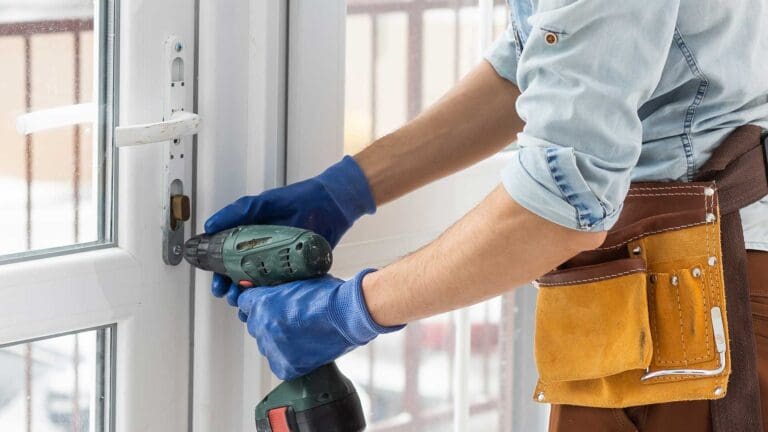
The first thing worth knowing is that a good locksmith opens most doors without destroying anything. Non-destructive entry is a core skill of the trade, a set of techniques for manipulating a lock open so that it still works perfectly afterwards and you are not left needing a new one. For the common situation of a door that has simply latched behind you, or a standard lock you are shut out of, a trained locksmith expects to get you back in without drilling and without a replacement. If someone reaches for a drill as their opening move on an ordinary lockout, that is a signal something is wrong, because destruction should be the last resort, not the first.
Drilling does have its place, and it is worth being fair about that so you can tell a legitimate case from a scam. Occasionally a lock is genuinely beyond non-destructive entry, because it has failed internally, seized solid, or is a high-security type that resists manipulation by design. In those cases drilling is the correct answer, and an honest locksmith will explain clearly why non-destructive entry will not work before starting, and what it will mean for replacement. The difference between honest drilling and the rogue kind is transparency. One is explained and justified; the other appears immediately and quietly turns a simple job into an expensive one.
Price is where people feel most vulnerable, so it helps to know how honest pricing is structured. A straightforward, transparent locksmith gives you a clear idea of the cost before they travel, usually a call-out or labour charge plus the price of any parts genuinely needed. The figure should be given up front and should not transform once they are on your doorstep and you are committed. What you are paying for is skill and speed and the tools to get you in without damage, and a fair price reflects that honestly. Vagueness about cost before arrival is the warning sign, because a locksmith who will not commit to a number on the phone often has a reason.
The classic overcharging scam follows a script, and recognising it is your best defence against it. It starts with a suspiciously low price on the phone, low enough to win the job over more honest competitors. Then, once the locksmith is at your door and you feel committed, the job mysteriously becomes complicated. The lock supposedly has to be drilled, parts have to be replaced, and the final bill bears no relation to the quote. National reporting has repeatedly exposed exactly this bait-and-switch pattern. The tell is the gap between the phone price and the doorstep price, and the pressure applied to make you accept it before you can think.
You keep far more power in that moment than the situation makes you feel, and it is worth remembering. You are entitled to ask for the full price before any work begins, to ask why a lock needs drilling when non-destructive entry is usual, and to decline and call someone else if the answers do not satisfy you. A locksmith knowing where you live can feel like a hold over you, but it does not remove your right to refuse an unfair charge. Slowing down, asking direct questions, and being willing to walk away are exactly the behaviours a rogue operator is counting on you being too flustered to attempt.
The best protection, though, is arranged before you ever need it, and it costs nothing to set up. Spend ten minutes now, while nothing is wrong, finding a reputable local locksmith. Check that they are accredited and insured, look for a genuine local presence rather than an anonymous national number, and save their contact somewhere you can reach it even when locked out of the house, in your phone or with a trusted neighbour. When the lockout comes, and eventually it will, you make one call to someone you already trust instead of gambling on the fastest-appearing result in a panicked search.
A lockout is genuinely one of the more solvable emergencies life throws at you, provided you are not exploited while it is happening. The normal course of events is quick, non-destructive, fairly priced and over within the hour. The scam version depends entirely on catching you unprepared, uninformed and rushed. Knowing that non-destructive entry is the norm, that drilling should be explained rather than sprung on you, and that the price should be clear before anyone travels, strips the scam of its power. Line up an accredited locksmith before you need one, and a lockout becomes what it should be: a minor annoyance, not a costly ordeal.


More Stories
Hate the new Jaguar? Good. That’s rather the point
Most Sunday mornings in winter, I can be found in a cold garage doing what owners of classic cars do...
Beyond the Microphone: British Comedians Who Became Directors and Presenters
Stephen Merchant co-created The Office and went on to write and direct for the cinema. Simon Amstell writes and directs...
Top 10 Best Hair Transplant Doctors in Turkey: A 2026 Guide to Surgeons
This guide names the top 10 best hair transplant doctors in Istanbul for 2026 and explains, in plain terms, how...
How to Choose an HR System for a Growing UK Business
For a while, email and spreadsheets seem good enough. Then managers start asking where the latest file is, staff have...
Top 10 Best Hair Transplant in Turkey
Turkey has become one of the world’s most familiar destinations for hair restoration, with Istanbul attracting patients from Europe, the...
How to Register a Company in Hong Kong in 2026: A Guide for UK SMEs
You can register a company in Hong Kong remotely, but plan tax, banking and compliance before you start. Why UK...