
Volkswagen Mission Efficiency EV Pushes Nearly 900 Miles of Range With Record-Setting Aerodynamics

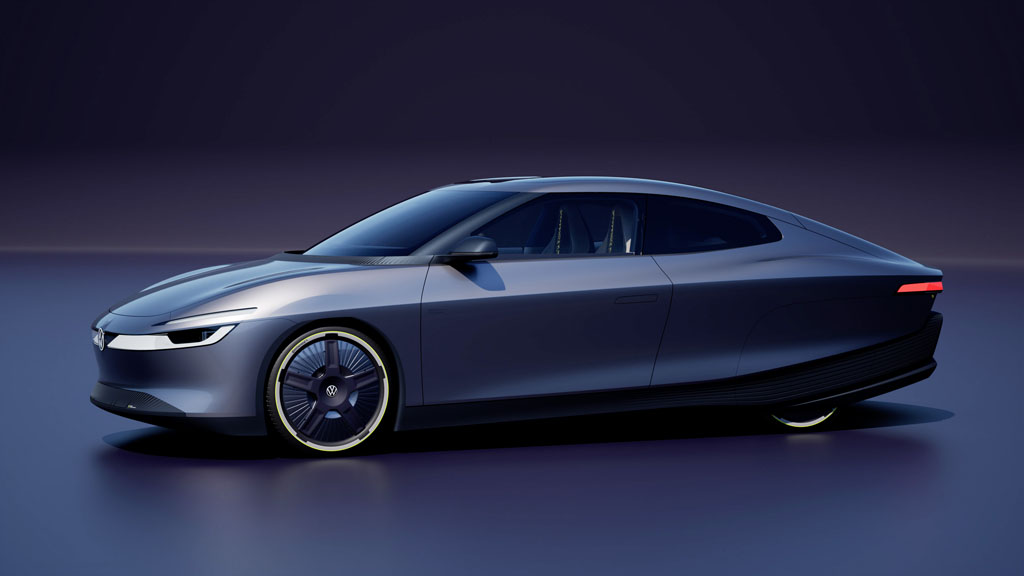
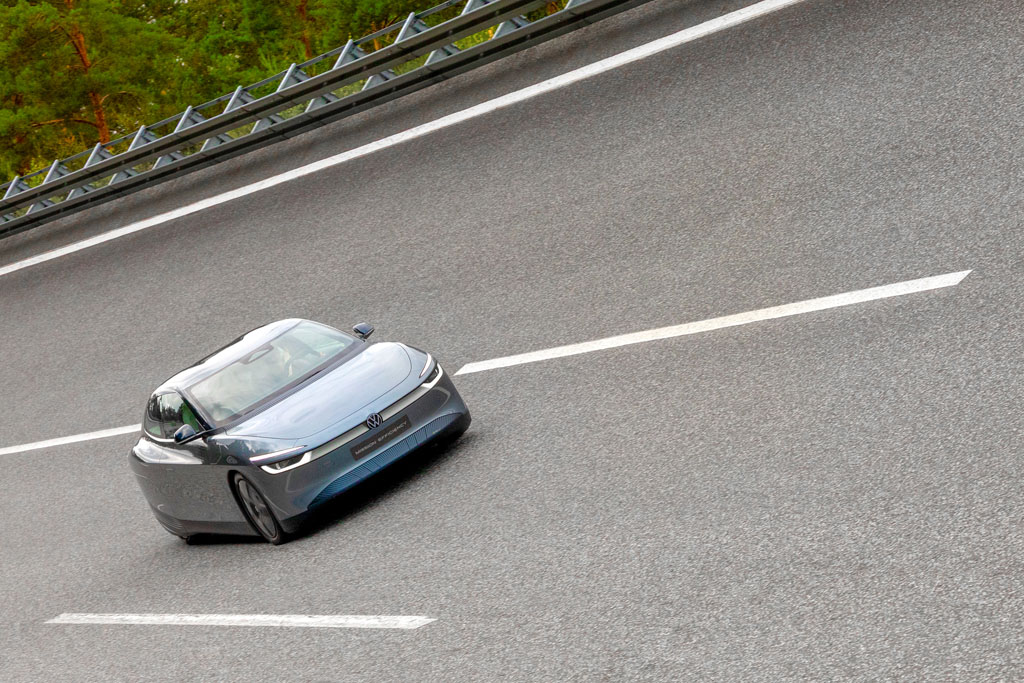
Volkswagen has a new electric concept that looks like it was shaped almost entirely by airflow, and that is not far from the truth. Called the Mission Efficiency, the experimental EV was created to see just how far Volkswagen could stretch range using mostly production-based hardware rather than an oversized battery. The headline number is remarkable. During a documented road trip from Wolfsburg, Germany, to Vienna, Austria, the car covered 794 miles and still showed 102 miles of remaining range, suggesting more than 870 miles could have been possible under similar conditions.
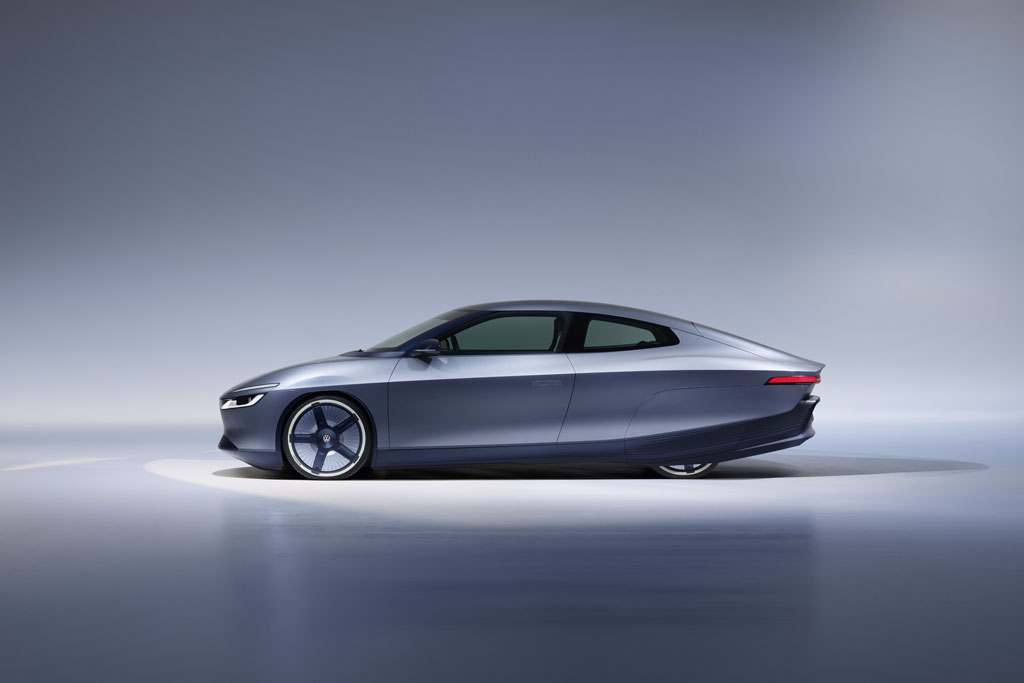
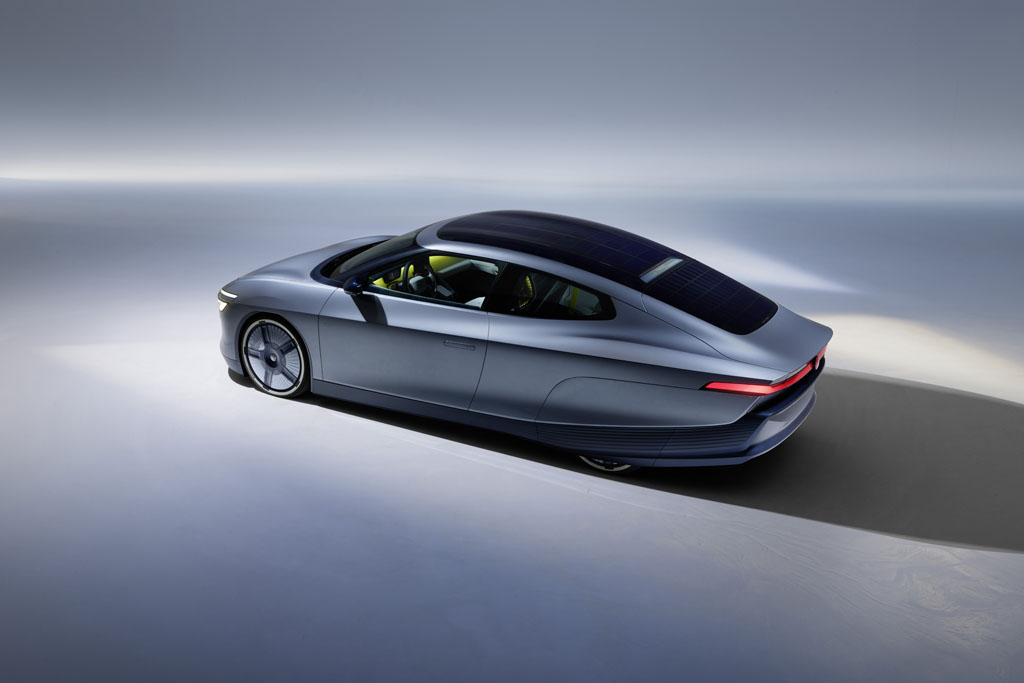
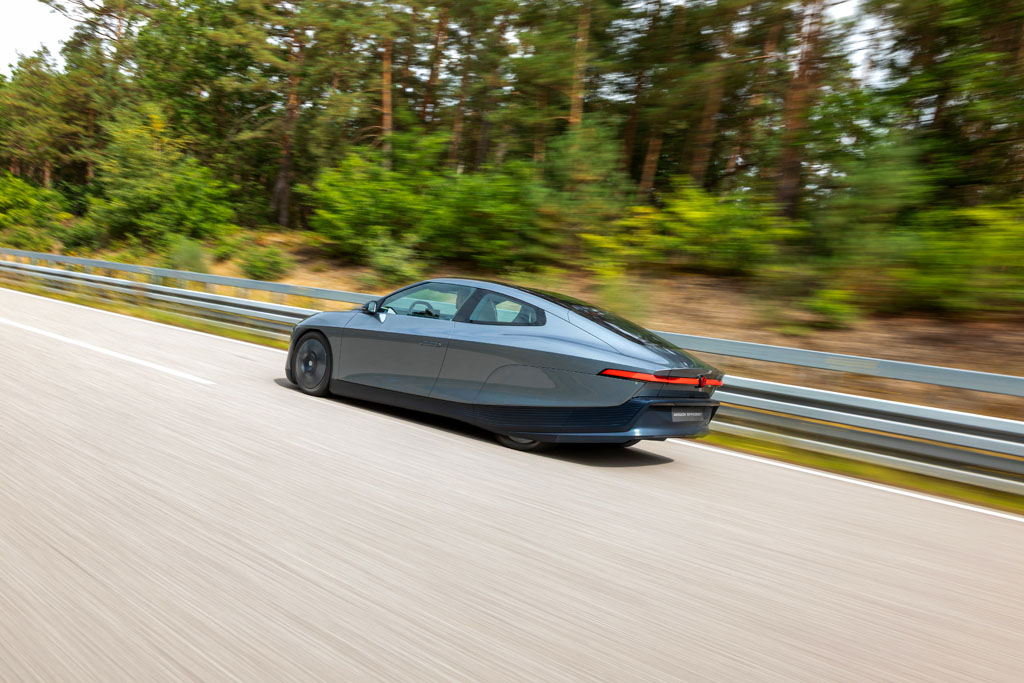
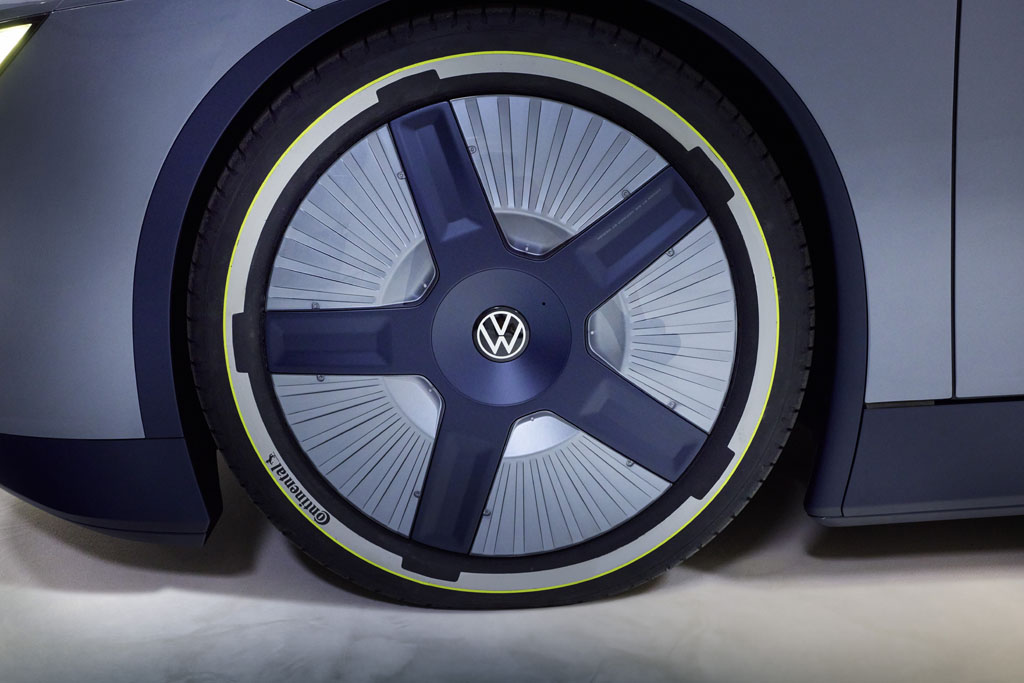
The secret is not a giant battery pack or some exotic new motor. Instead, Volkswagen focused on cutting resistance wherever it could. The Mission Efficiency posts a claimed drag coefficient of just 0.158, which Volkswagen says is a record for a road-approved car. Its body is long, low, and tightly tapered at the rear, with covered rear wheels, a nearly flat underside, active cooling flaps, and carefully managed airflow around the front wheels. Even the rear axle was narrowed compared with the upcoming ID. Polo to help reduce turbulence beneath the car.
That slippery shape is paired with hardware that is surprisingly familiar. The concept uses an MEB+ foundation along with a front-mounted APP290 permanent-magnet motor related to the one in the ID. Polo. Output is a modest 135 horsepower and 195 lb-ft of torque, while usable battery capacity is 54.9 kWh. Those are not numbers that normally suggest nearly 900 miles of driving range, which makes the efficiency story here much more interesting than simply stuffing a huge battery into the floor.
Volkswagen recorded energy use of 6.89 kWh per 100 kilometers without charging losses during the long-distance run, or 7.51 kWh per 100 kilometers when those losses were included. The trip averaged about 42 mph and included a top speed of 86 mph, so this was not a high-speed Autobahn torture test, but it was still conducted over public roads rather than on a laboratory cycle. On a separate idealized run at a steady 42 mph with climate control switched off, the Mission Efficiency managed an even lower 6.48 kWh per 100 kilometers.
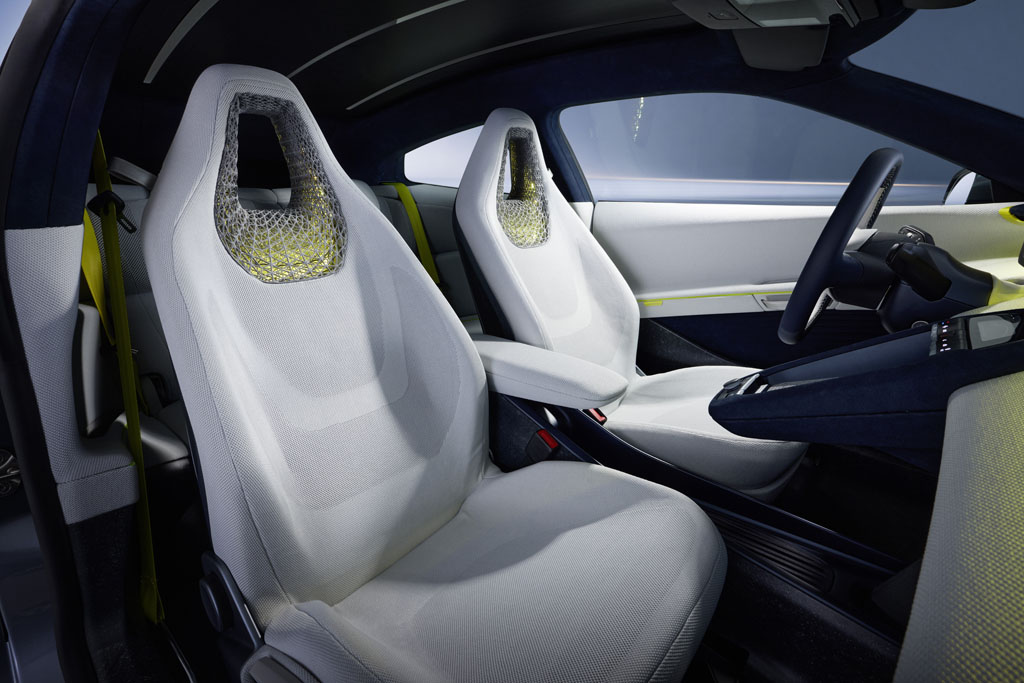
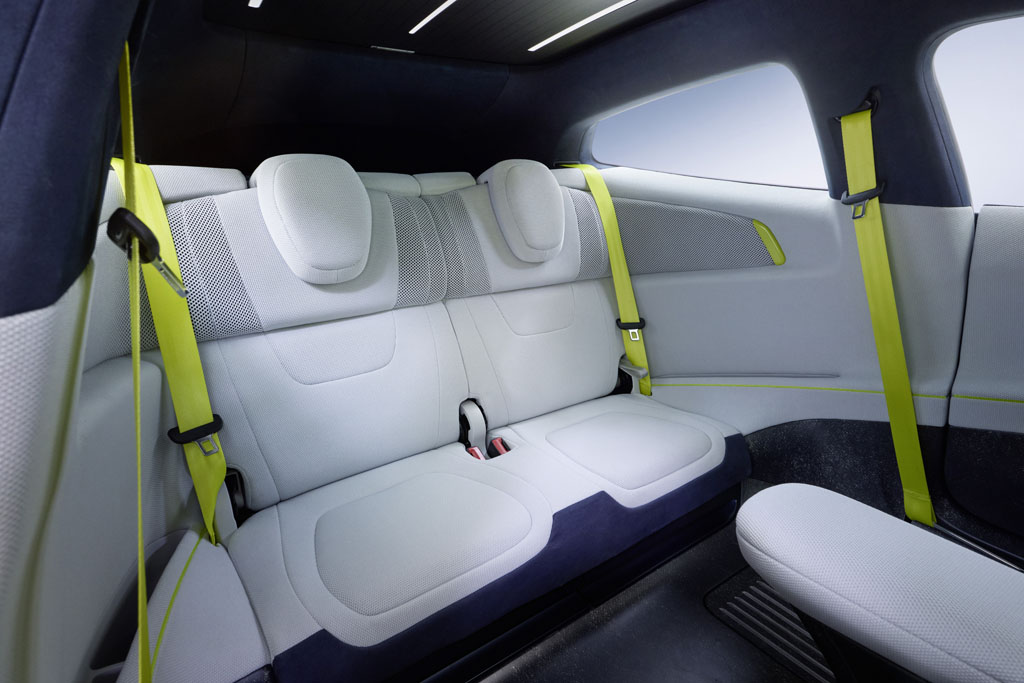
Despite looking like an extreme hypermiling prototype, Volkswagen also tried to keep the concept somewhat usable. The 2+2 cabin includes rear seating for smaller passengers, a large tailgate, and roughly 17 cubic feet of cargo space. Fold the rear seats and the load floor stretches to about 5.9 feet. Volkswagen even retained conventional exterior mirrors after determining that camera-based replacements would not deliver enough efficiency benefit to justify their added complexity and electrical demand.
The interior follows the same less-is-more approach. Rather than installing a large permanent infotainment display, Volkswagen designed the cabin around a smartphone or tablet that can connect wirelessly and handle many of those duties. A portable Bluetooth speaker replaces a traditional built-in audio system, while lightweight seats, simplified trim, and recyclable materials help keep mass and energy use in check. Solar panels integrated into the roof and rear hatch can also support the vehicle’s electrical systems, potentially adding the equivalent of up to 19 miles of range per day under ideal conditions.
For longtime Volkswagen followers, the Mission Efficiency feels like a modern continuation of the XL1, the ultra-low-consumption car that became one of the most unusual projects of the Ferdinand Piëch era. Volkswagen has not announced production plans for this new concept, and a nearly 900-mile production EV based directly on it should not be assumed to be around the corner. What the Mission Efficiency does show is that battery size is only one part of the EV range equation. Better aerodynamics, lower rolling resistance, reduced weight, and smarter energy management can make an enormous difference, and some of the ideas developed here could eventually find their way into far more ordinary Volkswagen EVs.


More Stories
Sedans Are Making a Comeback as Honda and Toyota Sales Surge in 2026
For years, the automotive industry has treated the traditional sedan as if it were headed for extinction, pushed aside by...
Dodge Charger Inventory Problem Deepens as Daytona EVs Pile Up and Sixpack Gains Ground
We have been spending quite a bit of time lately looking at what is happening inside Stellantis, and the new...
5 Auto Repair Shop Directories and Review Tools to Check in 2026
Finding a trustworthy mechanic used to mean asking a neighbor or gambling on whoever had the closest sign. That’s changed....
Supercars, SUVs and City Driving: Choosing the Right Car for Dubai
Dubai roads can make a good car feel very different each day. Cars that feel good on highways could struggle...
Argentina September 2026: Market down -12.6%, Ford Territory on podium
Second ever podium finish for the Ford Territory in Argentina. New light vehicle sales in Argentina reverse -12.6% year-on-year in...
Switzerland September 2026: Tesla Model Y breaks records at 7.7% share
The Telsa Model Y holds a record 7.7% of the Swiss market in September. The Swiss new car market is...