

Jensen Interceptor GTX Returns With 960 HP and Future Manual Road Cars Planned

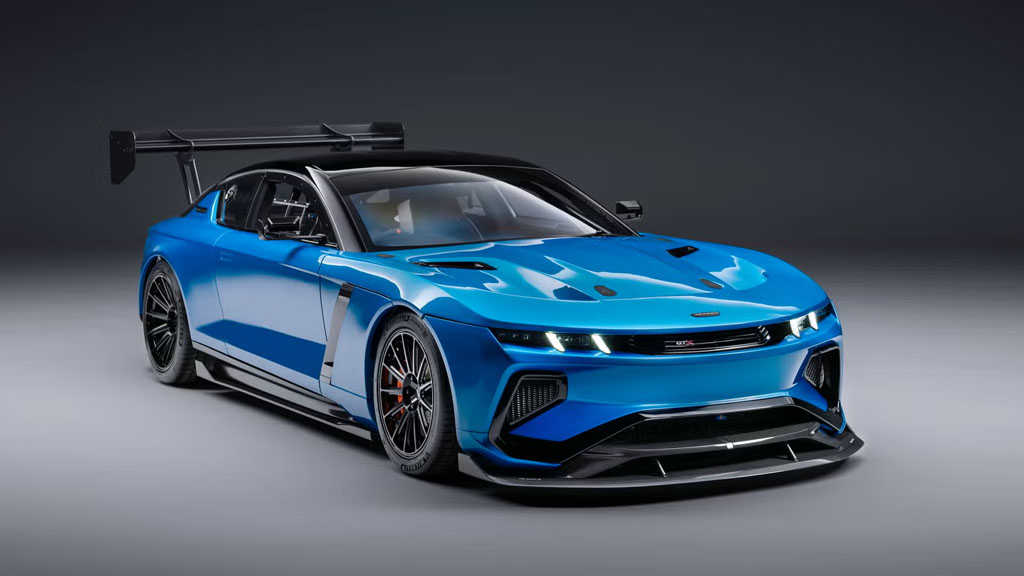
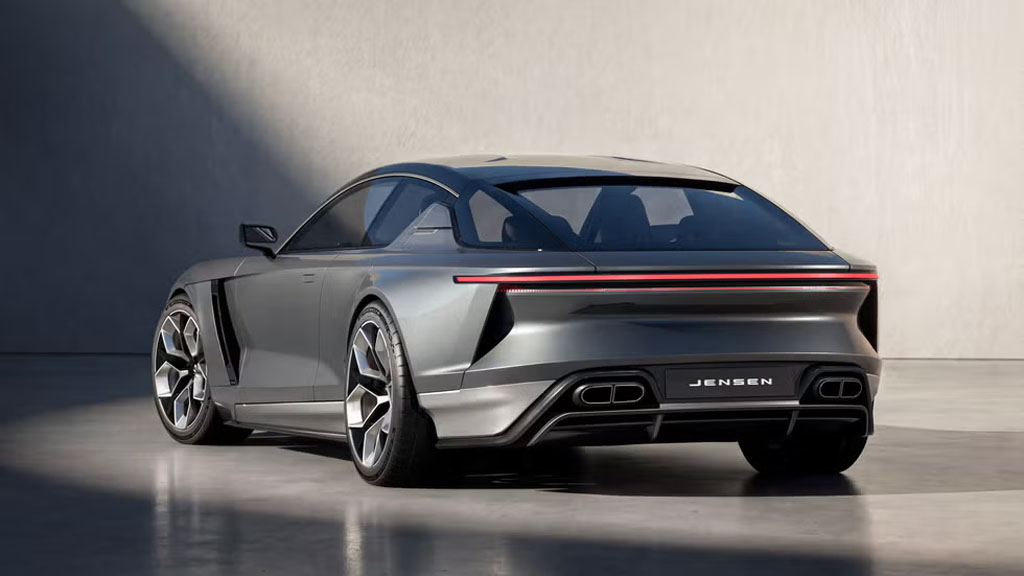
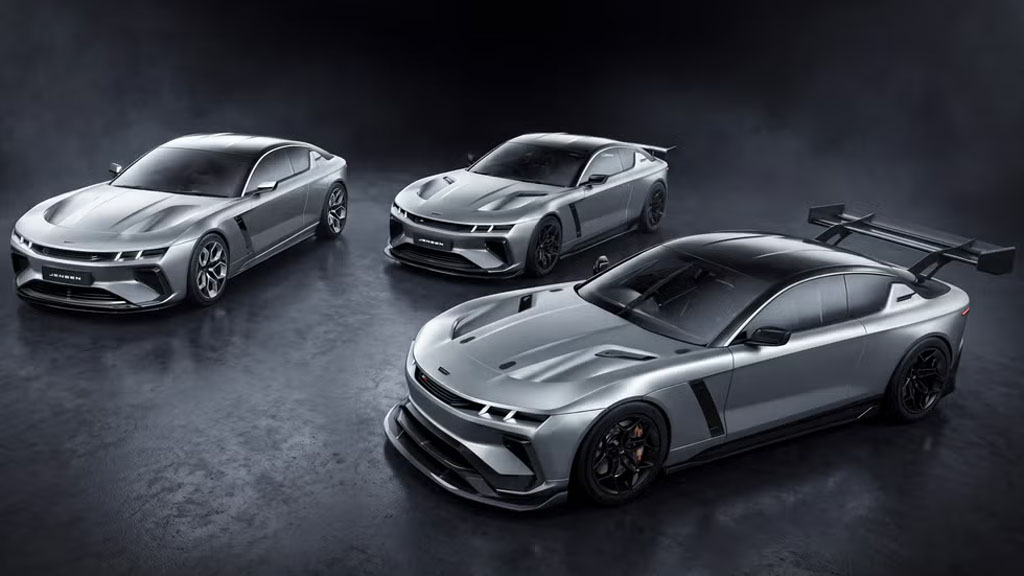
Some automotive comebacks arrive with carefully restored badges, familiar styling, and modest promises about what might come next. Jensen International Automotive has taken a very different approach. The British marque has unveiled the new Interceptor GTX, a purpose-built, track-focused machine packing 960 horsepower and enough mechanical drama to make its famous predecessor seem almost restrained. For now, the GTX is essentially a rolling development car, but its importance extends well beyond the racetrack. Jensen says much of what we see here will influence a pair of future road-going Interceptors, including a performance-focused GTR and a more luxurious GT.
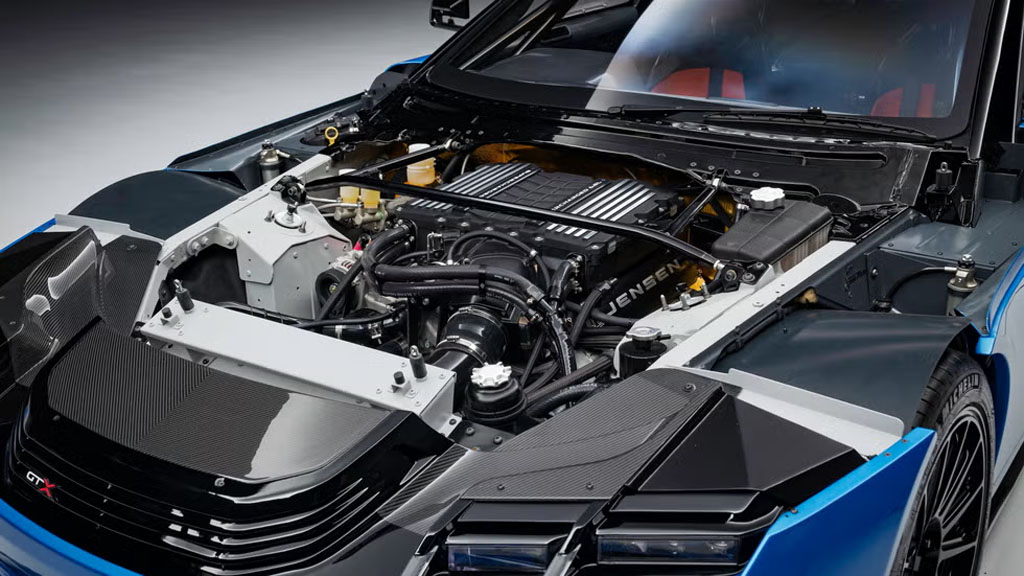
Power comes from a supercharged 6.8-liter V8 with General Motors roots, although calling this simply a GM crate engine does not tell the full story. Late Model Engines in Texas extensively reworked the powerplant to the point that fewer than 20 percent of the original components remain. The upgraded V8 features CNC-machined cylinder heads, titanium valves, a forged rotating assembly, motorsport-grade hardware, and MoTeC engine management. In its current GTX specification it produces 960 horsepower, but Jensen says the engine is capable of supporting as much as 1,200 horsepower and more than 1,100 pound-feet of torque. Those are outrageous numbers for something meant to help develop a new generation of grand touring cars, but they also make Jensen’s intentions impossible to misunderstand.
Getting all of that power to the pavement requires considerably more than a conventional transmission bolted behind the V8. The Interceptor GTX uses a rear-mounted Samsonas Motorsport six-speed sequential transaxle with straight-cut dog gears, connected to the front-mounted engine through a carbon-fiber prop shaft. Drivers can select gears through the center-mounted sequential shifter or steering-column paddles, while a Wavetrac differential sends power to the rear wheels. The arrangement is decidedly more race car than grand tourer, which is exactly the point. The GTX exists to take punishment, collect development data, and establish just how serious the next Interceptor can become before some of its sharper edges are softened for road use.
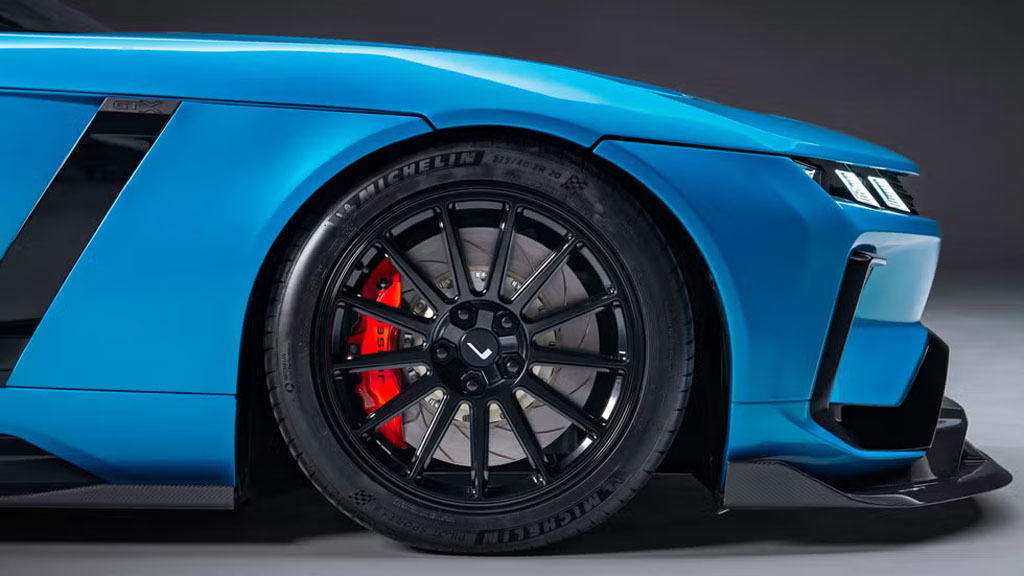
Jensen has given the rest of the chassis hardware the same level of attention. An aluminum structure forms the foundation, while the suspension uses double wishbones and three-way adjustable Nitron dampers. AP Racing brakes with floating steel discs handle stopping duties, and custom 20-inch forged aluminum wheels are wrapped in Michelin Pilot Sport rubber. Despite the massive performance potential, there is something appealingly old-school about the formula. This is a front-engined, rear-wheel-drive V8 machine built around mechanical feedback rather than an all-wheel-drive system packed with layers of electronic intervention. In an era when four-figure horsepower increasingly comes attached to batteries, electric motors, and complex hybrid systems, Jensen’s approach feels almost rebellious.
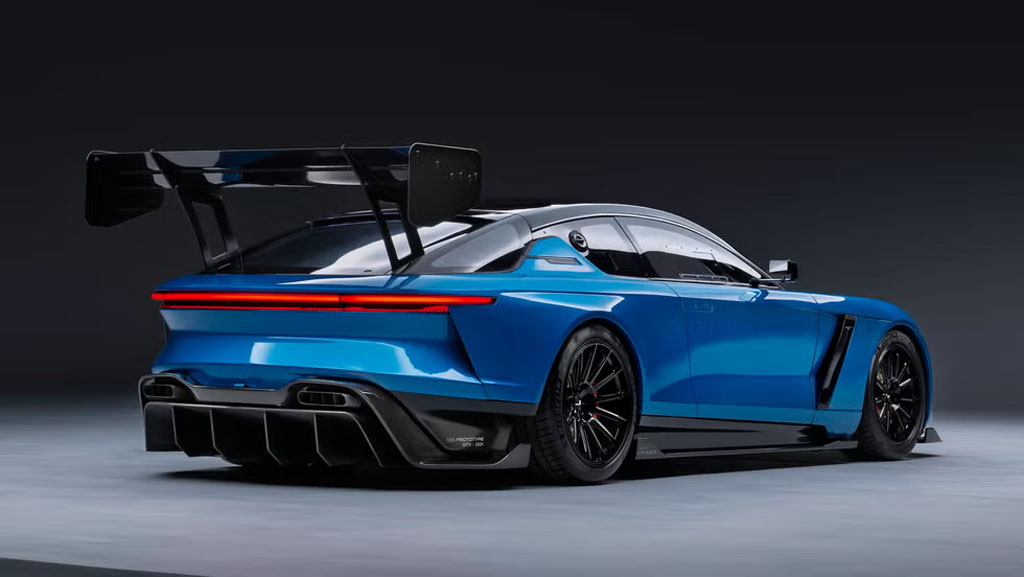
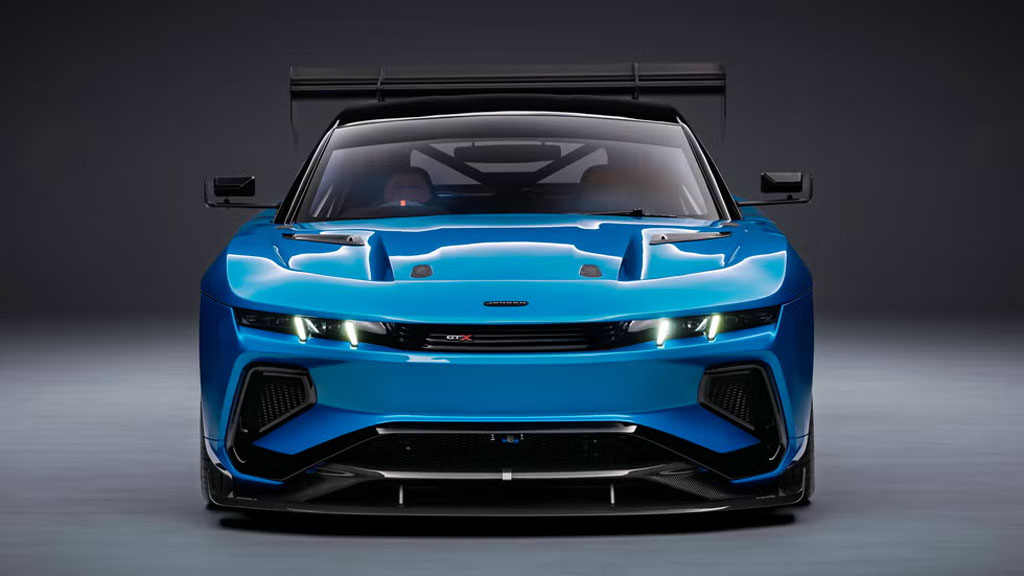
The styling also makes a strong case for bringing the Interceptor name back. Rather than creating a carbon copy of the classic Jensen Interceptor produced during the 1960s and 1970s, the GTX translates its long-hood, grand touring proportions into something far more aggressive. Slim horizontal lighting, large cooling openings, a prominent front splitter, exposed aerodynamic details, a flat floor, an integrated rear diffuser, and a substantial adjustable rear wing give the car its track-focused appearance. Jensen says roughly 80 percent of the exterior design is expected to carry over to the road-going models. The aero will undoubtedly be toned down, especially that enormous rear wing, but the basic shape provides a good indication of what a modern Interceptor could look like without slipping into retro-car cliché.
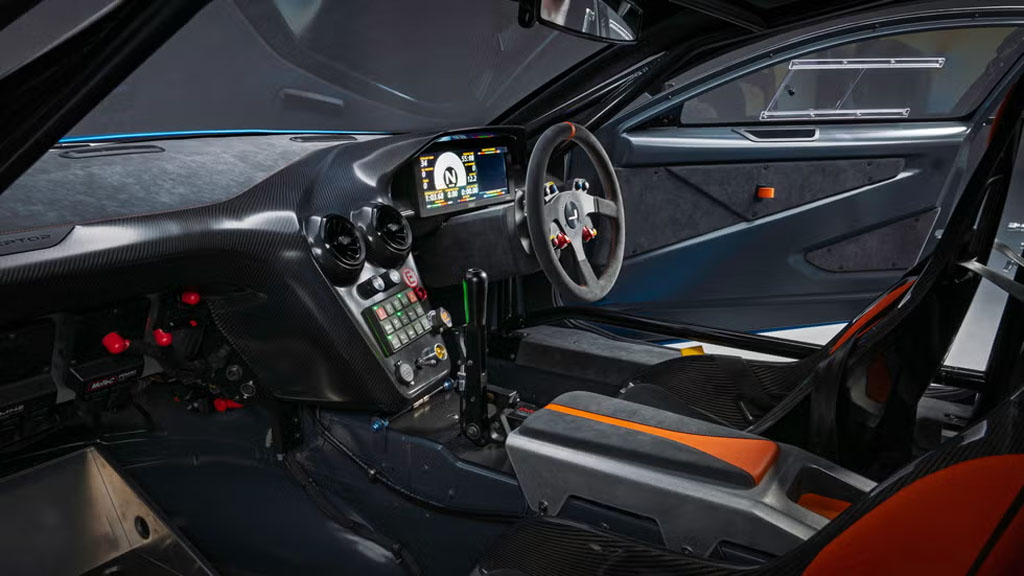
Inside, there is little attempt to disguise the GTX’s development-car mission. Carbon-fiber competition seats, six-point harnesses, an FIA-spec safety cage, a fire suppression system, and a MoTeC display make it clear that this particular Interceptor was created for serious track work. Still, touches such as Alcantara and contrasting stitching hint at the grand touring side of Jensen’s personality. That dual character could become much more important when the road cars arrive. The planned Interceptor GTR is expected to lean toward performance, while the Interceptor GT should emphasize comfort and luxury. More exciting for traditional enthusiasts, Jensen has indicated that the production-oriented cars could be offered with a conventional H-pattern manual transmission as well as an automatic. A big supercharged V8, rear-wheel drive, and an actual manual gearbox would give the reborn Interceptor a personality increasingly difficult to find among modern high-performance cars.
There are still plenty of unanswered questions. Jensen has not committed to a firm production schedule for the GT or GTR, and details surrounding pricing, production volume, final horsepower figures, and specifications remain open. The company appears to be taking a deliberate approach, using the GTX to prove the engineering before moving deeper into customer road cars. That may be the smartest way to revive a name with as much enthusiast history as Jensen. Instead of relying solely on nostalgia, the Interceptor GTX gives the brand something tangible, loud, powerful, and technically ambitious to build from. If the eventual road-going Interceptor retains even a portion of the GTX’s character, especially with a manual transmission available, Jensen’s return could become one of the more interesting sports-car revivals in recent memory.


More Stories
When every kilometre counts, Suzuki puts fuel economy to the test
With fuel prices rising, Suzuki put its fuel-efficient range to the test. Discover how five Suzuki models performed on Pretoria’s...
Brilliant Design Features That Make the Alpine A310 VISION So Exciting
The A310 VISION also demonstrates the design opportunities offered by Alpine’s APP platform. Developed to support future sports cars, the...
Opel STX Concept Brings Active Aerodynamics to the Electric Estate Car
Opel is preparing a new concept car for the 2026 Paris Motor Show. Called the STX, it previews a future...
A Modern Citroën 2CV Sounds Great. Until You Think About the Price
Citroën has revived the 2CV name at the Paris Motor Show, displaying two concepts inspired by its most recognisable small...
Pickup Truck vs SUV Insurance Costs and What Drivers Should Know
Insurance belongs in the buying budget when the shortlist includes a pickup and an SUV. Either vehicle may cost less...
Porsche Mission S Could Get a Manual Transmission and That Makes This Mid-Engine Supercar Even More Exciting
Just when we thought Porsche’s stunning new Mission S concept couldn’t get any more exciting, the German automaker has revealed...