
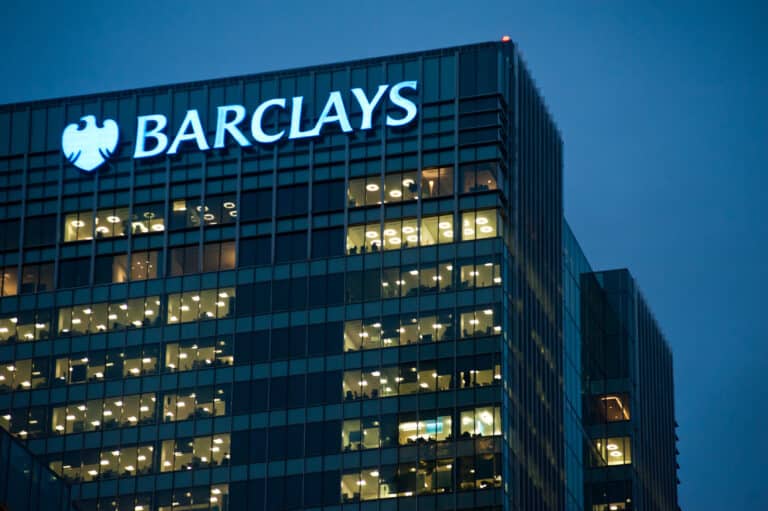
Bank windfall tax would drive jobs and investment out of London, deVere warns Healey

A fresh tax raid on Britain’s banks in October’s Budget would hand a competitive gift to rival global financial centres and see jobs and investment drain out of London, the chief executive of one of the world’s largest independent financial advisory organisations has warned.
Nigel Green, chief executive of deVere Group, made the intervention as the financial sector gears up for a major lobbying push ahead of Chancellor John Healey’s Budget on 28 October. Union leaders are pressing for a windfall levy on bank profits to help fund relief on household energy bills, while a senior Wall Street bank boss is reported to have privately urged Healey against making the UK a more hostile place for banks to operate.
“Every finance minister eventually learns the same lesson the hard way,” Green said. “Capital doesn’t sit still and wait to be taxed. It moves to wherever the environment is friendliest, and it moves fast.”
Green pointed to New York as a live warning, citing reports of a material decline in finance roles in the city, with executives openly linking the exodus to its tax burden. “London should be paying very close attention to what’s happening across the Atlantic,” he said. “A city can price itself out of the industry that built its skyline, and once those jobs relocate, they rarely come back on demand.”
His comments follow a similar warning from Citigroup chief executive Jane Fraser, who said last month that she was worried by the UK’s 48 per cent bank tax rate and that “money votes with its feet”. In May, JPMorgan chairman Jamie Dimon said the bank would reconsider its planned £9.9bn Canary Wharf tower if the UK became “hostile to banks again”.
According to deVere, UK banks already carry a heavier load than most competitors realise. On top of corporation tax at 25 per cent, lenders pay an additional 3 per cent surcharge on their profits plus a separate levy on their balance sheets, both introduced in the aftermath of the 2008 financial crisis and never fully unwound.
“Nobody is asking for sympathy for an industry that’s profitable again,” Green said. “But Britain’s banks are already taxed well above the rate applied to most other sectors. Layering a windfall charge on top of that only deepens an imbalance that already exists.”
Green acknowledged the political pressure on the Chancellor, with reports showing the UK’s largest banks posted combined profits above £29bn in the first half of the year, a figure unions are using to argue that the sector can easily absorb more.
“Big profit numbers make an easy talking point for anyone pushing a windfall tax,” he said. “What gets left out is that financial and professional services already deliver a record share of the tax take that funds the schools, hospitals and energy support Healey wants to protect. Punishing the sector that pays for those things is self-defeating.”
HMRC figures show the banking sector paid £35.2bn in PAYE, corporation tax, bank levy and bank surcharge receipts in the 2024 to 2025 financial year.
deVere says billions of pounds in planned UK office expansions and hiring are directly tied to the tax outlook, meaning firms are watching the Budget closely before committing further.
“Global banks don’t make 30-year property and headcount decisions based on hope,” Green said. “They make them based on whether a government looks predictable. Every signal of a harsher regime pushes that decision further from London and closer to Frankfurt, Dublin or New York.”
Healey has a narrower path than his predecessor faced, according to Green, given weaker growth and tighter borrowing headroom, which he said makes the temptation to reach for bank profits even stronger. Public sector borrowing came in at £1.8bn in July, against an Office for Budget Responsibility forecast of a £500m surplus, with borrowing in the financial year so far more than £2bn above the watchdog’s expectations.
“I understand the arithmetic behind wanting an easy pot of money to fund energy bill support,” Green said. “But taxing success out of the country doesn’t fund anything for long. It just moves the tax base somewhere else and leaves a smaller economy behind to cover the bill.”
He added: “Growth comes from stability, not from raiding the sector that’s finally performing. Healey has a genuine chance to back the industry that funds the country. Reaching for a windfall tax instead would be a costly mistake dressed up as a quick win.”


More Stories
Hate the new Jaguar? Good. That’s rather the point
Most Sunday mornings in winter, I can be found in a cold garage doing what owners of classic cars do...
Beyond the Microphone: British Comedians Who Became Directors and Presenters
Stephen Merchant co-created The Office and went on to write and direct for the cinema. Simon Amstell writes and directs...
Top 10 Best Hair Transplant Doctors in Turkey: A 2026 Guide to Surgeons
This guide names the top 10 best hair transplant doctors in Istanbul for 2026 and explains, in plain terms, how...
How to Choose an HR System for a Growing UK Business
For a while, email and spreadsheets seem good enough. Then managers start asking where the latest file is, staff have...
Top 10 Best Hair Transplant in Turkey
Turkey has become one of the world’s most familiar destinations for hair restoration, with Istanbul attracting patients from Europe, the...
How to Register a Company in Hong Kong in 2026: A Guide for UK SMEs
You can register a company in Hong Kong remotely, but plan tax, banking and compliance before you start. Why UK...