
Hyundai Makes the Instrument Cluster an Optional Extra in Two New Models

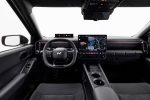
We have officially reached a strange new stage in the evolution of the modern car interior. Hyundai is now treating a dedicated instrument cluster as optional equipment on select versions of two of its newest models, the redesigned Korea-market Avante, known in the United States as the Elantra, and the new Ioniq 3 electric hatchback. The move comes as Hyundai rolls out its next-generation Pleos Connect infotainment system, which places more responsibility on a large central touchscreen and, depending on the trim, a slim 9.9-inch display positioned directly in the driver’s line of sight.
In South Korea, buyers of the entry-level Avante can add that 9.9-inch driver display for 350,000 won, or roughly $255. That is hardly an outrageous price in the world of new-car options, but the idea of paying extra for a traditional instrument display is still likely to raise a few eyebrows. We have become accustomed to paying extra for bigger touchscreens, premium audio systems and digital gauges with flashy graphics, but having a dedicated display for something as basic as vehicle speed has traditionally been part of the car, not something buried on the options sheet.
The situation is even more interesting with the Ioniq 3. Hyundai’s new compact EV is the first European model to use Pleos Connect, and the least expensive version reportedly goes without the slim driver display altogether. Instead, key information is presented through the central screen, an approach that immediately brings Tesla to mind. Buyers wanting the more traditional driver-facing display need to move into a higher trim level, creating a much larger price jump than the relatively modest option cost on the Avante. Hyundai has not abandoned physical controls completely, however, as the Ioniq 3 retains actual buttons for commonly used functions such as climate control and audio volume.
Pleos Connect itself is a major piece of Hyundai Motor Group’s push toward software-defined vehicles. Built around Android Automotive OS, the system combines a large central display with app support, over-the-air updates, navigation and Hyundai’s Gleo AI voice technology. Hyundai says the interface was developed around intuitiveness, safety and openness, and the company plans to roll it out across roughly 20 million Hyundai, Kia and Genesis vehicles globally by 2030. The new Grandeur sedan was the first Hyundai to receive the system in Korea, where its higher positioning means the forward display comes standard across the lineup.
For U.S. buyers, there is no need to start searching the options list for an instrument cluster just yet. Current Hyundai, Kia and Genesis vehicles sold here do not use this exact Pleos Connect arrangement, although the platform is headed toward a much wider global rollout. The bigger question is whether Americans will accept a future where the gauge cluster becomes something you pay extra to get. Automakers have already convinced buyers to pay for everything from larger wheels to heated seats and advanced software features. A speedometer sitting directly in front of the driver, however, feels like one piece of hardware many people will expect to remain part of the package.


More Stories
When every kilometre counts, Suzuki puts fuel economy to the test
With fuel prices rising, Suzuki put its fuel-efficient range to the test. Discover how five Suzuki models performed on Pretoria’s...
Brilliant Design Features That Make the Alpine A310 VISION So Exciting
The A310 VISION also demonstrates the design opportunities offered by Alpine’s APP platform. Developed to support future sports cars, the...
Opel STX Concept Brings Active Aerodynamics to the Electric Estate Car
Opel is preparing a new concept car for the 2026 Paris Motor Show. Called the STX, it previews a future...
A Modern Citroën 2CV Sounds Great. Until You Think About the Price
Citroën has revived the 2CV name at the Paris Motor Show, displaying two concepts inspired by its most recognisable small...
Pickup Truck vs SUV Insurance Costs and What Drivers Should Know
Insurance belongs in the buying budget when the shortlist includes a pickup and an SUV. Either vehicle may cost less...
Porsche Mission S Could Get a Manual Transmission and That Makes This Mid-Engine Supercar Even More Exciting
Just when we thought Porsche’s stunning new Mission S concept couldn’t get any more exciting, the German automaker has revealed...