
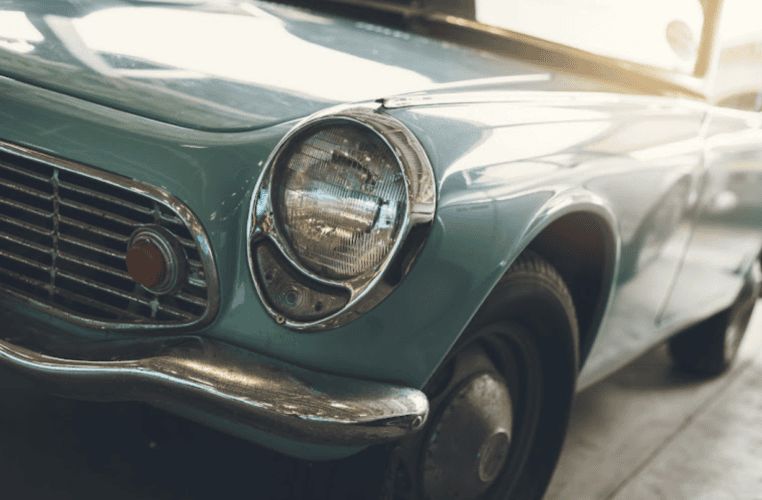
The New Wave of Retro EV Car Designs

EV Car design is changing. As the industry shifts to electric, some of the most talked-about new models are not futuristic at all. They look like they rolled straight out of the 1970s. From reborn hatchbacks to garage-built classics running on batteries, the past is becoming the face of the electric future.
What is fuelling the retro EV surge?
The trend even has a name. Designers call it “newtro”, a mash-up of new and retro, where a vintage silhouette is rebuilt around a modern electric drivetrain.
Renault has led the charge. Its electric Renault 5, a clear nod to the beloved 1970s original, was named 2025 European Car of the Year, and the Renault 4 has followed it into production. A sub-€20,000 electric Twingo is due in 2026. Hyundai has been mining its own back catalogue too. The Heritage Series reimagines icons like the Grandeur, while the wild N Vision 74 concept draws straight from the 1974 Pony Coupe. Volkswagen has done the same with the ID. Buzz, an electric people-mover that borrows its face from the old Kombi microbus, a shape few cars can match for goodwill.
It is not only the big manufacturers. Here in Australia, a small but busy cottage industry is pulling old petrol cars off the road and sending them back out silent. The ABC recently reported on non-profit founder David Dyer converting a 1971 Morris Mini to electric as a way to train up the next generation of mechanics.
Workshops like Melbourne’s Jaunt Motors and the Surf Coast’s Electric Dream Machine build bespoke electric classics, and by their own account, they are snowed under with work. Some, such as South Australia’s Finch Restorations, even offer reversible conversions, so an owner can switch the original engine back in later if they want to. It is not cheap, often tens of thousands of dollars, but demand keeps climbing.
Why is this happening now?
A few things are pulling in the same direction.
The obvious one is feeling. A familiar shape carries instant recognition and a bit of emotional pull, and that counts for a lot when carmakers are asking buyers to give up the engines they grew up with. A retro EV softens the leap. It looks like something you already love, only quieter and cheaper to run.
There is a practical side as well. Plenty of old designs were simple and boxy, which happens to suit a flat battery pack and a pair of electric motors better than you might expect. For enthusiasts, a conversion means keeping a car with real character on the road without the breakdowns, the oil changes, or the fuel bills. And for the manufacturers, leaning on a name people already know is far safer than launching an unknown one into a crowded EV market.
Design tends to run in cycles anyway, and the boxy, upright look of the seventies and eighties is back in fashion just as the batteries to fill it have become good enough.
What could it mean for the future of EVs?
The bigger picture is that this could help electric cars feel normal. For years, the EV pitch was all screens and spaceship styling, which left a lot of drivers cold. Wrapping the technology in a shape people already trust is a smart way to bring the holdouts along.
Every classic given a second life as an EV is one less car headed for the scrap heap, and a reminder that going electric does not have to mean buying new. As the skills spread, expect more independent workshops to start offering it.
That does raise something worth remembering. An electric classic still needs looking after, and often more specialised care than a modern car straight off the lot. The wiring, the battery management and the climate control all want someone who understands older vehicles. Keeping the cabin comfortable is part of the job, and a mobile setup that comes to you makes it far easier. If you are running a converted classic or any older car through an Australian summer, professional mobile car air conditioning services will keep it cool without a trip to the workshop.
Where does that leave us?
Retro EVs sit in a nice spot. They have the look of the cars we grew up with and the drivetrain of the ones we are heading towards. Whether the style stays a niche or becomes the template for the mainstream is still up in the air. But if the trick to selling the future is making it look a little like the past, plenty of drivers seem happy to come along for the ride.
The post The New Wave of Retro EV Car Designs appeared first on My Car Heaven.


More Stories
When every kilometre counts, Suzuki puts fuel economy to the test
With fuel prices rising, Suzuki put its fuel-efficient range to the test. Discover how five Suzuki models performed on Pretoria’s...
Brilliant Design Features That Make the Alpine A310 VISION So Exciting
The A310 VISION also demonstrates the design opportunities offered by Alpine’s APP platform. Developed to support future sports cars, the...
Opel STX Concept Brings Active Aerodynamics to the Electric Estate Car
Opel is preparing a new concept car for the 2026 Paris Motor Show. Called the STX, it previews a future...
A Modern Citroën 2CV Sounds Great. Until You Think About the Price
Citroën has revived the 2CV name at the Paris Motor Show, displaying two concepts inspired by its most recognisable small...
Pickup Truck vs SUV Insurance Costs and What Drivers Should Know
Insurance belongs in the buying budget when the shortlist includes a pickup and an SUV. Either vehicle may cost less...
Porsche Mission S Could Get a Manual Transmission and That Makes This Mid-Engine Supercar Even More Exciting
Just when we thought Porsche’s stunning new Mission S concept couldn’t get any more exciting, the German automaker has revealed...